Problem-solving abilities Addition Worksheets for 3-Year-Olds
15 filtered results
-
From - To
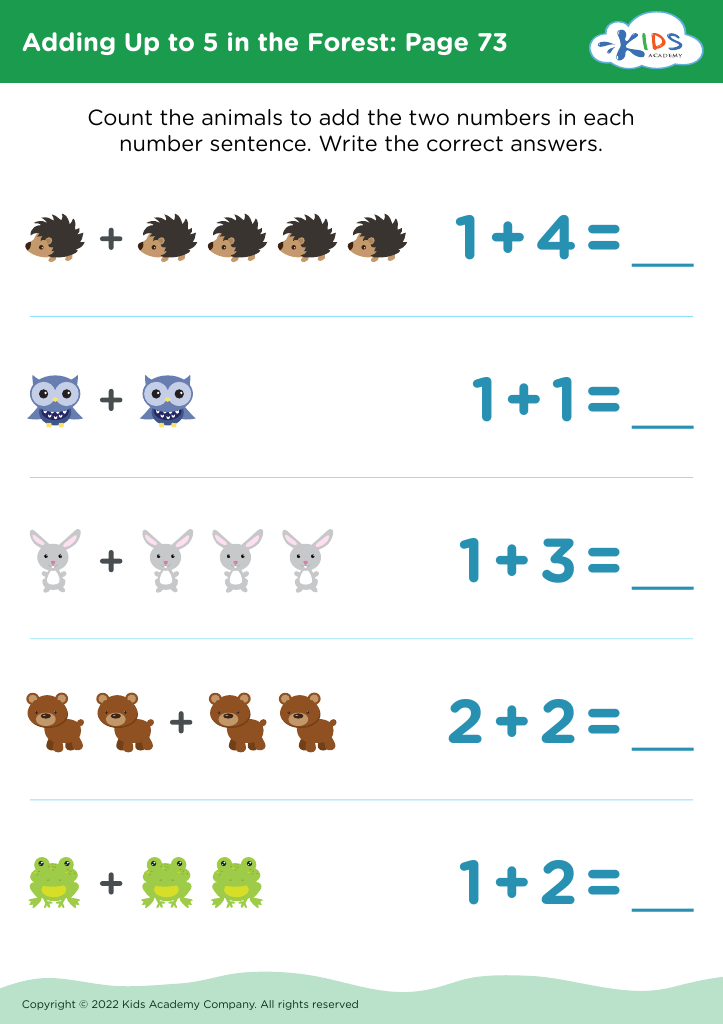
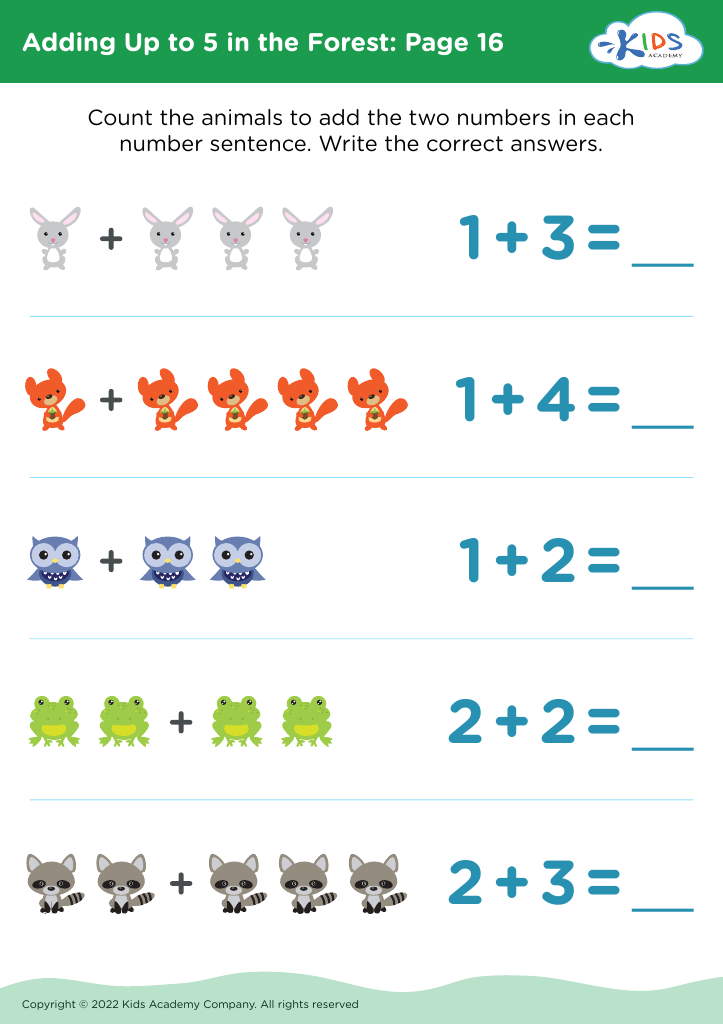
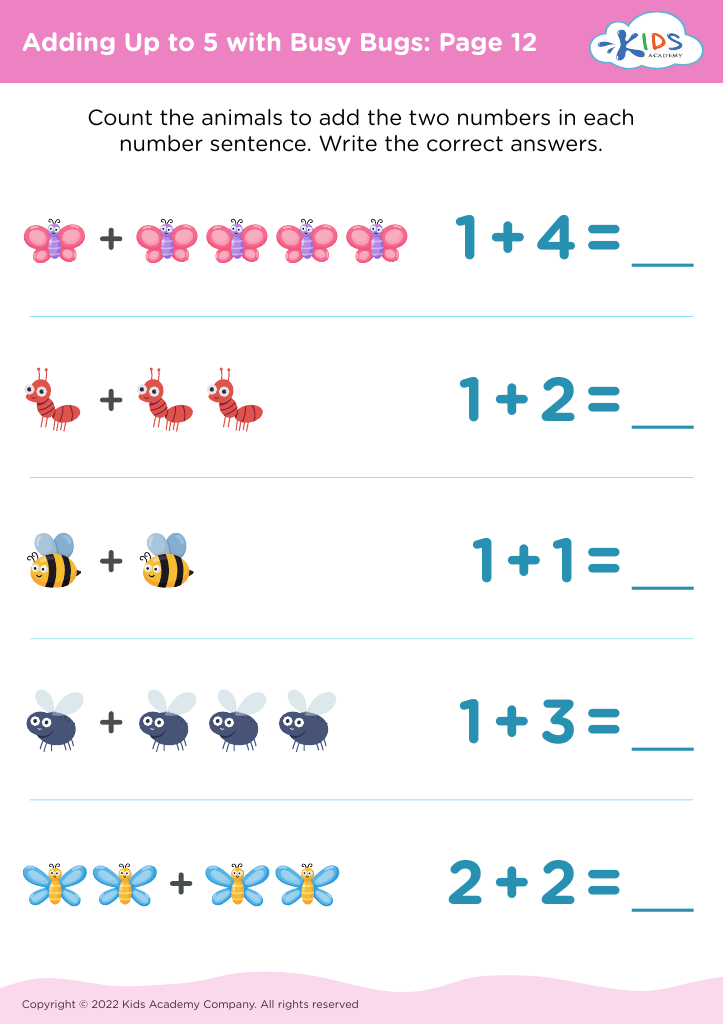
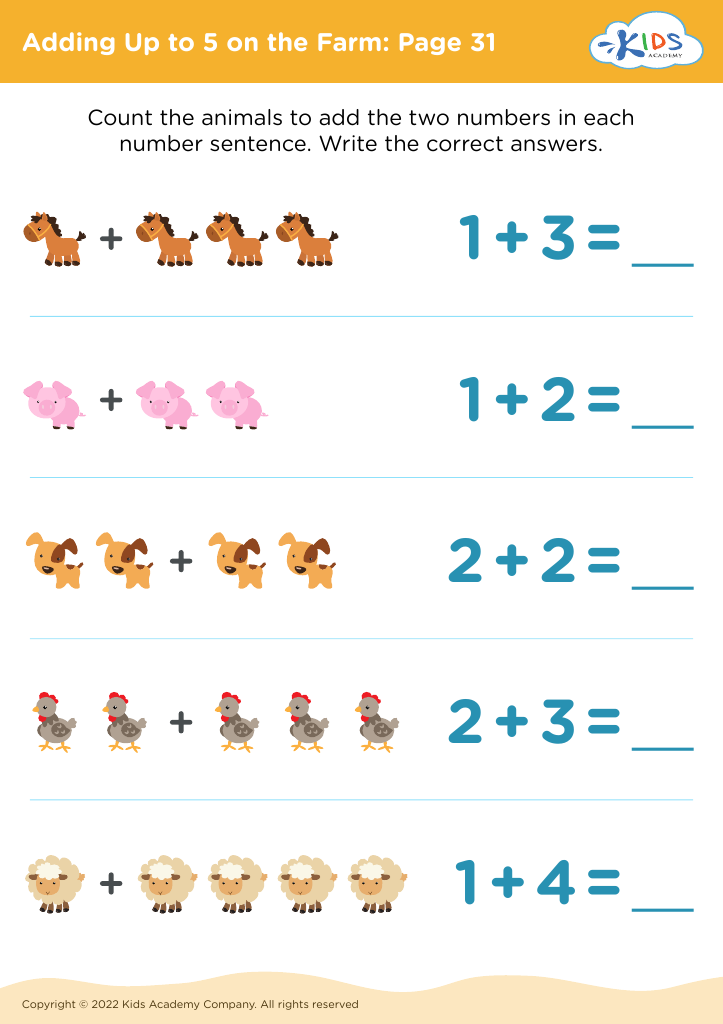
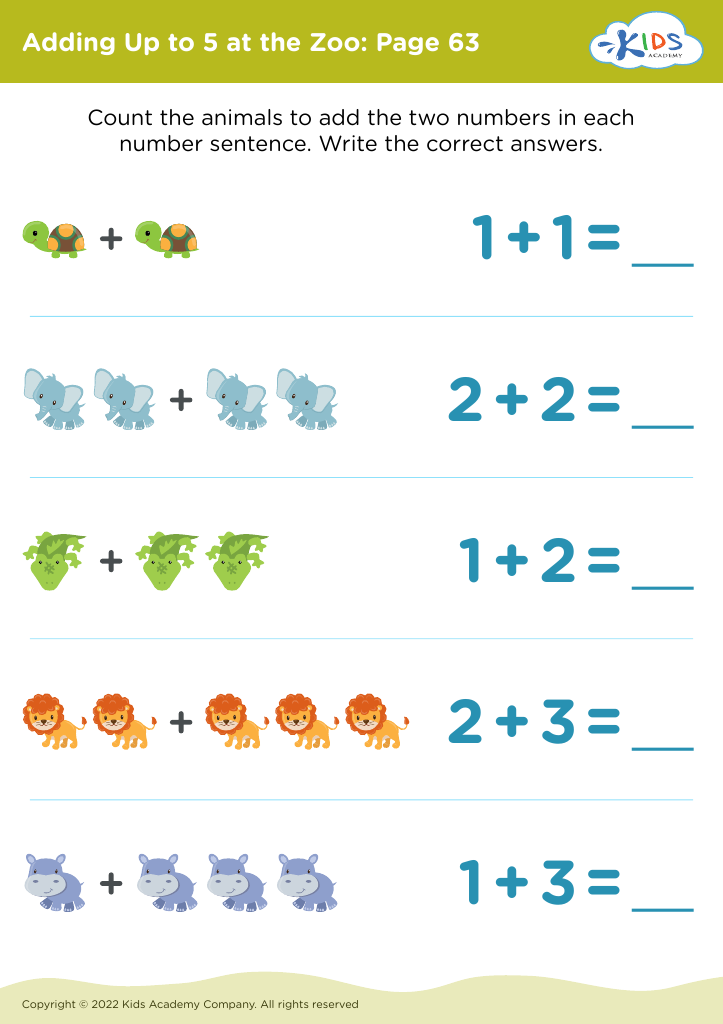
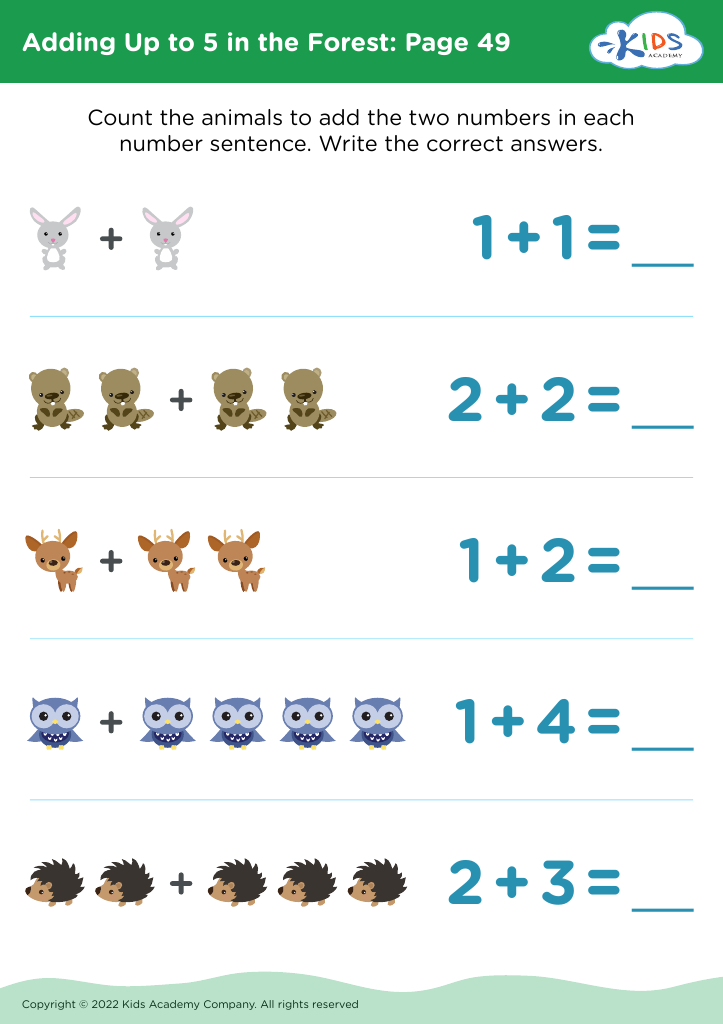
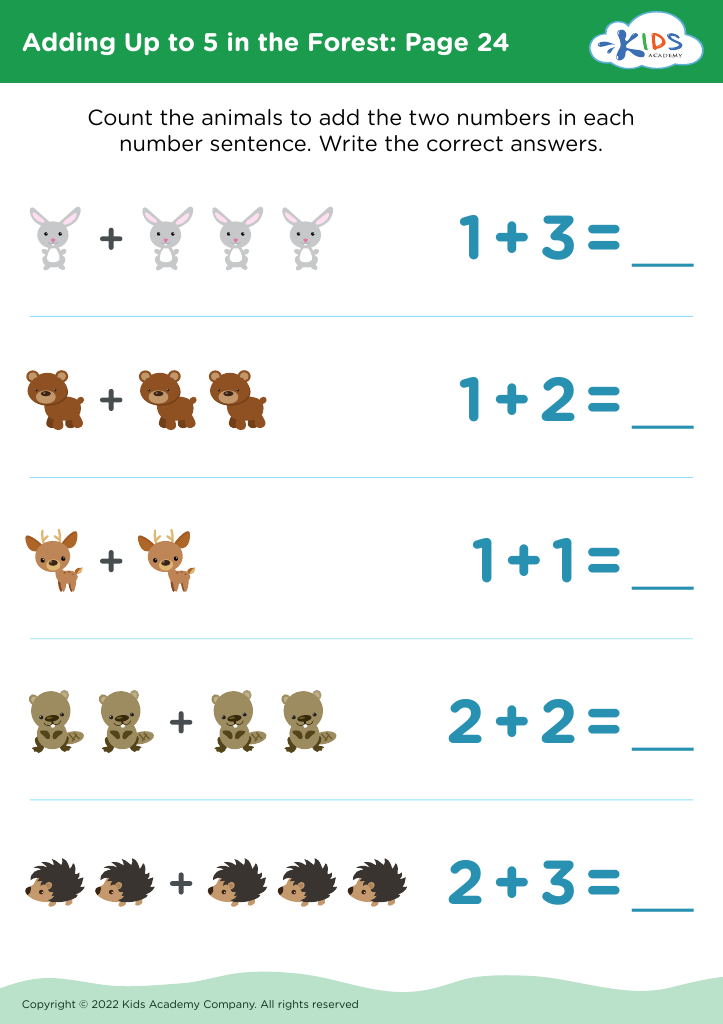
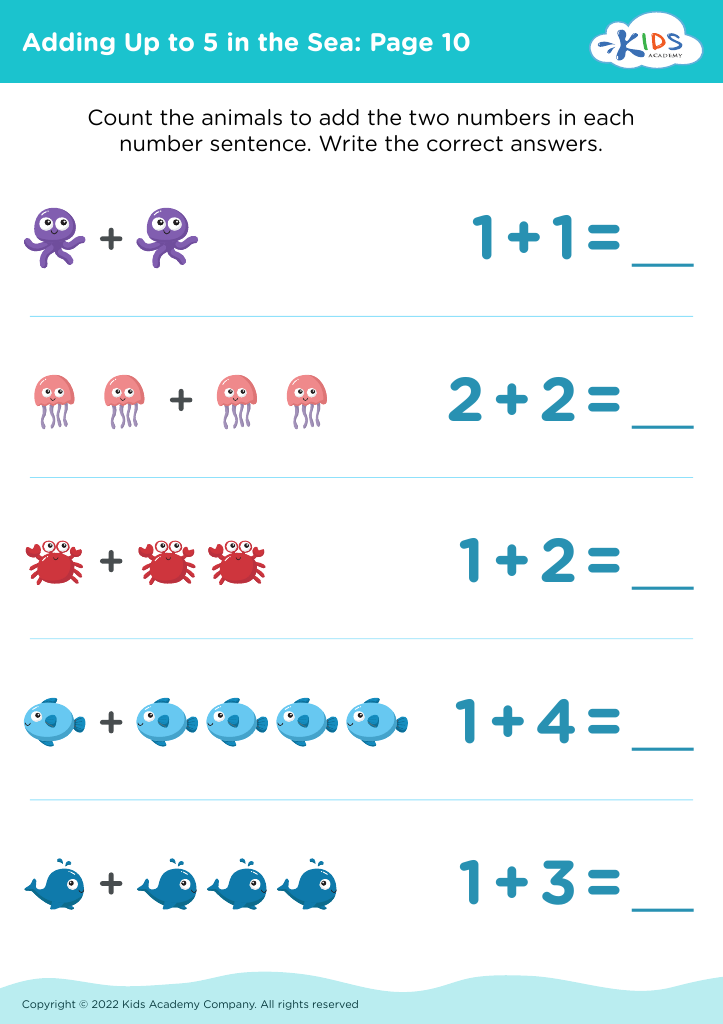
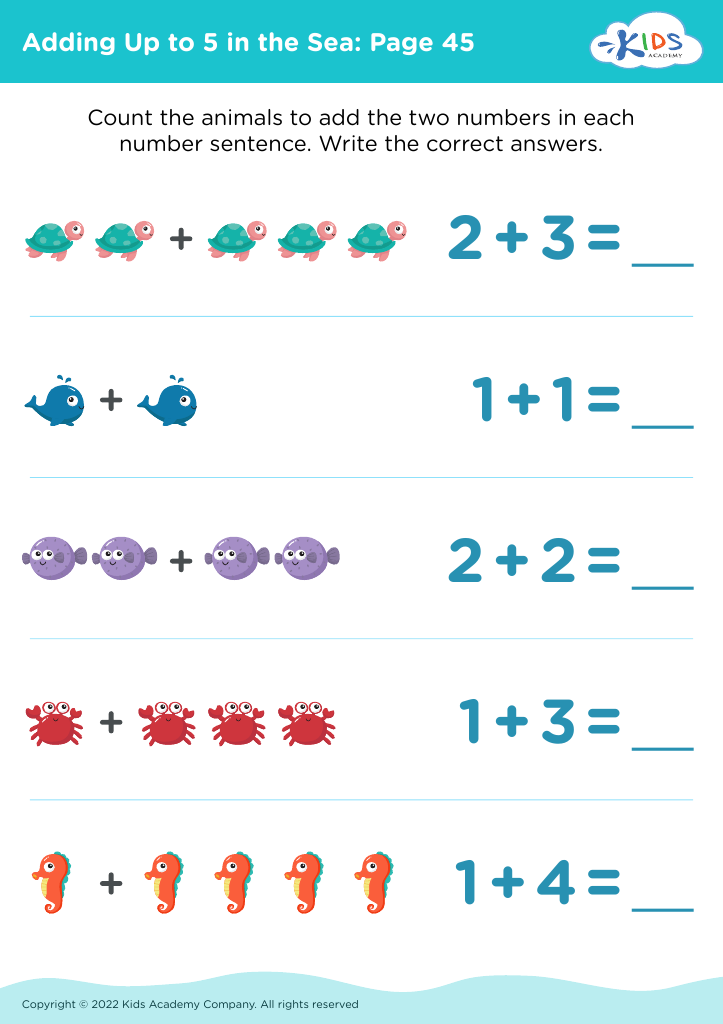
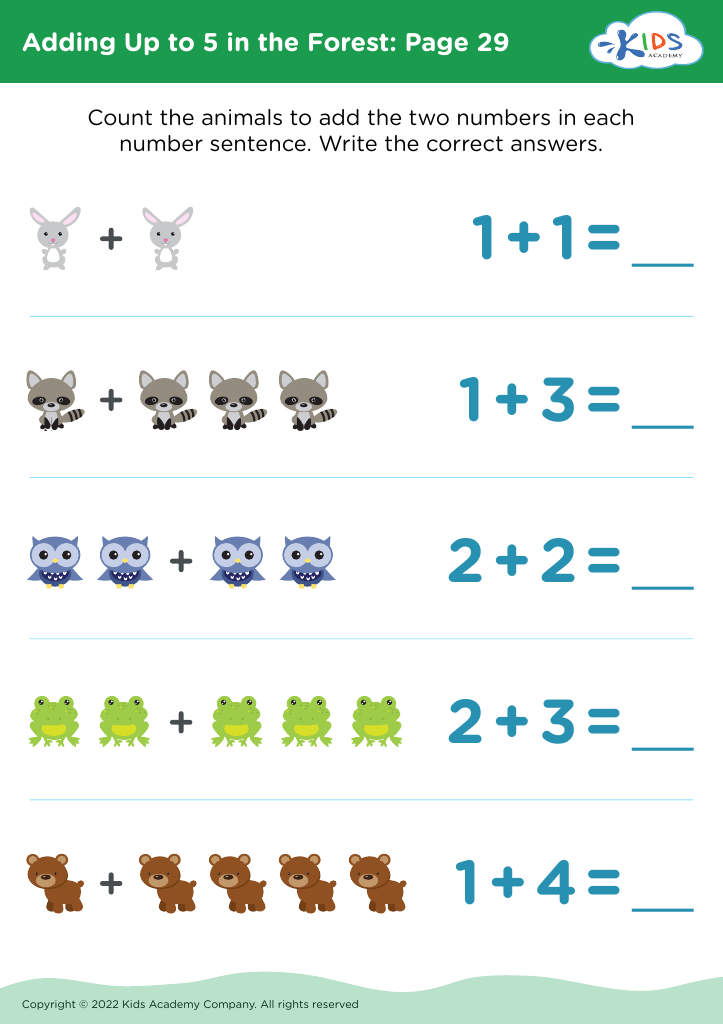
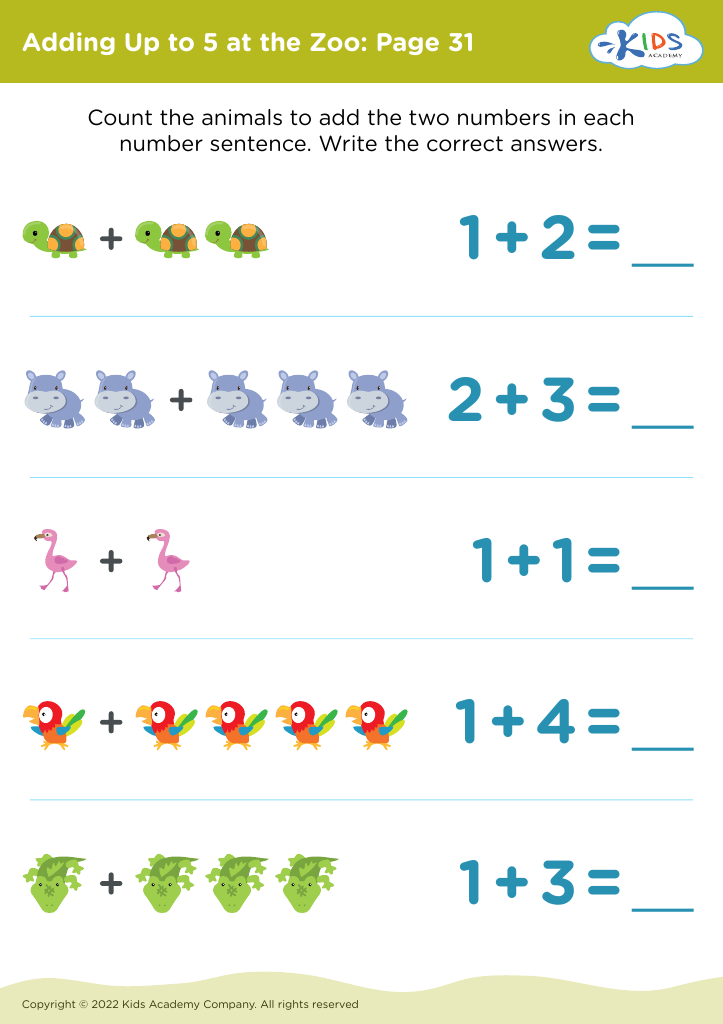
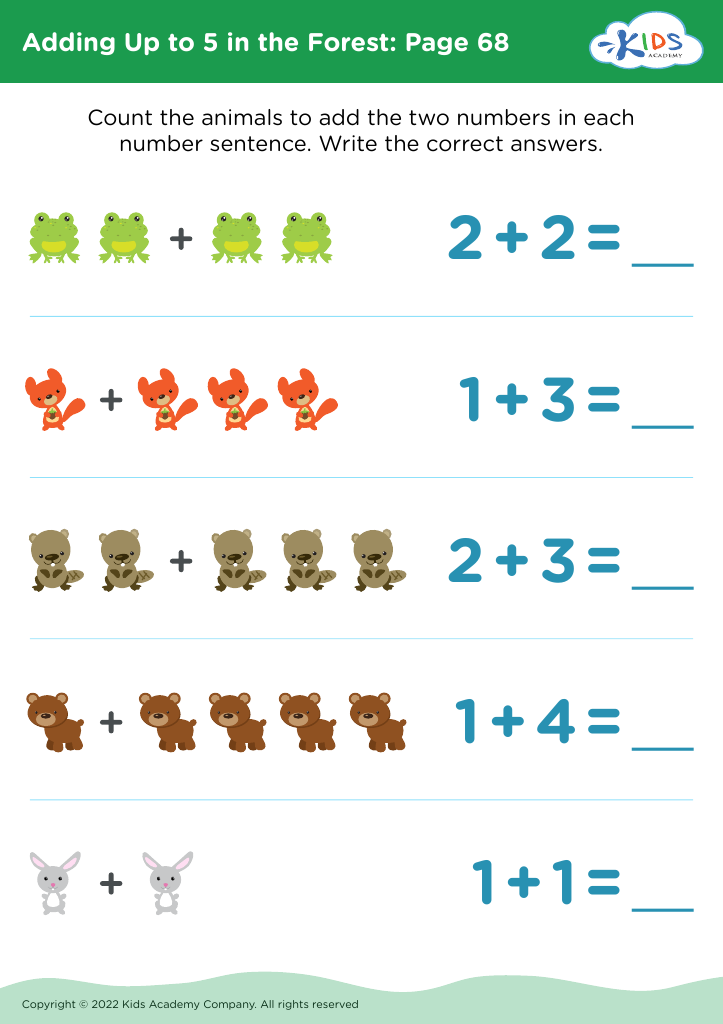
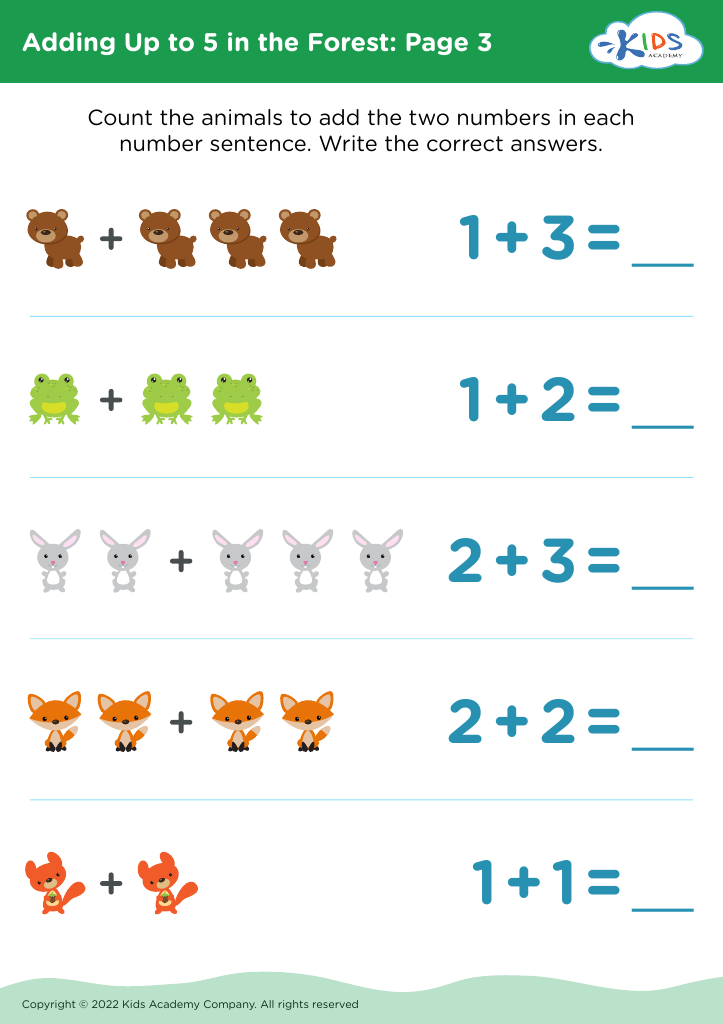
Enhance your child's cognitive development with our Problem-Solving Abilities Addition Worksheets tailored for 3-year-olds. These engaging, age-appropriate worksheets from Kids Academy focus on fostering critical thinking and early math skills, using fun and interactive activities. Each worksheet is designed to make learning addition a joyful and confidence-building experience. By solving simple problems visually, young learners grasp basic concepts, preparing them for more advanced mathematics. Ideal for both classroom and at-home learning, these worksheets provide a solid foundation in problem-solving, ensuring a smooth educational journey. Unlock your child's potential with these creative and effective learning tools today!
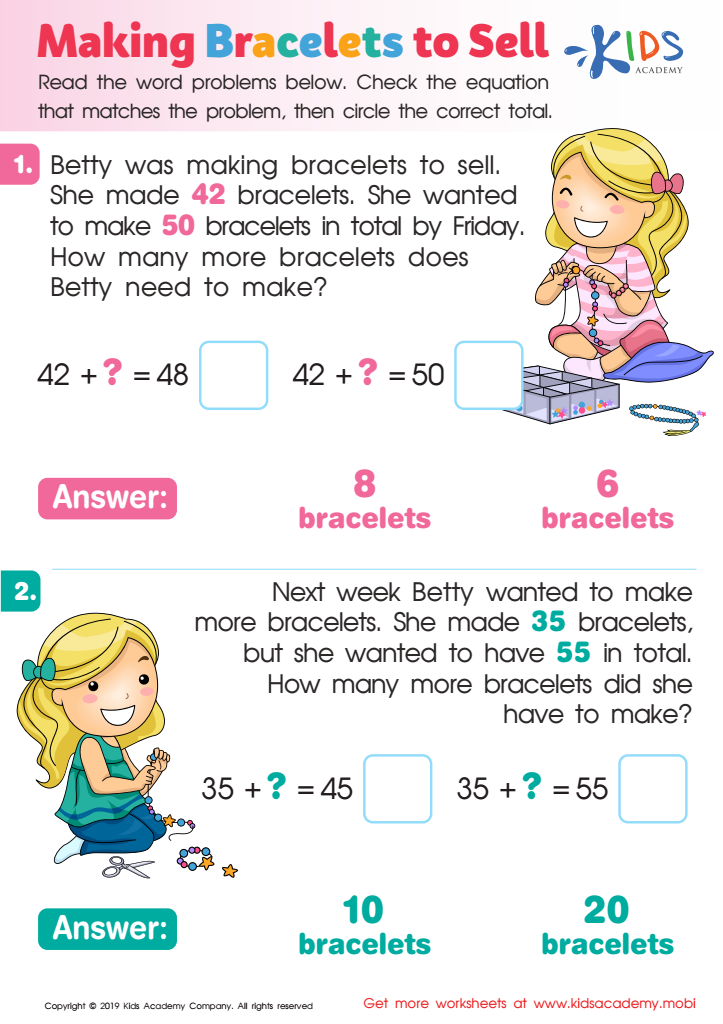
Making Bracelets to Sell Worksheet
 Assign to My Students
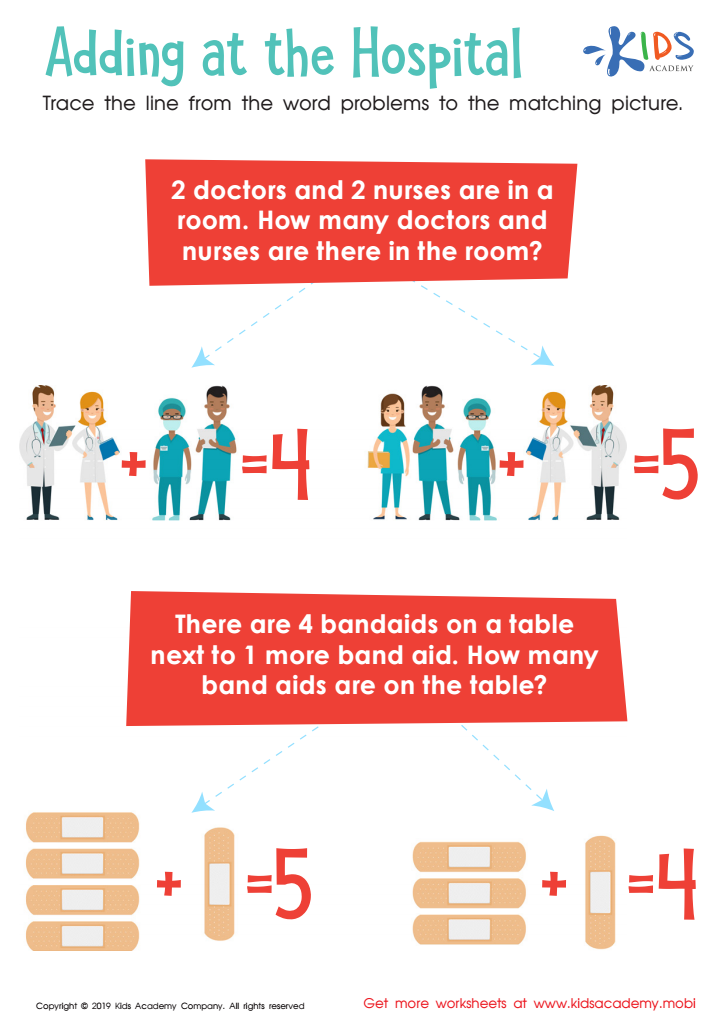
Adding at the Hospital Worksheet





.jpg)


Early problem-solving skills, particularly in math-related areas like addition, are crucial for 3-year-olds as they set the foundation for essential cognitive development. At this age, children are rapidly expanding their understanding of the world, and practicing basic addition helps in structuring their thought processes.
First, mastering addition encourages logical thinking. When children learn to put together small quantities and see how they form a new total, they start grasping the concept of cause and effect, and this boosts their critical thinking capabilities.
Second, these skills foster confidence and independence. When a child successfully solves simple addition problems, it bolsters their self-esteem and motivates them to tackle more complex tasks.
Moreover, addition introduces patterns and structures which are inherent in much of the educational curriculum they will encounter in the future, including disciplines like science, technology, and engineering.
This early exposure also enhances children's future academic success. Studies have shown that early math skills are predictive of later academic achievement more so than early reading skills.
Involving parents in these learning activities promotes parent-child bonding and makes learning a positive, shared experience. Therefore, caring about developing problem-solving abilities, especially in addition, for 3-year-olds is an investment in their holistic growth, helping to cultivate eager, capable, and independent young learners.








