Basic Math Skills Math Worksheets for 3-Year-Olds - Page 3
62 filtered results
-
From - To
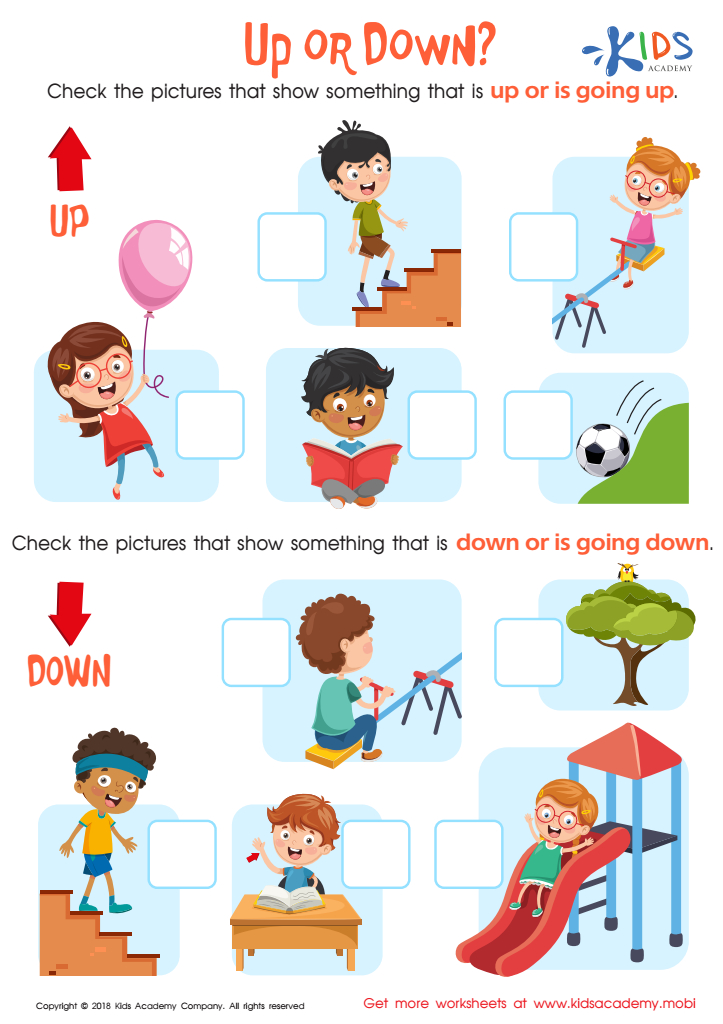
Up or Down Worksheet
 Assign to My Students
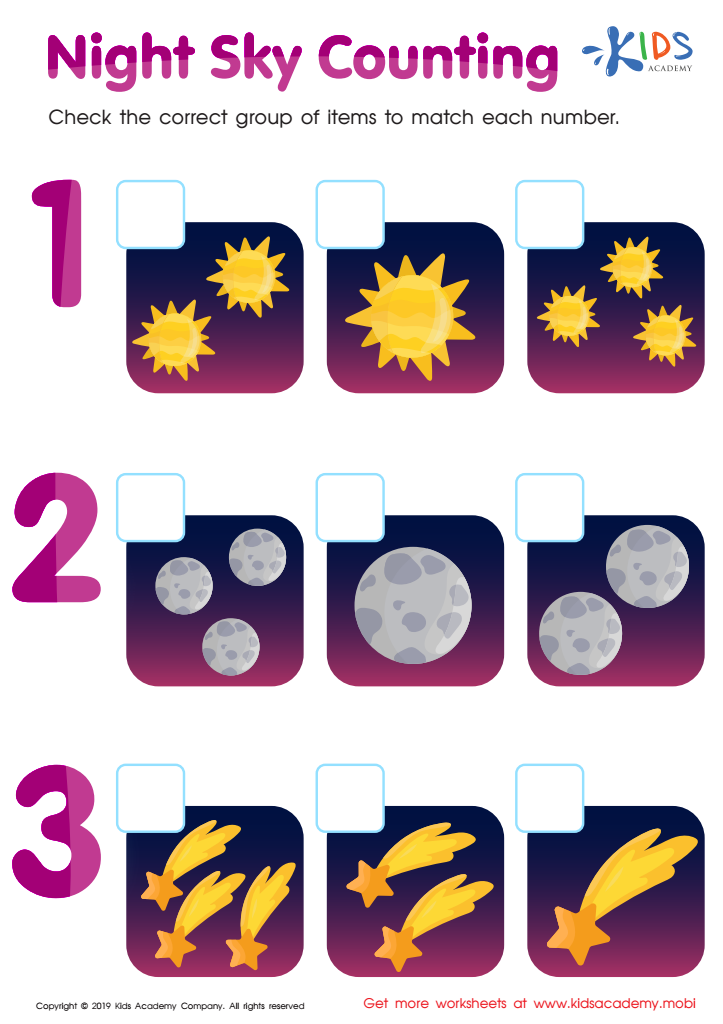
Night Sky Counting Worksheet
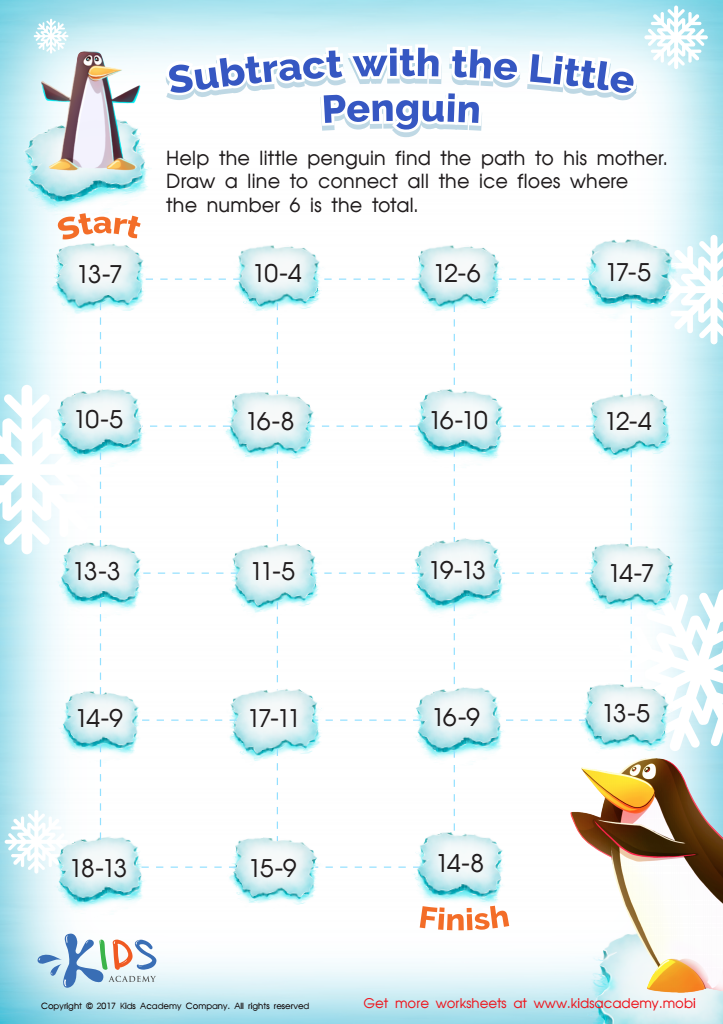
Subtract With The Little Penguin Substraction Worksheet
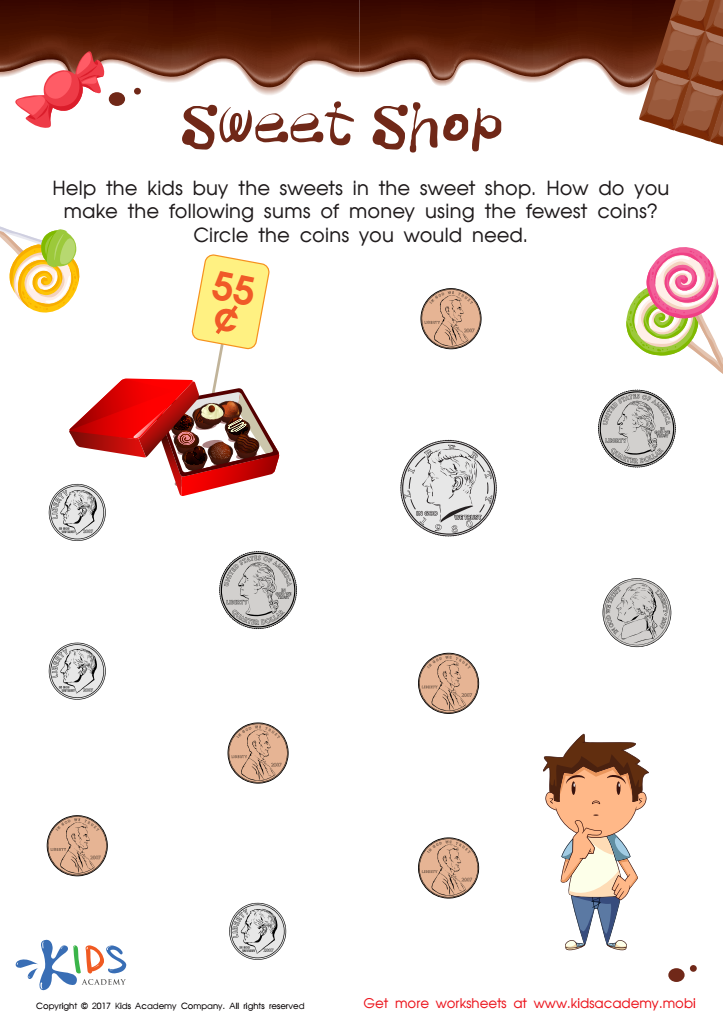
Sweet Shop – Counting Coins Worksheet
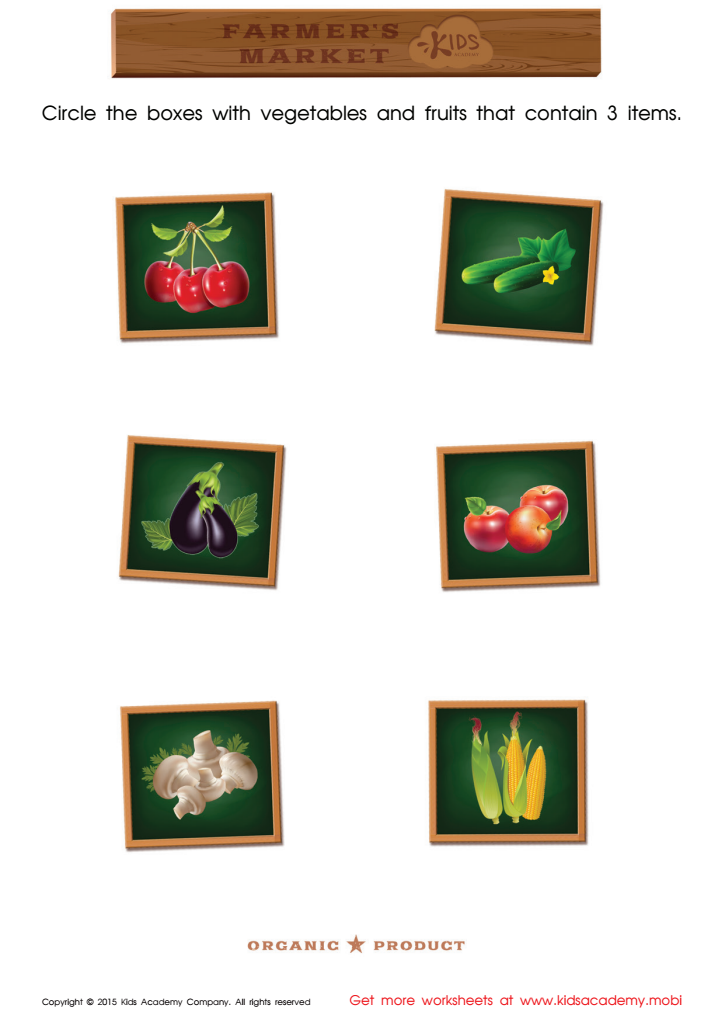
Count and Match Vegetables 1 – 5 Math Worksheet
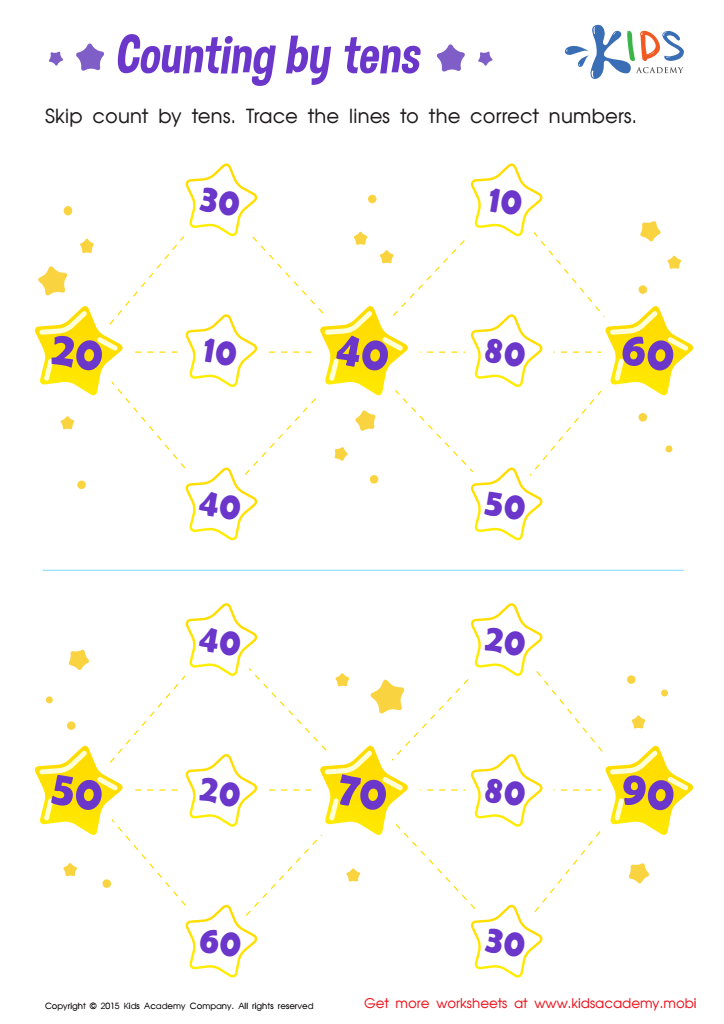
Learn Dozens: Counting by Tens Printable
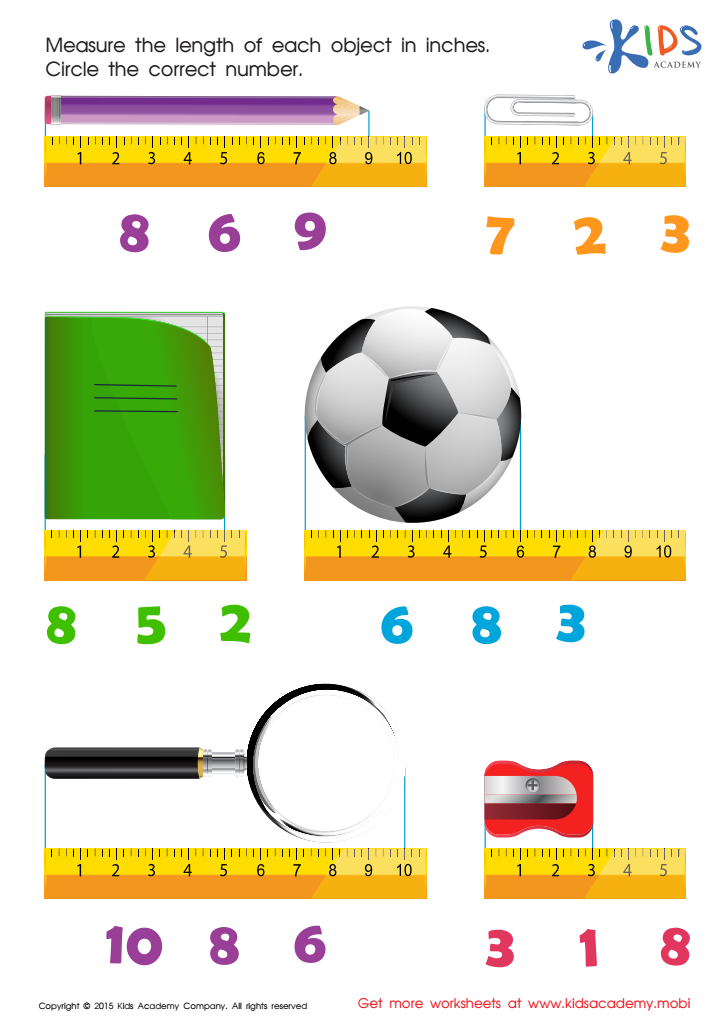
Learning measuring objects in inches Worksheet
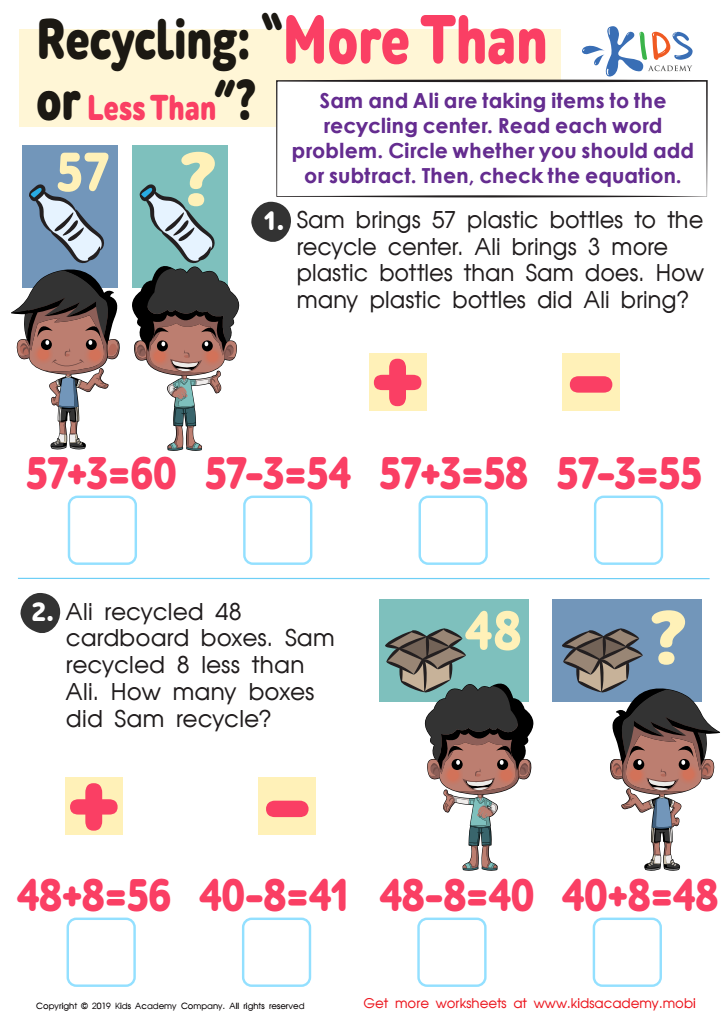
Recycling - More or Less Worksheet
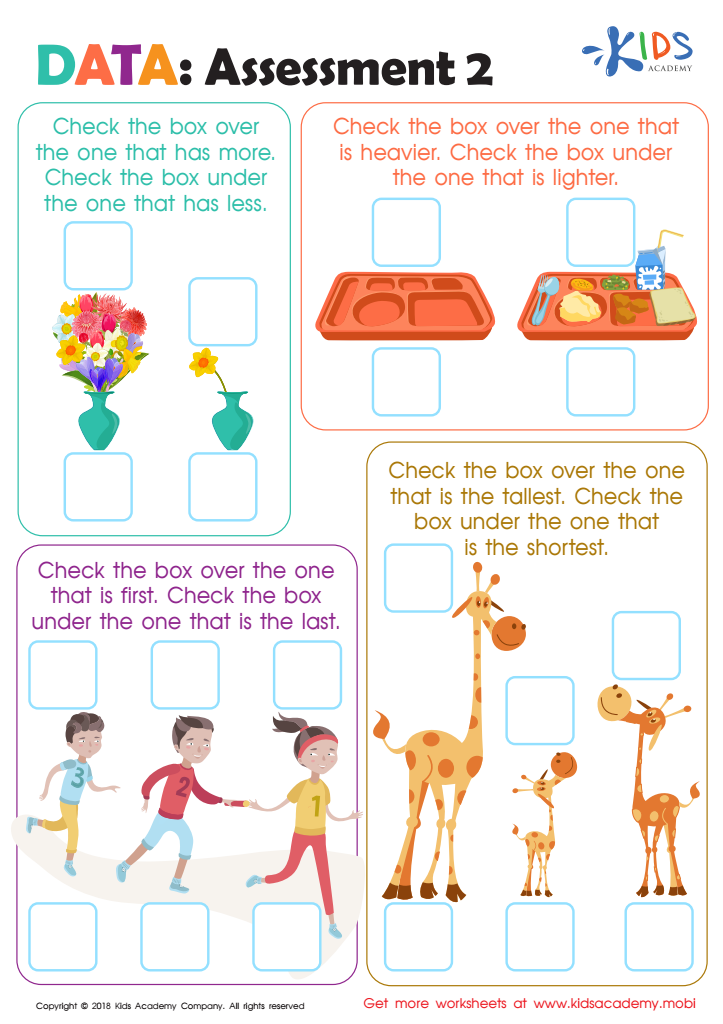
Data: Assessment 2 Worksheet
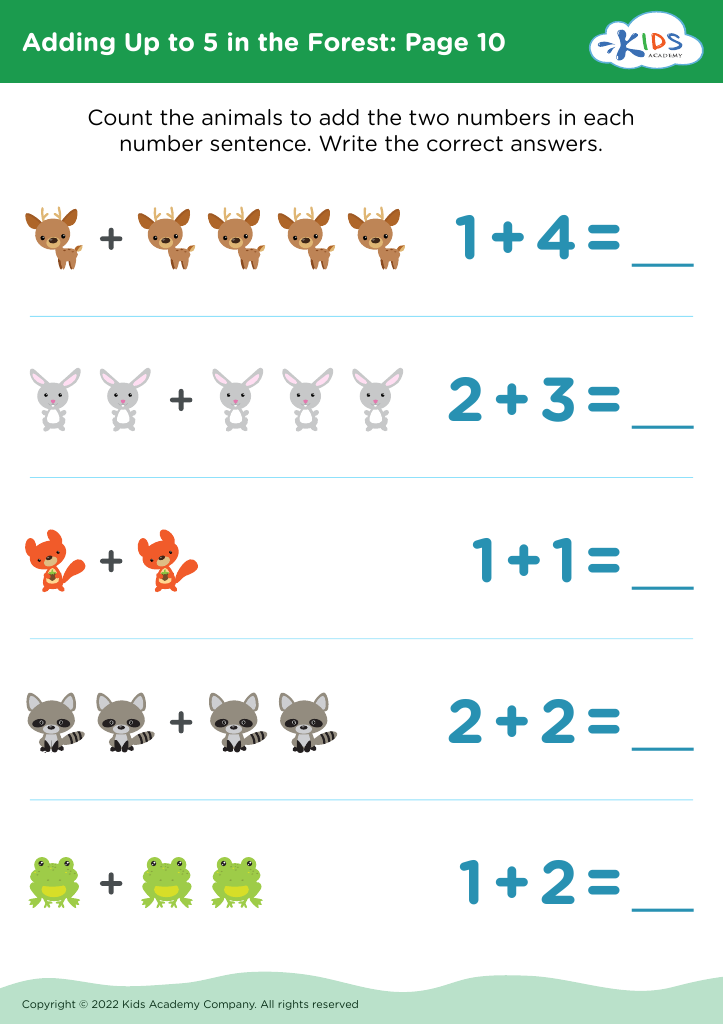
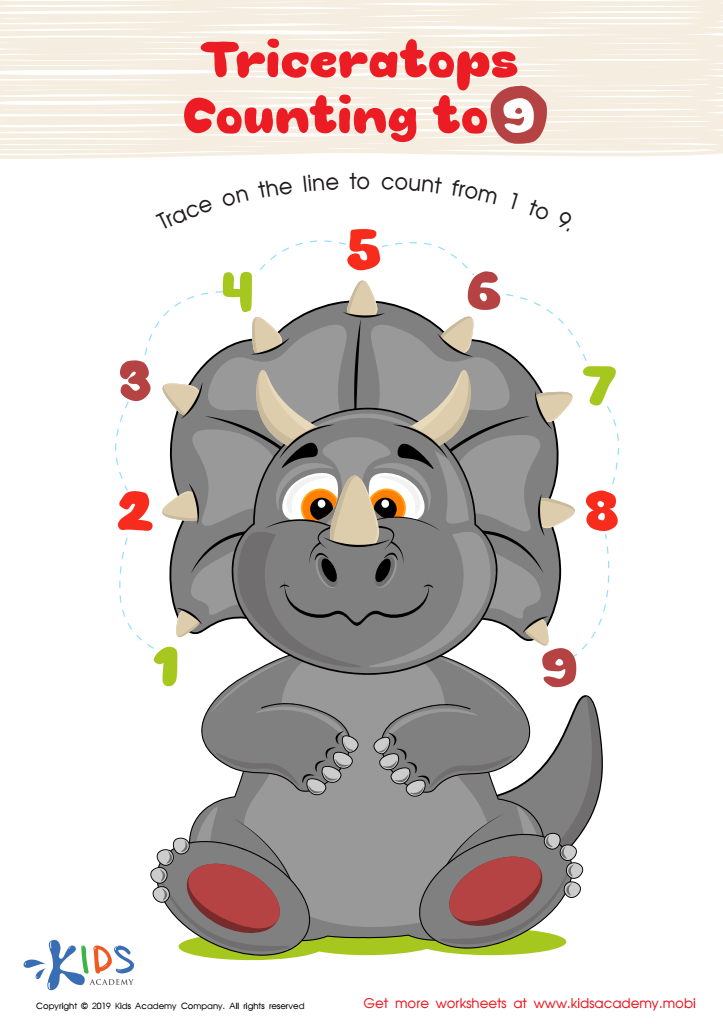
Triceratops Counting to 9 Worksheet


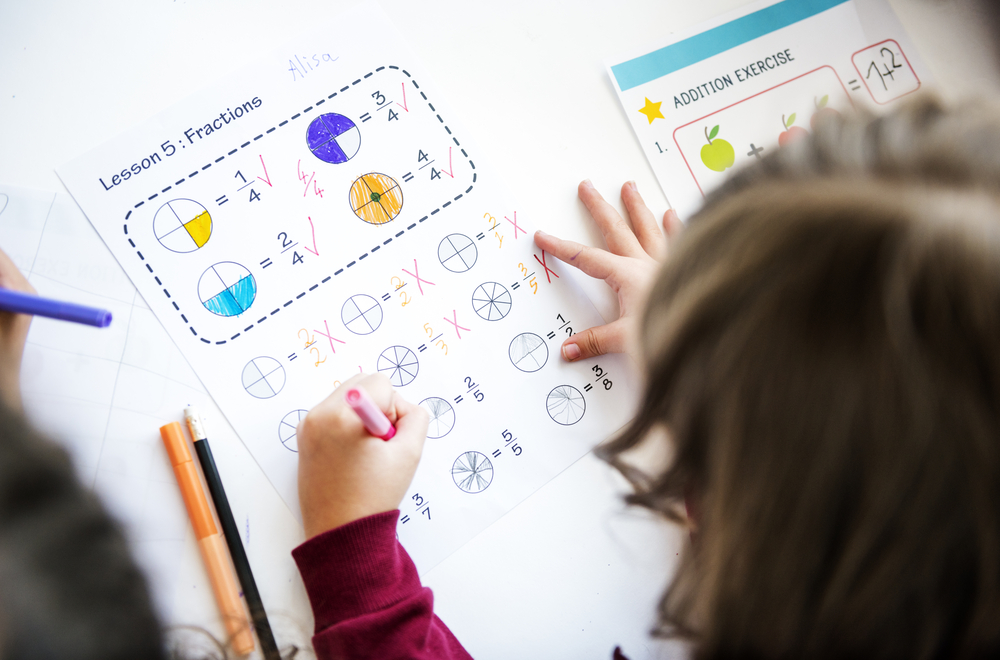





Basic math skills are foundational to a child's overall development and future learning. For three-year-olds, engaging with math concepts helps nurture critical thinking, problem-solving abilities, and cognitive skills. At this age, children are naturally curious and eager to explore the world around them, making it an ideal time to introduce math through play and everyday activities.
Parents and teachers should care about basic math skills because these foundational concepts set the stage for later academic success. Skills like counting, recognizing patterns, and understanding simple shapes support not only numerical fluency but also language development and spatial awareness. Early exposure to math provides opportunities for children's imaginations and creativity, as they learn to categorize, compare, and analyze their surroundings.
Additionally, strong math skills help build a child's confidence and resilience as they face challenges. When children can grasp simple math concepts, they're more likely to engage enthusiastically in learning experiences. Supporting early math learning fosters a love of learning and reduces future math anxiety. Ultimately, prioritizing basic math skills in young children leads to greater academic achievement and promotes lifelong learning habits, thus emphasizing the role that both parents and teachers play in cultivating these essential skills.








