Basic Math understanding Math Worksheets for 3-Year-Olds
9 filtered results
-
From - To
Unlock your child's potential with our Basic Math Understanding Math Worksheets for 3-Year-Olds! These thoughtfully designed printables introduce young learners to foundational math concepts in a fun and engaging way. Through colorful and interactive activities, children will develop essential skills like number recognition, counting, sorting, and pattern identification. Each worksheet aims to make learning an enjoyable experience, encouraging early interest in math. Perfect for parents and educators seeking to boost preschoolers' confidence and understanding of basic math, our worksheets lay the groundwork for future academic success. Start your child's journey to math mastery today!
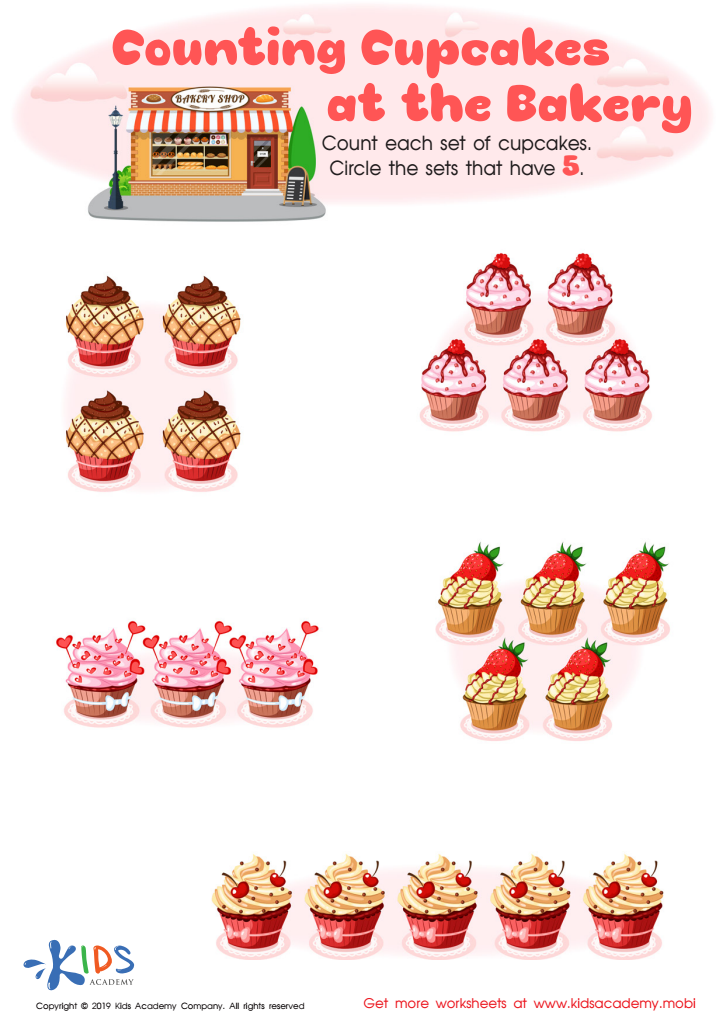
Counting Cupcakes Worksheet
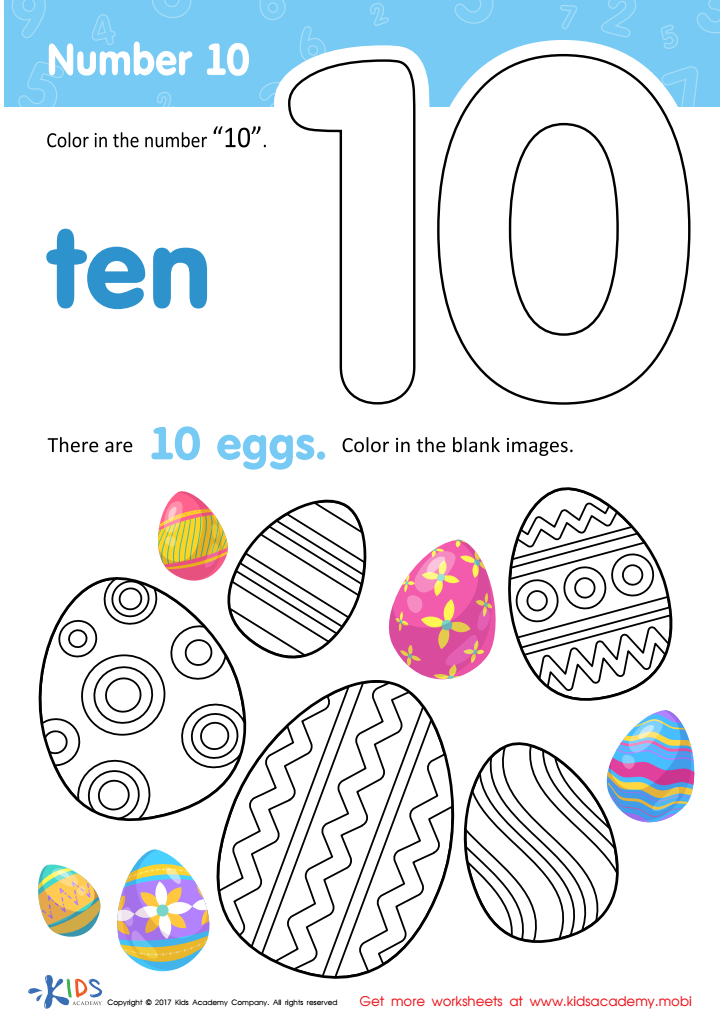
Number 10 Printable
 Assign to My Students
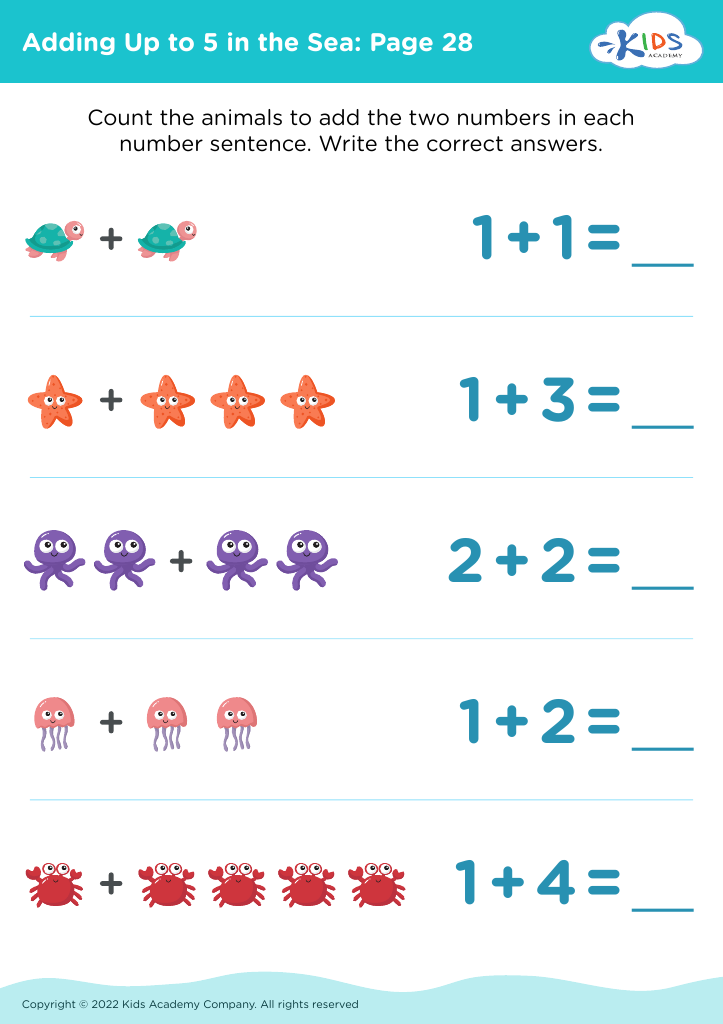
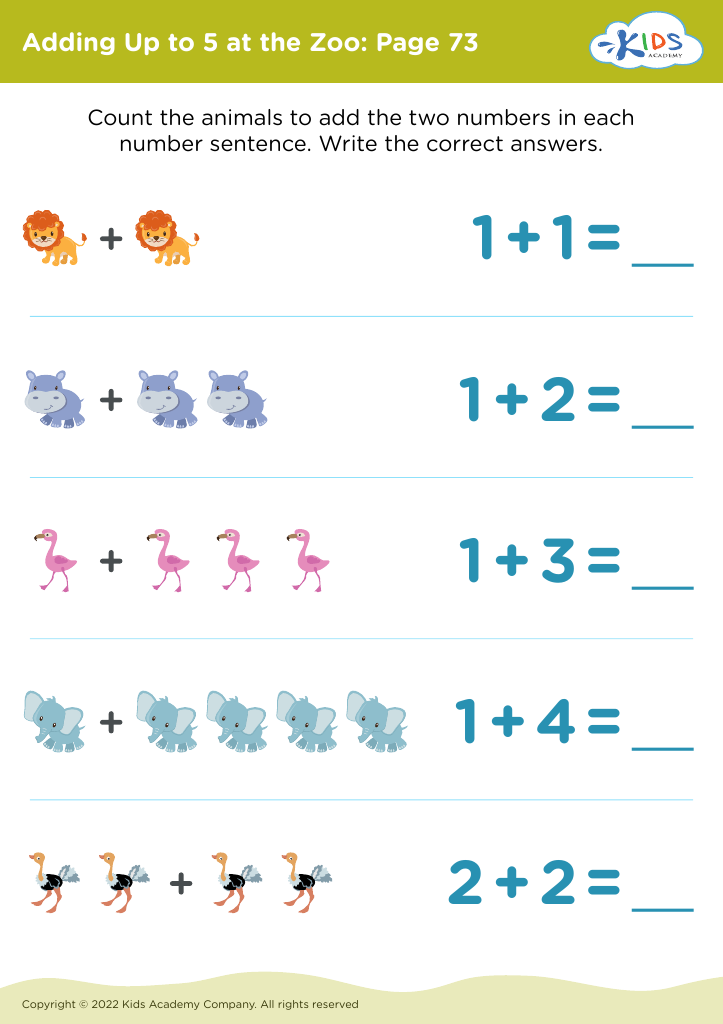
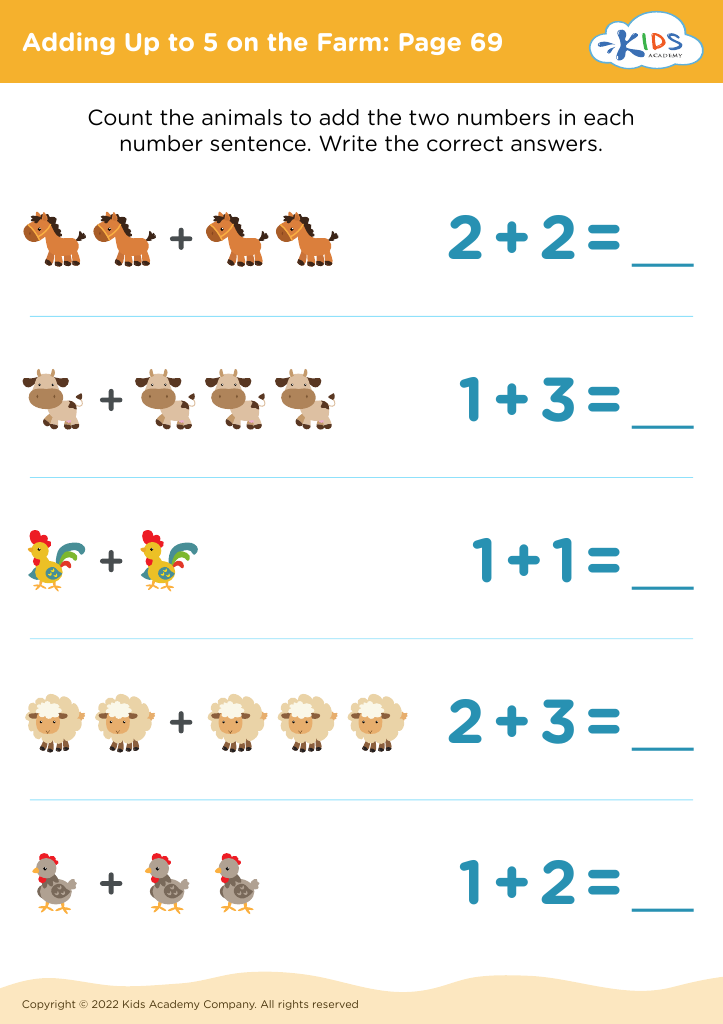
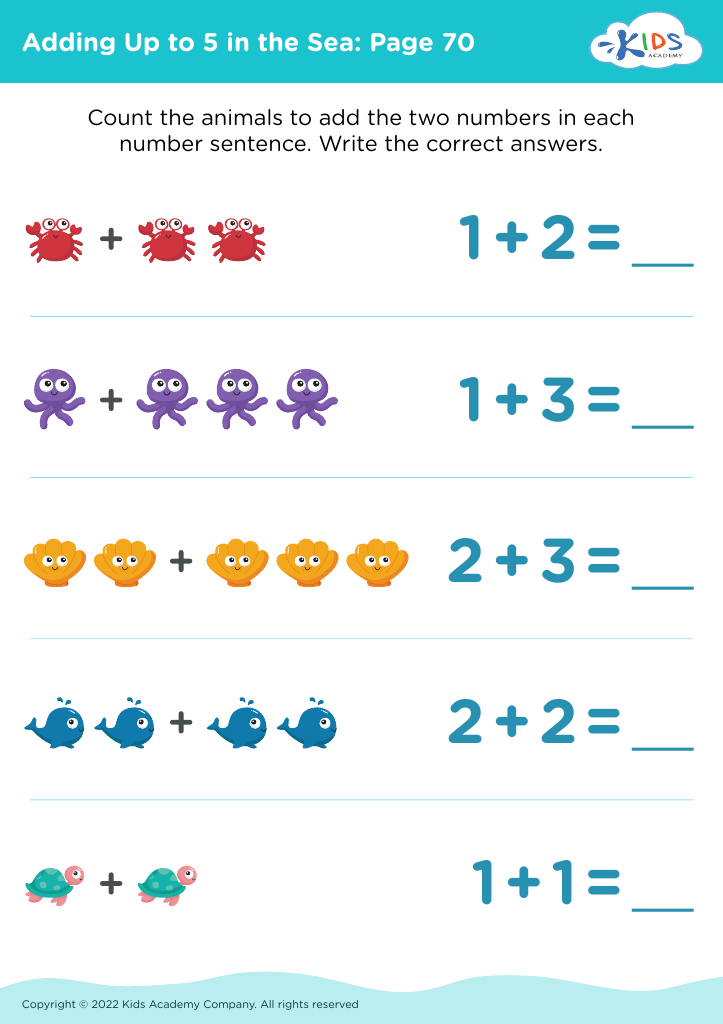
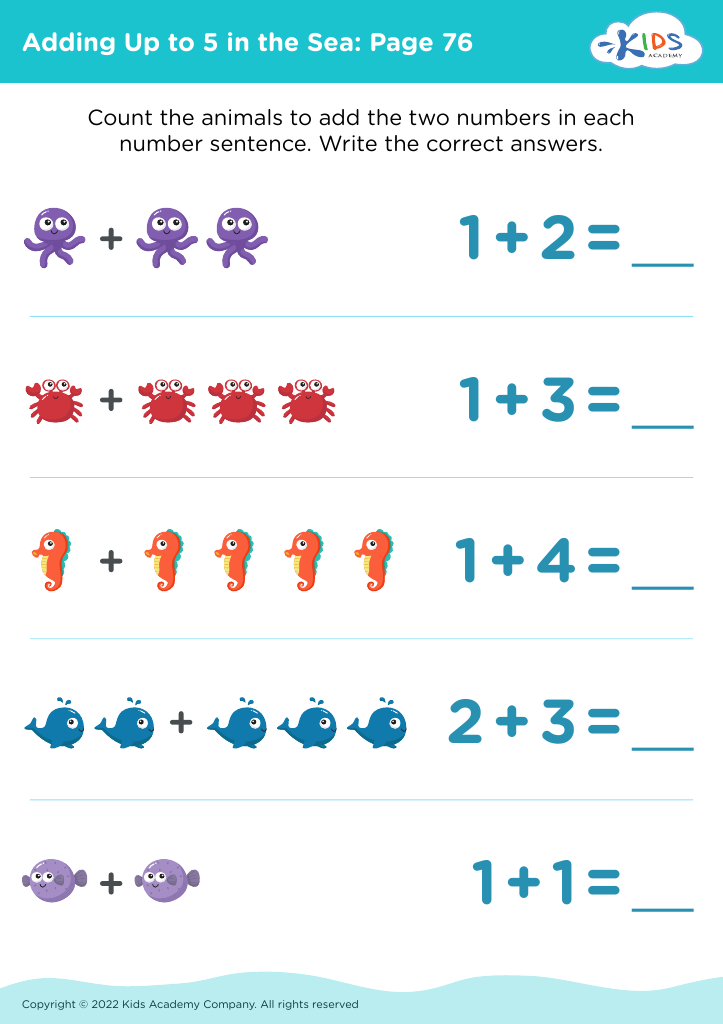
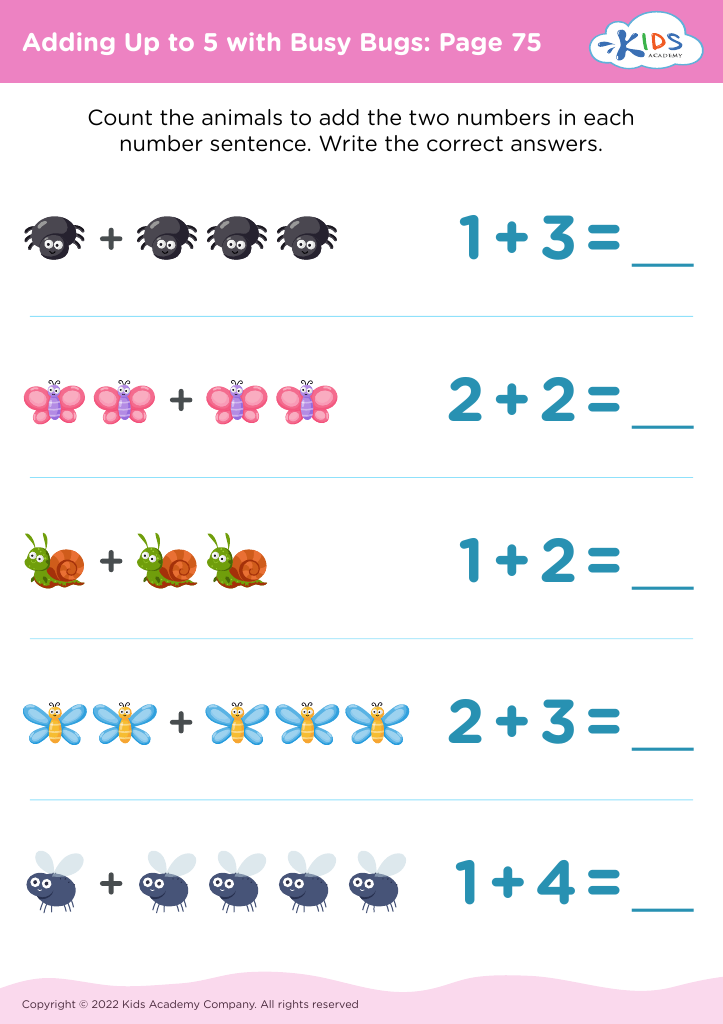
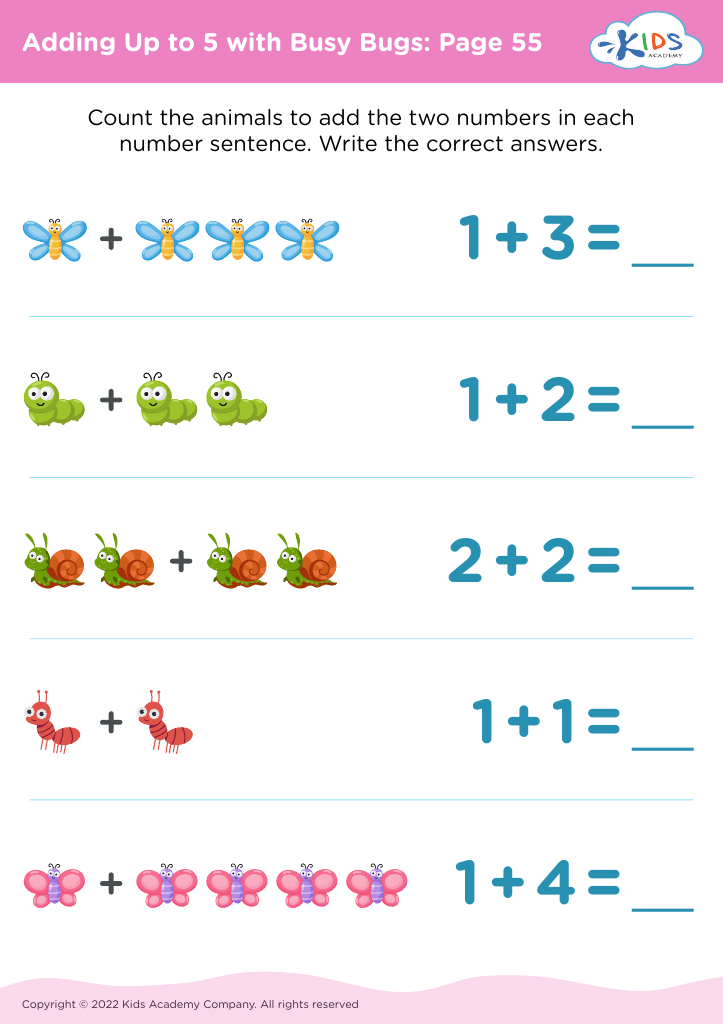








Parents and teachers should care about basic math understanding for 3-year-olds because early exposure to math concepts lays a solid foundation for future learning. At this formative age, children's brains are highly receptive, and introducing them to basic math concepts like counting, shapes, and patterns can significantly boost their cognitive development. Early math skills help children develop critical thinking, problem-solving abilities, and logical reasoning, which are not only vital for math but for learning in general.
Basic math understanding also aids in the development of spatial awareness and fine motor skills. Activities involving sorting, stacking, and recognizing shapes help improve hand-eye coordination and the ability to manipulate objects. Additionally, early math experiences allow children to feel comfortable and confident with numbers and patterns, reducing the apprehension they might otherwise develop towards math in later years.
Parental and teacher involvement in early math education can make learning both fun and effective. Using games, storytelling, and everyday activities to foster a love for math encourages a positive and enthusiastic attitude. This engagement not only strengthens their academic skills but also enhances the bonds between children and their caregivers, making learning a collaborative and enjoyable experience.








