Logical thinking development Math Worksheets for 3-Year-Olds
4 filtered results
-
From - To
Discover our engaging Math Worksheets designed specifically for 3-year-olds to develop their logical thinking skills! These fun, interactive worksheets introduce fundamental math concepts while encouraging critical problem-solving abilities. Activities include sorting shapes, identifying patterns, and counting exercises, all tailored to enhance cognitive development. Perfect for preschool settings or at-home learning, these worksheets foster a love for math and boost confidence in young learners. Our educational resources are easy to use, allowing parents and teachers to track progress and support each child's unique learning journey. Start exploring our rich collection today and give your child a head start in logical reasoning!
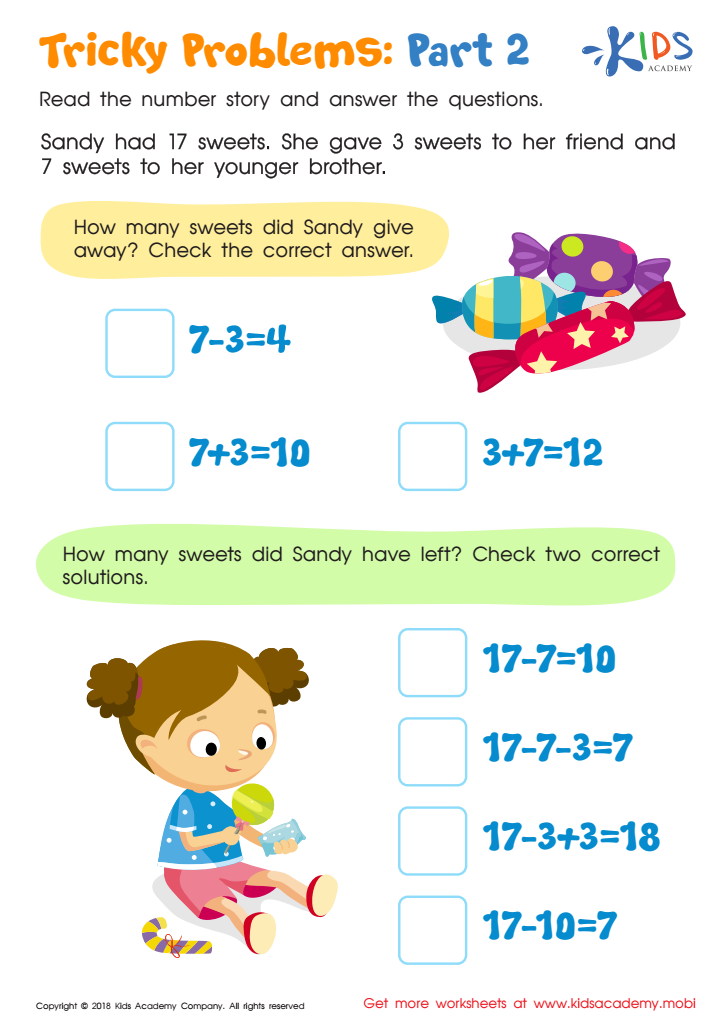
Tricky Problems Worksheet: Part 2
 Assign to My Students
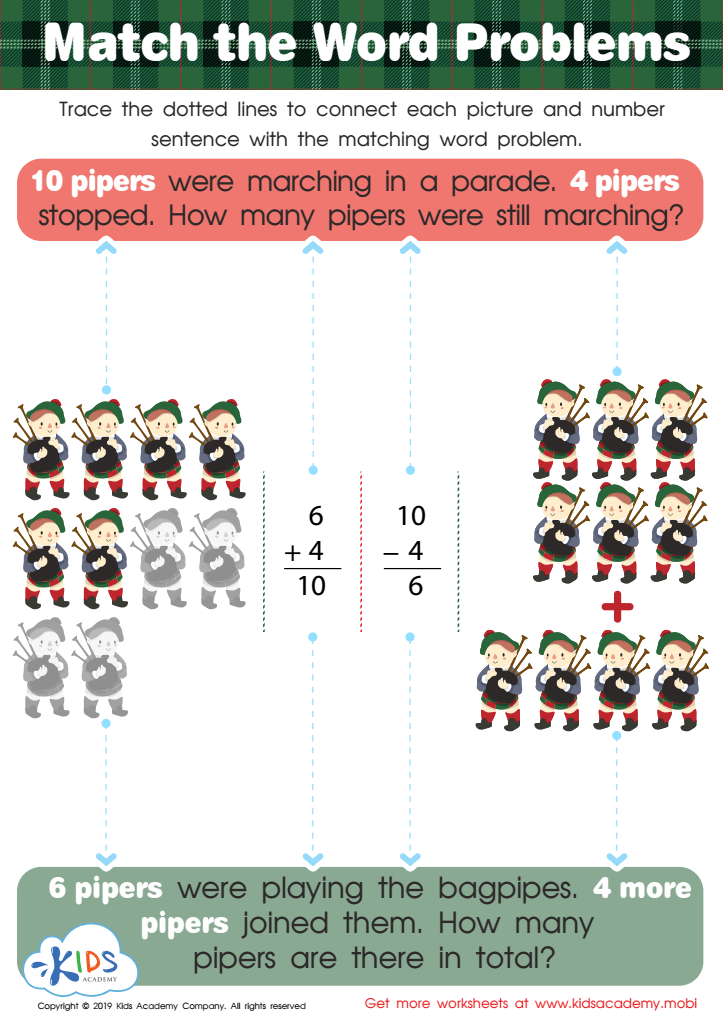
Match the Word Problems Worksheet
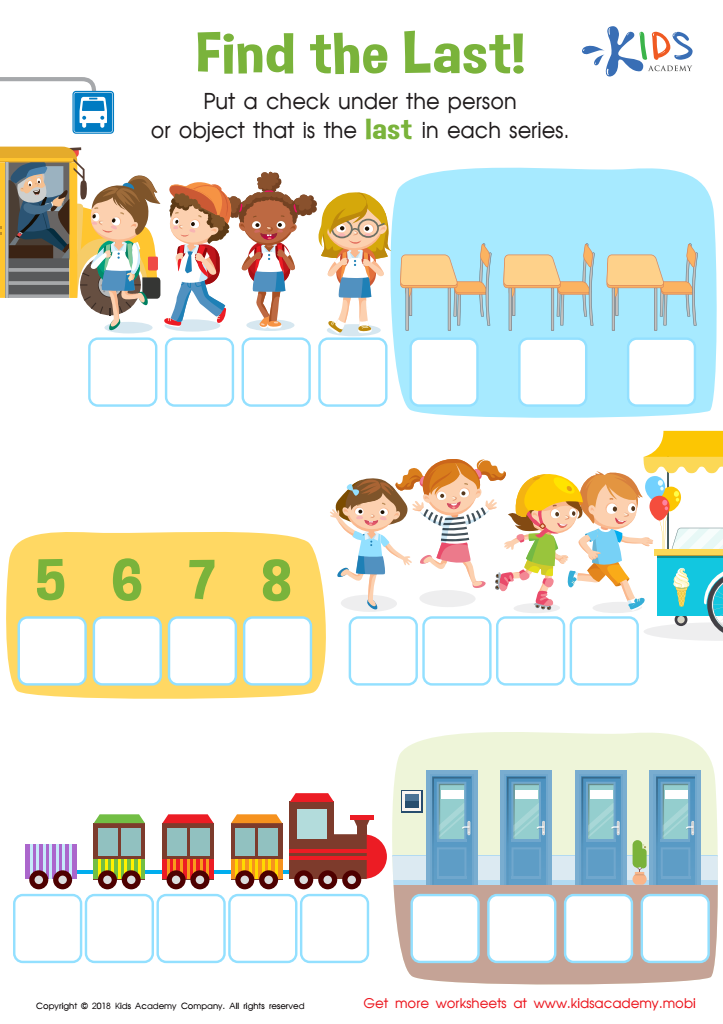
Find the Last! Worksheet
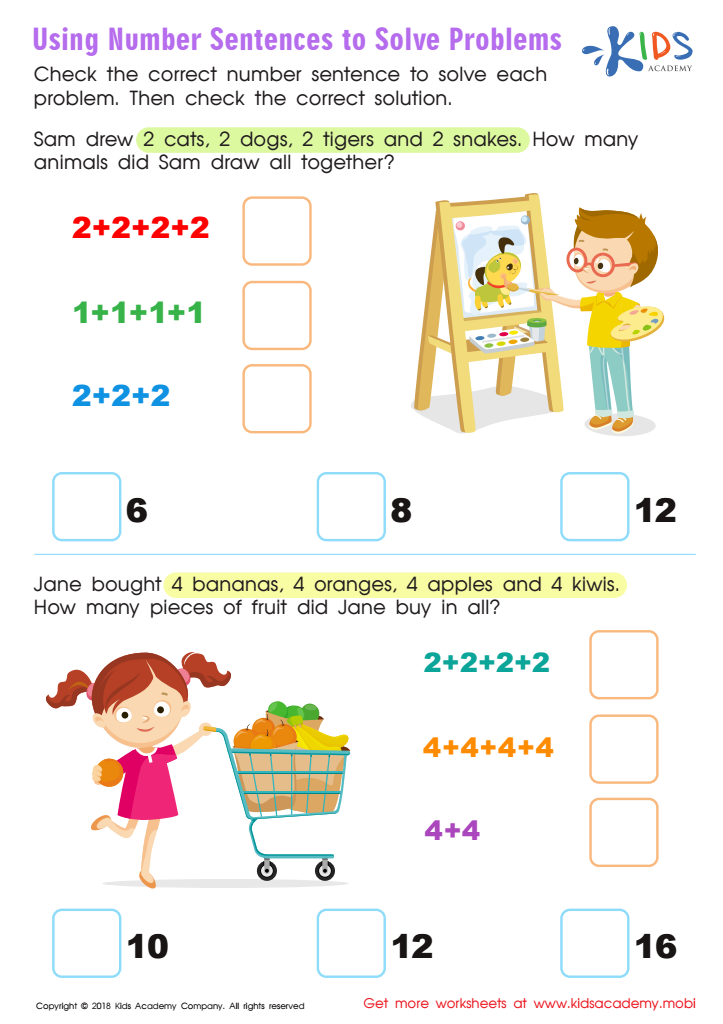
Using Number Sentences to Solve Problems Worksheet



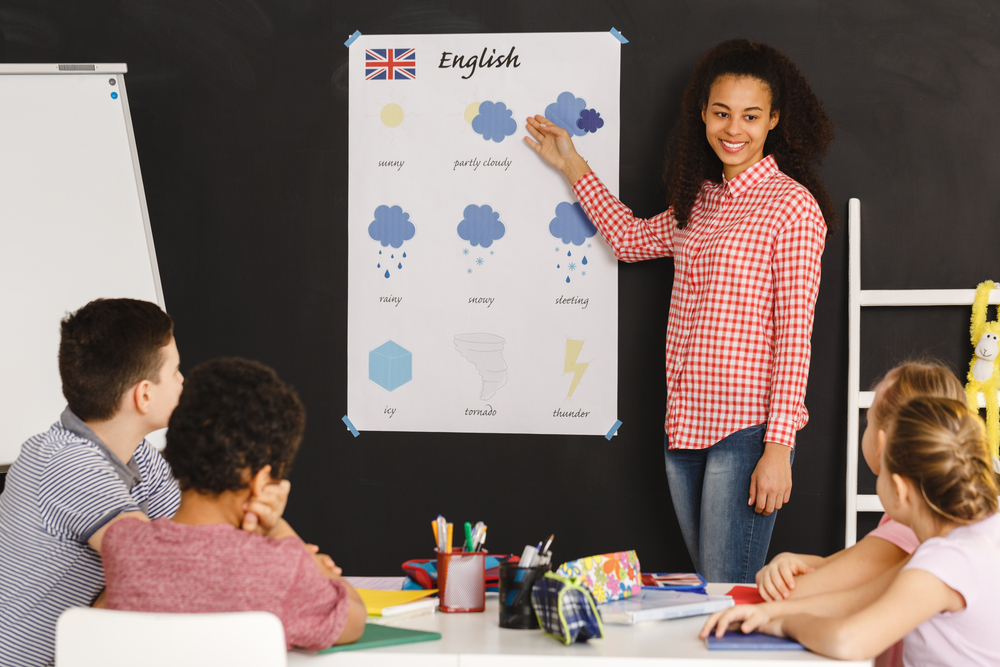




Encouraging logical thinking development through math for 3-year-olds is crucial as it lays the foundation for a child’s cognitive growth. At this young age, children are naturally curious and eager to explore their environment. Engaging them in math-related activities fosters problem-solving skills, critical thinking, and the ability to make connections between concepts, all of which are vital for later academic success.
Logical thinking helps children navigate everyday situations, enabling them to discern patterns, categorize objects, and understand sequences. Activities like sorting toys, counting everyday items, or solving simple puzzles teach them to think systematically. This early exposure to math also enhances their language skills as they learn to express their thoughts about number relationships and shapes.
Furthermore, strong logical thinking skills contribute to confidence in tackling challenges and making decisions. If educators and parents prioritize these developmental milestones, they prepare children for more complex mathematical concepts in the future. By creating a supportive environment that values creative exploration and play, adults can nurture a lifelong love for math, establishing essential skills that benefit academic performance across diverse subjects. Ultimately, investing in the logic and math skills of young children promotes overall intellectual growth and equips them for lifelong learning.








