Math fluency Math Worksheets for 3-Year-Olds
3 filtered results
-
From - To
Unlock your child's potential with our engaging math fluency worksheets designed specifically for 3-year-olds! These fun-filled resources help young learners build a solid foundation in essential math skills, including number recognition, counting, and basic addition and subtraction. Our colorful, interactive worksheets make learning enjoyable, fostering a love for math from an early age. Each activity is carefully crafted to suit the developmental needs of preschoolers, promoting cognitive growth through playful learning. Browse our collection now and watch your child thrive as they develop confidence and fluency in math concepts, preparing them for future success in their educational journey!
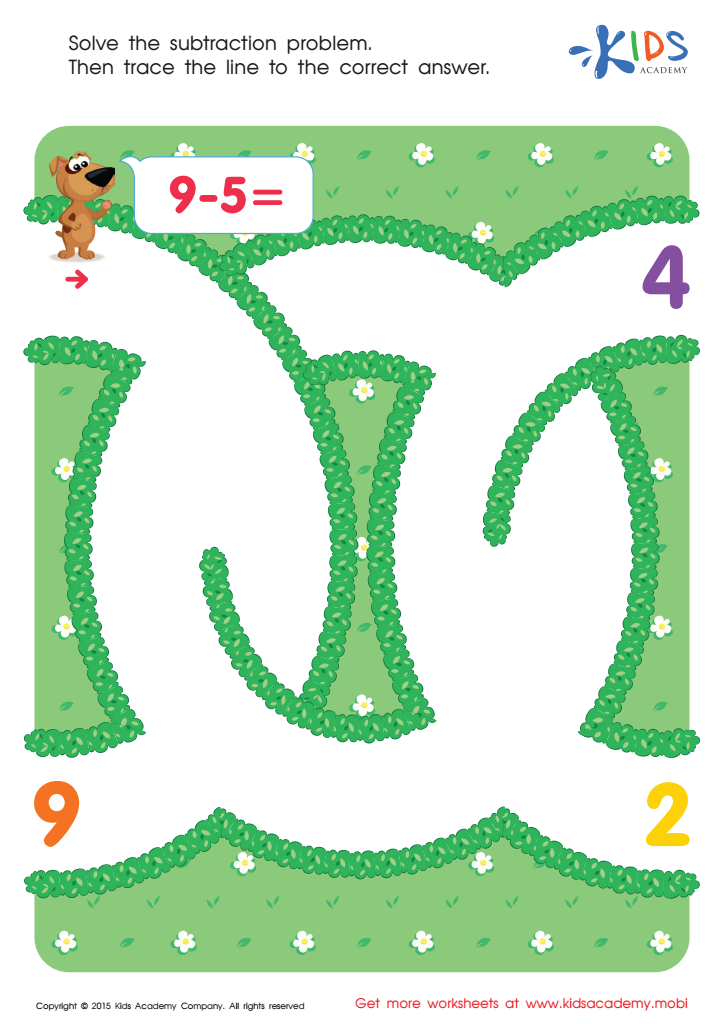
Subtraction Nine And Five Worksheet
 Assign to My Students
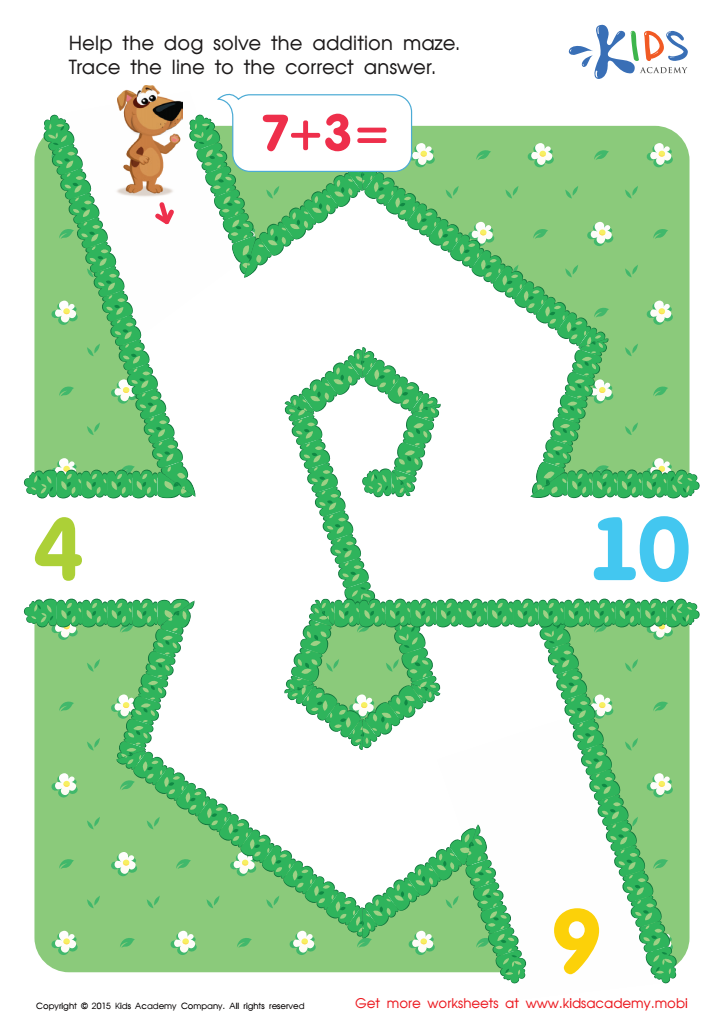
Seven Plus Three Worksheet
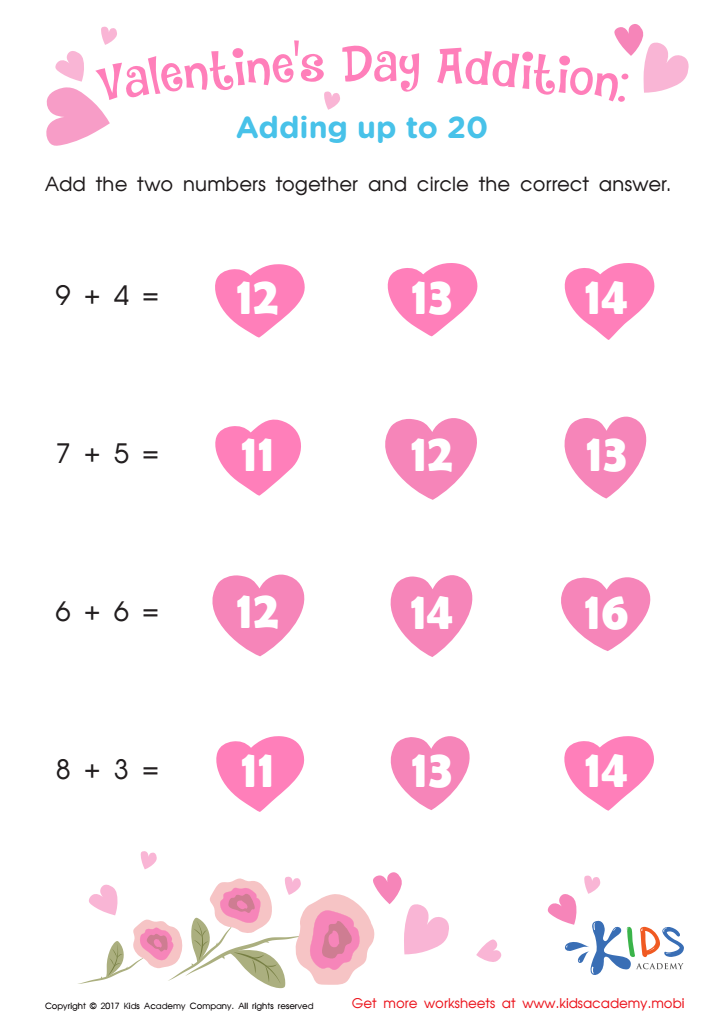
Valentine's Day Addition Worksheet








Math fluency in three-year-olds is crucial for several reasons. Firstly, it provides a foundation for early numeracy skills, which are essential for future math learning. At this age, children begin to understand basic concepts such as counting, simple addition and subtraction, and spatial awareness. This early familiarity with math helps them develop a positive attitude toward the subject, promoting confidence and reducing math anxiety as they grow.
Additionally, engaging young children in math through play and daily activities enhances their cognitive development. It encourages critical thinking, problem-solving, and logical reasoning. Activities such as sorting toys, counting objects during play, and recognizing shapes stimulate their curiosity and encourage exploration.
Parents and teachers play a vital role in facilitating these experiences. By incorporating math into everyday routines—through songs, games, or storytelling—adults help children see the relevance of math in real life. This bond can foster a lifelong appreciation for learning.
Ultimately, when parents and teachers prioritize math fluency at an early age, they lay the groundwork for academic success and help children become confident, competent learners in all subjects, not just math. This early engagement is essential for supporting overall developmental growth.








