Understanding Quantities Math Worksheets for 3-Year-Olds
42 filtered results
-
From - To
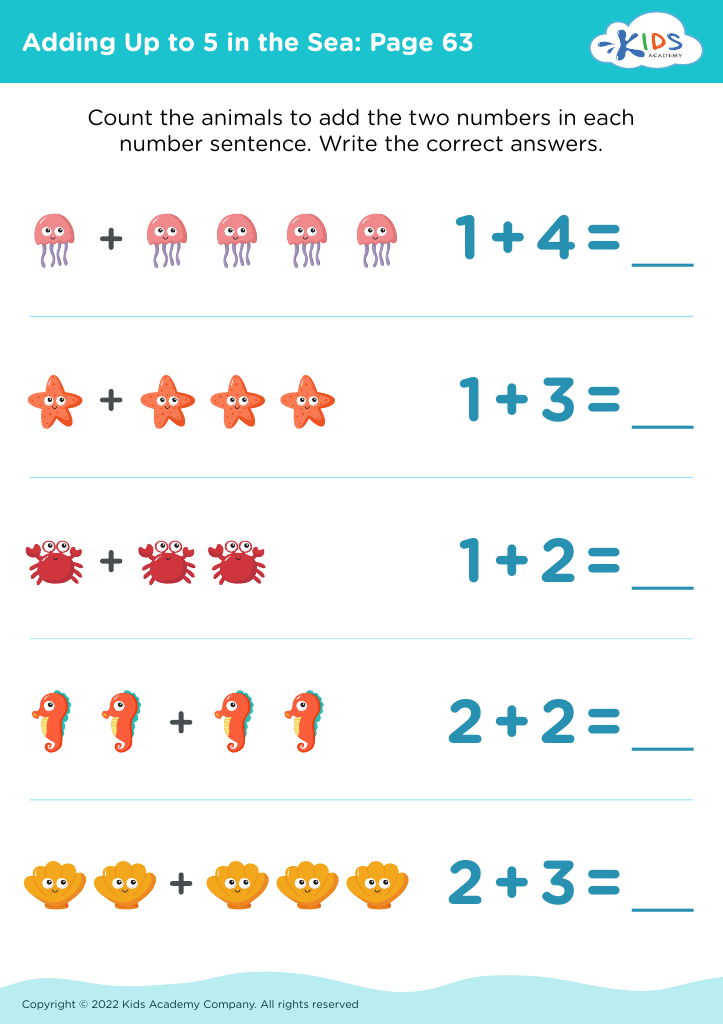
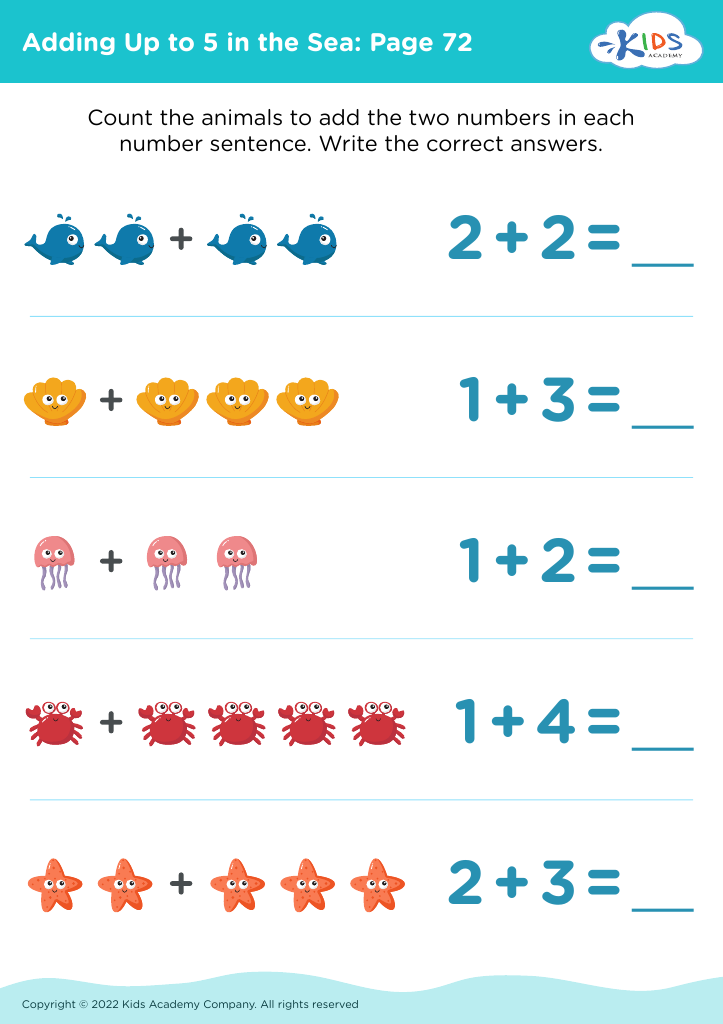
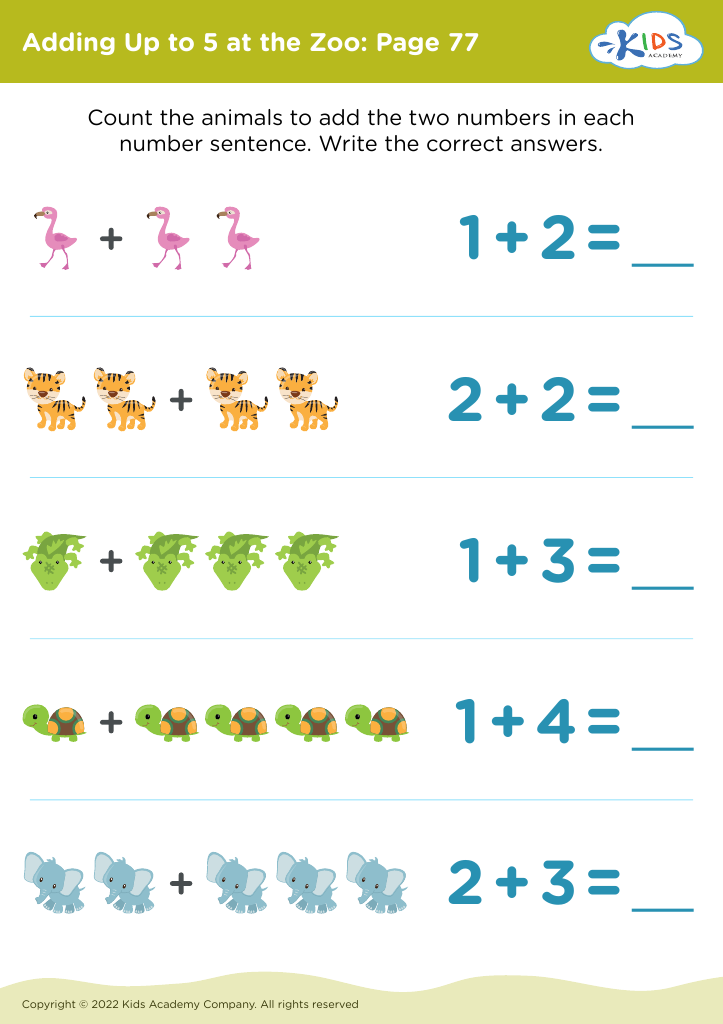
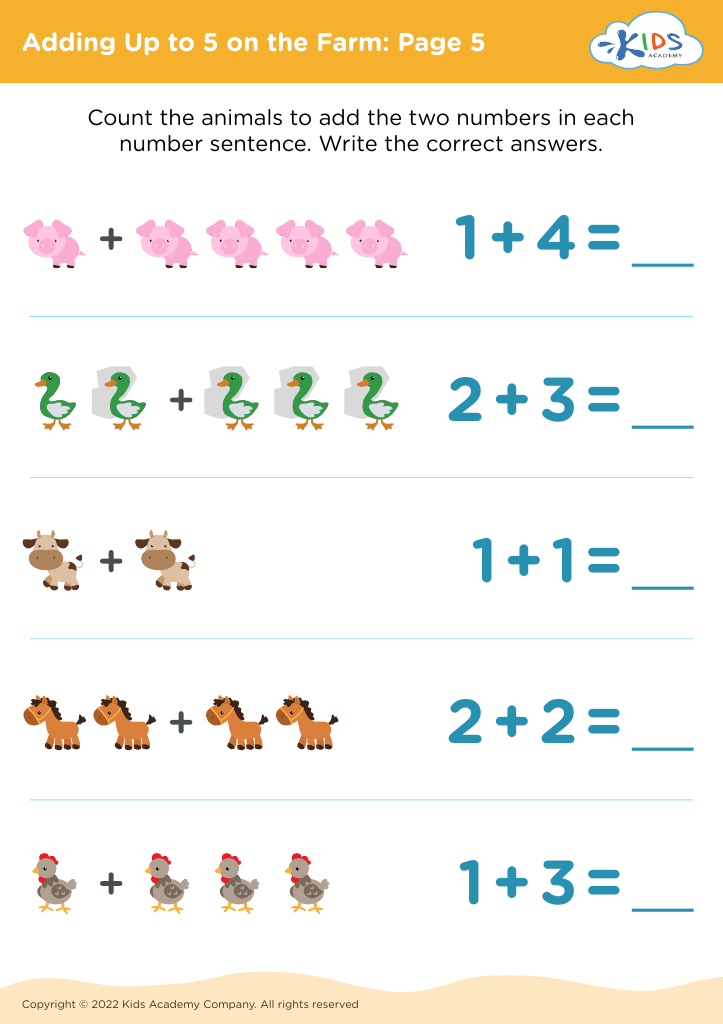
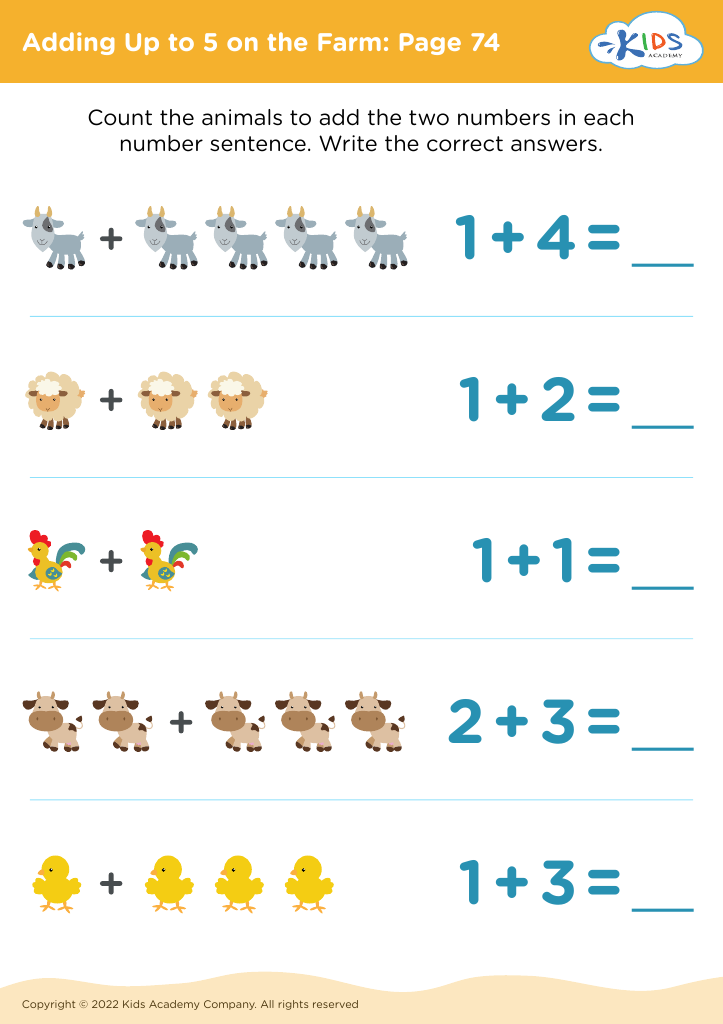
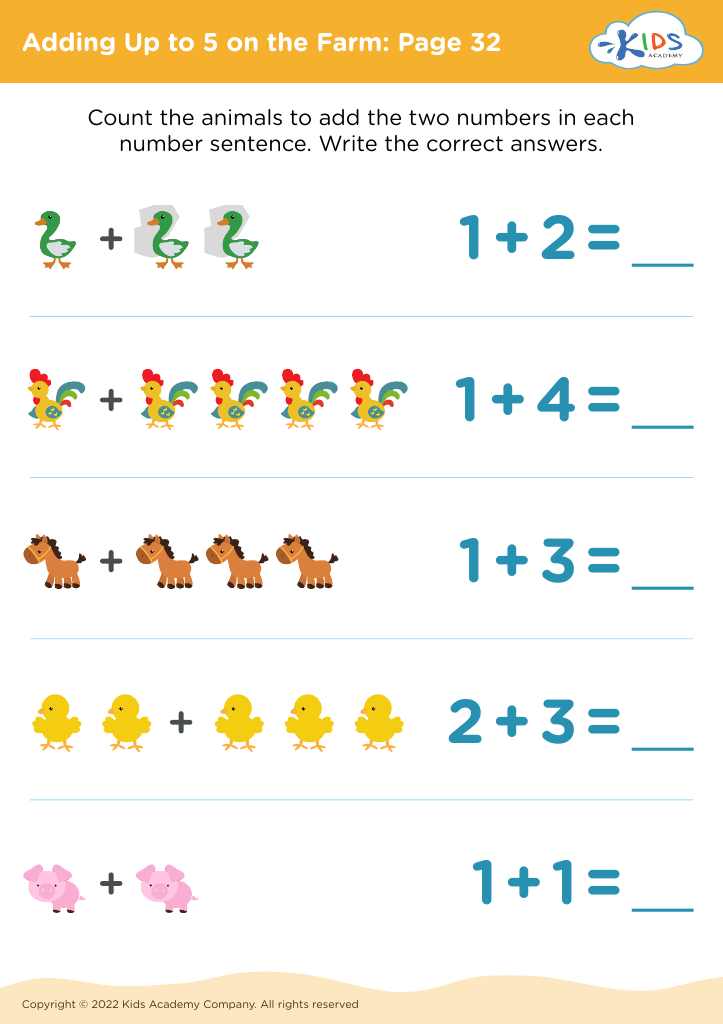
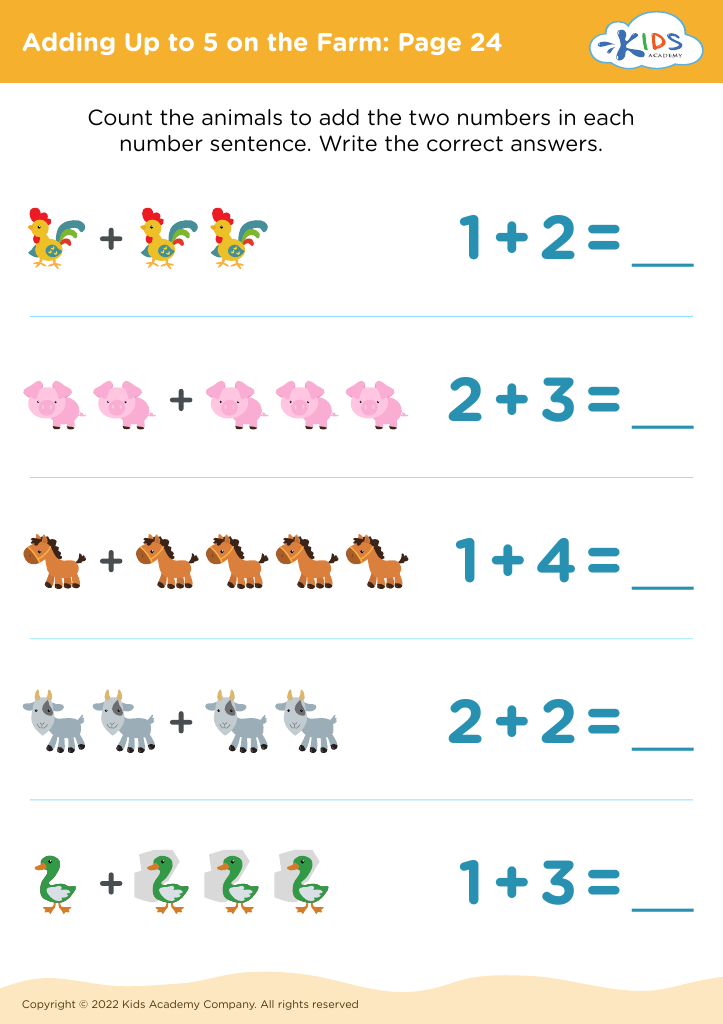
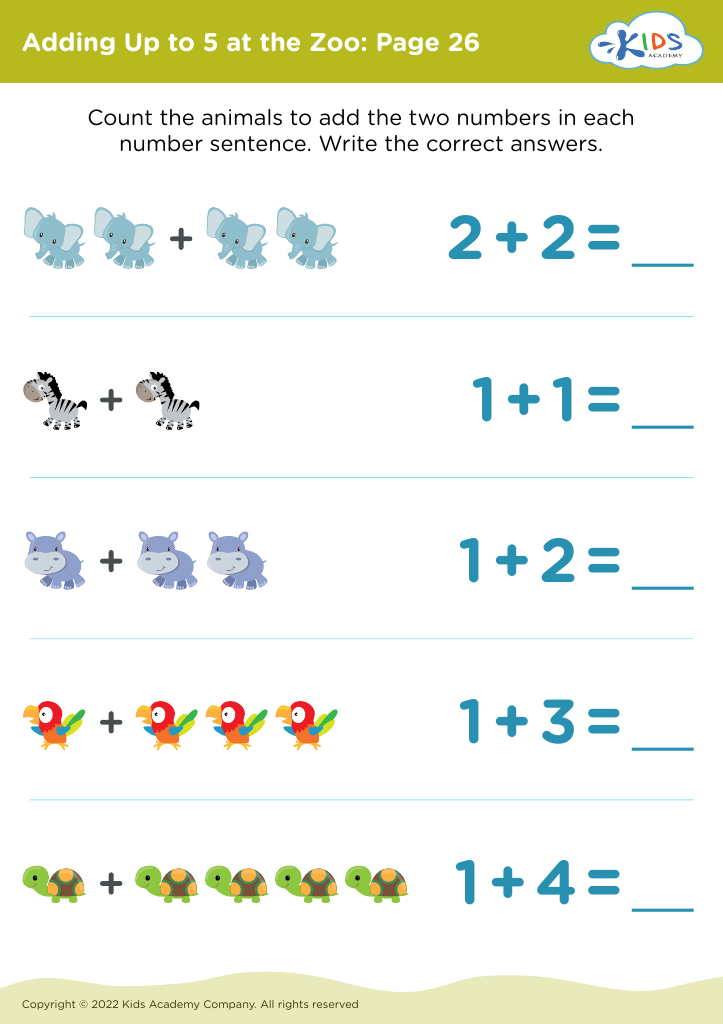
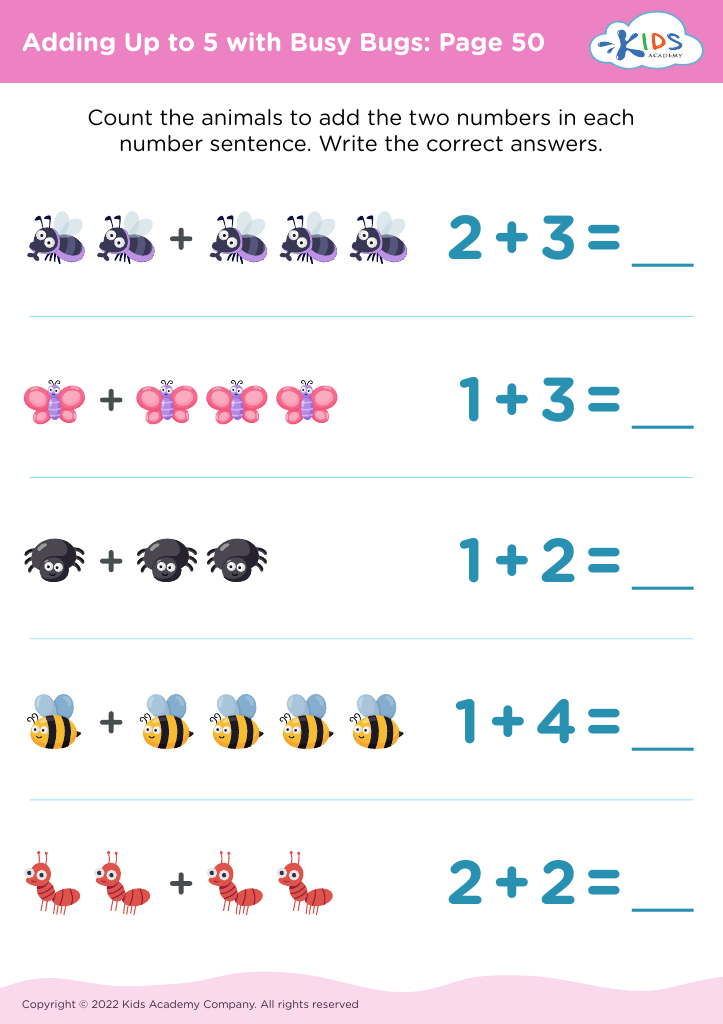
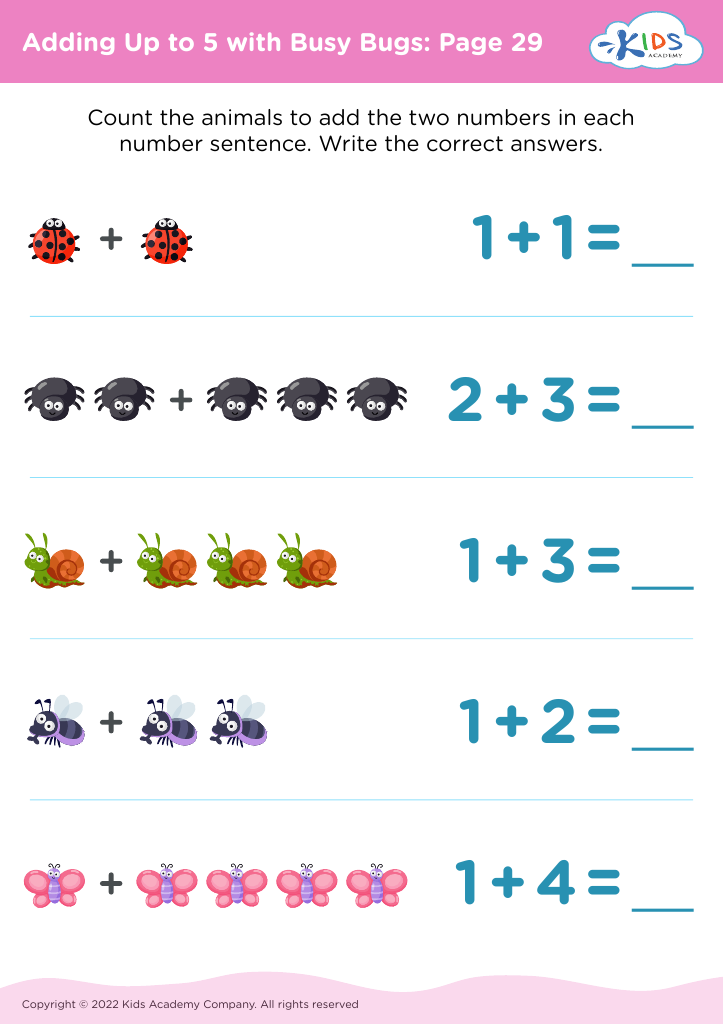
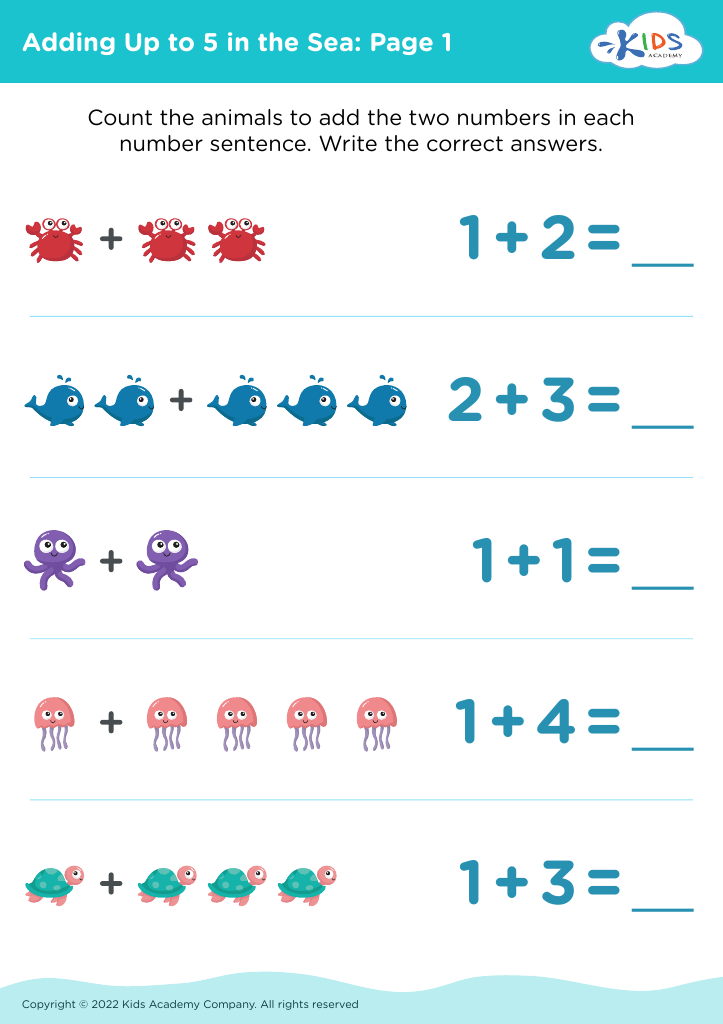
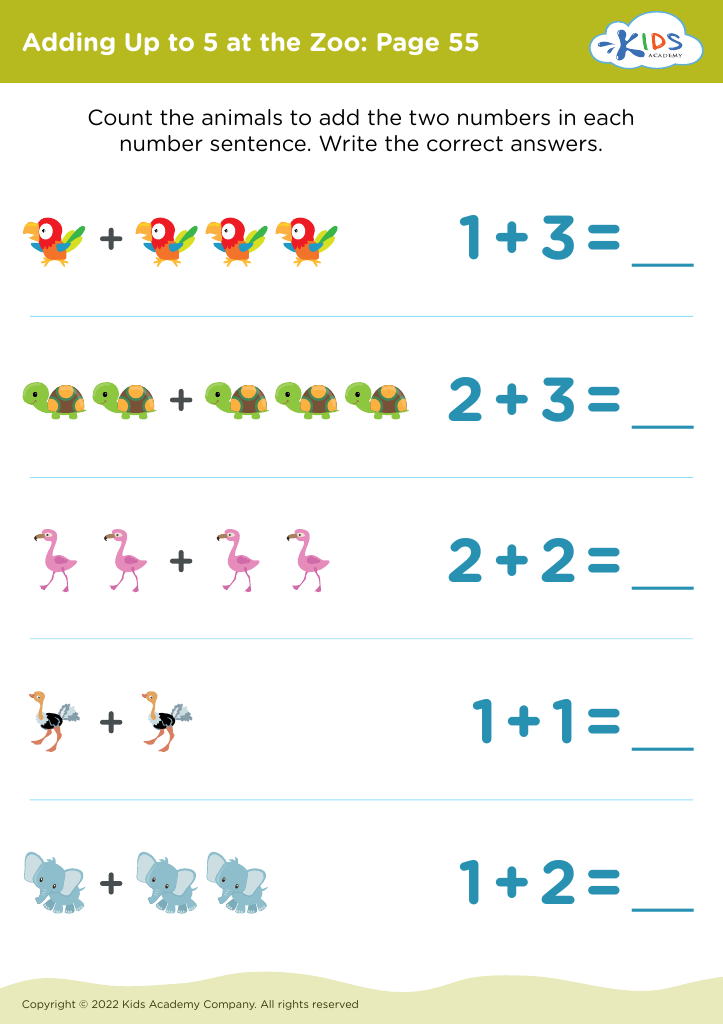
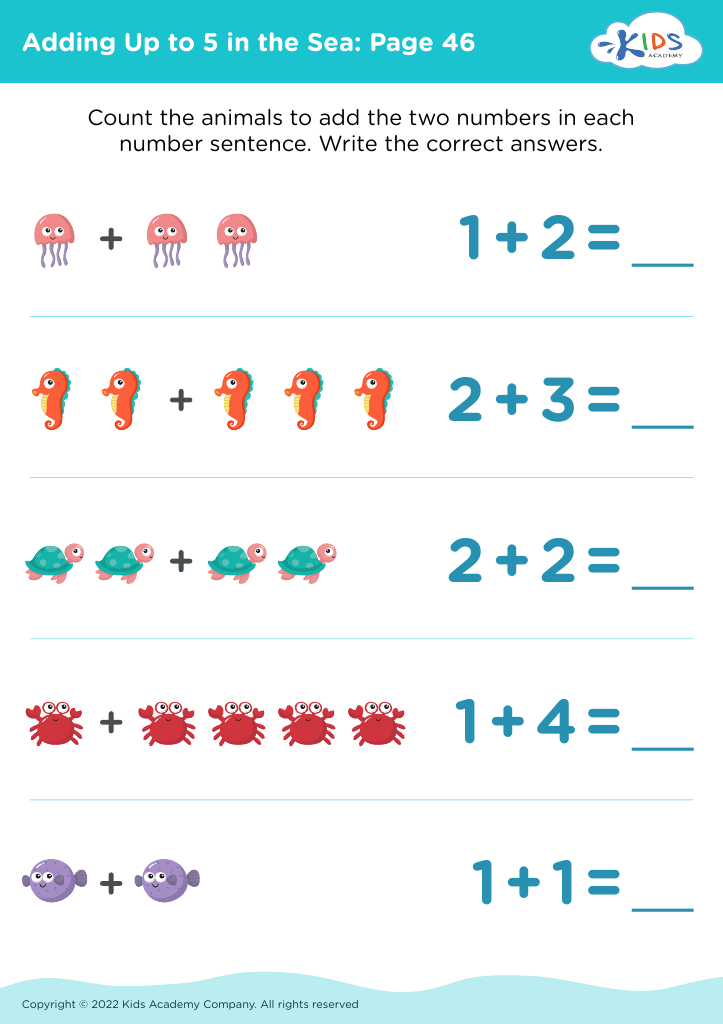
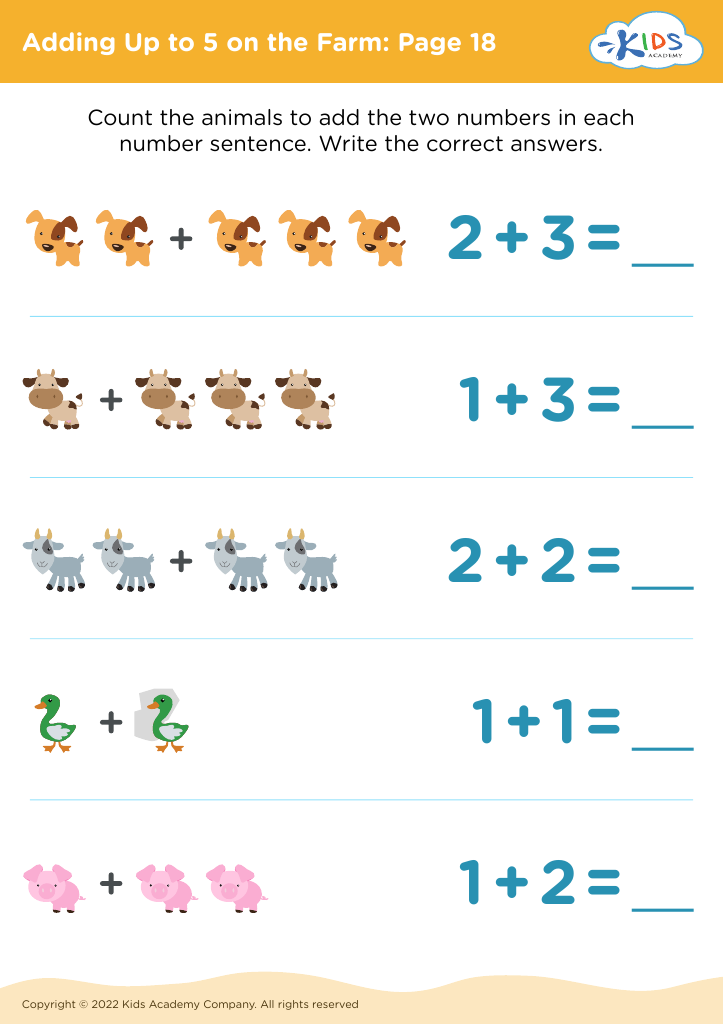
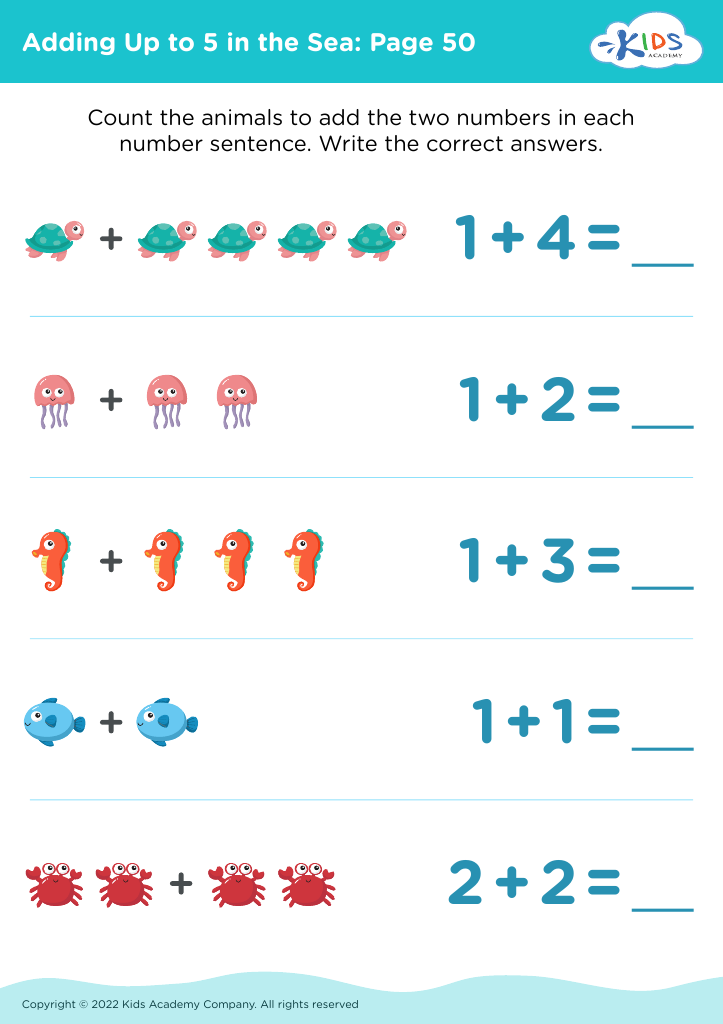
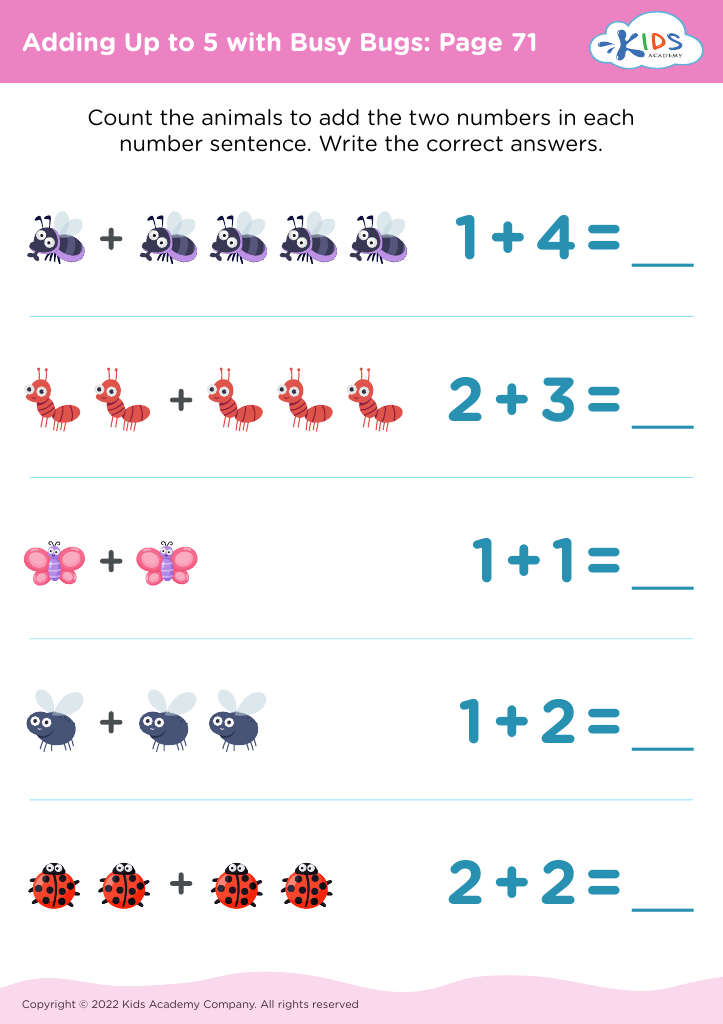
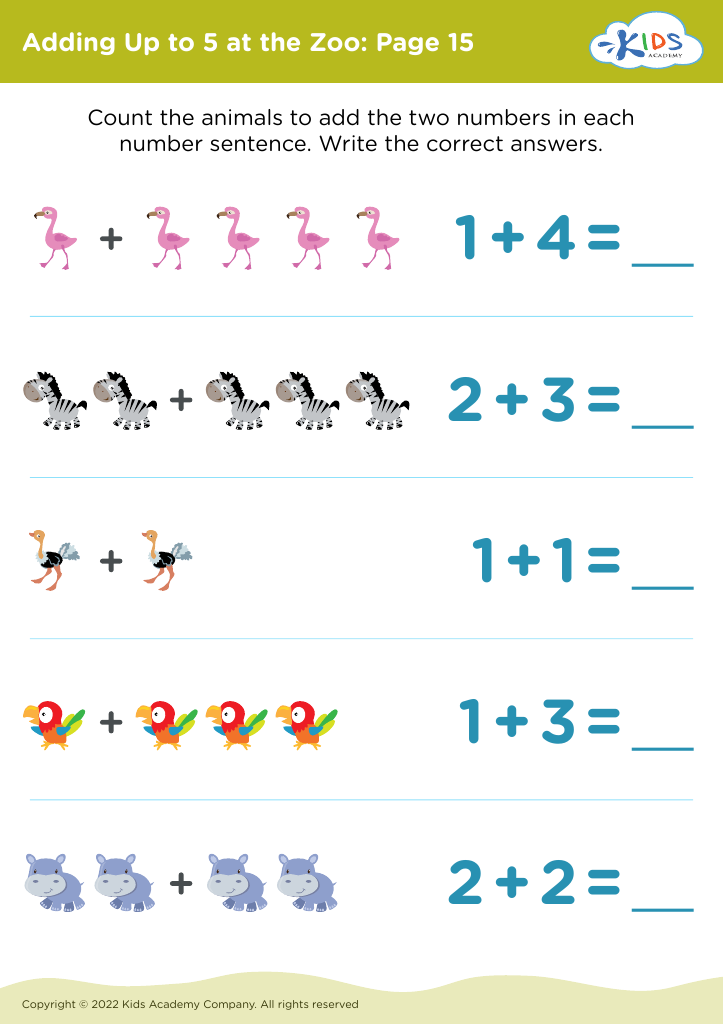
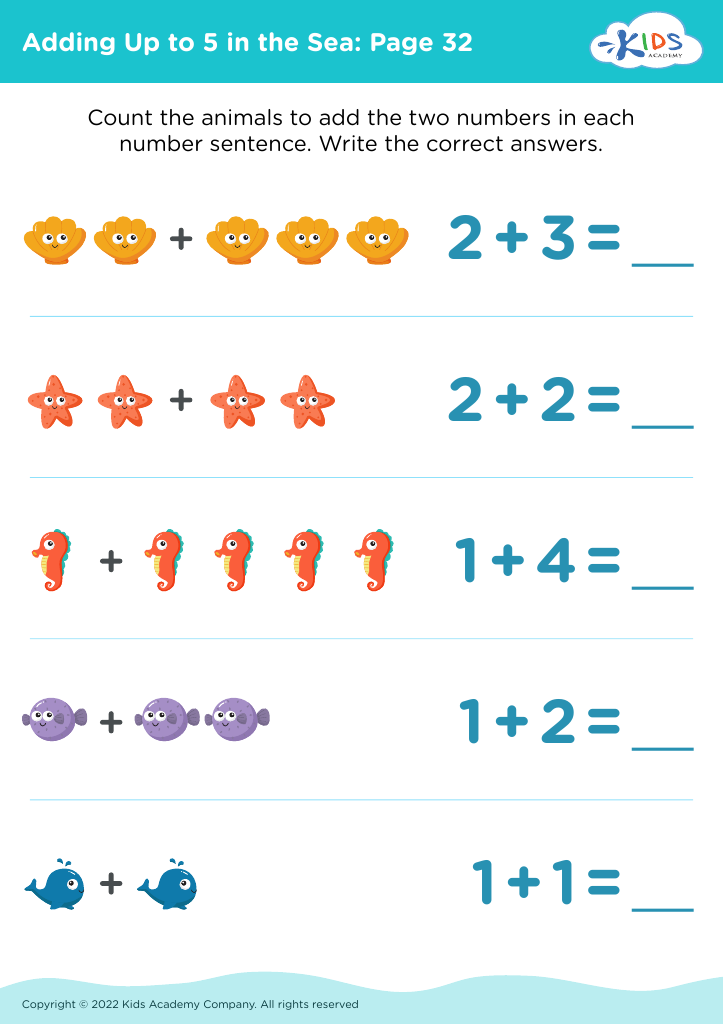
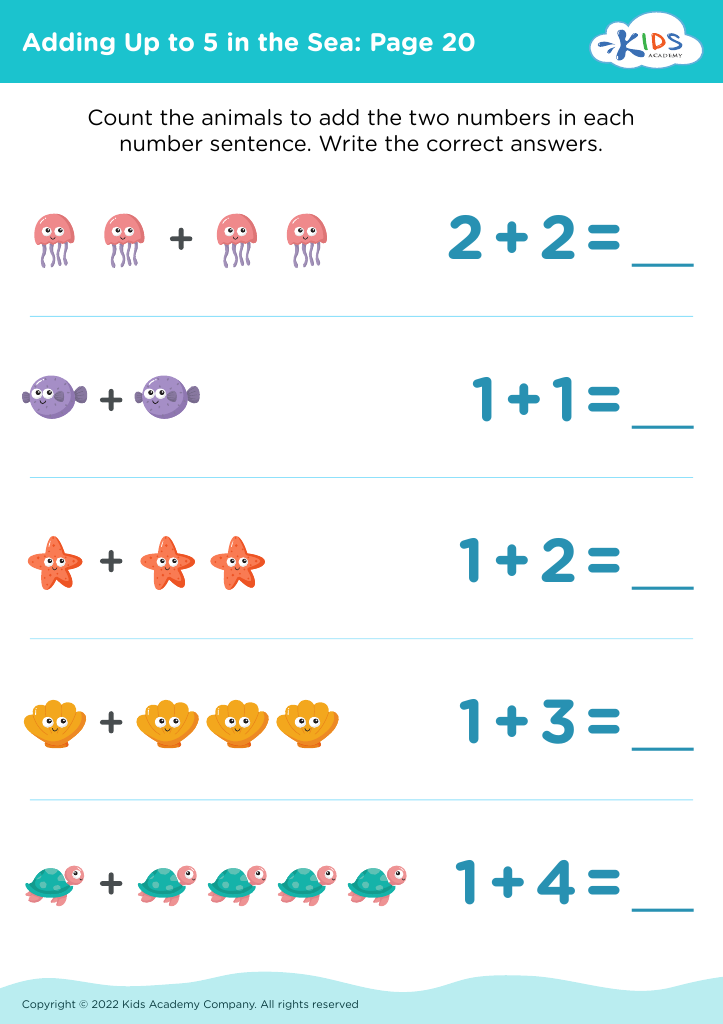
Welcome to our "Understanding Quantities Math Worksheets for 3-Year-Olds" page! These engaging and fun worksheets are designed to help young learners develop their foundational math skills through interactive exercises that focus on recognizing and comparing quantities. Children will explore concepts such as counting, identifying the numbers of objects, and understanding more or less. Each worksheet is colorful and visually appealing, making learning enjoyable for little ones. Our resources encourage hands-on practice, critical thinking, and confidence-building, ensuring children grasp essential early math skills while having a blast. Start your child's math journey today with our thoughtfully crafted worksheets!
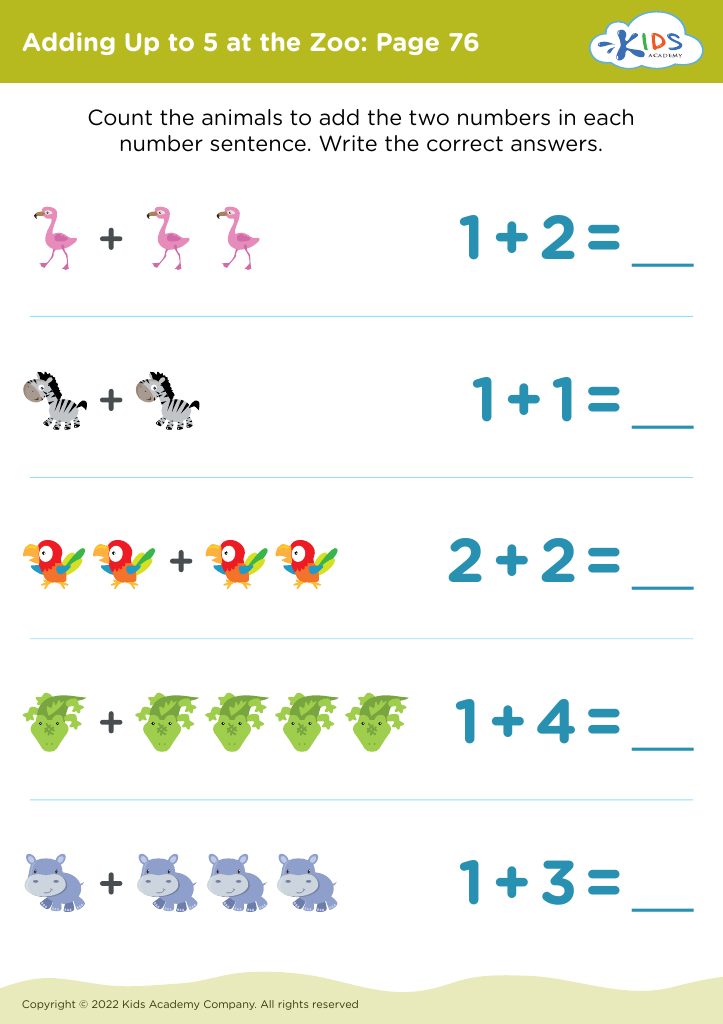
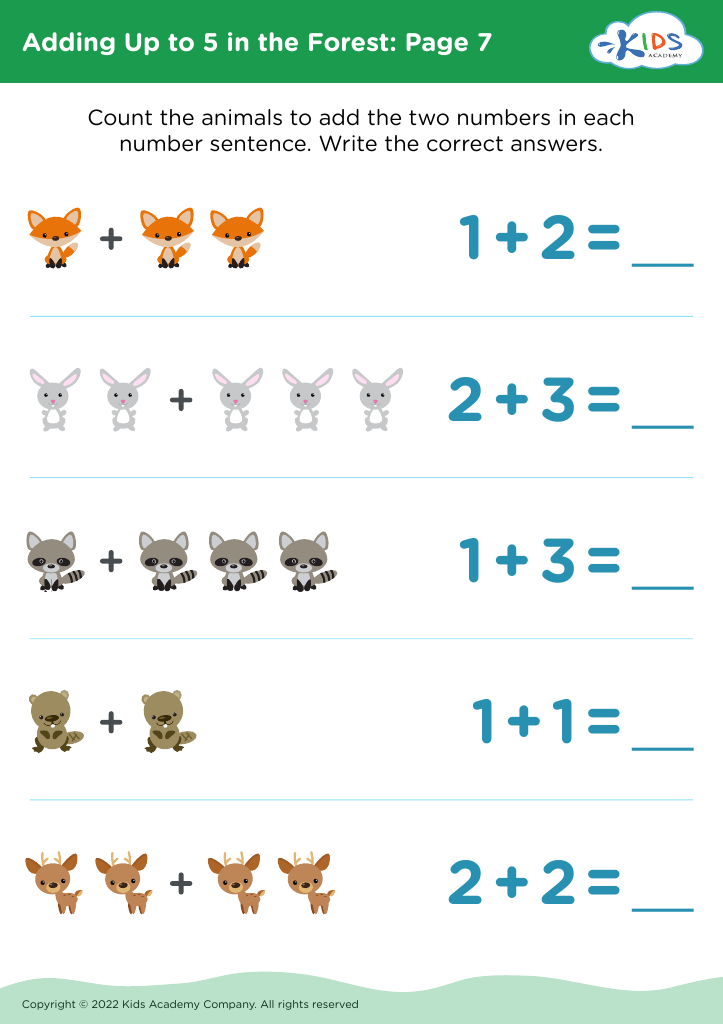
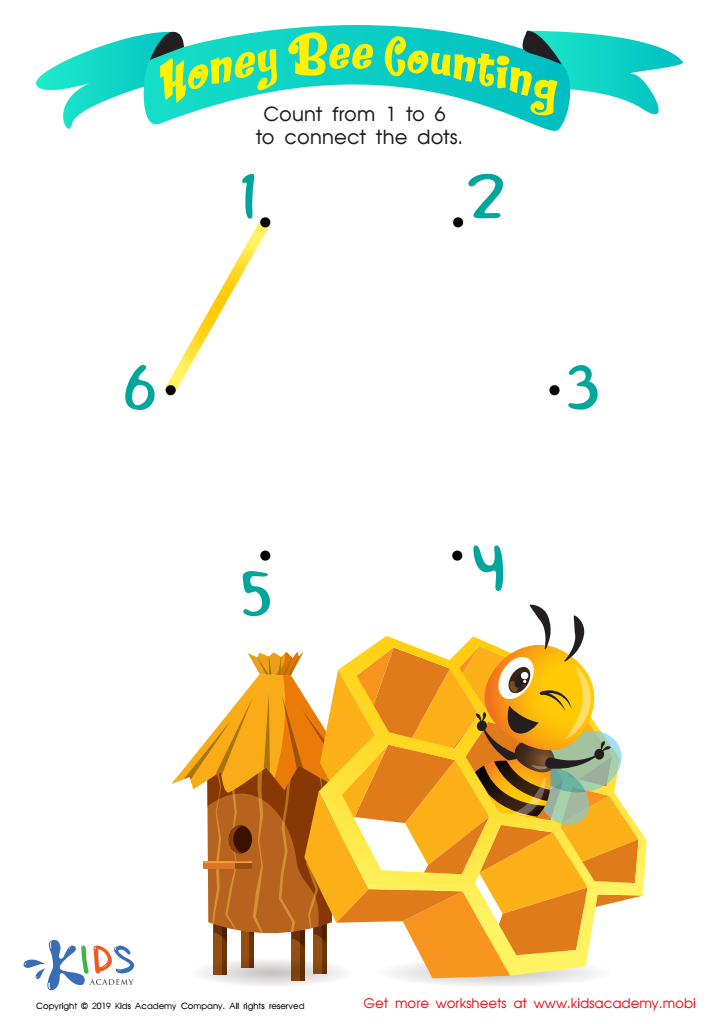
Honey Bee Counting Worksheet
 Assign to My Students
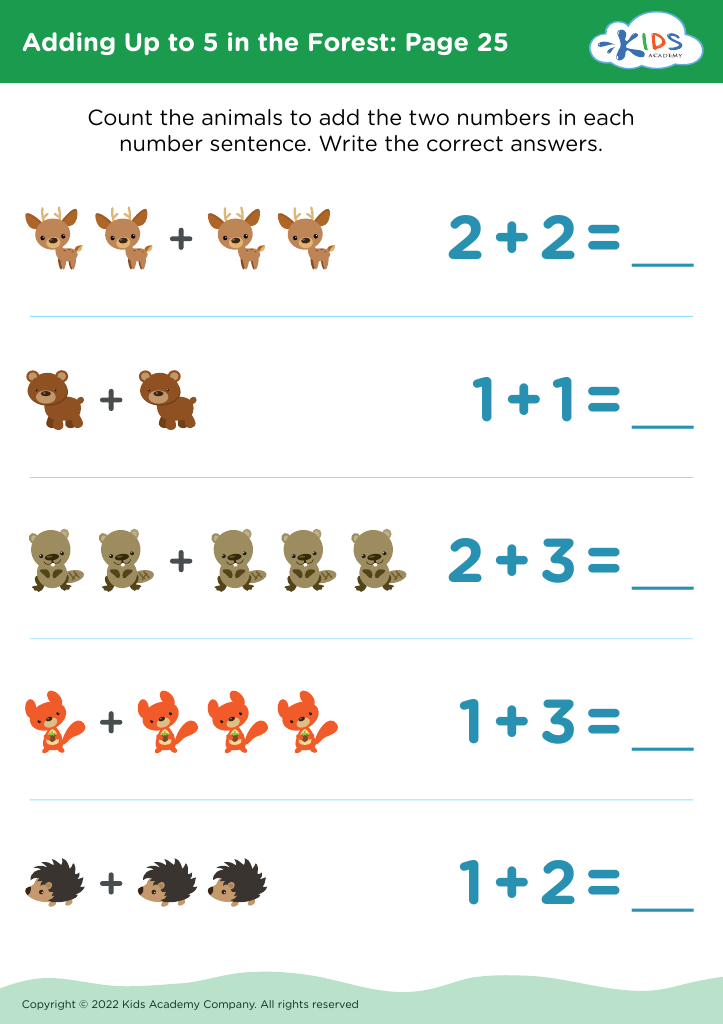
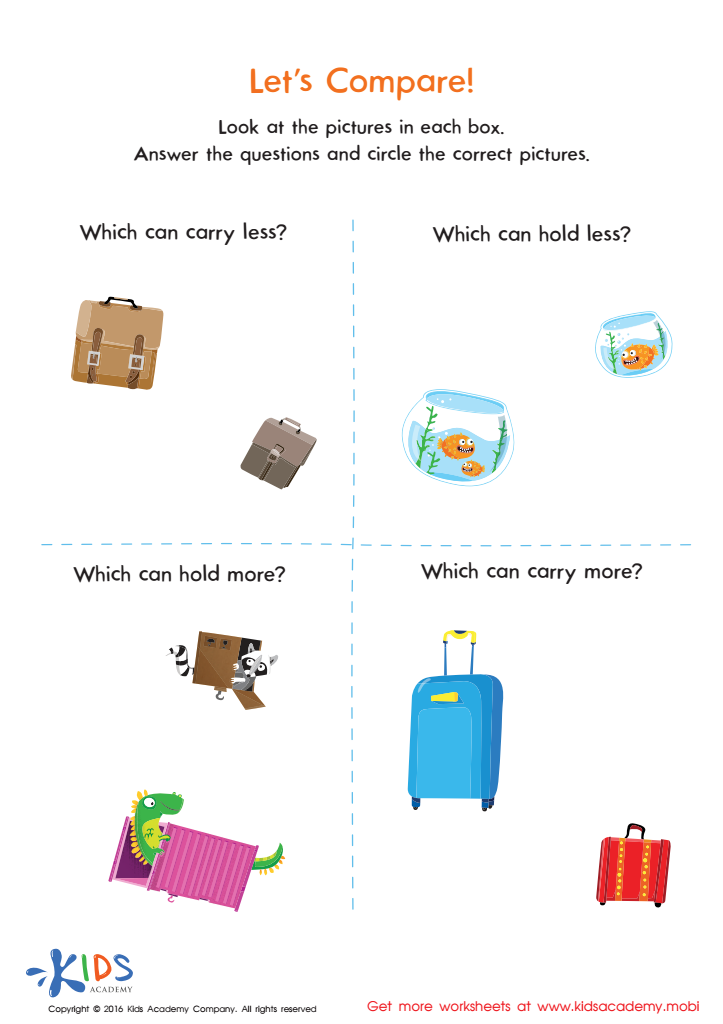
Let's Compare Worksheet: Big or Small







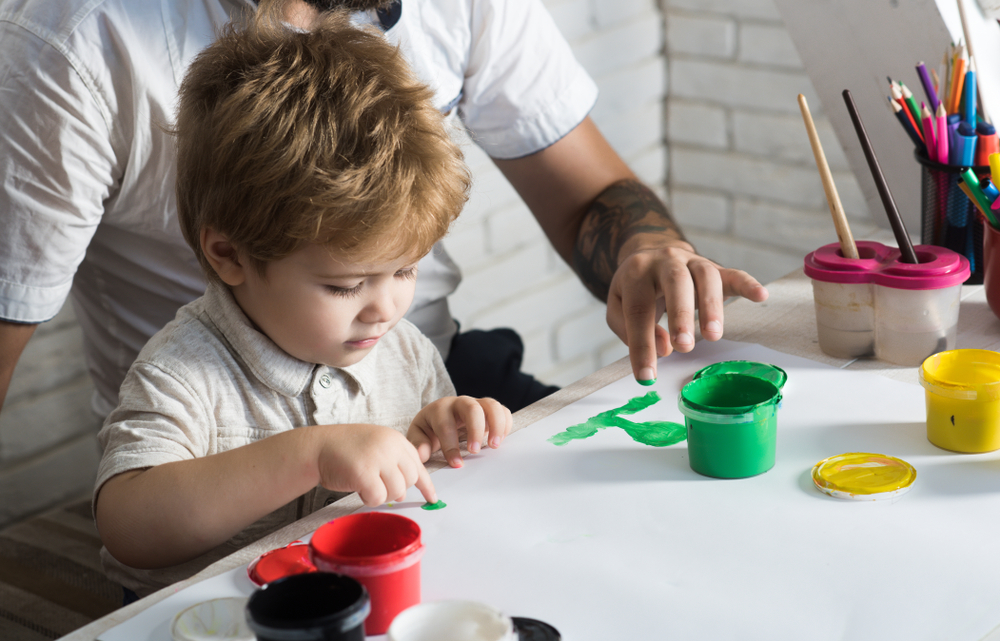
Understanding quantities is a foundational aspect of early math development for three-year-olds that plays a crucial role in their cognitive growth. At this age, children are naturally curious and begin to explore mathematical concepts through play and daily interactions. Introducing quantity-related activities—such as counting, sorting, and comparing—can significantly enhance their understanding of numbers and sets, laying a solid groundwork for future mathematical learning.
Parents and teachers should care about this because early exposure to quantities fosters crucial skills that children will use throughout their education. This foundation helps develop strong problem-solving abilities, enhances language skills, and promotes logical reasoning. Engaging children in activities like counting objects during playtime or assessing amounts during snack time also cultivates their ability to make meaningful connections between numerals and real-world contexts.
Moreover, nurturing mathematical understanding through playful learning creates a positive experience with math. It helps to build their confidence and enthusiasm for the subject, setting the stage for a lifelong love of learning. By prioritizing quantity-related experiences, parents and teachers not only enrich children’s cognitive abilities but also contribute to their overall development, equipping them with essential skills for future academic success.








