Visual discrimination Matching Worksheets for 3-Year-Olds
3 filtered results
-
From - To
Enhance your child's learning with our Visual Discrimination Matching Worksheets for 3-Year-Olds. These engaging worksheets are designed to develop early visual skills by helping toddlers differentiate shapes, colors, and patterns. Perfect for little hands, our activities offer a fun and interactive way to build attention to detail and enhance cognitive abilities. The exercises are carefully crafted to align with your child's developmental stage, ensuring effective learning while playing. Give your child a head start in their educational journey with these vibrant worksheets that make learning enjoyable and impactful. Discover the benefits and joy of learning today!
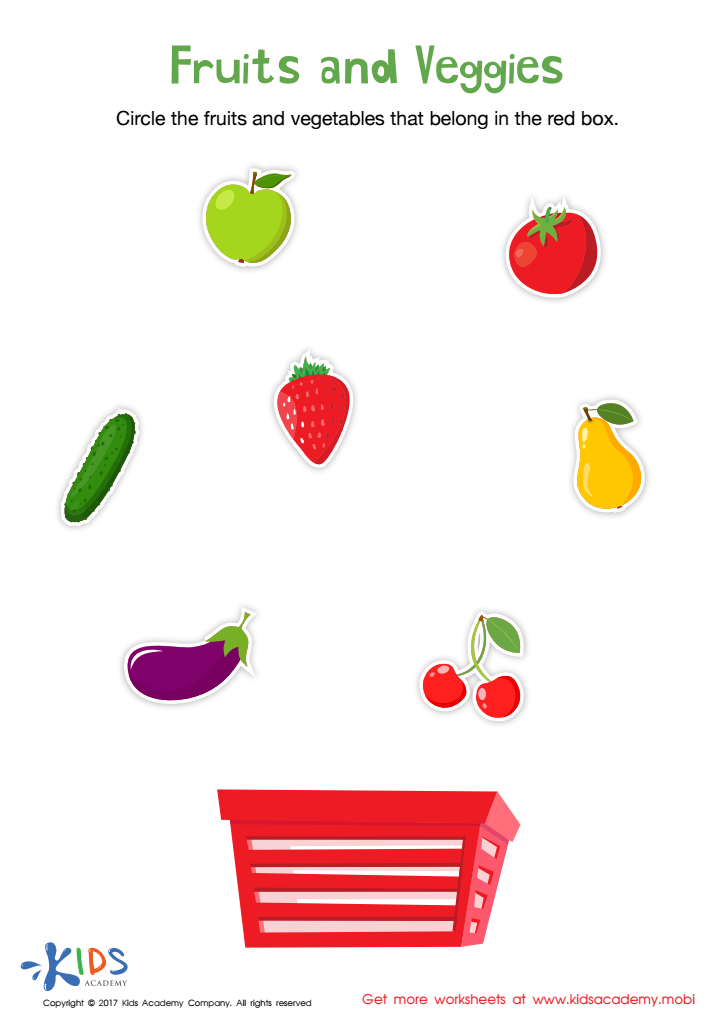
 Assign to My Students
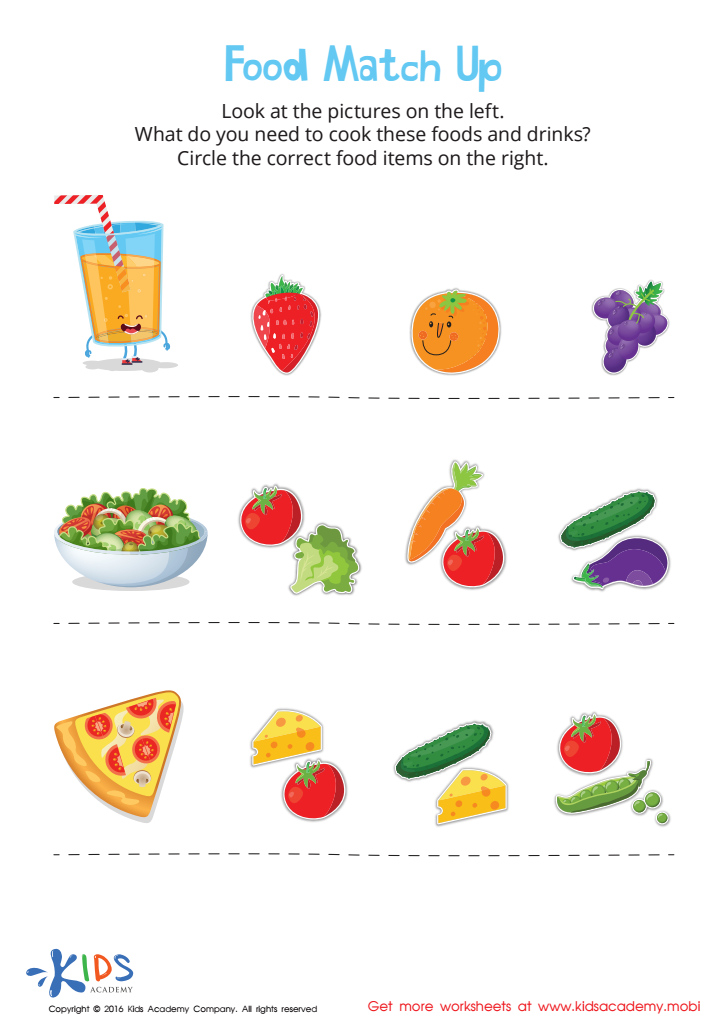
Food Match Up Worksheet
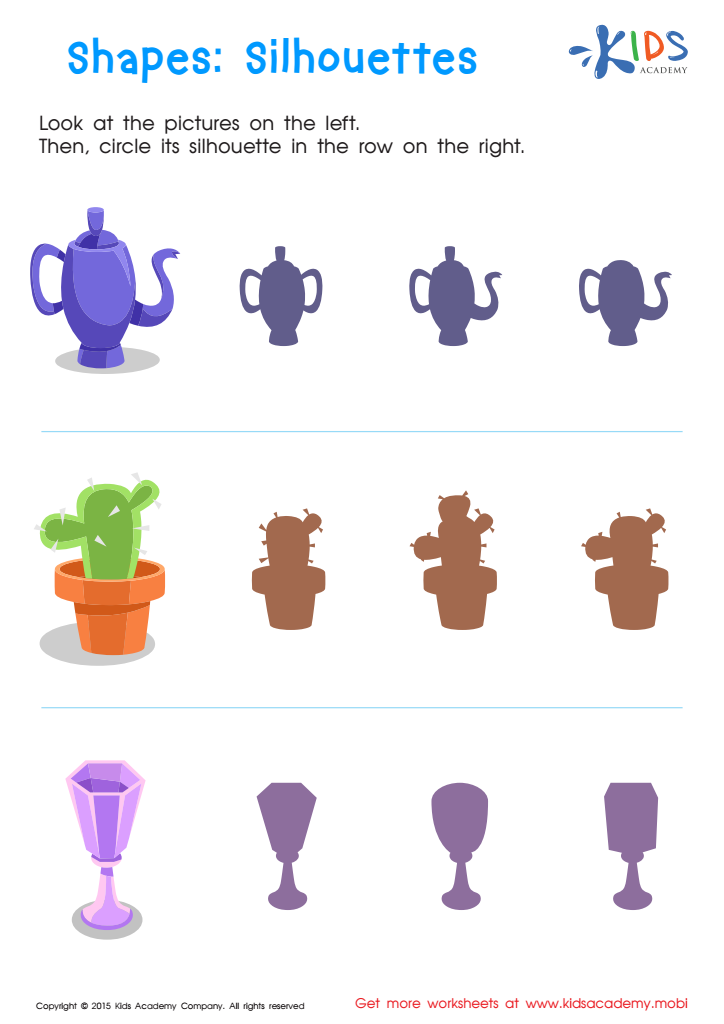
Silhouettes – Shapes Worksheet








Visual discrimination matching is a crucial activity for 3-year-olds, providing foundational skills that support cognitive and perceptual development in young children. Parents and teachers should care about these activities because, at this tender age, children are beginning to refine their ability to recognize differences and similarities in shapes, colors, sizes, and patterns – all fundamental skills for early literacy and numeracy.
Engaging in visual discrimination matching helps children improve their attention to detail, which is vital for distinguishing between letters and numbers as they learn to read and write. By matching items based on visual attributes, children also enhance their problem-solving skills and logical thinking. Their ability to perceive and interpret visual information becomes more acute, directly impacting their ability to absorb and comprehend classroom instructions later on.
In addition, these activities contribute to motor skill development. Often, matching tasks involve physical manipulation, such as placing cards together or sorting items, which hones their hand-eye coordination and fine motor skills. This development is not only beneficial in an academic context but also for everyday tasks like dressing and feeding themselves.
By fostering these skills early, parents and teachers can offer children a significant advantage in their educational journey and overall cognitive development, making visual discrimination matching an essential part of early childhood education.








