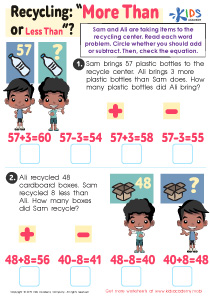
Basic Counting Numbers 0–10 Worksheets for 3-Year-Olds
3 filtered results
Difficulty Level
Grade
Age
-
From - To
Subject
Activity
Standards
Introduce your child to the exciting world of numbers with our engaging "Basic Counting Numbers 0–10 Worksheets" designed specifically for 3-year-olds! This collection of vibrant and interactive worksheets promotes essential early math skills through fun activities. Your little ones will develop counting proficiency and number recognition while enjoying colorful illustrations and playful exercises. These worksheets are perfect for enhancing fine motor skills as kids trace, color, and circle numbers. Ideal for homeschooling or supplementary practice, our resources foster confidence in young learners. Download, print, and watch your child explore the joy of counting from 0 to 10, laying a solid foundation for their future education!
Favorites
With answer key
Interactive
 Assign to My Students
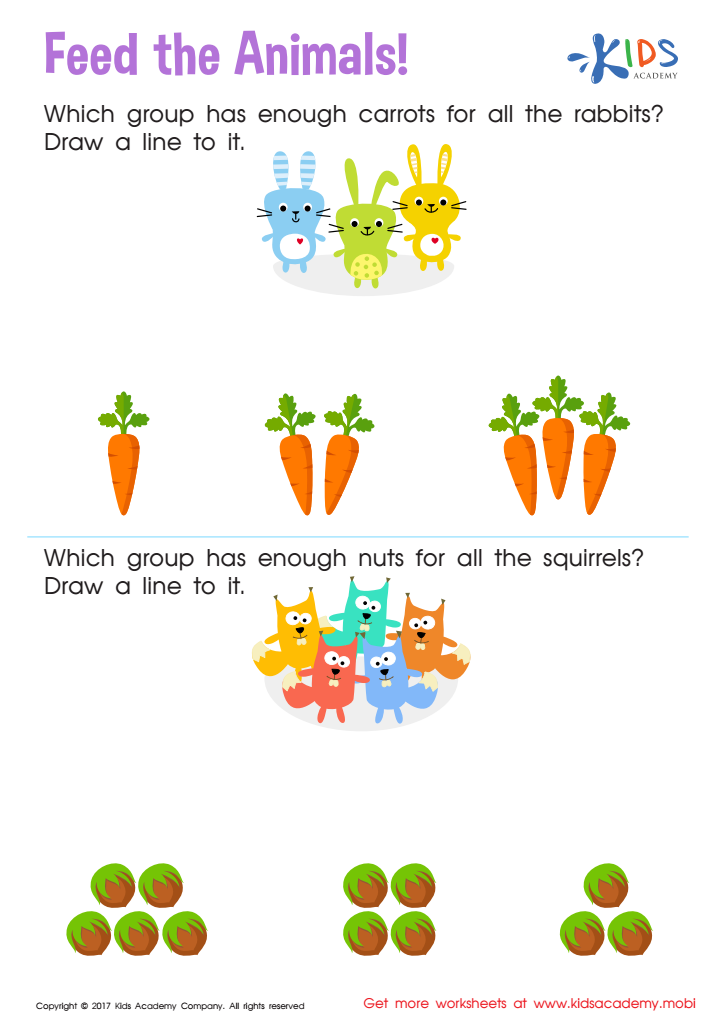
Count and Match: Feed the Animals Worksheet
Learning and growing involves more than just numbers, phonics and comparison. This Feed the Animals worksheet helps kids to exercise their reasoning skills. They must work out how many rabbits and carrots there are, and then repeat the process for the squirrels. This encourages problem solving and counting skills.
Count and Match: Feed the Animals Worksheet
Worksheet
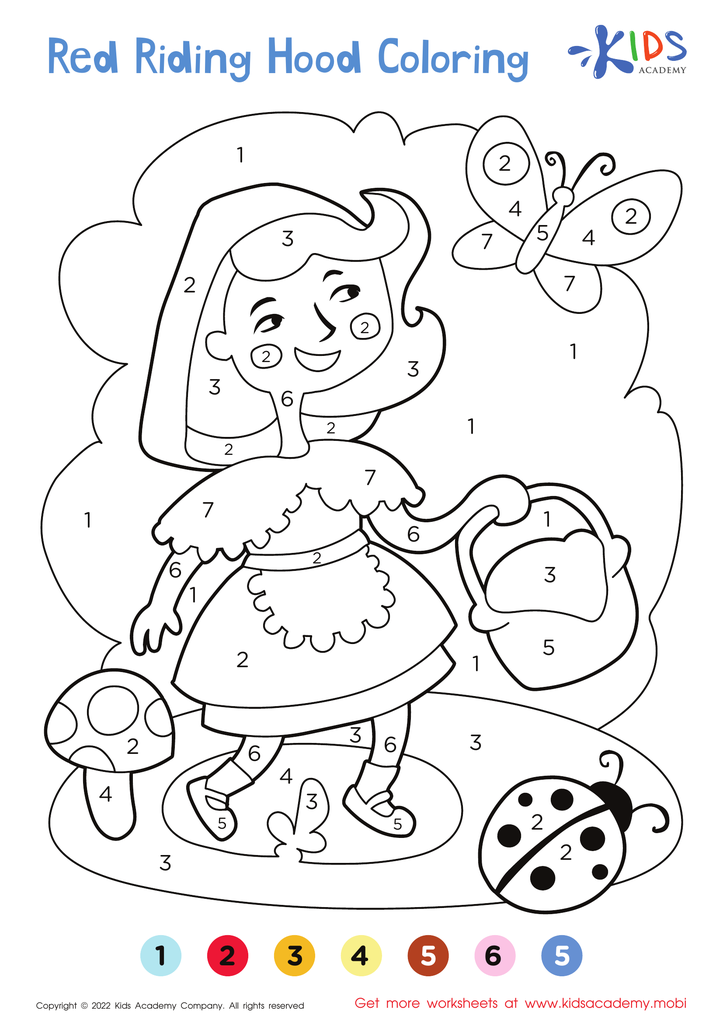
Little Red Riding Hood – Coloring by Numbers
Download this free PDF page and enjoy coloring Little Red Riding Hood. It's an easy and fun activity that everyone can do - just follow the numbers! Get your colored pencils ready and have a blast. 80 words.
Little Red Riding Hood – Coloring by Numbers
Worksheet
Join Kids Academy for Free
Who is primarily going to use this learning content?








Teaching basic counting numbers 0–10 to 3-year-olds is crucial for several reasons. First, these foundational skills foster early numeracy, a key component of cognitive development that supports later mathematical understanding. At this age, children are naturally curious, and introducing counting can harness that curiosity, engaging them through games, songs, and counting objects in their environment.
Second, learning to count aids in language development. As children verbalize numbers, they expand their vocabulary and enhance their ability to string words together into sentences, building a strong communication foundation.
Furthermore, counting gives children essential life skills. It helps them understand quantities, which can affect everything from sharing toys to understanding time and routines.
Socially, counting activities can promote cooperative play, as children often engage in group games that involve numbers.
By focusing on numbers 0–10, parents and teachers lay the groundwork for future learning and instill confidence in children’s math abilities. Establishing this beaten path in early learning encourages a positive attitude toward math, helping to prevent math anxiety later in their educational journey. Overall, fostering counting skills creates a holistic framework that integrates cognitive, social, and language development for young learners.