Counting skills Numbers 0–10 Worksheets for 3-Year-Olds - Page 4
81 filtered results
-
From - To
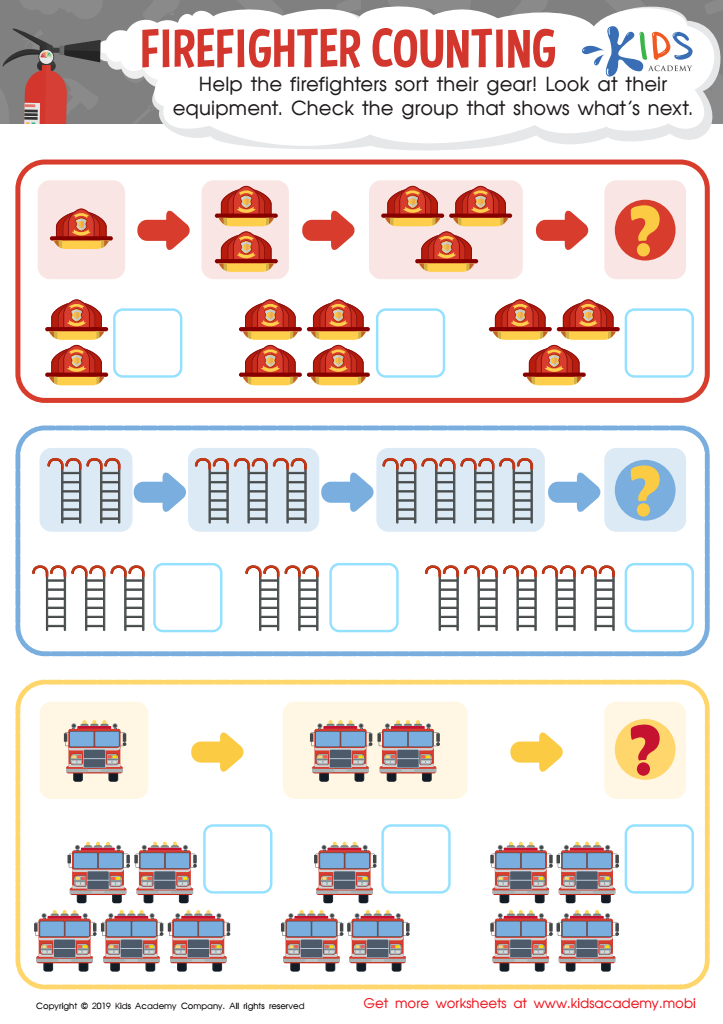
Firefighter Counting Worksheet
 Assign to My Students
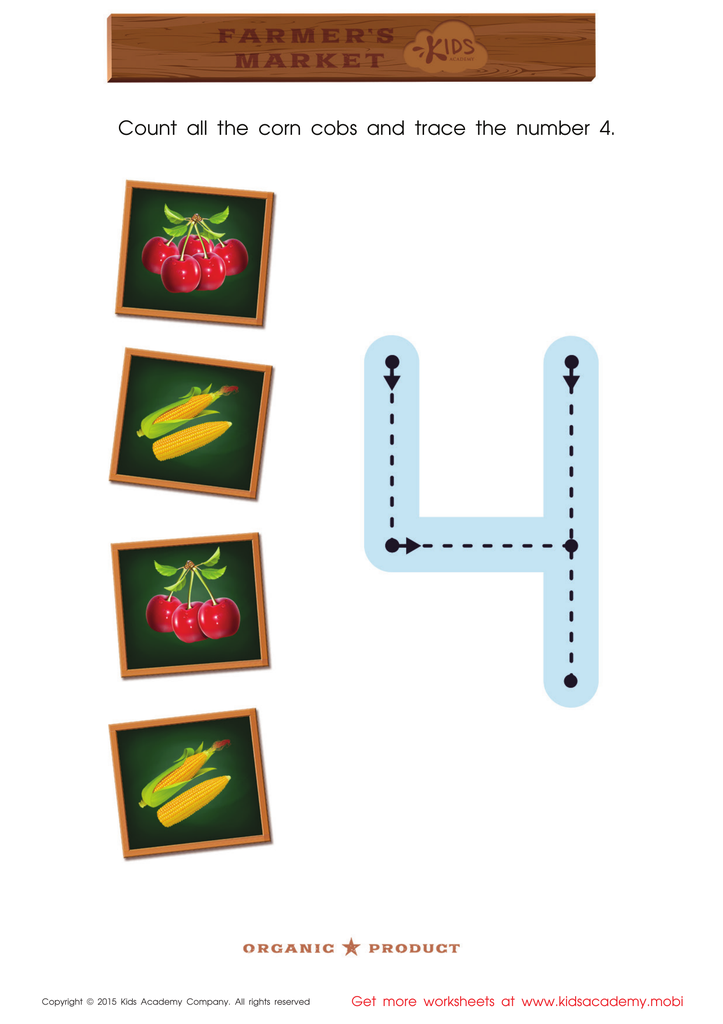
Count the Corncobs and Trace the Number 4 Worksheet
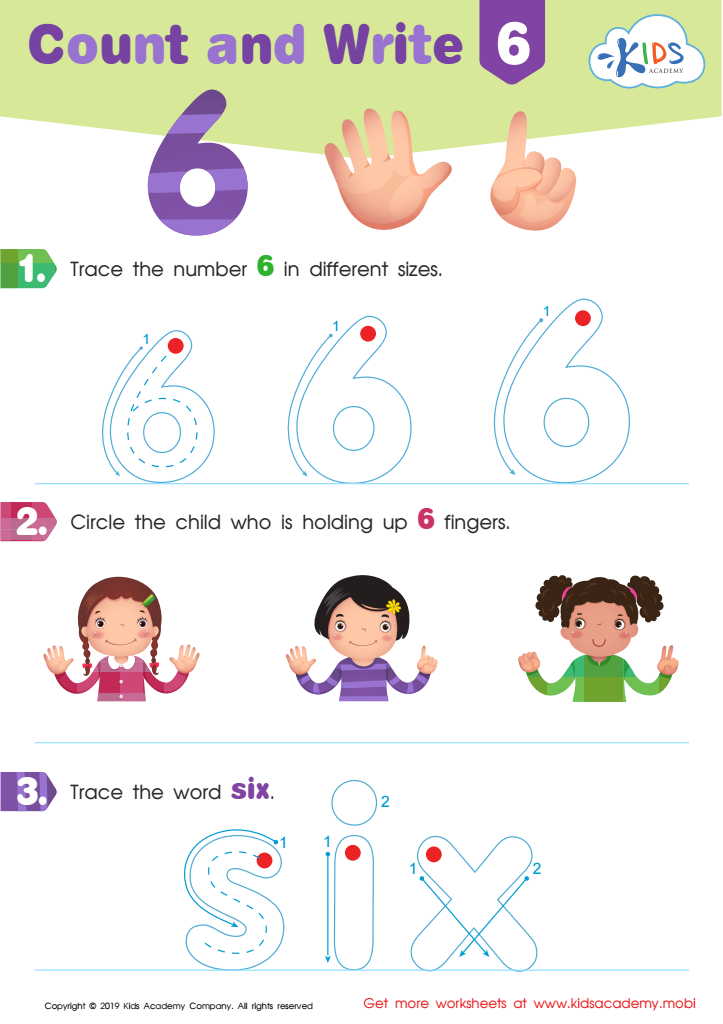
Count and Write 6 Worksheet
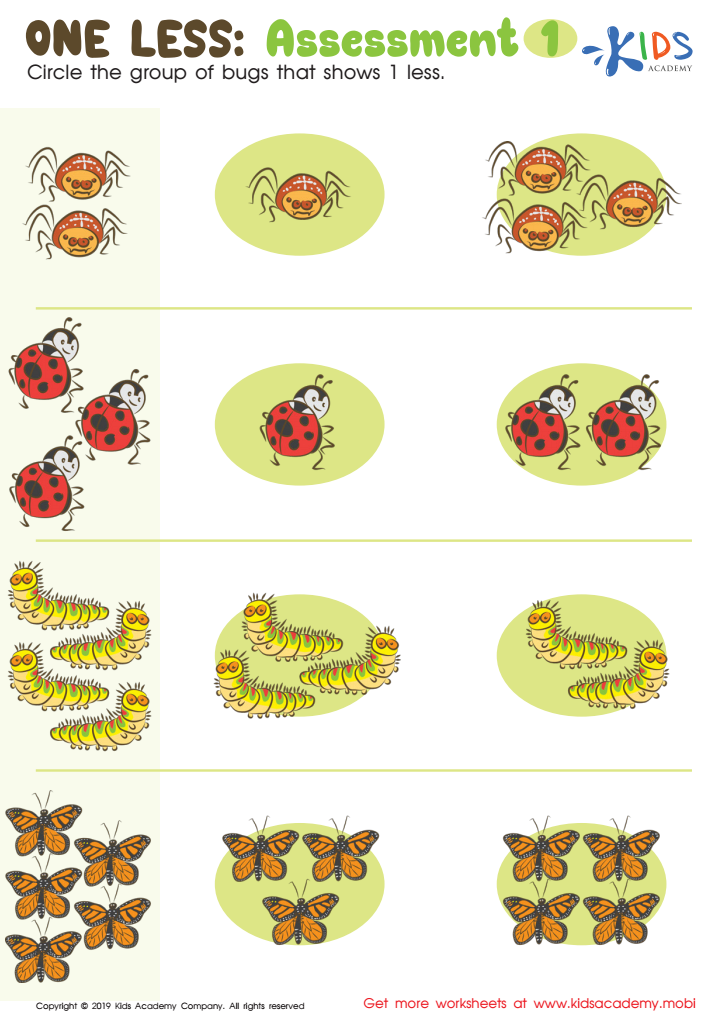
One Less: Assessment 1 Worksheet
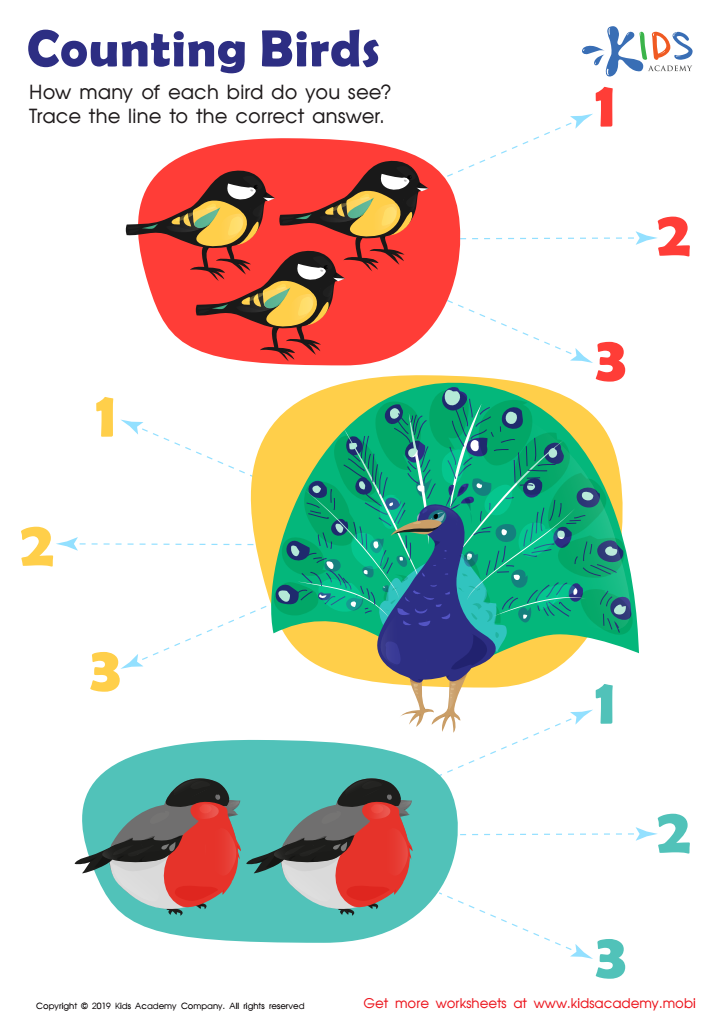
Counting Birds Worksheet
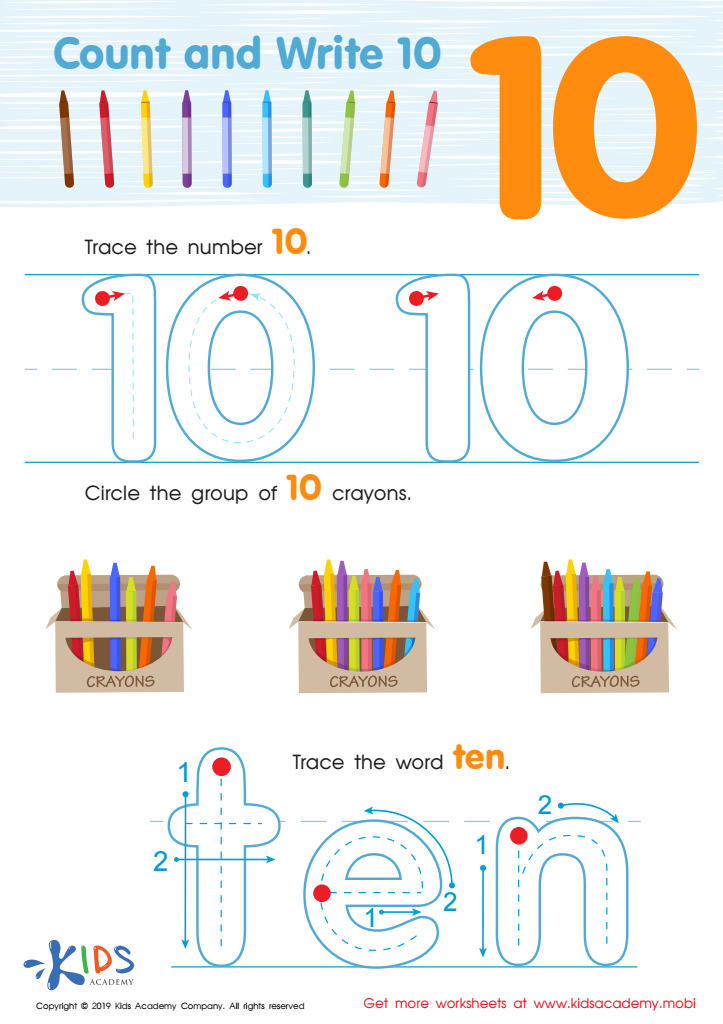
Count and Write 10 Worksheet
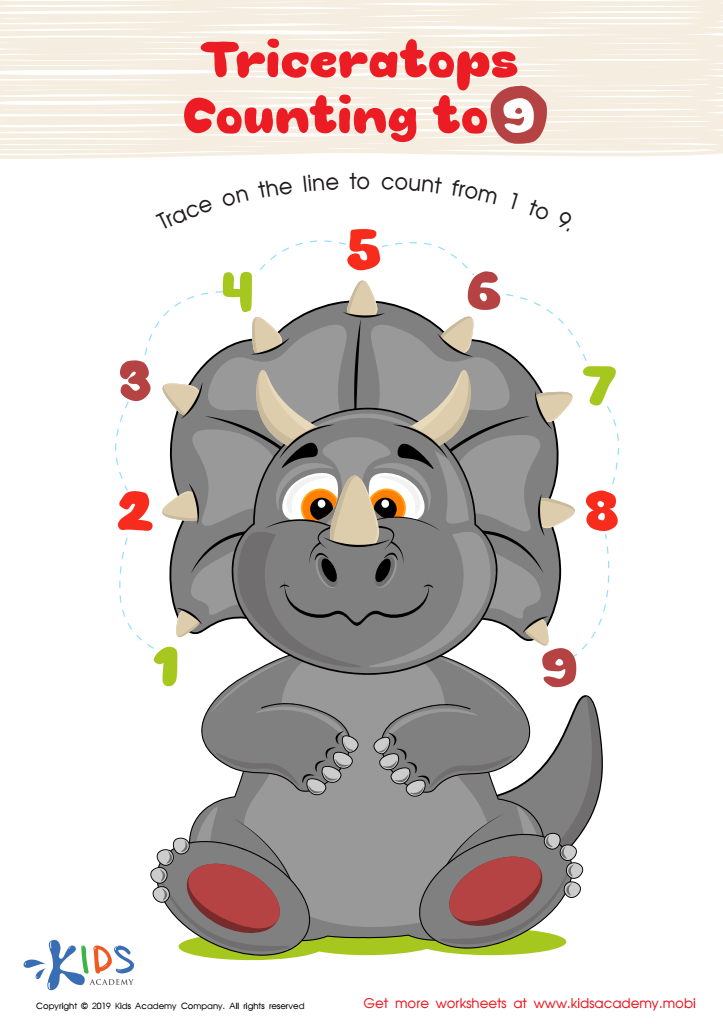
Triceratops Counting to 9 Worksheet
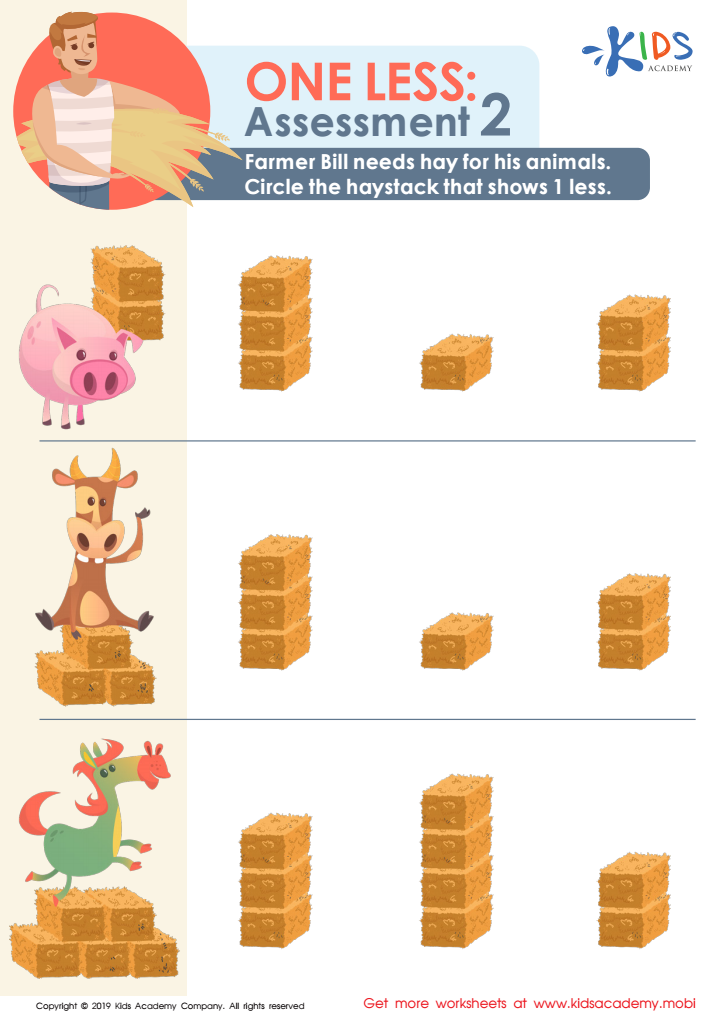
One Less: Assessment 2 Worksheet
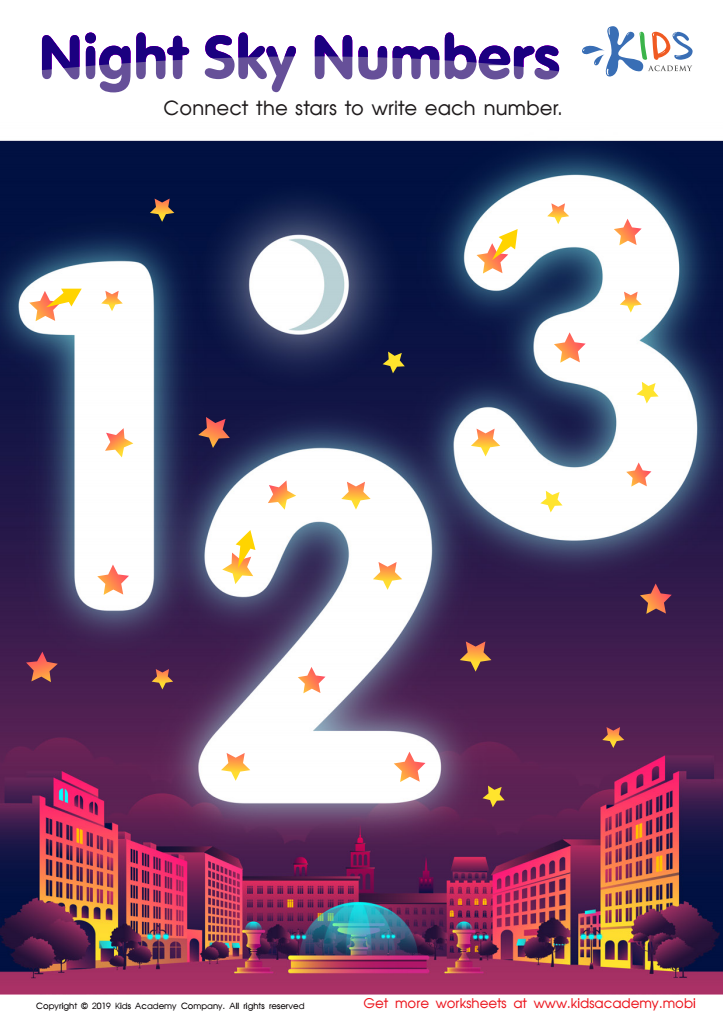
Night Sky Numbers Worksheet








Counting skills and number recognition for 3-year-olds form a fundamental part of early childhood development, and both parents and teachers play crucial roles in fostering these abilities. For starters, understanding numbers 0-10 is an essential building block of math literacy. It prepares children for more advanced mathematical concepts they will encounter later in school.
Counting helps children develop a sense of order, sequencing, and patterning, which are critical skills not just for math, but for reading and daily routines. When young children count objects, they also improve their motor skills and hand-eye coordination.
Early exposure to numbers sets the stage for numeracy skills, forming a practical base for their future abilities to solve problems, reason, and think logically. These foundational skills support overall cognitive development by engaging areas of the brain involved in questioning and exploring the world around them.
Furthermore, numeracy in early childhood supports social development. Playing counting games, singing number songs, or engaging in counting-based activities with peers can promote teamwork, patience, and cooperation. Both teachers and parents should seize everyday opportunities to turn counting into a fun, shared, and educational experience. It builds confidence, enthusiasm for learning, and fosters a positive attitude toward mathematics from a very young age.