Counting skills Building Vocabulary Worksheets for 3-Year-Olds
6 filtered results
-
From - To
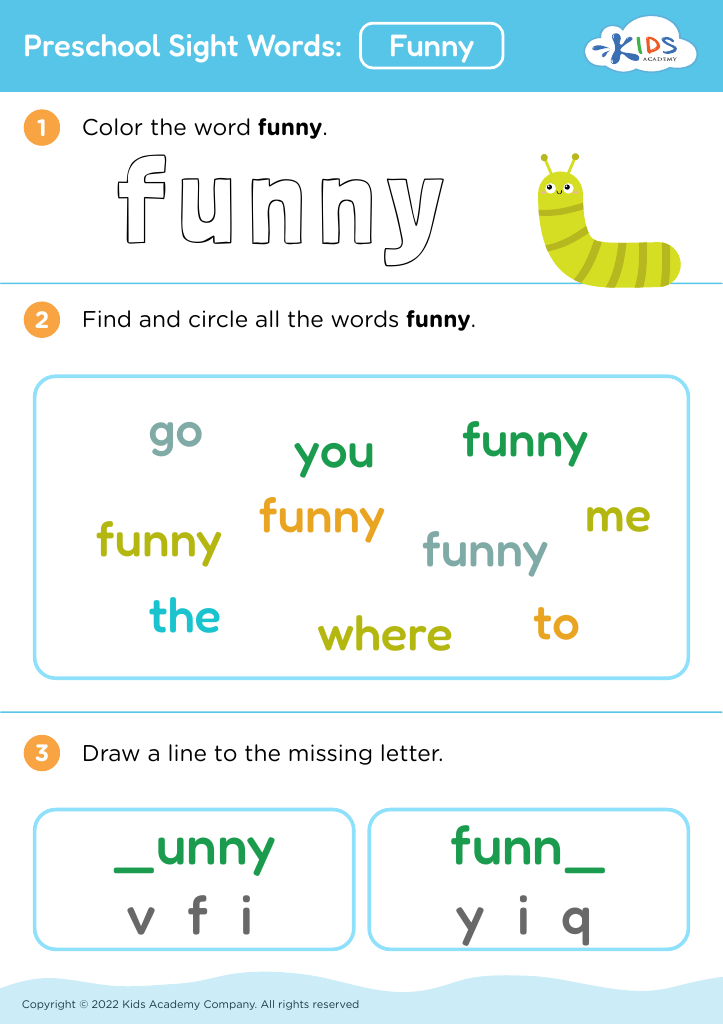
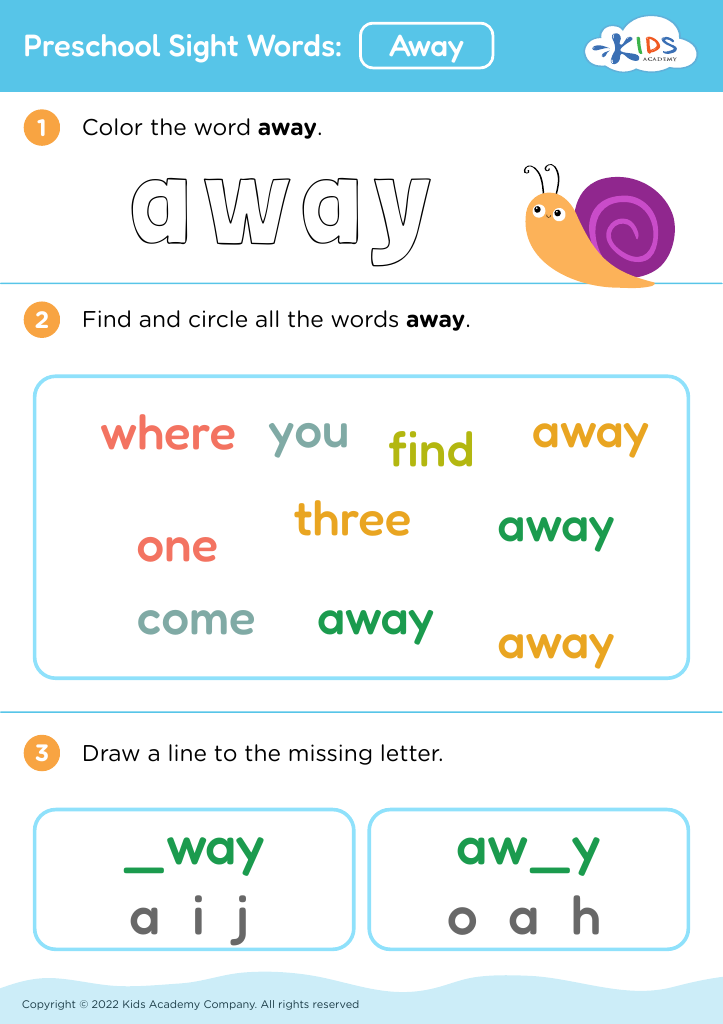
Discover our interactive Counting Skills Building Vocabulary Worksheets for 3-Year-Olds, designed to make learning fun and effective. These engaging printable worksheets help preschoolers develop essential counting skills while expanding their vocabulary. Each activity is thoughtfully crafted to align with early learning standards, providing a perfect blend of education and entertainment. From colorful graphics to creative exercises, our resources captivate young minds, boosting their confidence and preparing them for future academic success. Ideal for parents and educators, these worksheets ensure a strong foundation in numeracy and language for your little ones. Make counting an enjoyable journey today!
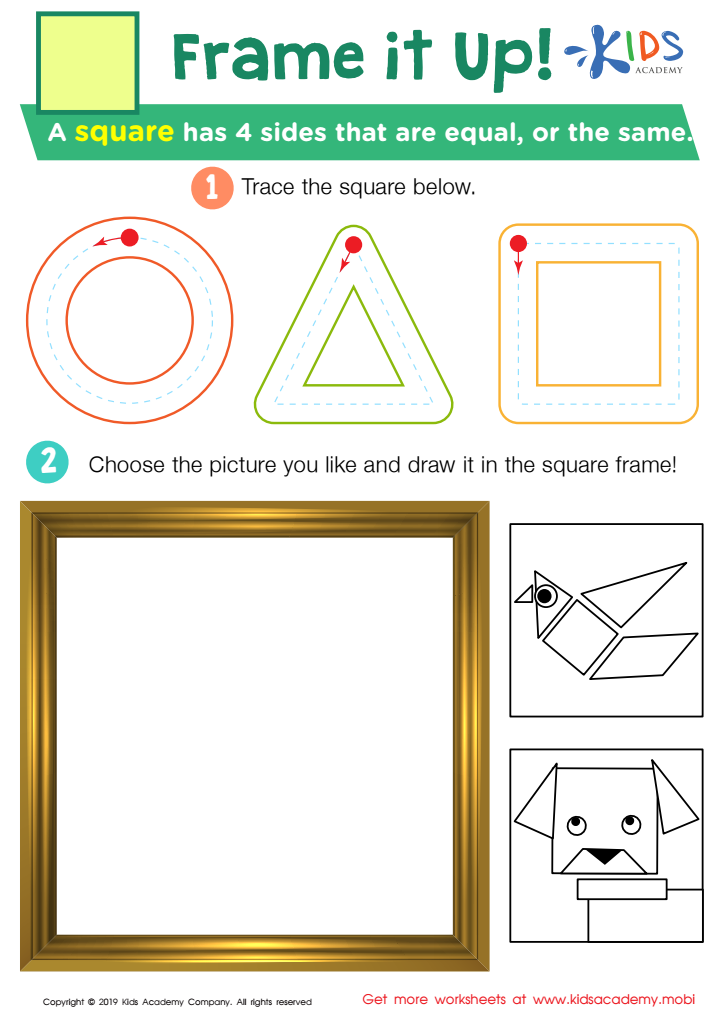
Frame it Up Worksheet
 Assign to My Students
















.jpg)


Counting skills and building vocabulary for 3-year-olds are fundamental to their future academic and social success. These early skills lay the groundwork for more complex learning and cognitive development.
Counting skills are crucial because they form the basic understanding of numbers and mathematical concepts. Early exposure to counting helps children recognize number patterns, sequences, and the relationship between numbers and quantities. This foundational mathematical knowledge is vital for problem-solving and logical thinking skills later in life.
Building vocabulary is equally important as it shapes a child's ability to communicate, express thoughts, and understand the world around them. A robust vocabulary supports reading comprehension and literacy, which are essential for academic success. Additionally, a broad vocabulary enhances social interactions and self-expression, allowing children to build relationships and navigate their environments more effectively.
Furthermore, engaging with children in activities that build counting skills and vocabulary can strengthen parent-child and teacher-student bonds, fostering a supportive, confidence-boosting learning environment. When parents and teachers prioritize these areas, they ensure that children are well-equipped with the critical tools they need for future learning, setting them on a path toward a successful and enriching educational journey.








