
Fraction comparison Building Vocabulary Worksheets for 3-Year-Olds
3 filtered results
Difficulty Level
Grade
Age
-
From - To
Subject
Activity
Standards
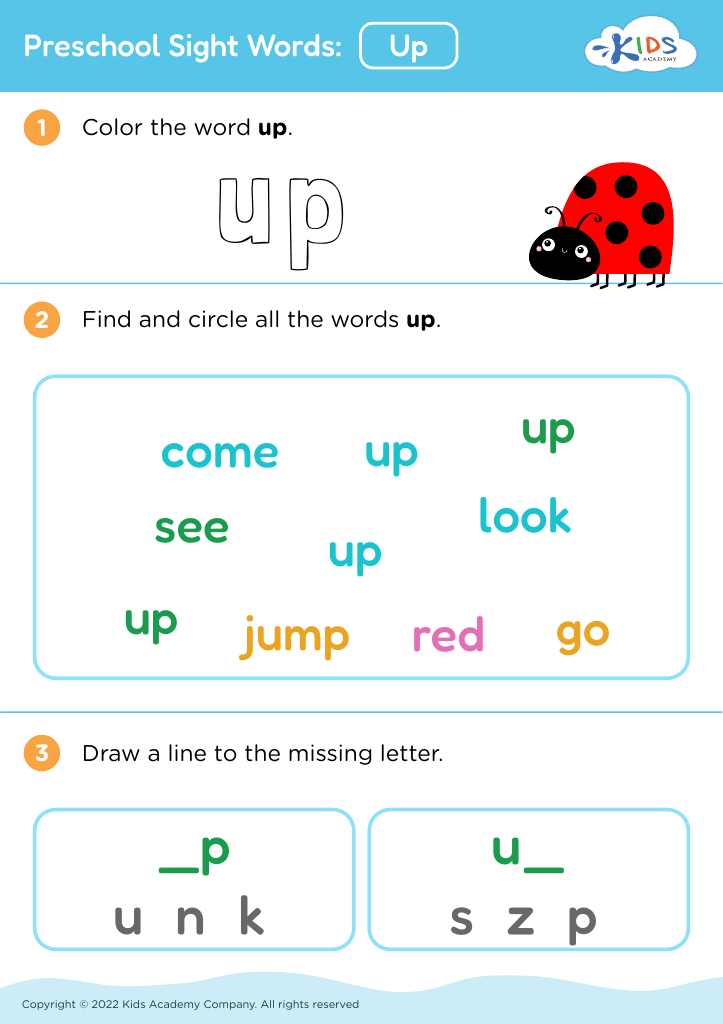
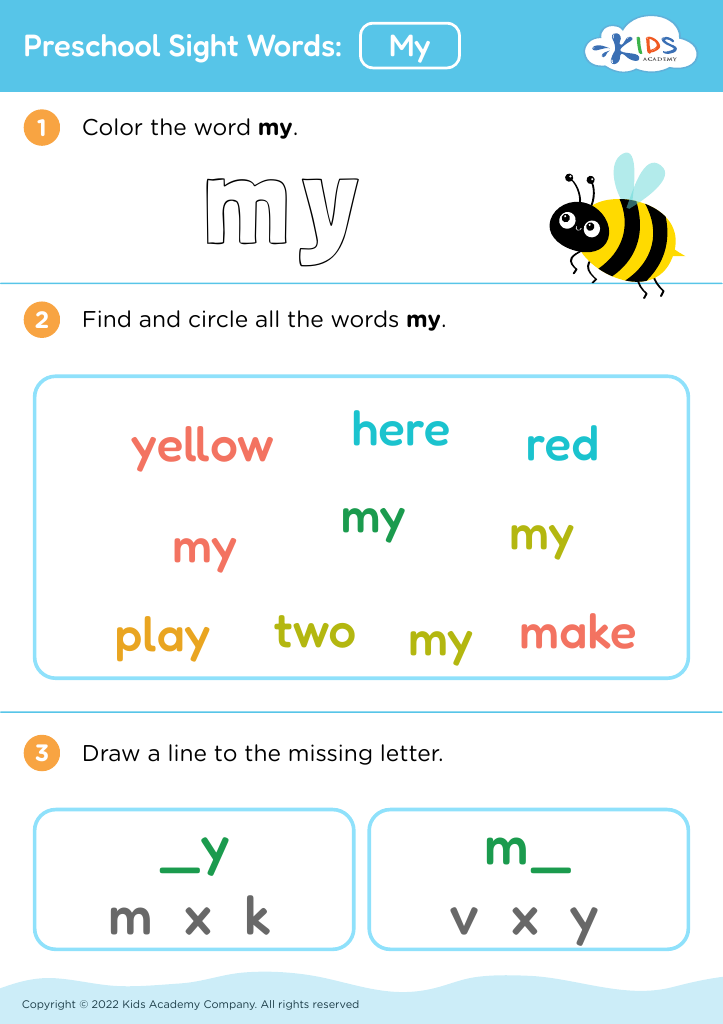
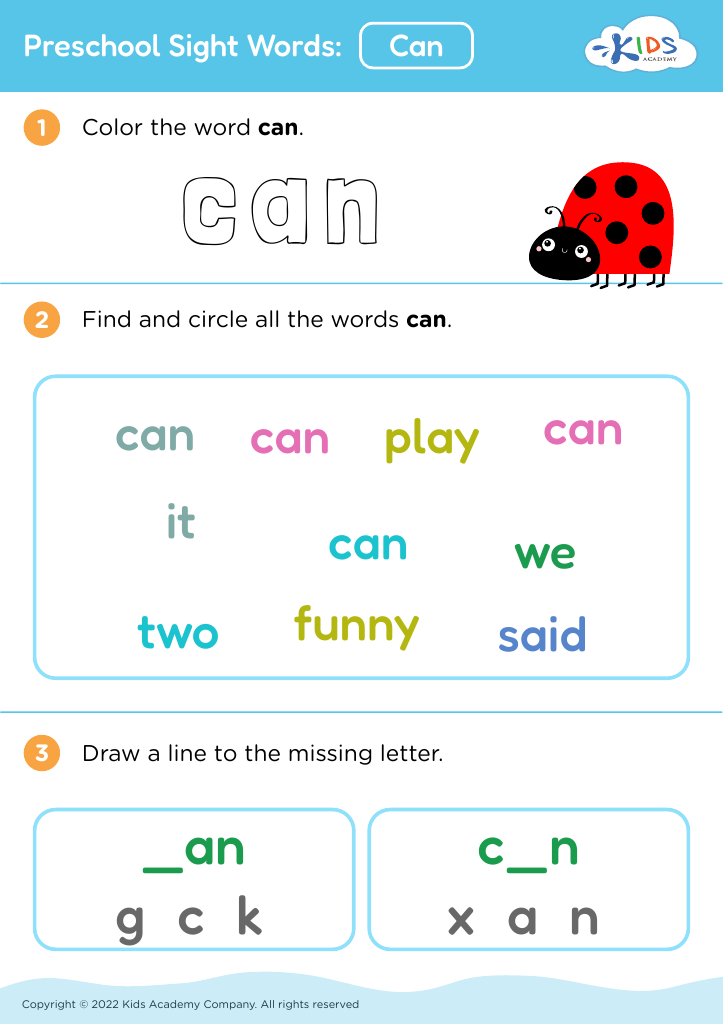
Introduce your little learners to basic math concepts with our "Fraction Comparison Building Vocabulary Worksheets for 3-Year-Olds!" These colorful, engaging worksheets are designed to build fundamental vocabulary skills while familiarizing children with fraction concepts in a fun and interactive way. Perfect for early learners, each worksheet not only enhances language development but also lays the groundwork for understanding fractions through simple comparison activities. With bright illustrations and age-appropriate challenges, kids will enjoy learning and mastering these essential skills. Download today and make learning fractions an enjoyable experience for your preschooler!
Favorites
With answer key
Interactive











Join Kids Academy for Free
Who is primarily going to use this learning content?






.jpg)

Parents and teachers should invest in building vocabulary and foundational math skills, including fraction comparison, for 3-year-olds because early language and numerical comprehension are critical for overall academic success. A rich vocabulary at a young age is strongly linked to increased reading and writing skills as children progress through school. Likewise, early math skills are predictive of later achievement not just in mathematics, but across multiple subjects, fostering analytical and high-order thinking abilities.
Introducing basic concepts of fraction comparison in playful, engaging ways helps develop numeracy skills, spatial reasoning, and cognitive abilities. While explicit fraction terminology might seem advanced, foundational language, such as "bigger," "smaller," "more," "less," prepares children to grasp more complex mathematical concepts in the future. By incorporating simple activities using toys, snacks, or visual aids, we can spark curiosity and a love for learning about numbers and quantities.
Moreover, parents and teachers who prioritize early vocabulary and numeracy demonstrate that learning is important and enjoyable, establishing a positive mindset that can shape a child's attitude towards education long-term. By nurturing these abilities early on, we give children the tools they need for future educational tasks, setting the stage for academic confidence and lifelong curiosity.








