Comparing Fractions Sight Words Worksheets for 3-Year-Olds
5 filtered results
-
From - To
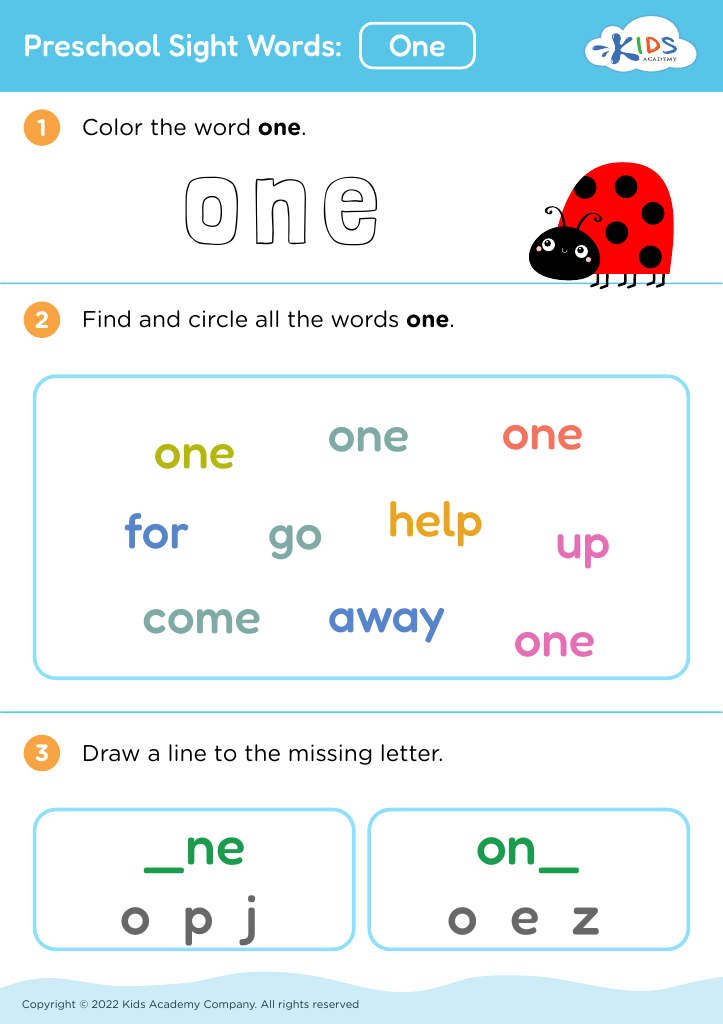
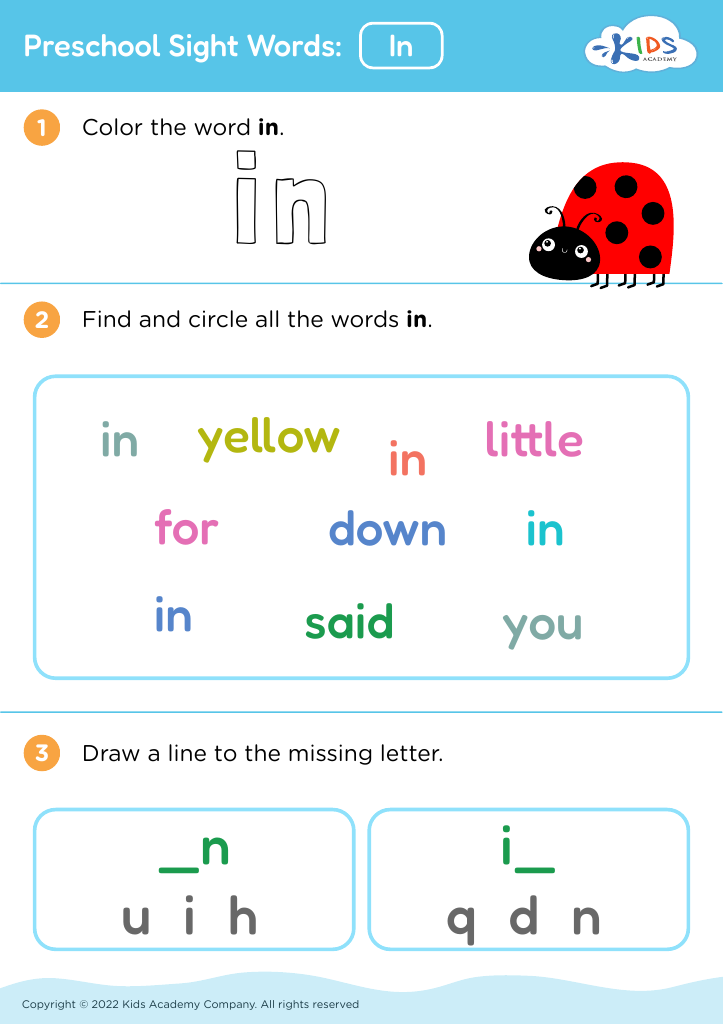
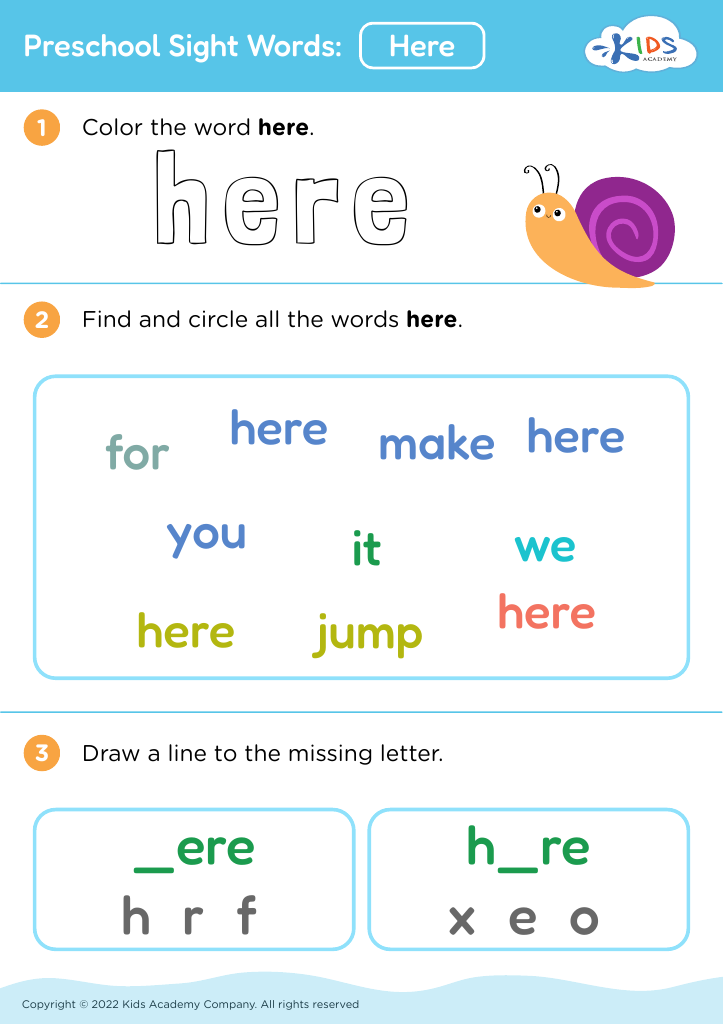
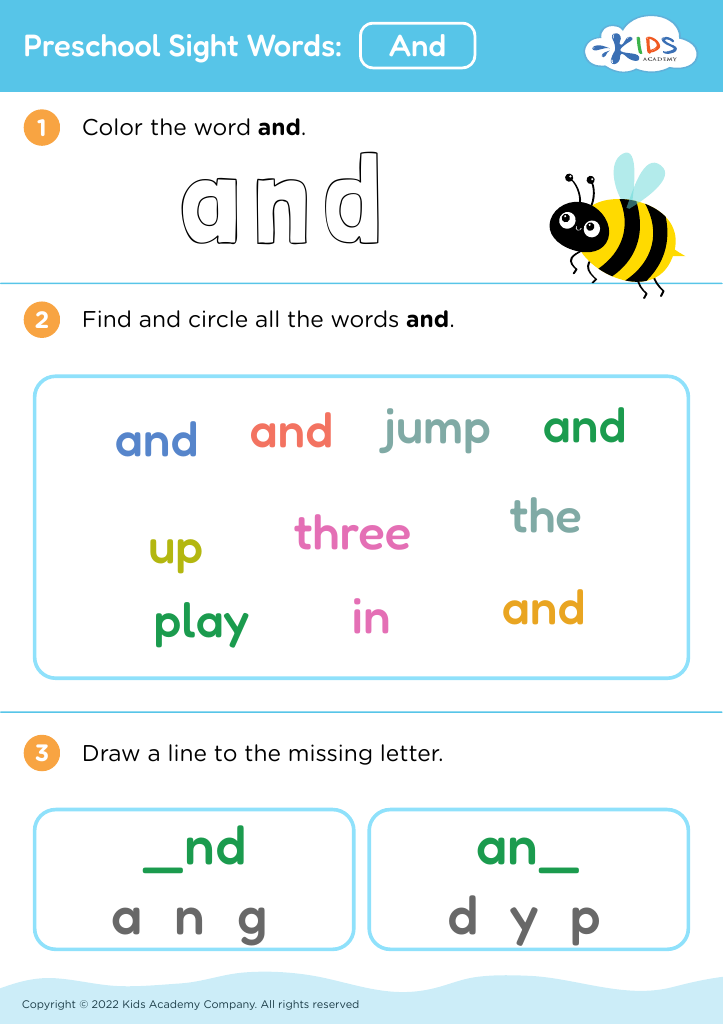
Introduce your 3-year-old to the foundational concepts of fractions and reading with our "Comparing Fractions Sight Words Worksheets." Specifically designed for young learners, these engaging and interactive worksheets combine the basics of fraction comparison with essential sight words practice. Vibrant visuals and enjoyable exercises help kids grasp fractions while enhancing their early reading skills. Tailored for toddlers' comprehension levels, this educational resource promises to make learning both fun and effective, providing a head start in mathematical and linguistic proficiency for your little one. Join us at Kids Academy to begin a captivating learning journey today!








When it comes to providing a robust foundation for early childhood education, both parents and teachers play vital roles. For 3-year-olds, introducing concepts like comparing fractions and sight words early on can lay the groundwork for more advanced learning.
Comparing Fractions: While fractions might seem complex for a 3-year-old, simple activities like dividing a toy or snack can introduce the concept of part-to-whole relationships. Teaching kids to compare fractions aids in the development of critical thinking and problem-solving skills. By understanding comparisons visually—such as using two different pieces of fruit—children grasp mathematical reasoning in an intuitive way. These early experiences set the stage for more complex mathematical concepts down the road.
Sight Words: Reading is a fundamental skill that significantly affects a child’s educational trajectory. Sight words, which are commonly encountered words that kids recognize instantly, boost reading fluency and comprehension. By familiarizing 3-year-olds with these words, parents and teachers can give them a head start in their literacy journey. Activities like flashcards, games, and reading sessions help children commit these words to memory, making future reading less intimidating and more enjoyable.
Together, these basic skills—one numerical, the other literary—help in nurturing well-rounded, confident learners who are better prepared for the academic challenges that lie ahead. Tailoring learning experiences around these foundational concepts can make a meaningful impact on a child’s educational success.