Alphabet Recognition ABC Letters Worksheets for Ages 4-6 - Page 2
31 filtered results
-
From - To
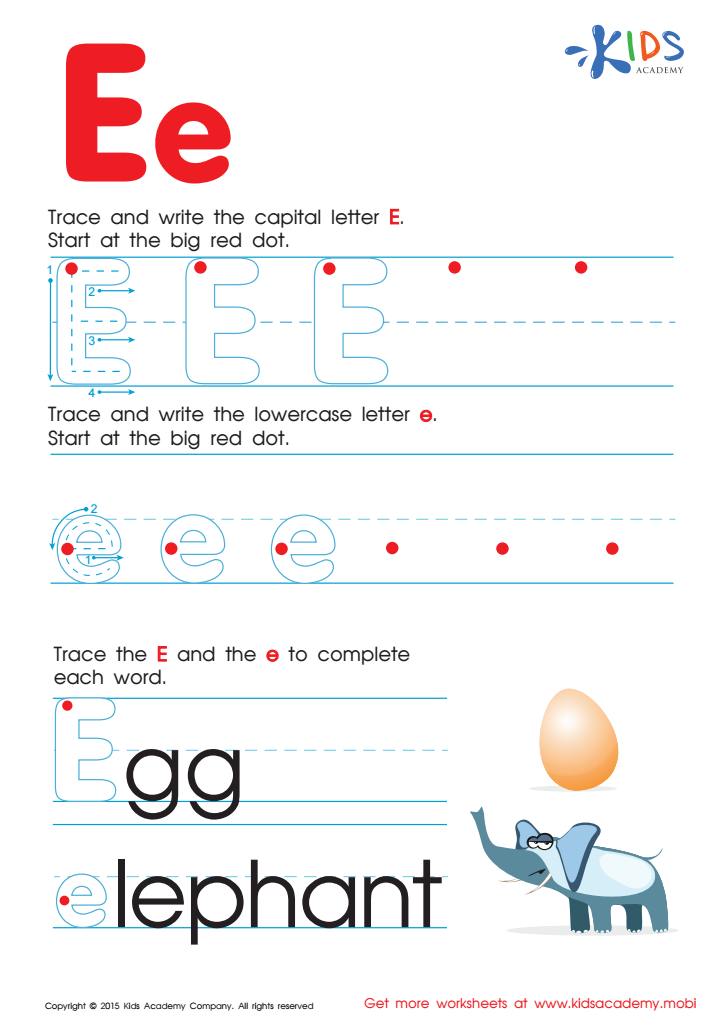
Letter E Tracing Page





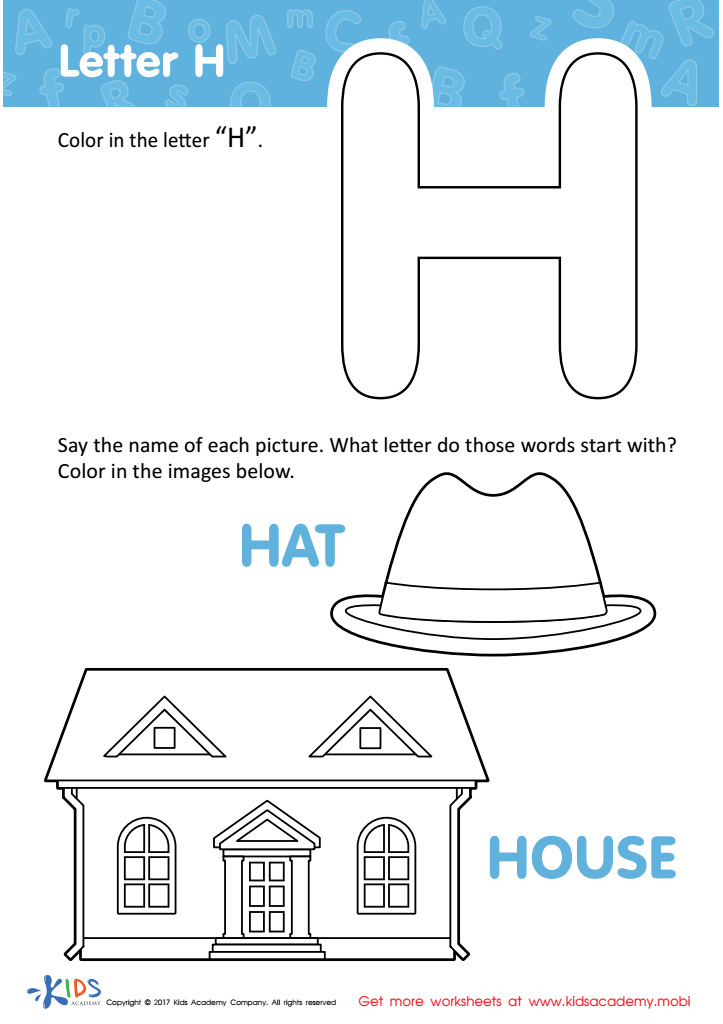
Letter H Coloring Sheet
 Assign to My Students
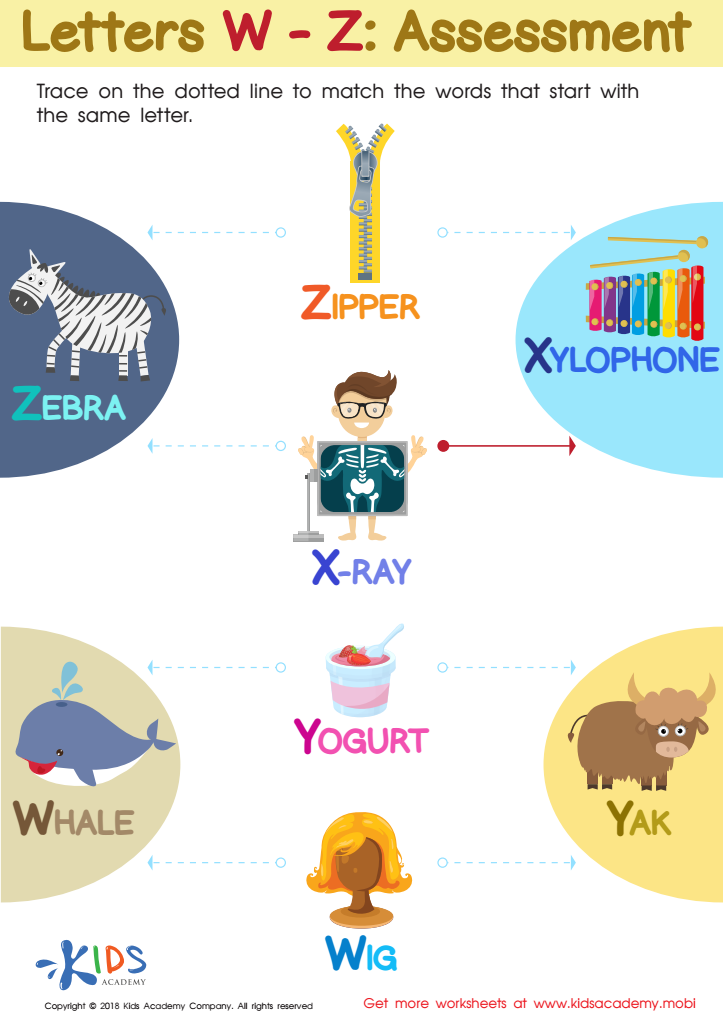
Letters W–Z Tracing Worksheet
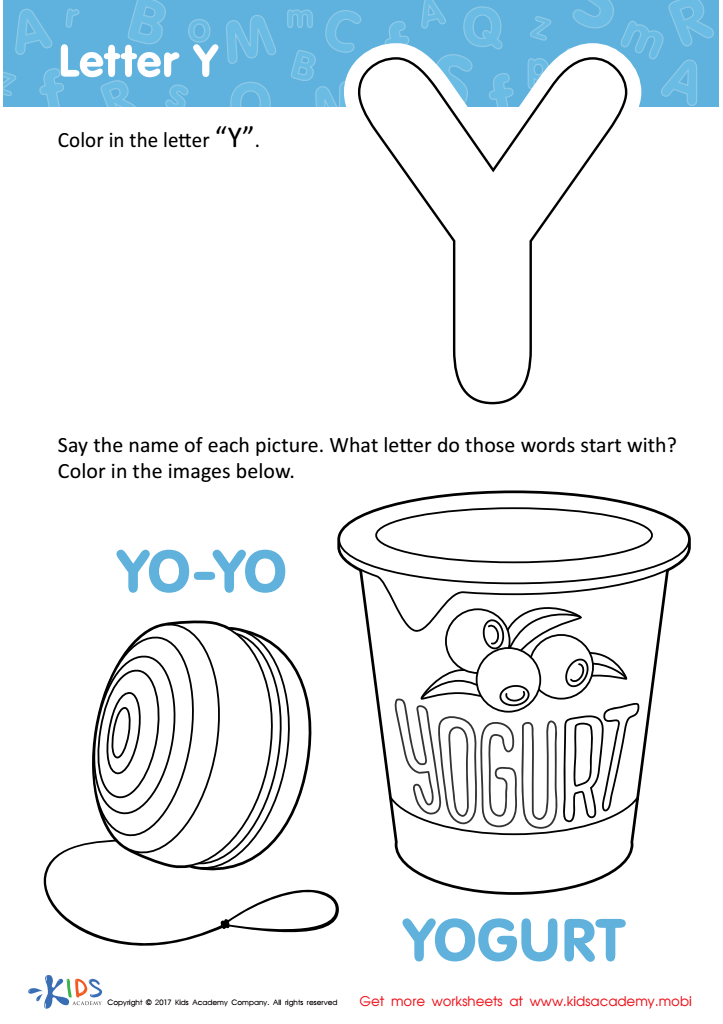
Letter Y Coloring Sheet
Assign to My Students
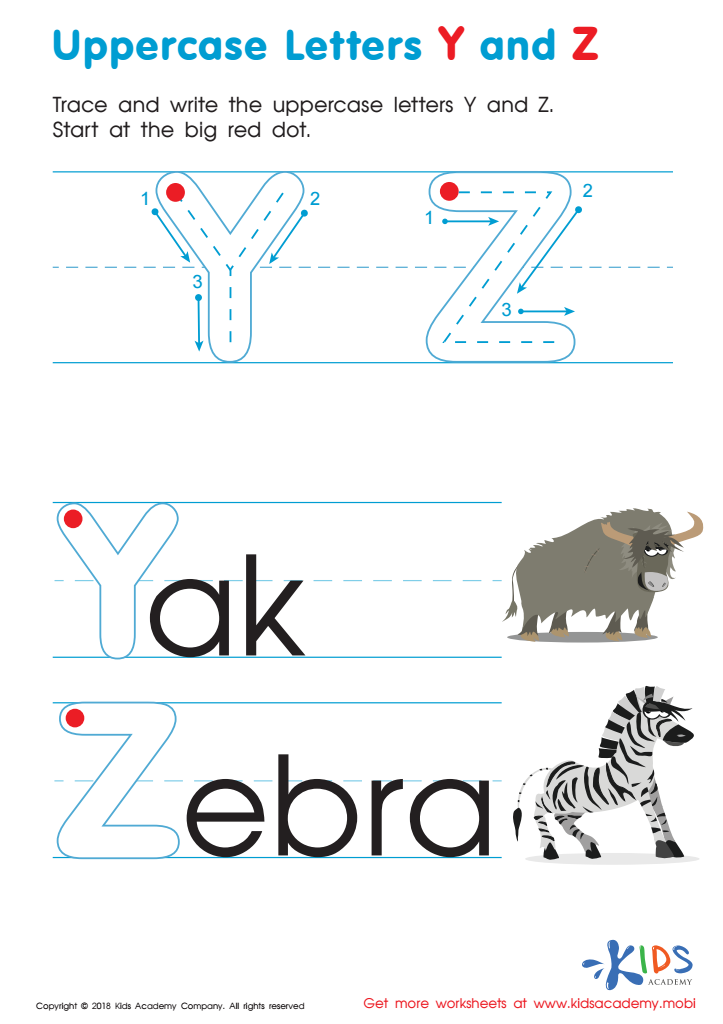
Uppercase Letters Y Z Worksheet
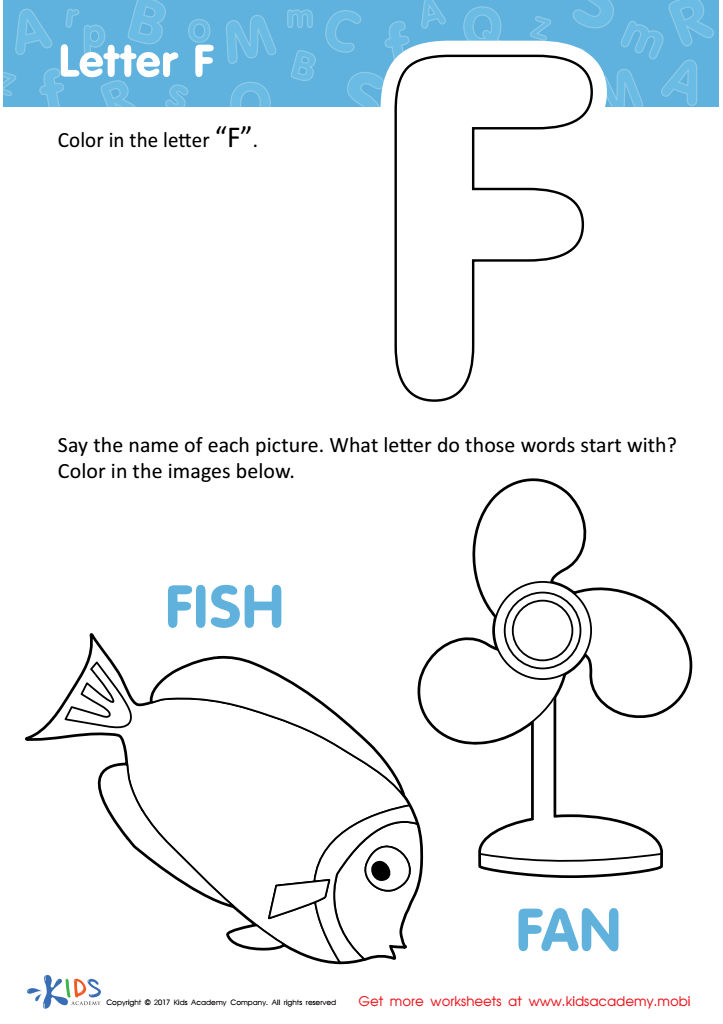
Letter F Coloring Sheet
Assign to My Students
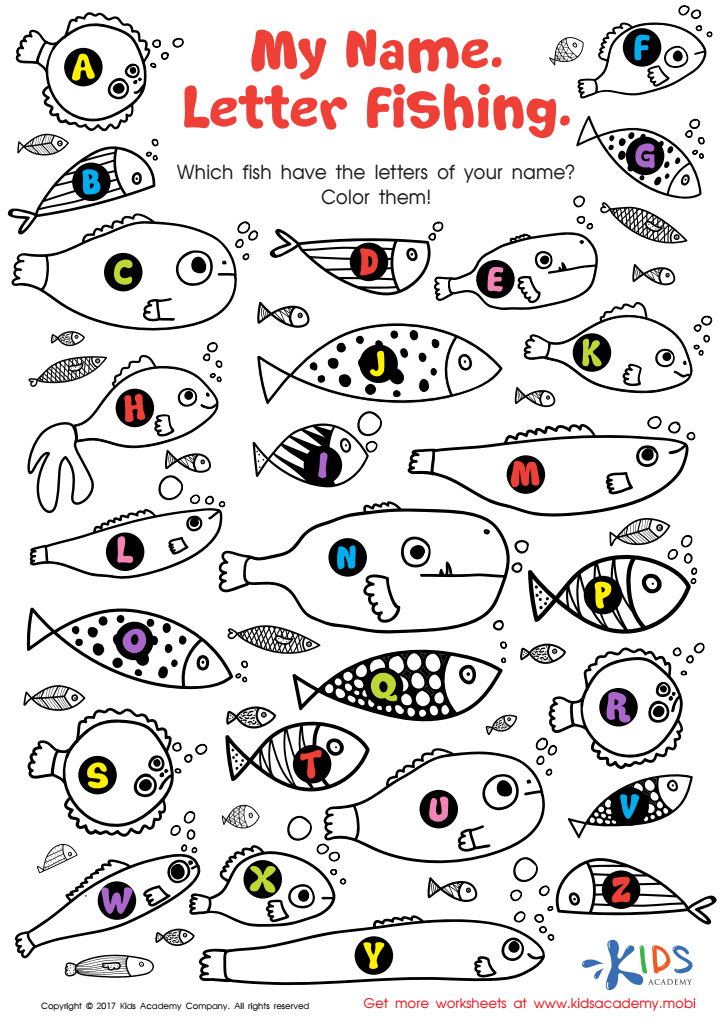
My Name: Letter Fishing Worksheet
Assign to My Students






Alphabet recognition is a fundamental skill for children aged 4 to 6, laying the foundation for literacy and lifelong learning. Parents and teachers should prioritize this because it directly influences children's reading abilities, spelling, and overall communication skills. Recognizing letters helps children understand the relationship between sounds and symbols, aiding in phonemic awareness—a crucial step in mastering reading.
Moreover, early alphabet recognition can boost children's confidence and encourage a love for reading. Engaging with letters through fun activities, songs, and games can make learning enjoyable, fostering a positive attitude toward education. It's also essential for social interactions; recognizing letters helps children identify their names, which is pivotal in forming connections with peers.
Additionally, strong literacy skills correlate with academic success in later years. Children who can easily recognize letters often find themselves ahead in school. For parents and teachers, understanding the role of alphabet recognition in early childhood education is vital for effective teaching strategies and supporting children's development, ensuring they are prepared for future learning challenges. In summary, fostering alphabet recognition is key to nurturing confident, capable readers who are excited about learning new things.







