Fine motor skills development ABC Letters Worksheets for Ages 4-6
3 filtered results
-
From - To
Discover our Fine Motor Skills Development ABC Letters Worksheets, designed specifically for ages 4-6. These engaging worksheets help young learners strengthen their fine motor skills while mastering the alphabet. Through tracing, coloring, and letter formation activities, children will improve their hand-eye coordination, dexterity, and precision. Perfect for preschool and kindergarten, our worksheets offer a fun and educational way to prepare kids for writing success. Boost your child's confidence and motor skills with our expert-crafted, kid-friendly resources. Explore our collection today and set the foundation for lifelong learning!
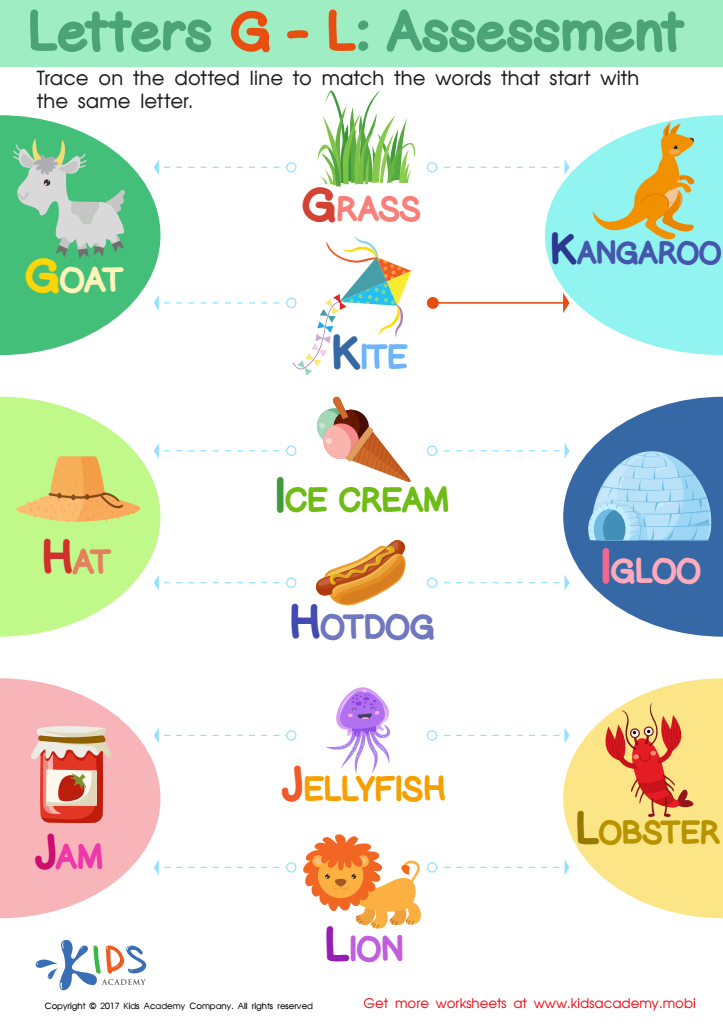
Letters G-L Worksheet










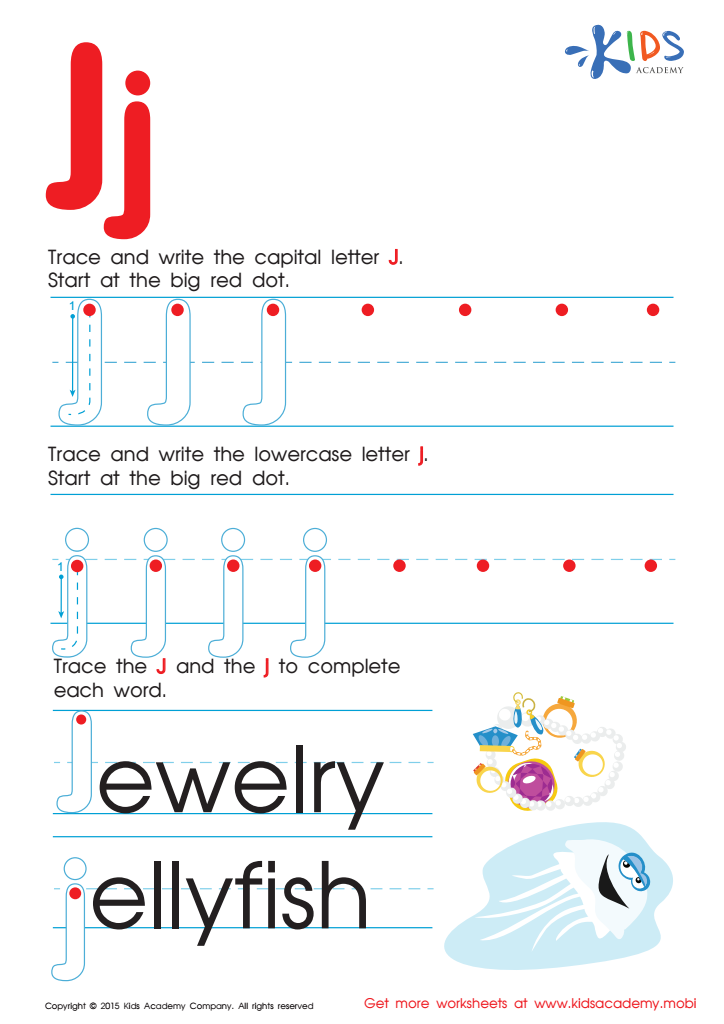
Letter J Tracing Page
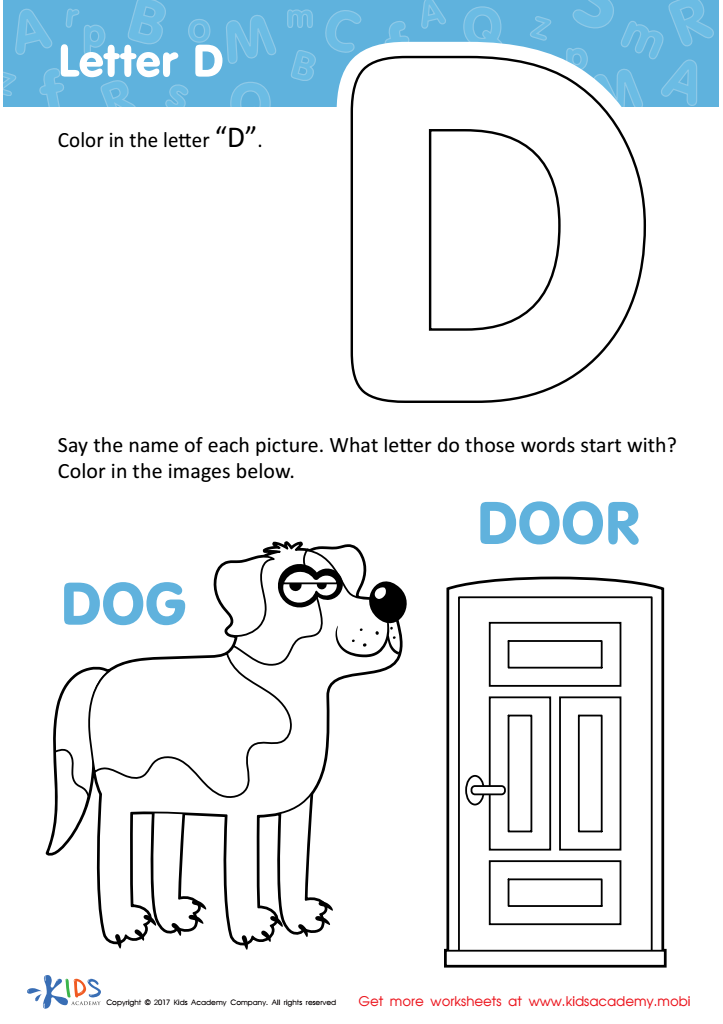
Letter D Coloring Sheet
 Assign to My Students






Parents and teachers should prioritize the development of fine motor skills, particularly through activities like practicing ABC letters, for several crucial reasons, especially for children aged 4-6. First, fine motor skills involve the coordination of small muscles, particularly in the hands and fingers, which are essential for everyday tasks such as writing, buttoning clothes, and tying shoelaces. Early development of these skills lays a strong foundation for a child’s academic journey, as proficient writing abilities are vital for school readiness and success.
Engaging in activities that focus on letters and the alphabet helps strengthen hand-eye coordination, dexterity, and precision. Tracing, drawing, and coloring letters not only make learning fun but also reinforce the recognition of shapes and forms, contributing to literacy skills. Furthermore, mastering fine motor skills boosts a child's confidence and independence in executing tasks, resulting in a sense of accomplishment and fostering a growth mindset.
Additionally, these activities enhance cognitive development by stimulating neural connections in the brain, aiding memory and attention span. By nurturing fine motor skills, parents and teachers not only equip children with the tools necessary for academic and personal life but also contribute to their overall physical and cognitive growth, ensuring well-rounded development.







