Phonics practice Consonants Worksheets for Ages 4-6
5 filtered results
-
From - To
Boost early reading skills with our Phonics Practice Consonants Worksheets for ages 4-6! These engaging, interactive worksheets are designed to help young learners master consonant sounds through fun and effective activities. Children will enhance their phonemic awareness, letter recognition, and sound blending abilities while boosting their confidence and fostering a love for reading. Ideal for use at home or in the classroom, each worksheet provides ample practice to reinforce learning, making it an essential resource for parents and educators. Kickstart your child's literacy journey today with our expertly crafted phonics worksheets!
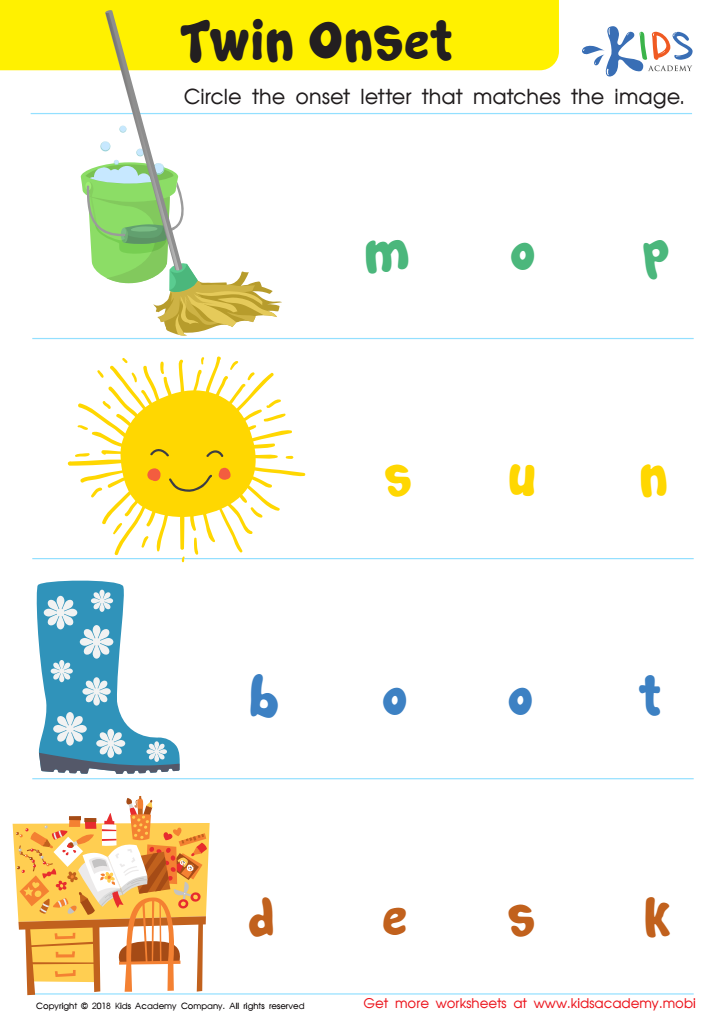
Twin Onset Worksheet
 Assign to My Students
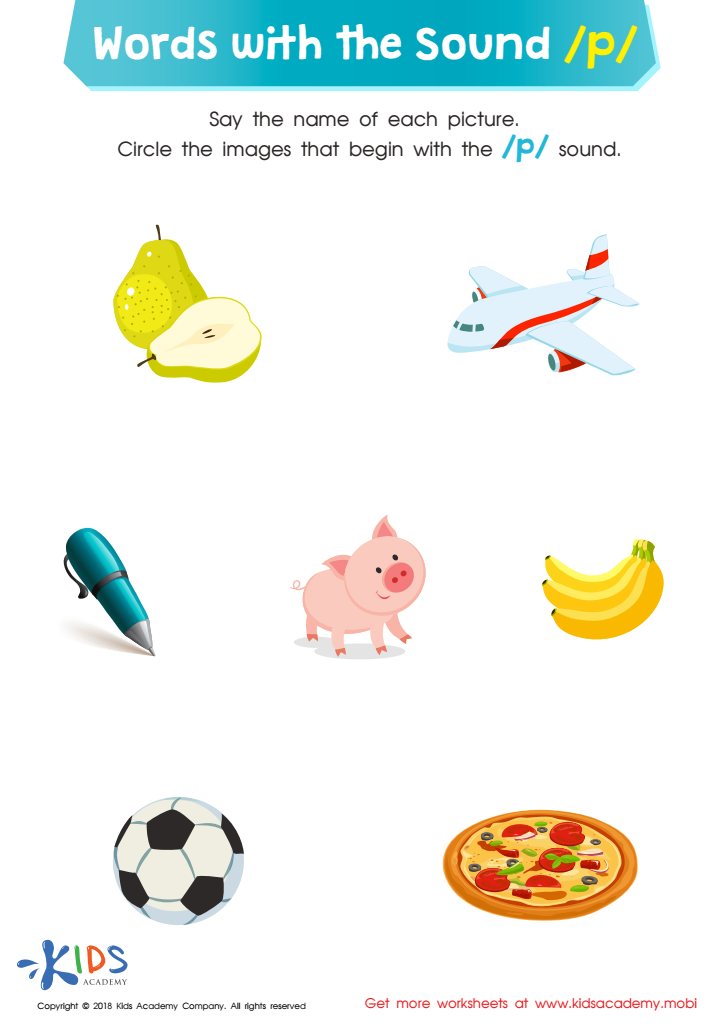
Words with sound p Reading Worksheet
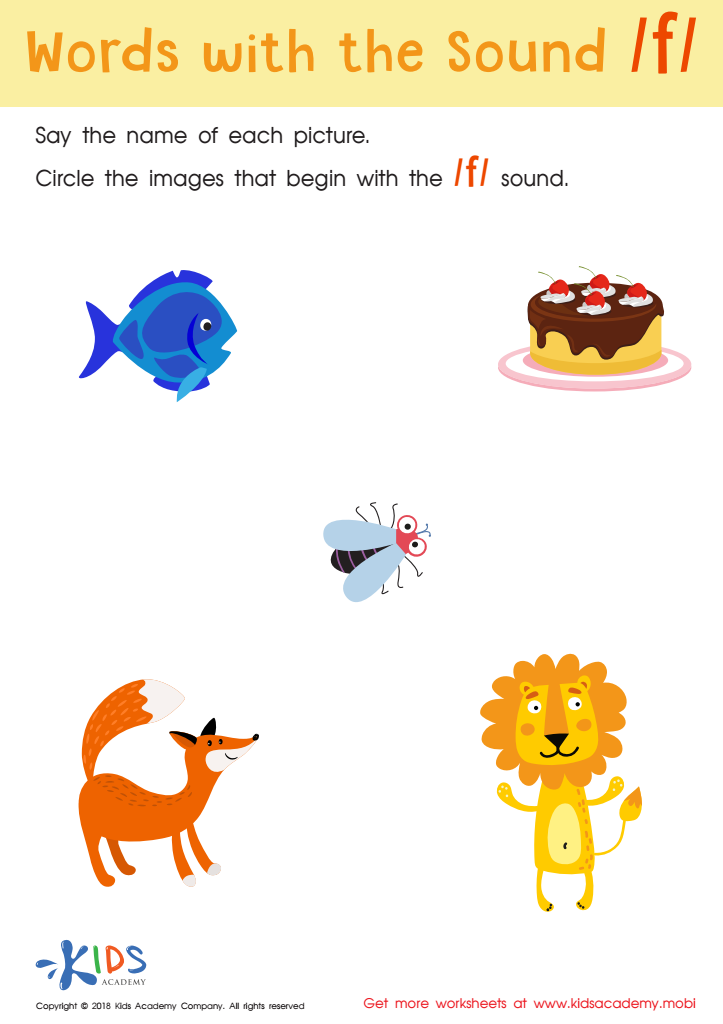
Words with sound f Reading Worksheet
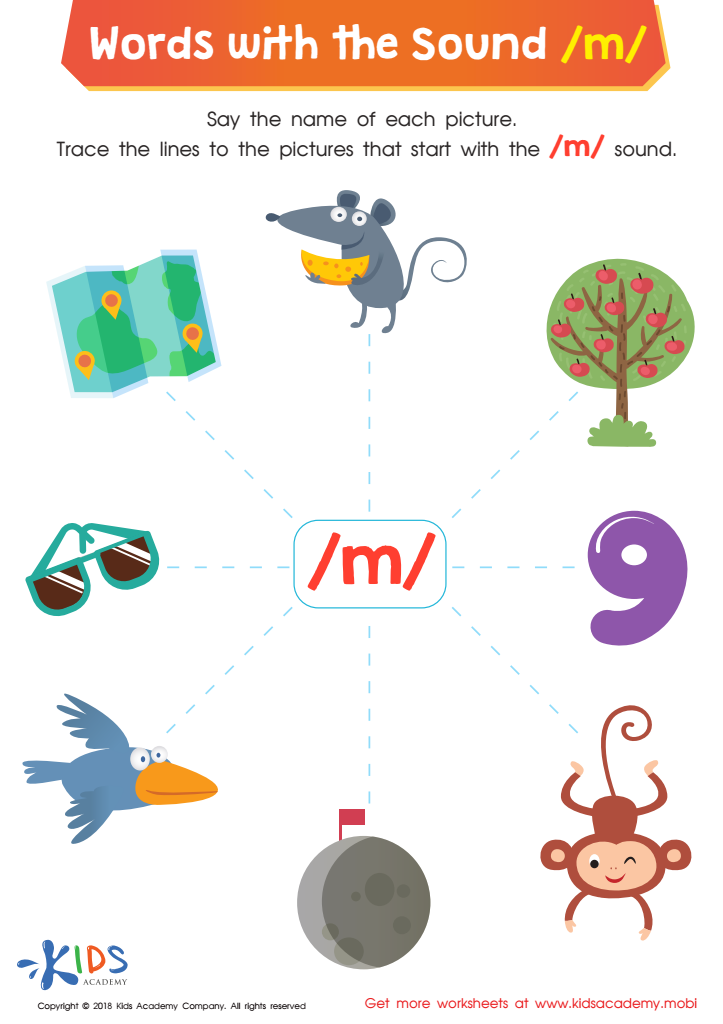
Words with Sound M Reading Worksheet
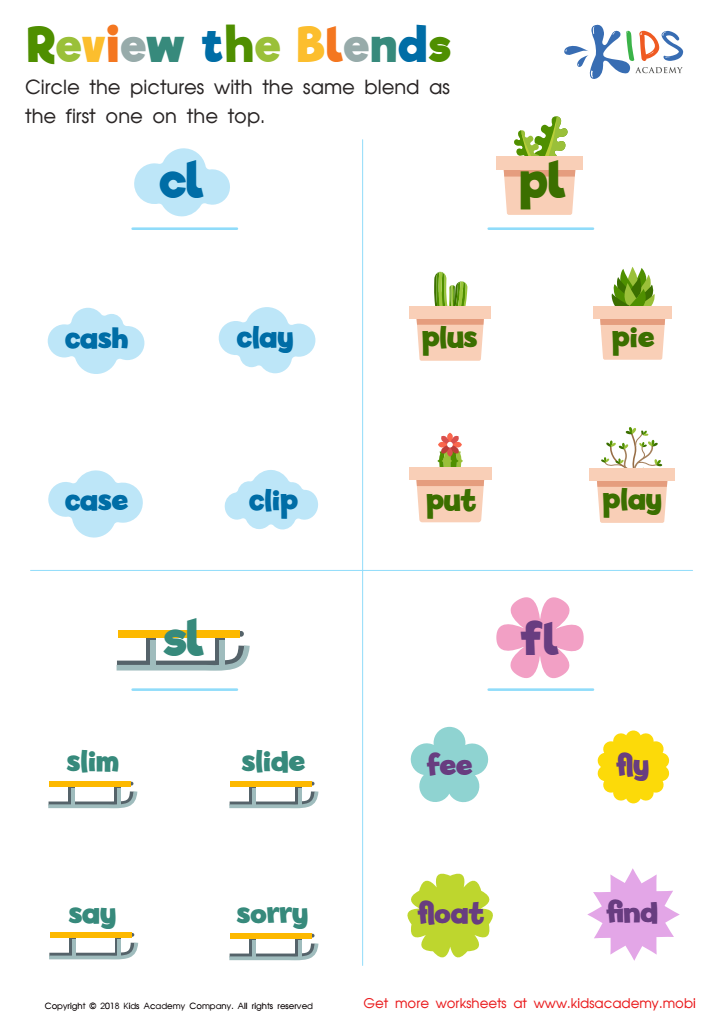
Review the Blends Worksheet



Phonics practice, especially focusing on consonants, is vital for children ages 4-6 because it lays the foundation for reading and writing skills. At this formative age, children's brains are highly receptive to language acquisition. Phonics involves teaching the sounds that letters make, enabling children to decode and blend these sounds to form words.
Understanding consonants is crucial because they form the backbone of most syllables. Without a firm grasp of consonant sounds, children are likely to struggle with word recognition and reading fluency. This can impede their ability to understand and enjoy reading, potentially leading to a lifelong aversion to literacy.
Furthermore, consonant phonics practice supports spelling and pronunciation. When children can associate letters with specific sounds, they become more confident in spelling out words accurately and pronouncing them correctly. Consistency in these foundational skills boosts their self-esteem and motivation to learn.
Parents and teachers should care deeply about phonics practice for consonants as it sets the stage for future academic success. Early intervention with effective phonics instruction can help prevent reading difficulties, ensuring that children are well-equipped with the essential tools for lifelong learning and communication.







