Alphabet Recognition Alphabet Worksheets for Ages 4-6 - Page 3
64 filtered results
-
From - To
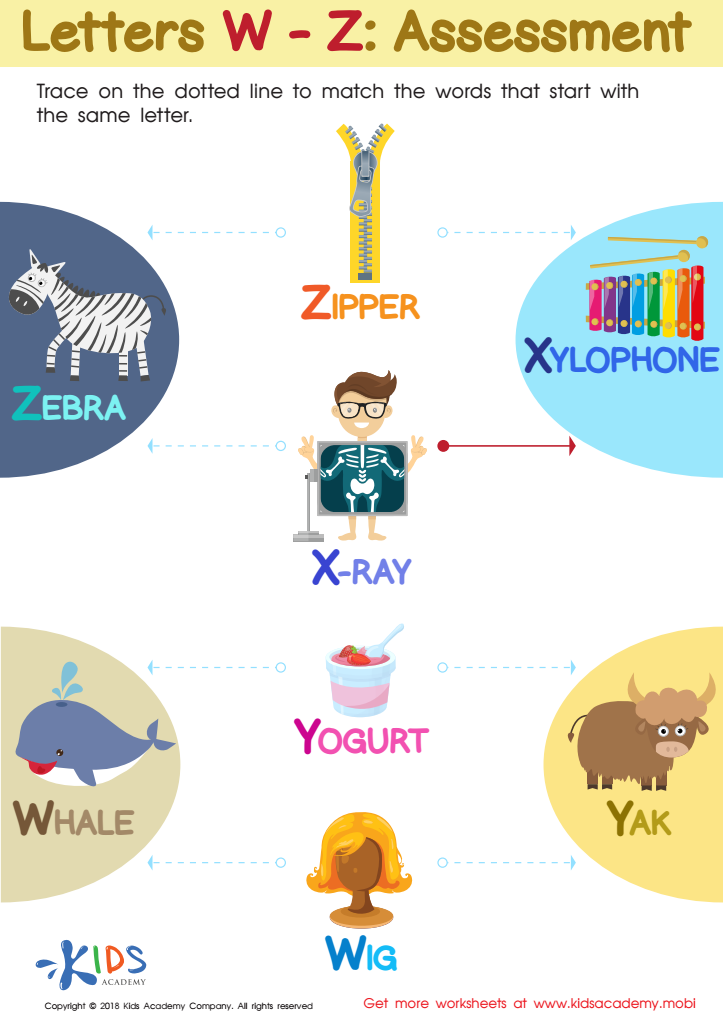
Letters W–Z Tracing Worksheet
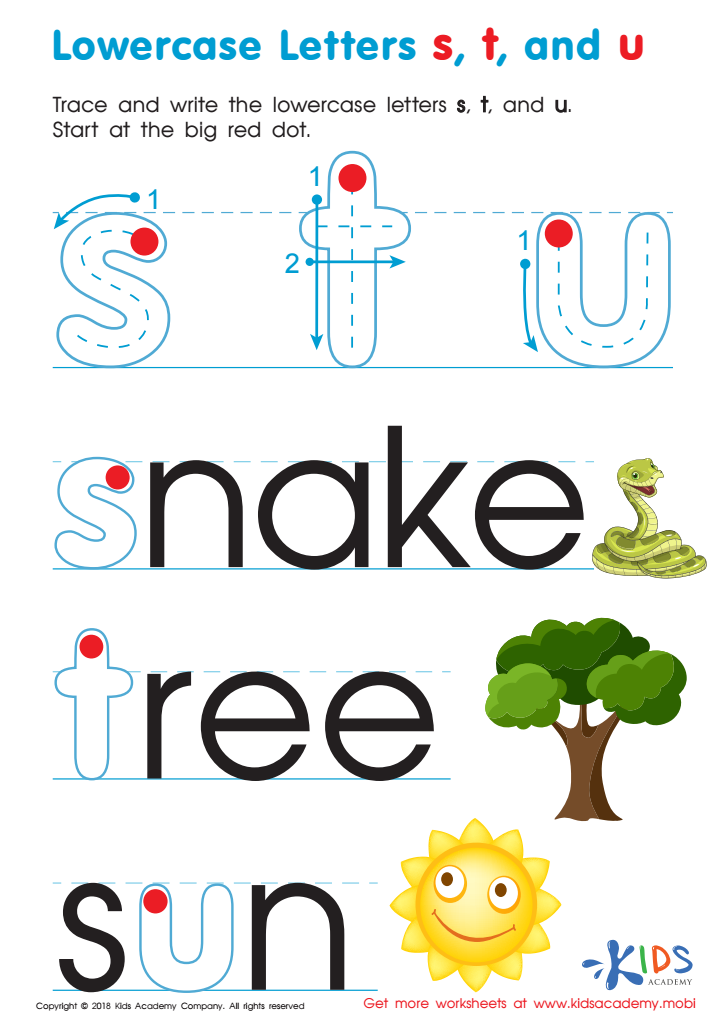
Lowercase Letters s t u Worksheet
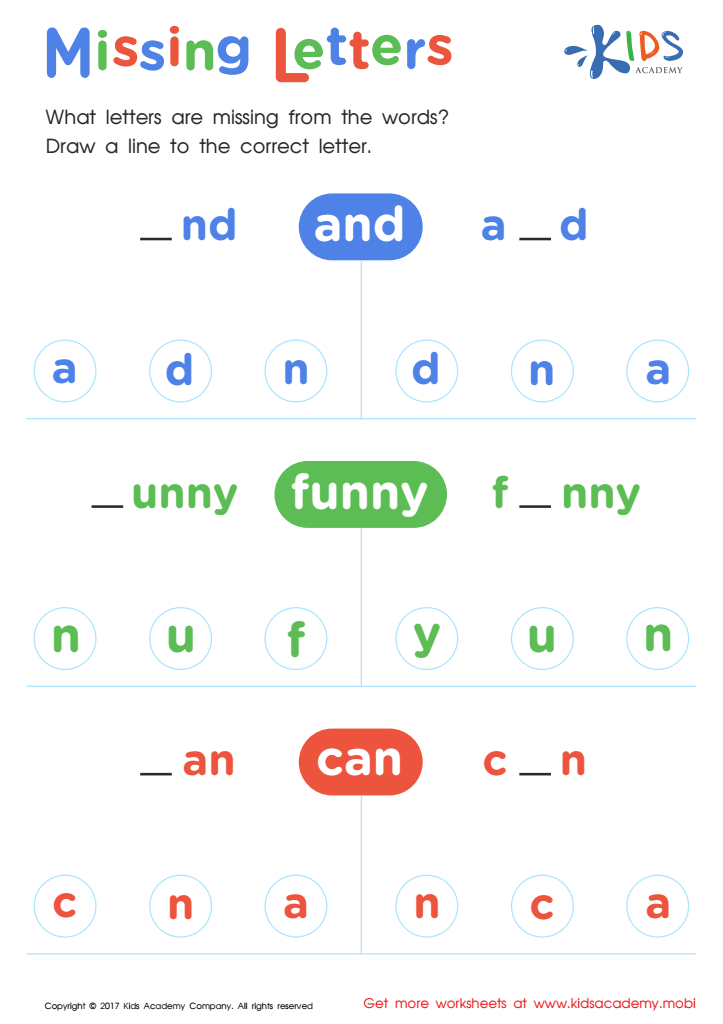
Missing Letters Worksheet
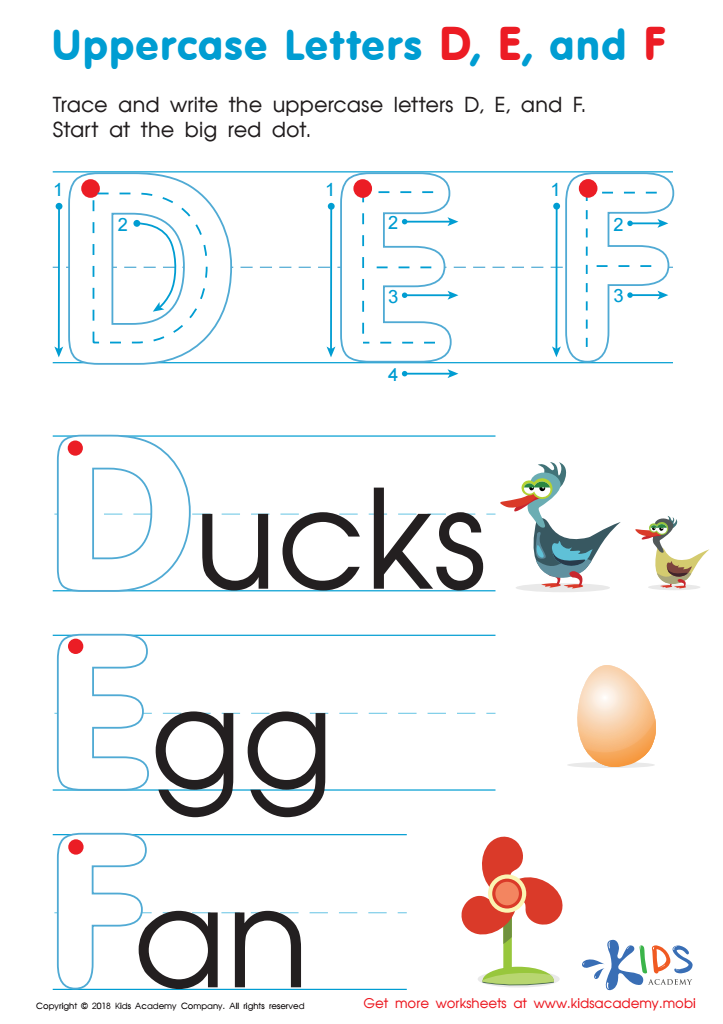
Uppercase Letters D, E, and F Worksheet
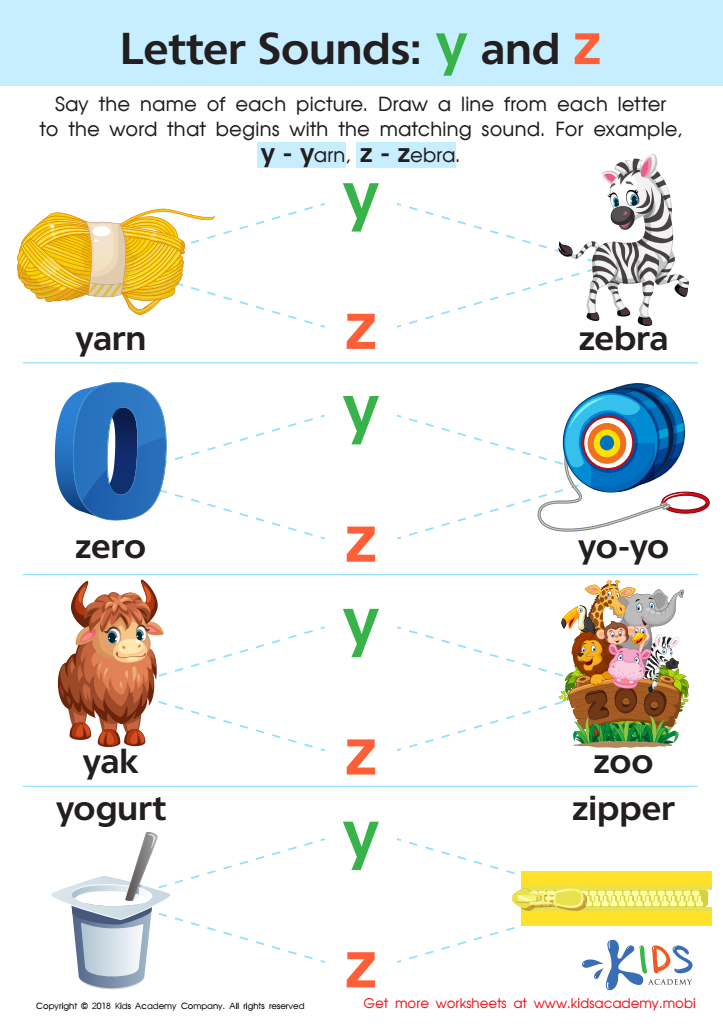
Letter Y and Z Sounds Worksheet
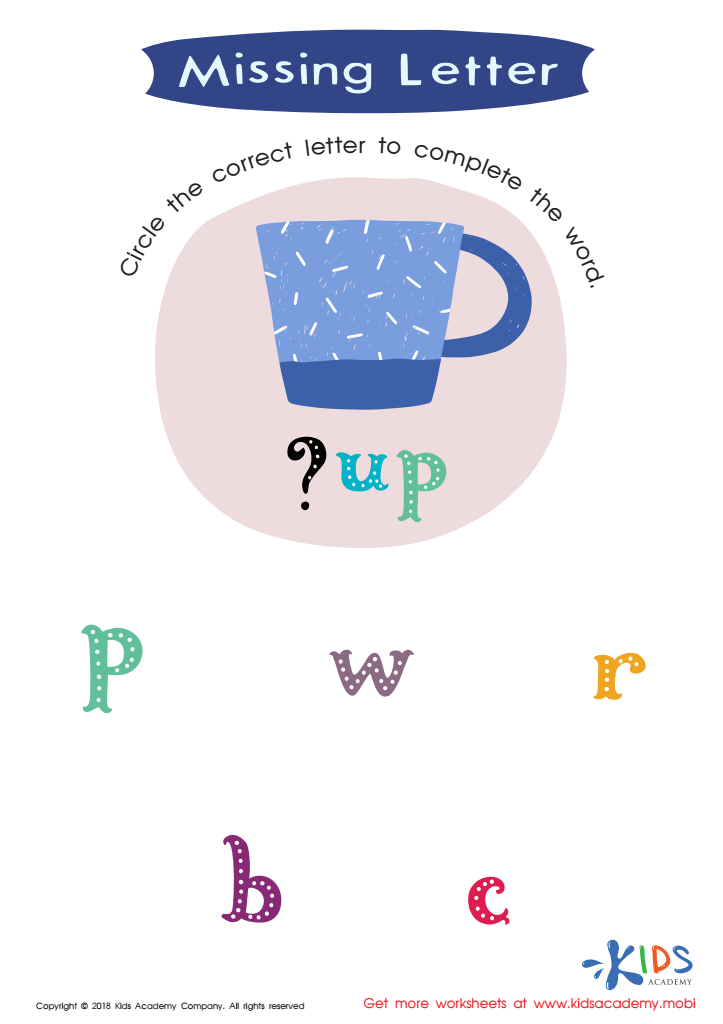
Missing Letter Worksheet
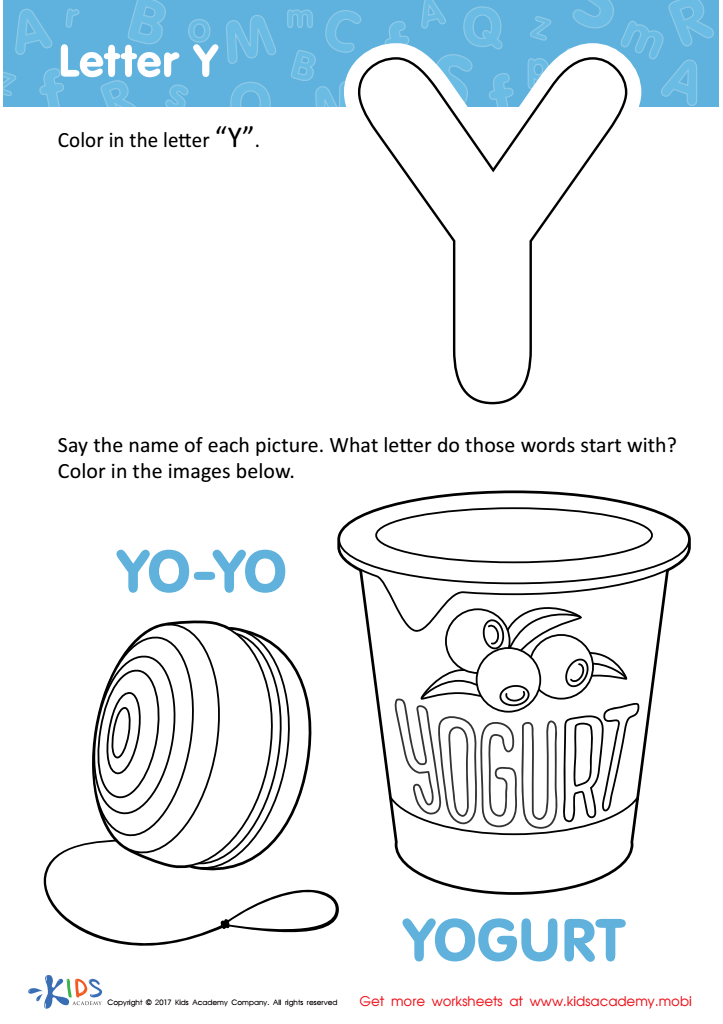
Letter Y Coloring Sheet
 Assign to My Students
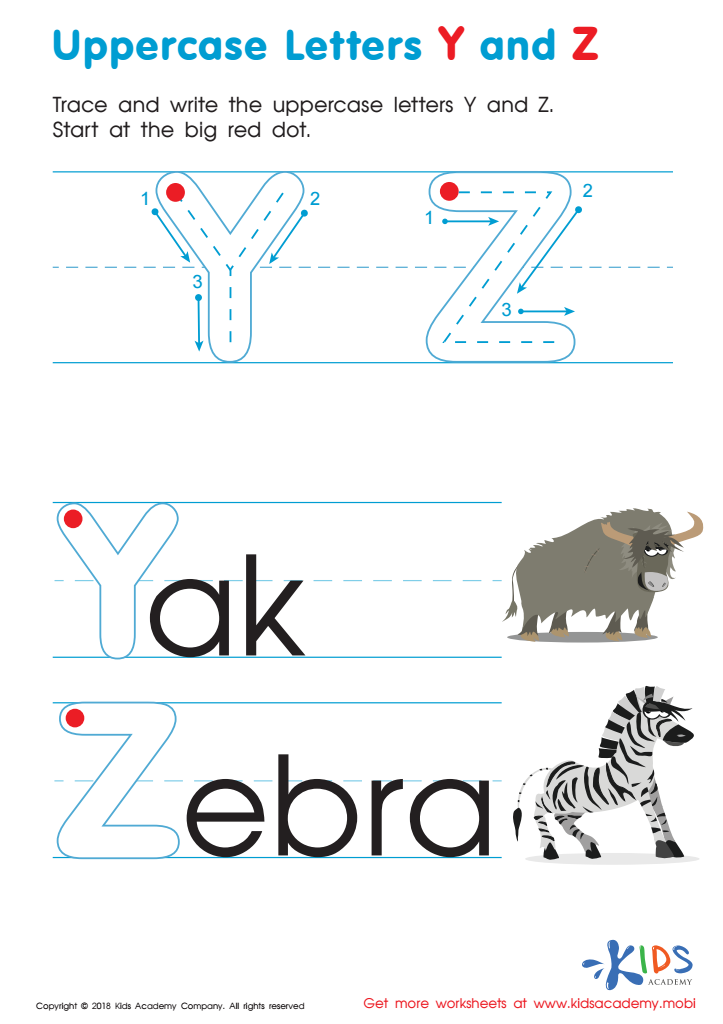
Uppercase Letters Y Z Worksheet
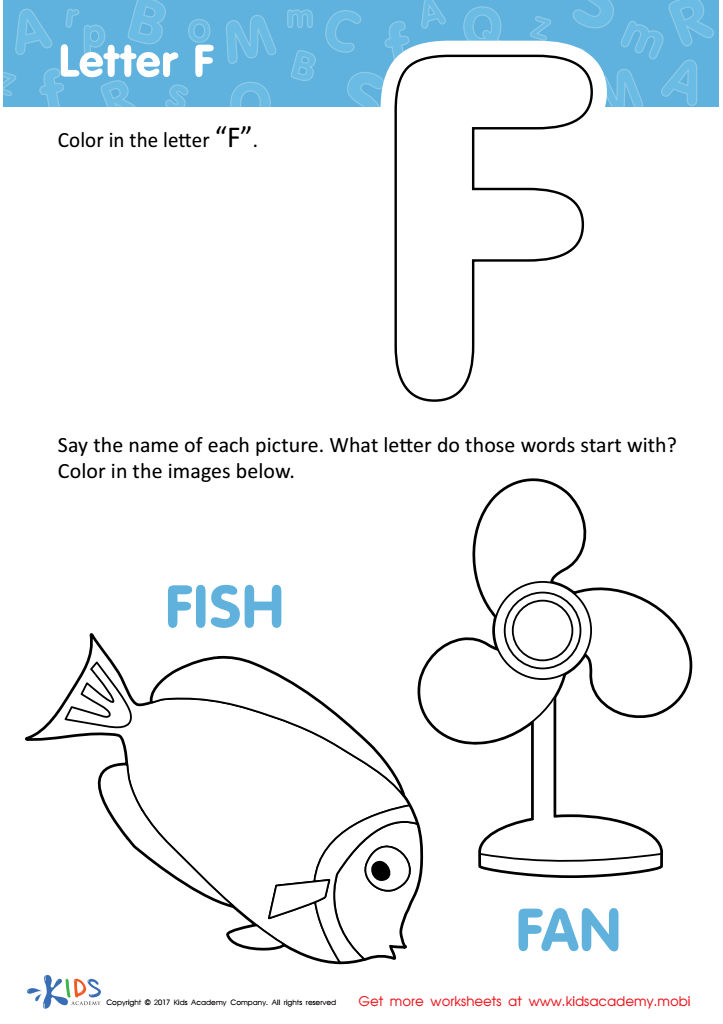
Letter F Coloring Sheet
Assign to My Students
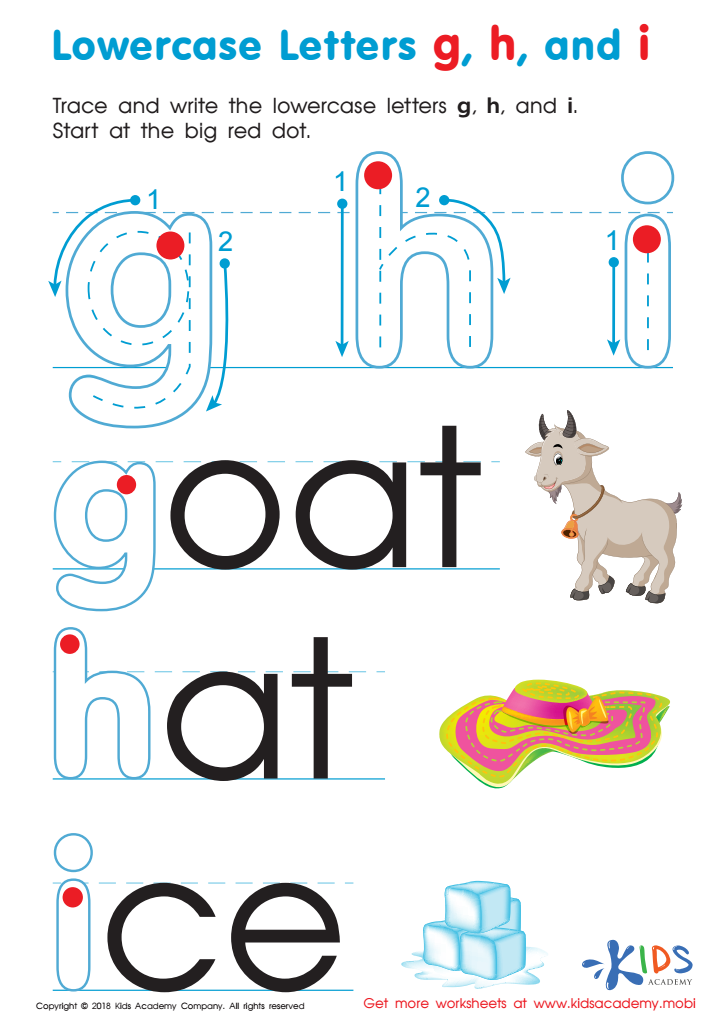
Lowercase Letters g h i Worksheet
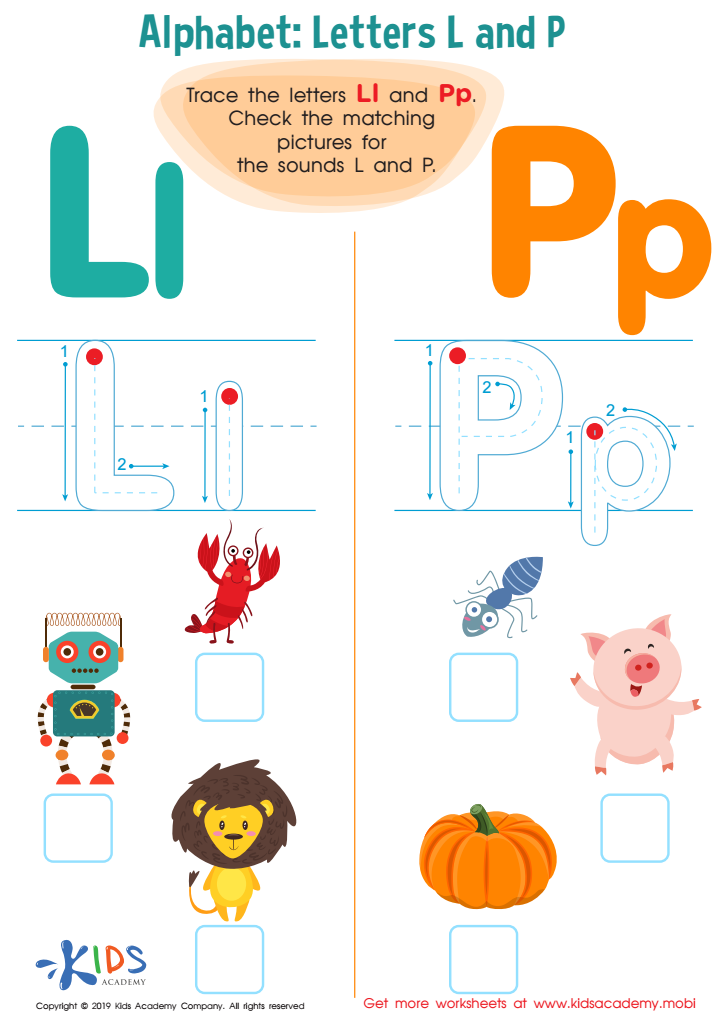
Letter L and P Tracing Worksheet
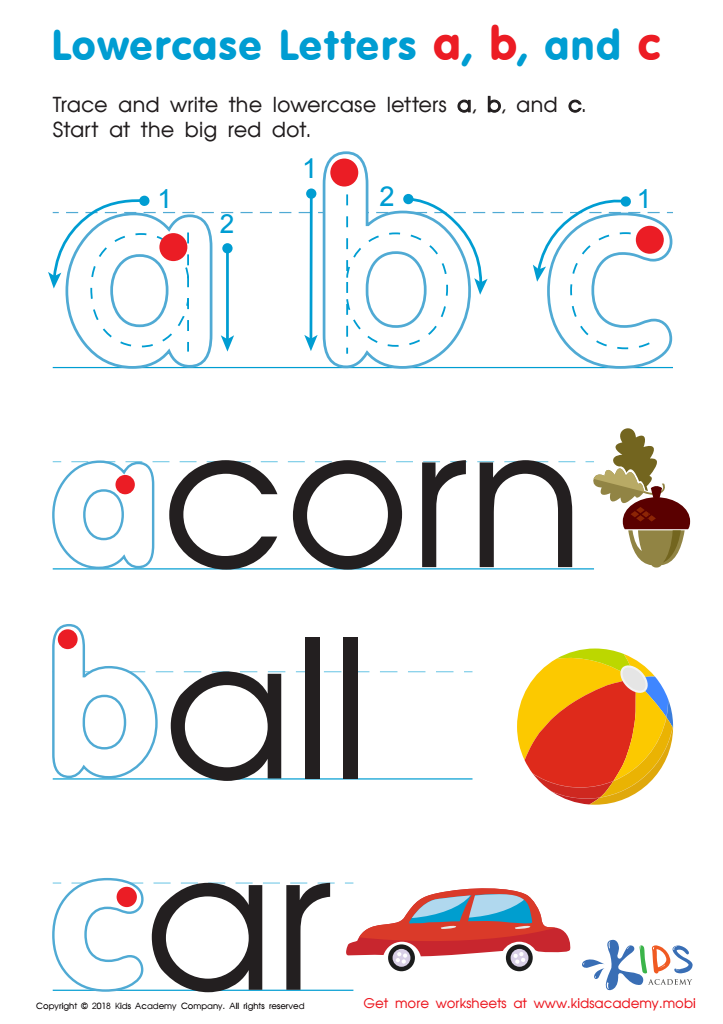
Lowercase Letters a b c Worksheet
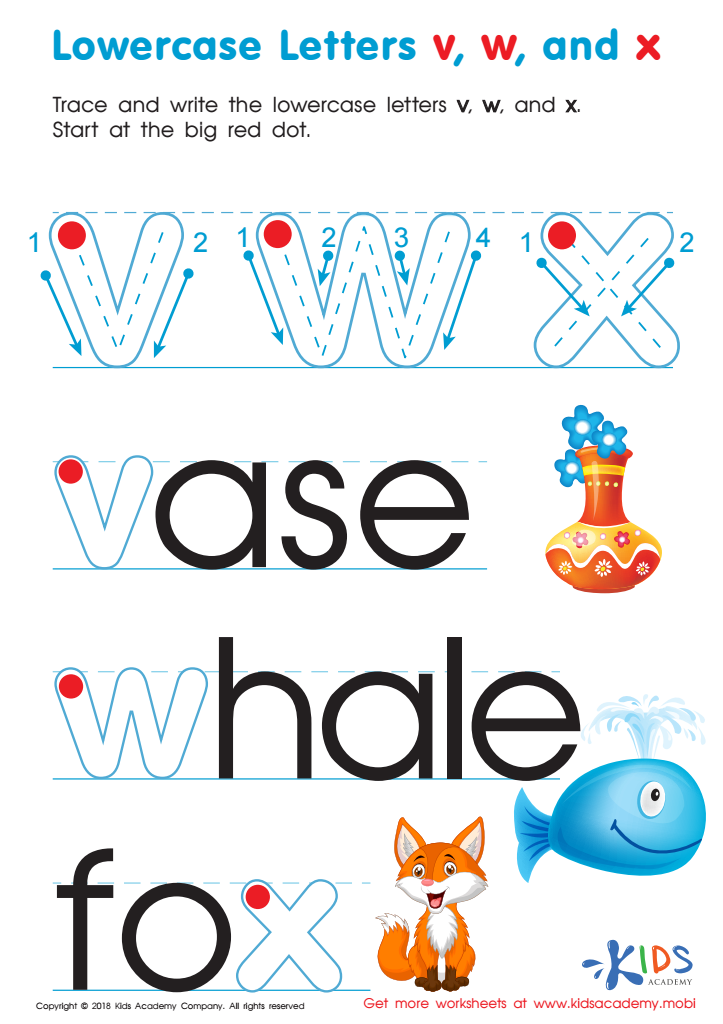
Lowercase Letters v w x Worksheet
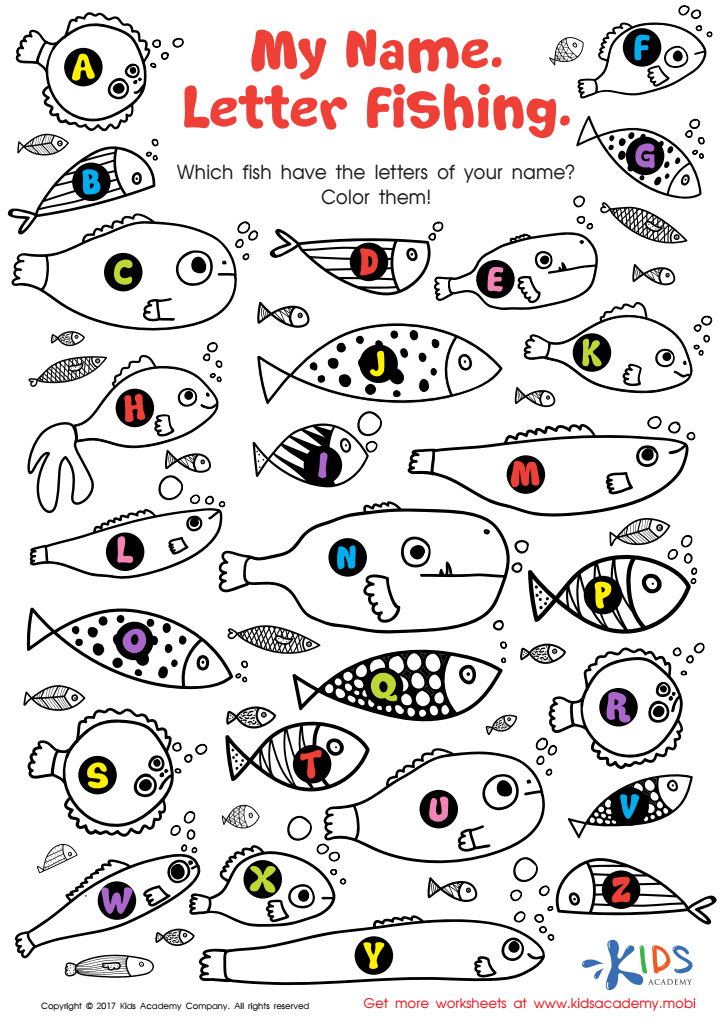
My Name: Letter Fishing Worksheet
Assign to My Students
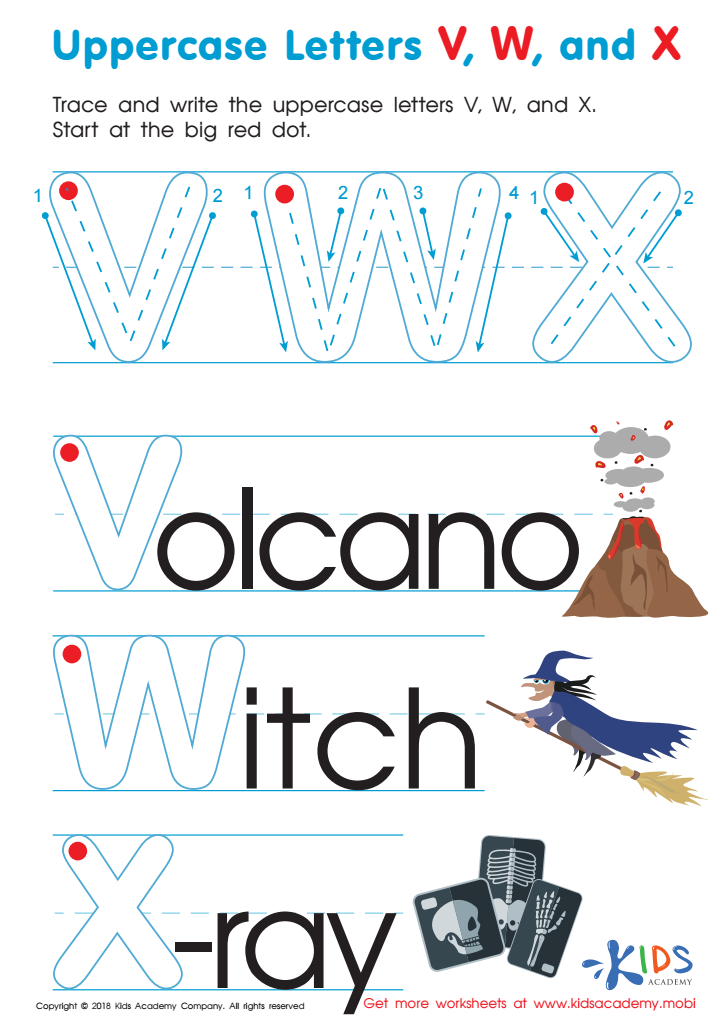
Uppercase Letters V, W, and X Worksheet
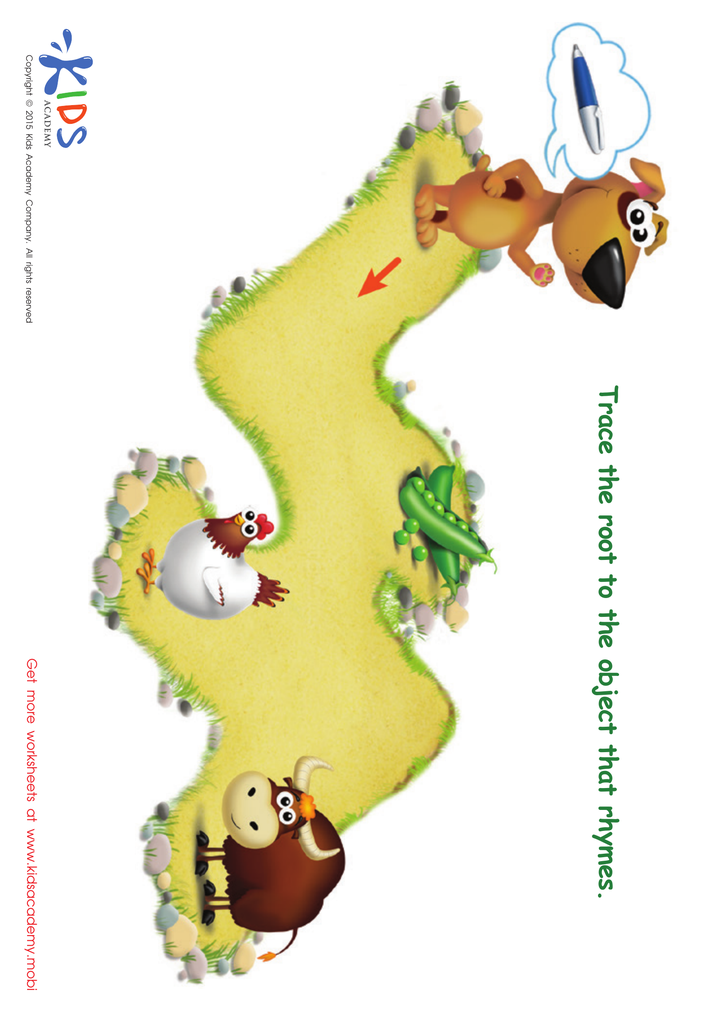
Pen Rhyming Words Worksheet







Alphabet recognition is a cornerstone of early literacy, vital for children aged 4-6 as it paves the way for reading and writing skills. When children can identify letters and associate them with sounds, they begin to decode words, fostering early reading abilities. This foundational skill promotes confidence, making learning enjoyable rather than frustrating.
Parents and teachers should prioritize alphabet recognition because it develops phonemic awareness, a critical pre-reading skill. Kids who recognize letters can link letters with sounds, aiding in word construction and phonics application. It also enhances vocabulary development; children learn new words when they recognize and understand letter patterns, improving communication skills.
Moreover, alphabet recognition supports cognitive development, encouraging memory, attention, and visual and auditory processing skills. These are crucial for overall academic success and everyday functioning. Engaging in alphabet-related activities like singing the alphabet song, playing letter-matching games, and reading alphabet books also builds positive, interactive learning experiences, bonding time for parents and kids, and provides teachers with effective teaching tools.
Ensuring children aged 4-6 master alphabet recognition forms an essential educational foundation, fostering a lifelong love for reading, learning, and intellectual exploration.







