Sound recognition Alphabet Worksheets for Ages 4-6
12 filtered results
-
From - To
Introducing our "Sound Recognition Alphabet Worksheets" tailored for children aged 4-6. These engaging and educational worksheets are designed to help young learners master alphabet sounds through fun activities and exercises. Each worksheet focuses on different letters, using vibrant illustrations and interactive tasks to reinforce sound recognition. Perfect for both classroom and home use, these worksheets provide a solid foundation for early reading skills. Support your child's learning journey with our expertly crafted resources, ensuring they gain confidence and proficiency in recognizing letter sounds. Visit our website and watch your child discover the joy of learning the alphabet!
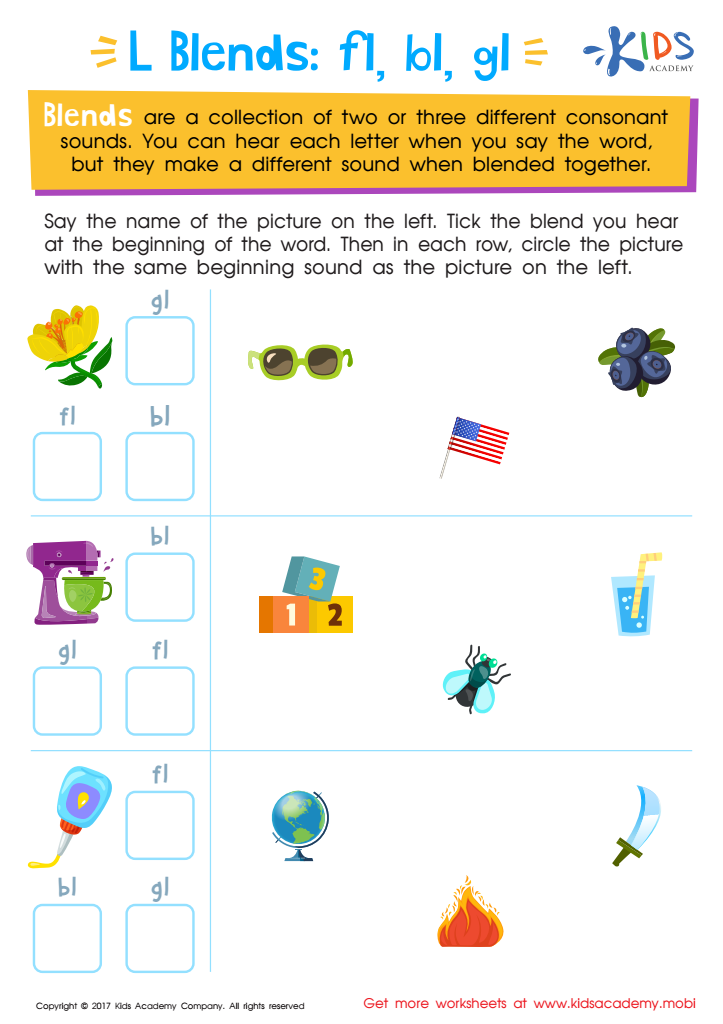
Blending Consonants: "Fl", "Bl" and "Gl" Printable
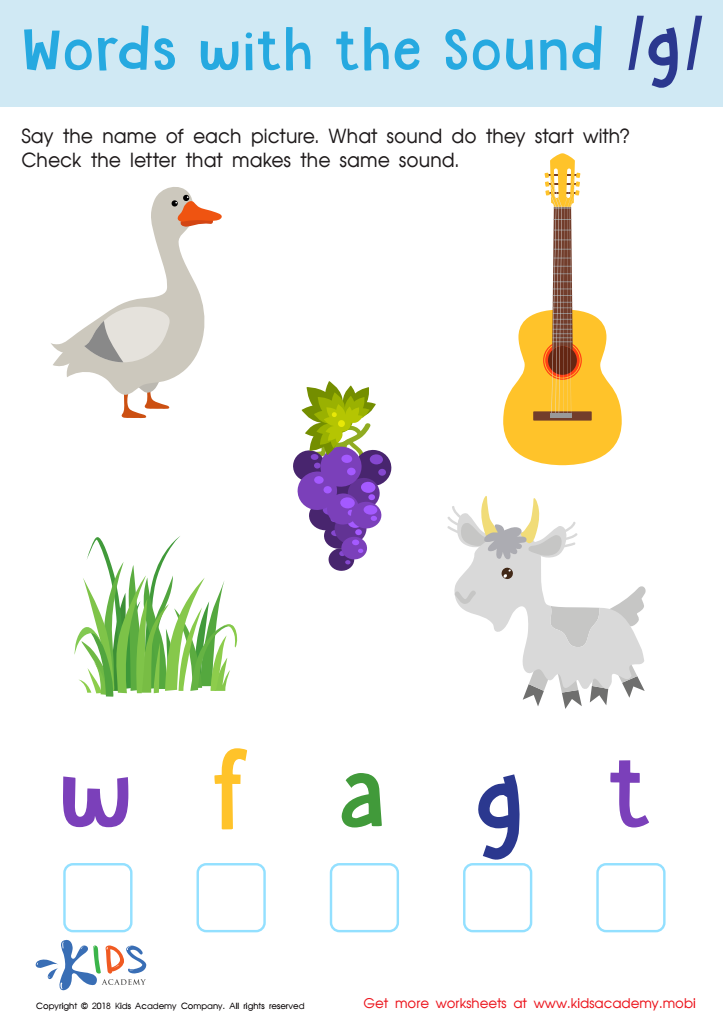
Words with sound g Reading Worksheet
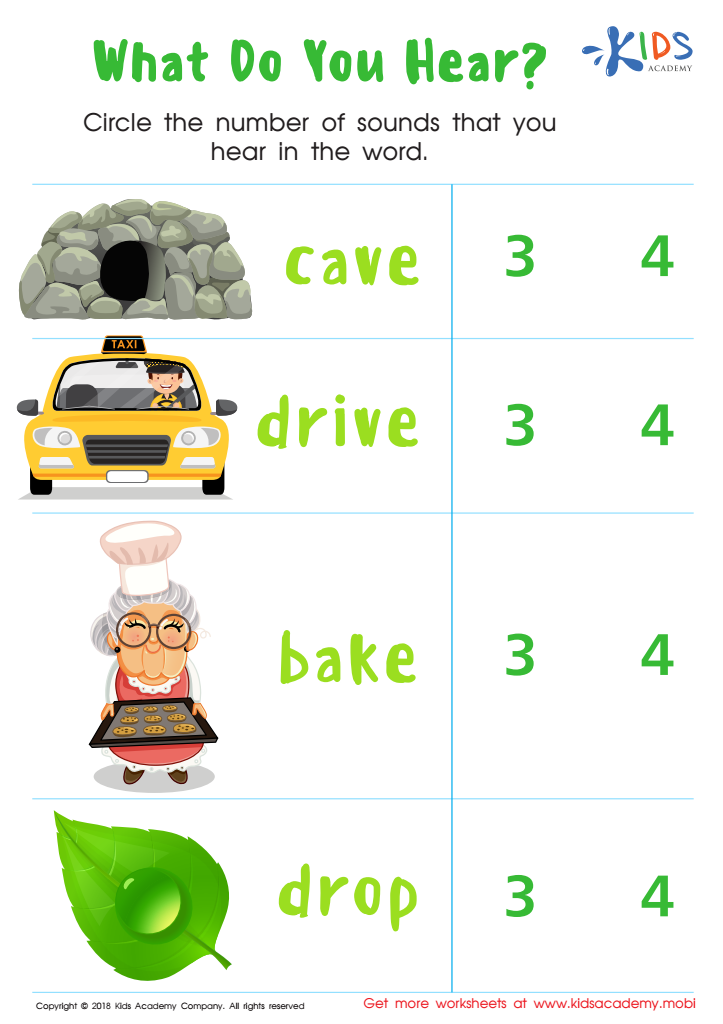
What Do You Hear? Worksheet
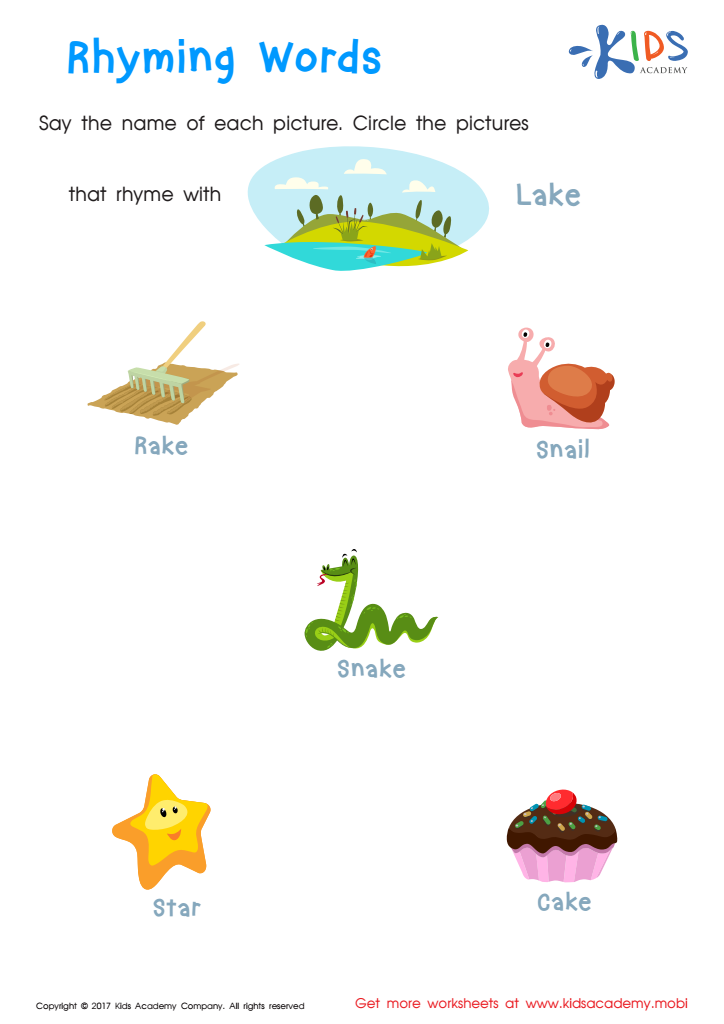
Rhyming Words Rhyming Worksheet
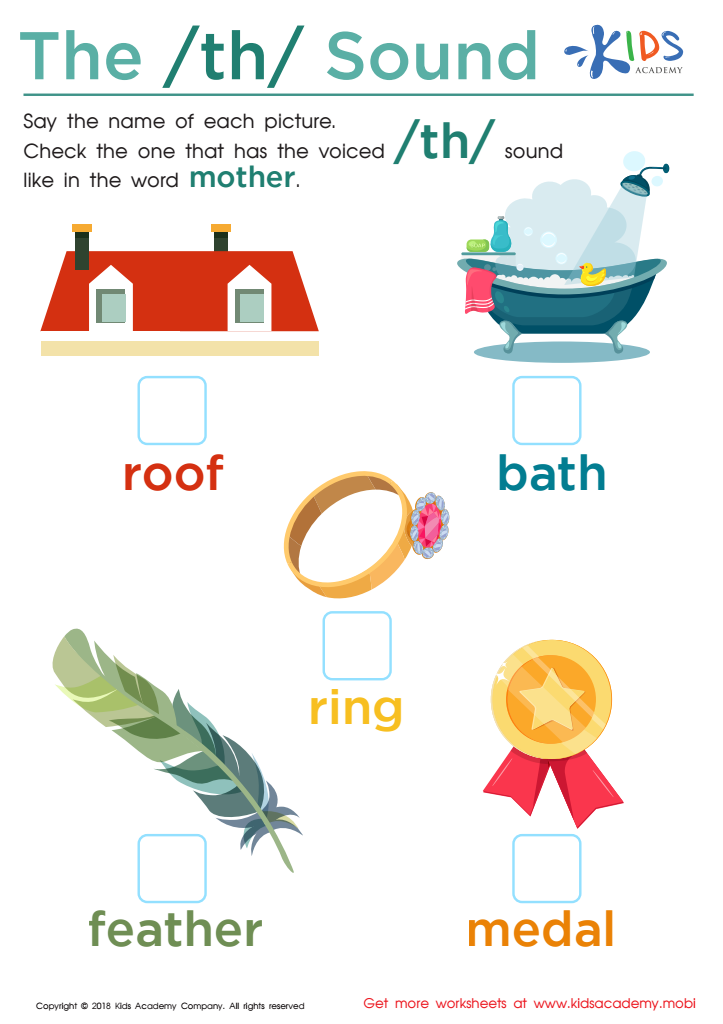
The /th/ Sound Worksheet
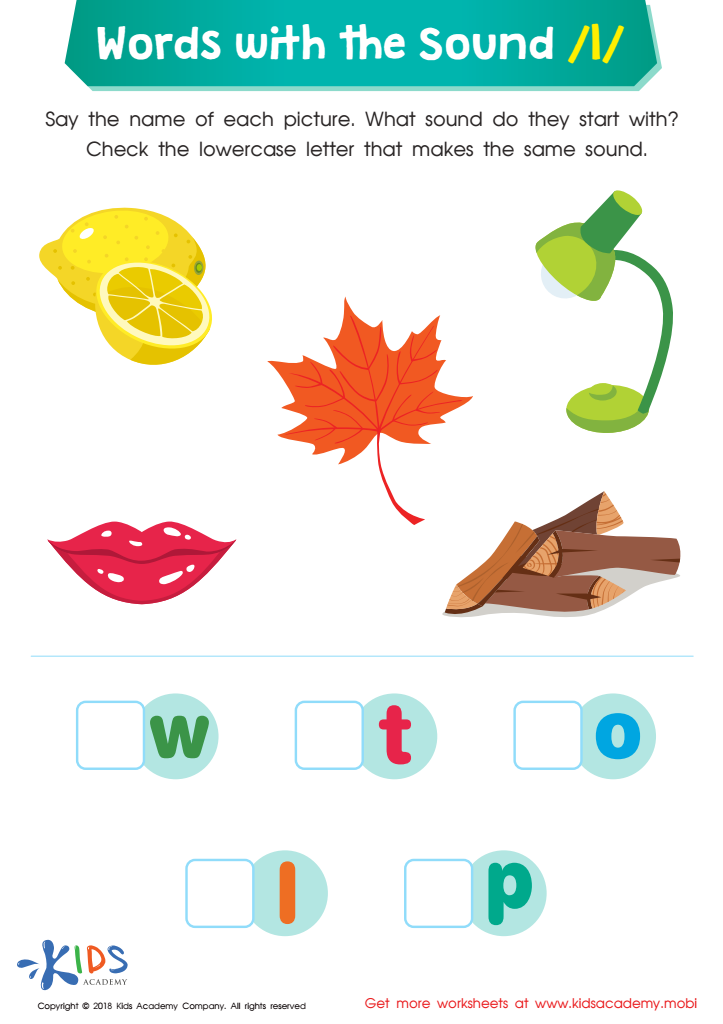
Words with Sound L Reading Worksheet
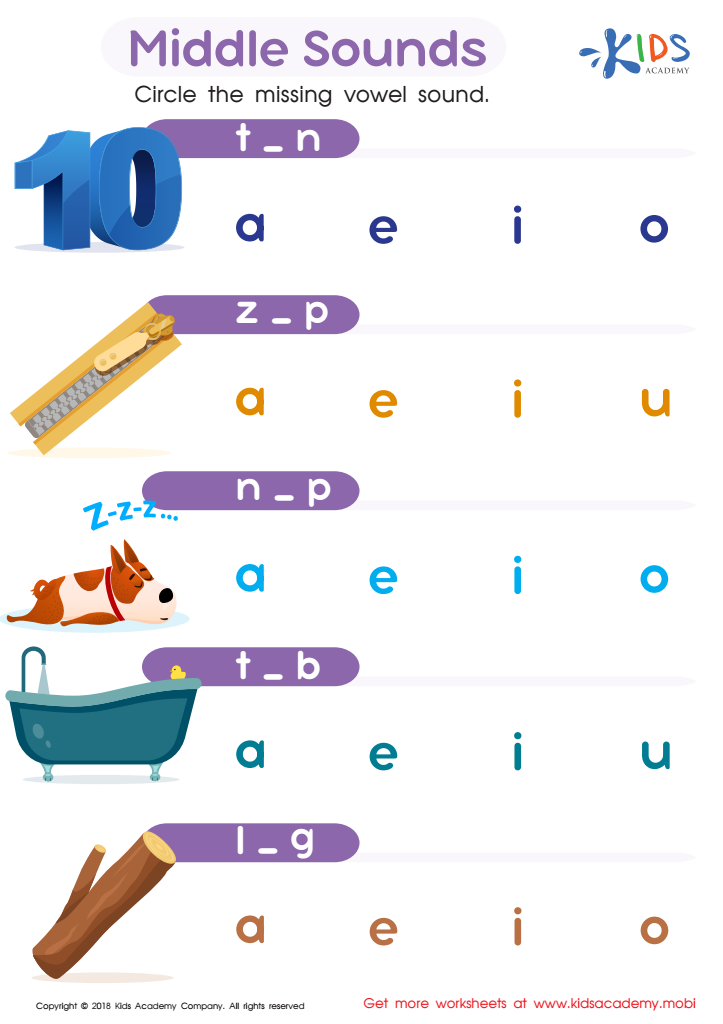
Middle Sounds Worksheet

Long and Short U Worksheet
 Assign to My Students

First Words: Picture Rhymes Worksheet
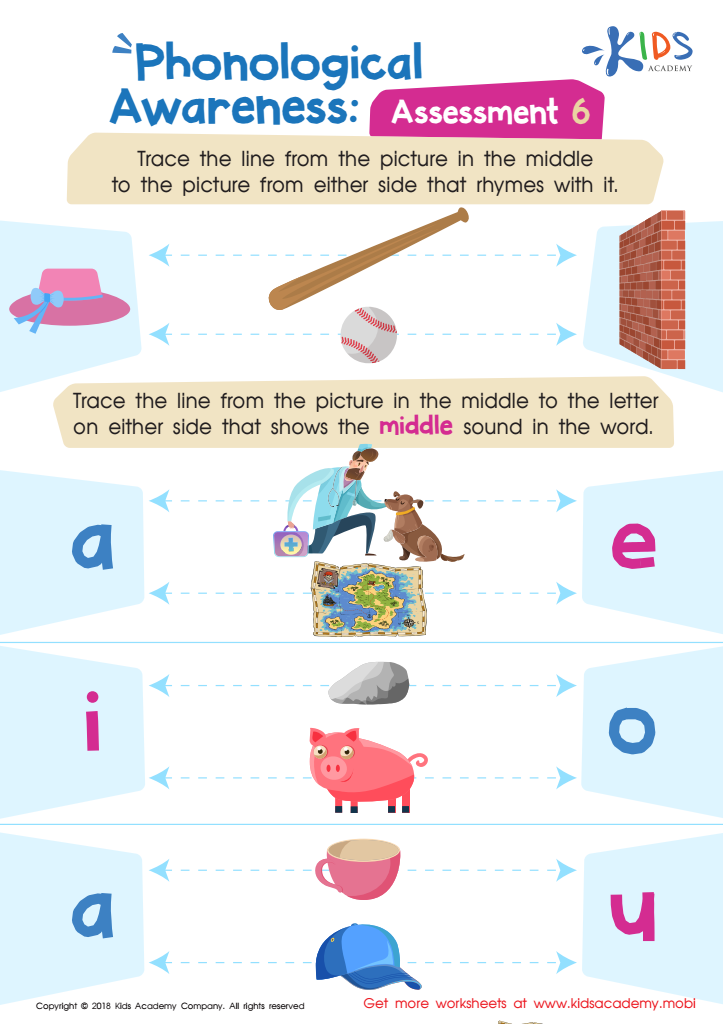
Phonological Awareness: Assessment 6 Worksheet
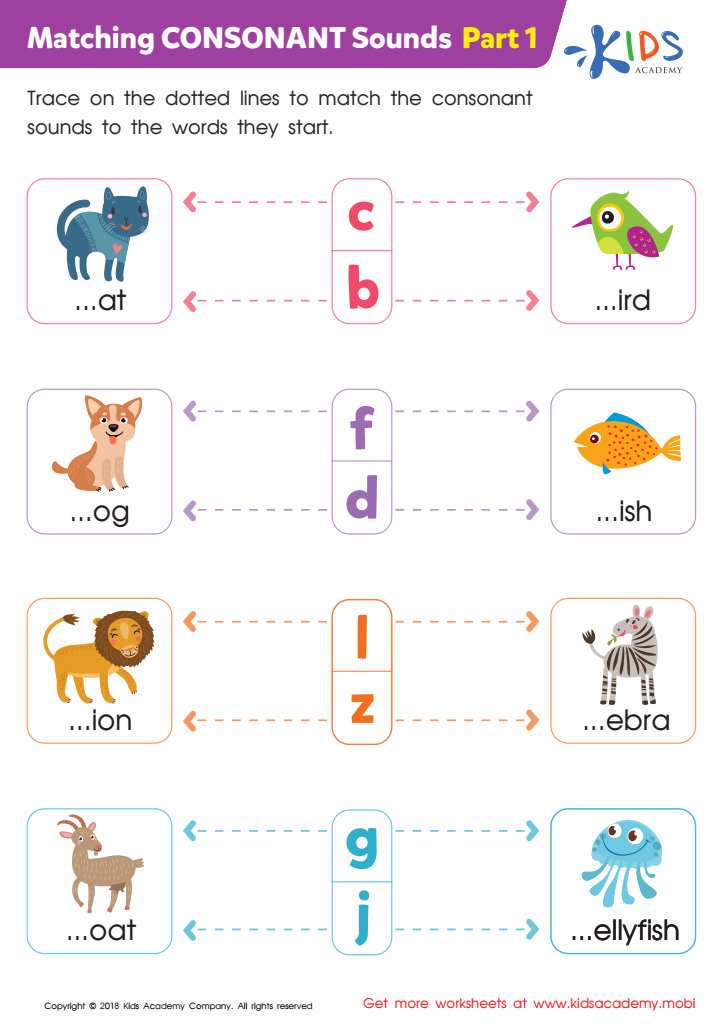
Matching Consonant Sounds: Part 1 Worksheet
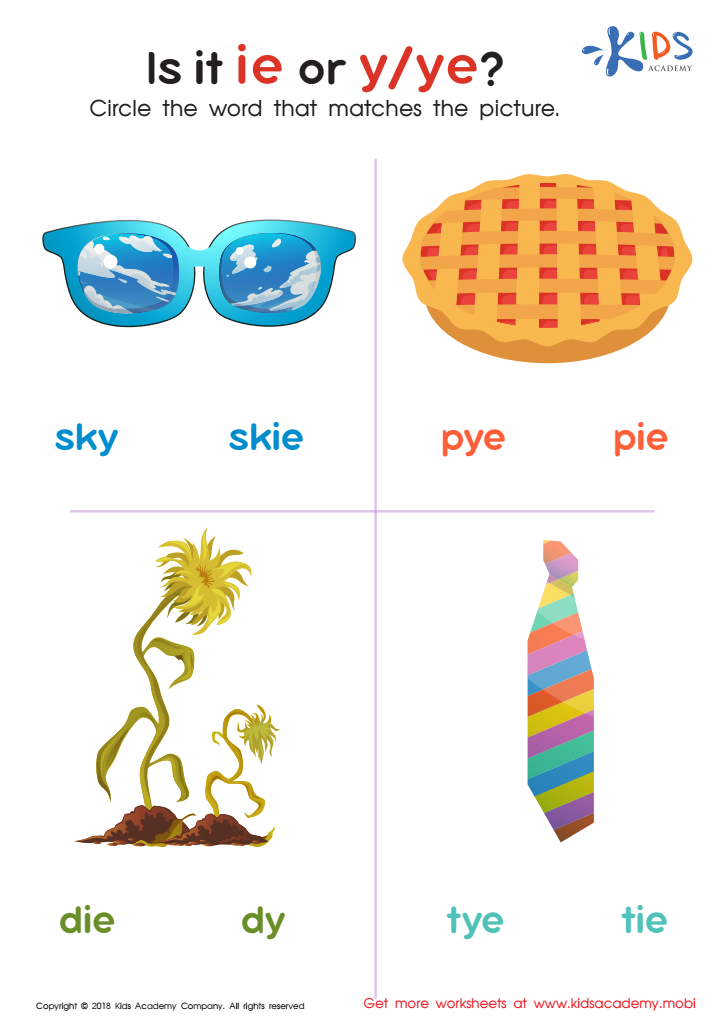
Is It IE or Y/Ye? Worksheet





.jpg)
Sound recognition in the alphabet is crucial for young children, typically aged 4-6, because it lays the foundational stones for reading and writing skills. At this stage, children's brains are highly receptive to learning new sounds and symbols, which significantly aids their cognitive development. Parents and teachers who emphasize sound recognition help children understand the relationship between letters and their corresponding sounds, making it easier for them to decode words as they progress to reading.
Mastering this skill can greatly enhance a child's phonemic awareness, which is the ability to hear, identify, and manipulate individual sounds in spoken words. This not only boosts early literacy skills but also improves overall communication abilities. For instance, when children can recognize that the letter "b" makes the /b/ sound, they can begin to blend and segment sounds to form words.
Moreover, early sound recognition and understanding reduce future academic struggles. Kids who grasp these basics easily adapt to more complex literacy tasks, experiencing more success and confidence in school. Parents and teachers should care deeply about fostering these skills through engaging, playful, and consistent practices, such as singing alphabet songs, reading phonetic books, and using interactive apps or games focused on letter sounds. This early investment pays dividends in a child's love for learning and academic achievement.







