Fine Motor Skills Letter R Worksheets for Ages 4-6
4 filtered results
-
From - To
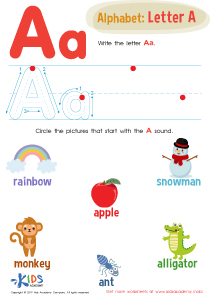
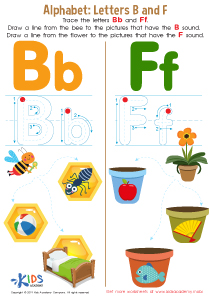
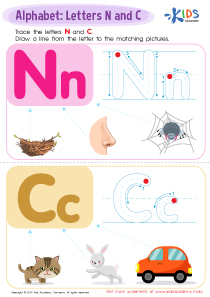
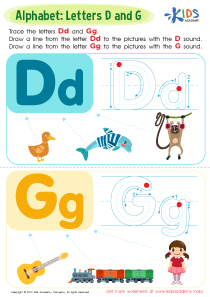
Enhance your child's fine motor skills with our "Letter R Worksheets for Ages 4-6." Designed specifically for young learners, these engaging sheets help kids master the letter R through fun activities like tracing, coloring, and connecting the dots. Each worksheet focuses on developing essential skills such as hand-eye coordination, pencil grip, and precise movements, providing a foundational step for future writing success. These resources not only teach the alphabet but also boost confidence and encourage a love for learning. Perfect for parents and educators, these printables make learning the letter R an enjoyable and educational experience for preschoolers and kindergarteners.
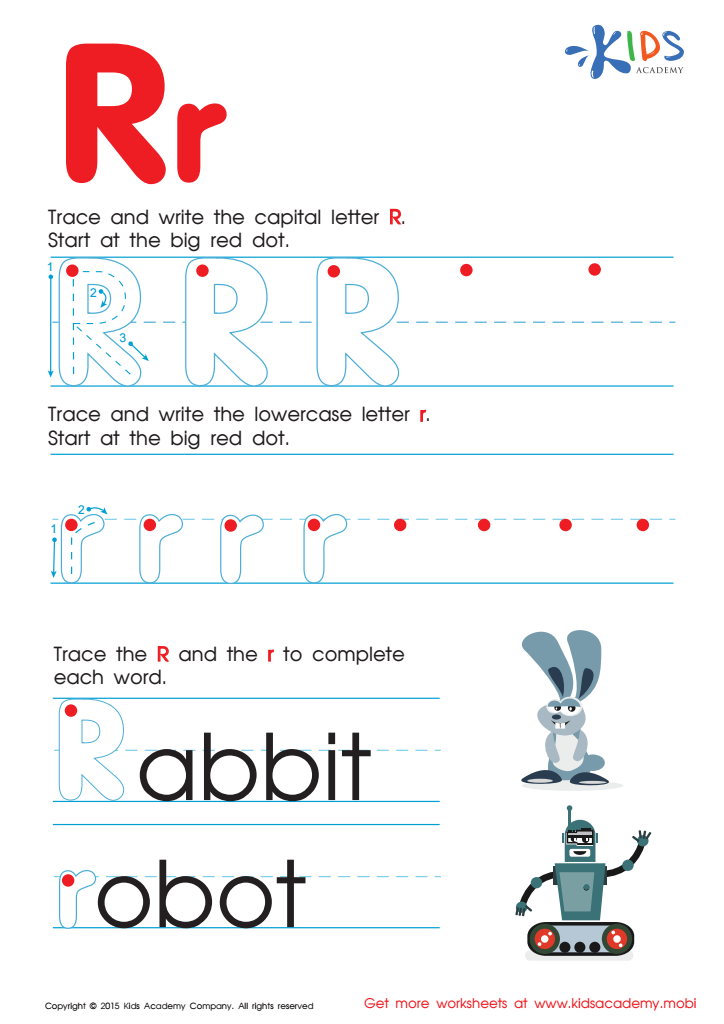
Letter R Tracing Page
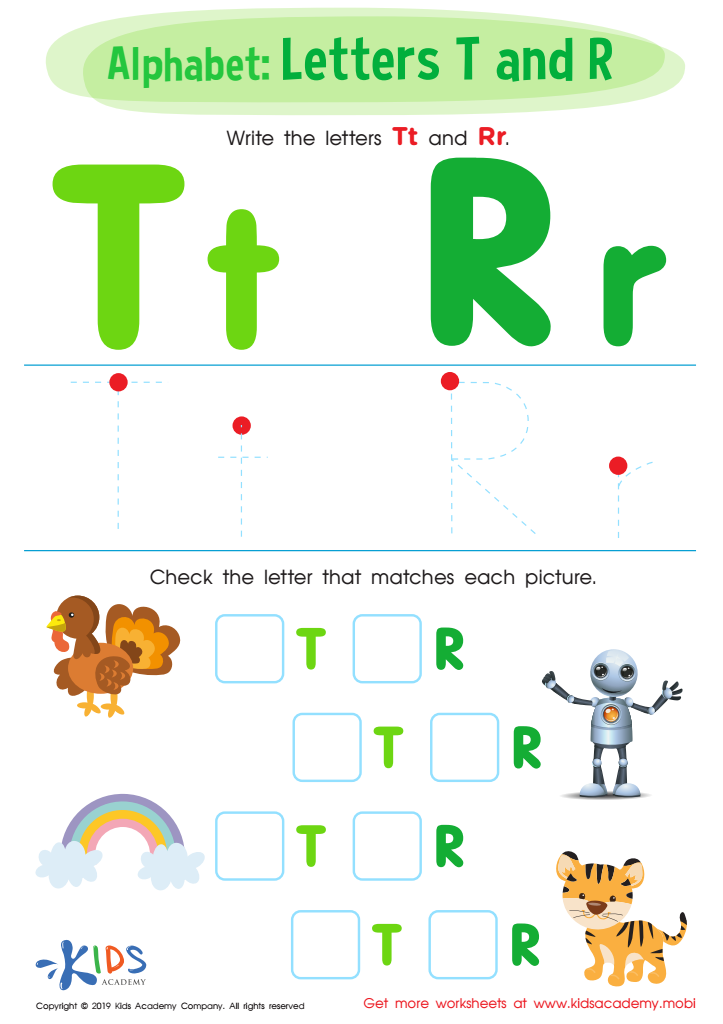
Letters T and R Worksheet
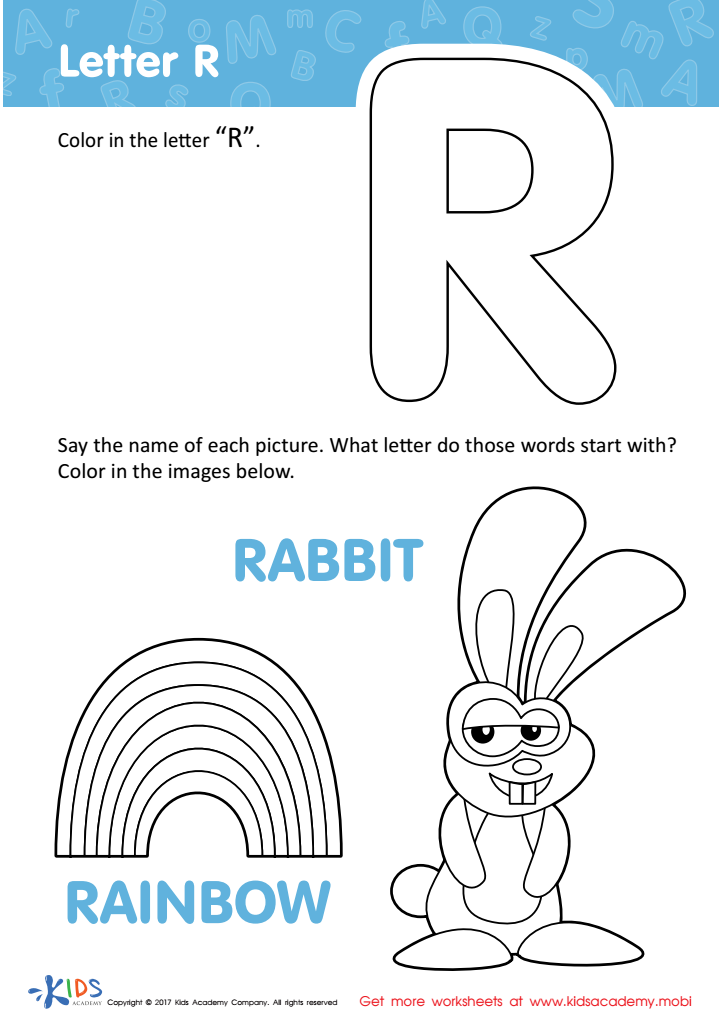
Letter R Coloring Sheet
 Assign to My Students
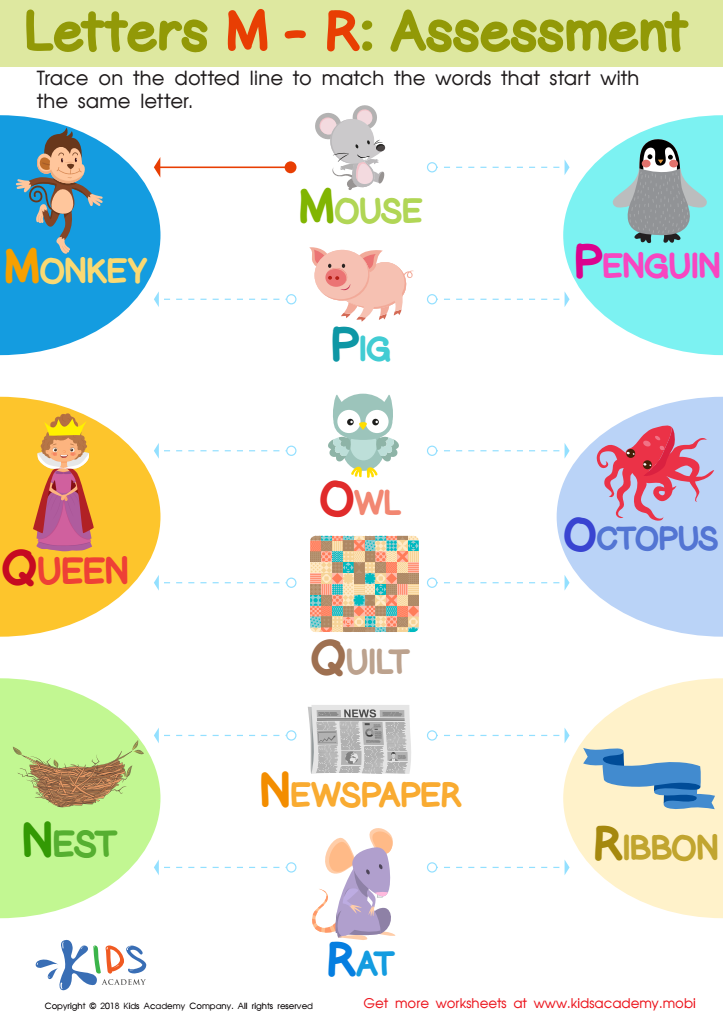
Letters M-R Tracing Worksheet






Fine motor skills are essential for children's overall development, particularly in early childhood (ages 4-6), as they lay the foundation for many critical academic and daily life activities. Focusing on letters like "R" can significantly enhance these skills, making it important for parents and teachers to prioritize this aspect of learning.
Firstly, fine motor skills involve the coordination of small muscles in the hands and fingers. When children practice writing the letter "R," they engage in intricate hand movements that develop muscle strength and dexterity. This is crucial not only for writing but also for tasks like buttoning a shirt or using utensils, leading to greater independence.
Furthermore, writing letters like "R" requires visual-motor integration, where the eyes and hands work together seamlessly. This skill is vital for reading and writing fluency, affecting their academic performance. Practicing the letter "R" helps children improve their hand-eye coordination, setting the stage for future learning.
Lastly, success in writing the letter "R" boosts self-esteem and confidence. Children feel a sense of achievement when they can replicate the letter correctly, reinforcing their motivation to learn and practice more. Therefore, by focusing on the fine motor skills involved in writing letters like "R," parents and teachers can support children's holistic development and academic success.