Handwriting Skills Letter Recognition Worksheets for Ages 4-6
10 filtered results
-
From - To
Enhance your child’s early literacy with our Handwriting Skills Letter Recognition Worksheets designed specifically for ages 4-6. These engaging worksheets help young learners master letter recognition while developing essential handwriting skills in a fun and interactive way. Each activity is tailored to capture children's interest, making learning enjoyable and effective. With colorful illustrations and varied exercises, children will confidently learn the alphabet, improve their fine motor skills, and reinforce visual recognition of letters. Perfect for home, preschool, or any early learning environment, our worksheets are an invaluable resource for nurturing your child's educational journey. Start building a strong foundation today!
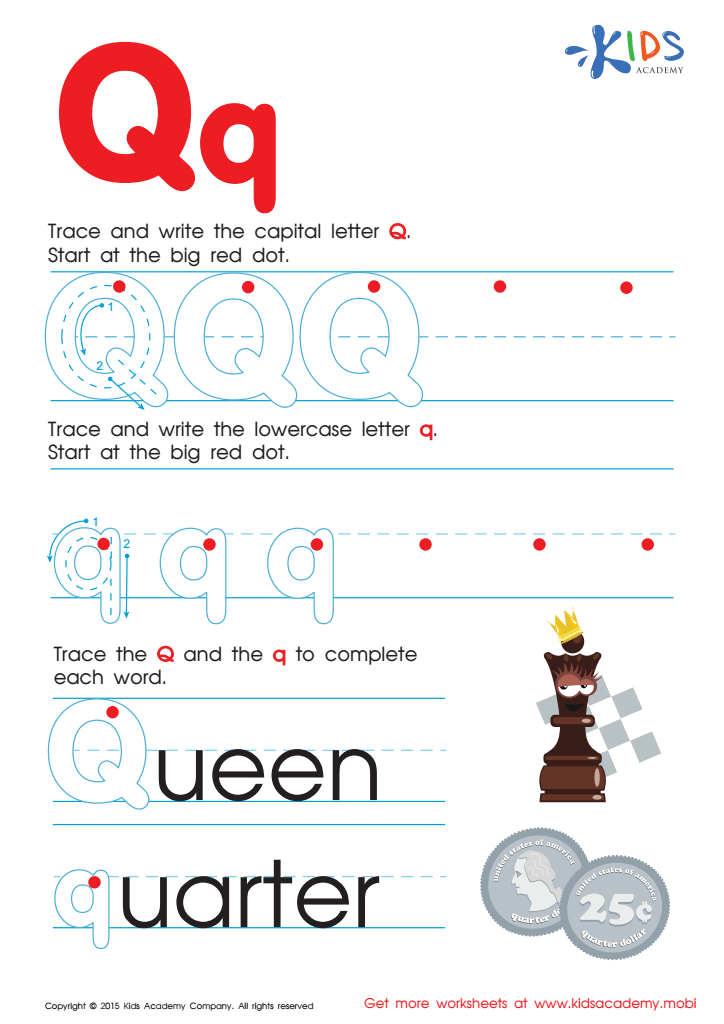
Letter Q Tracing Page
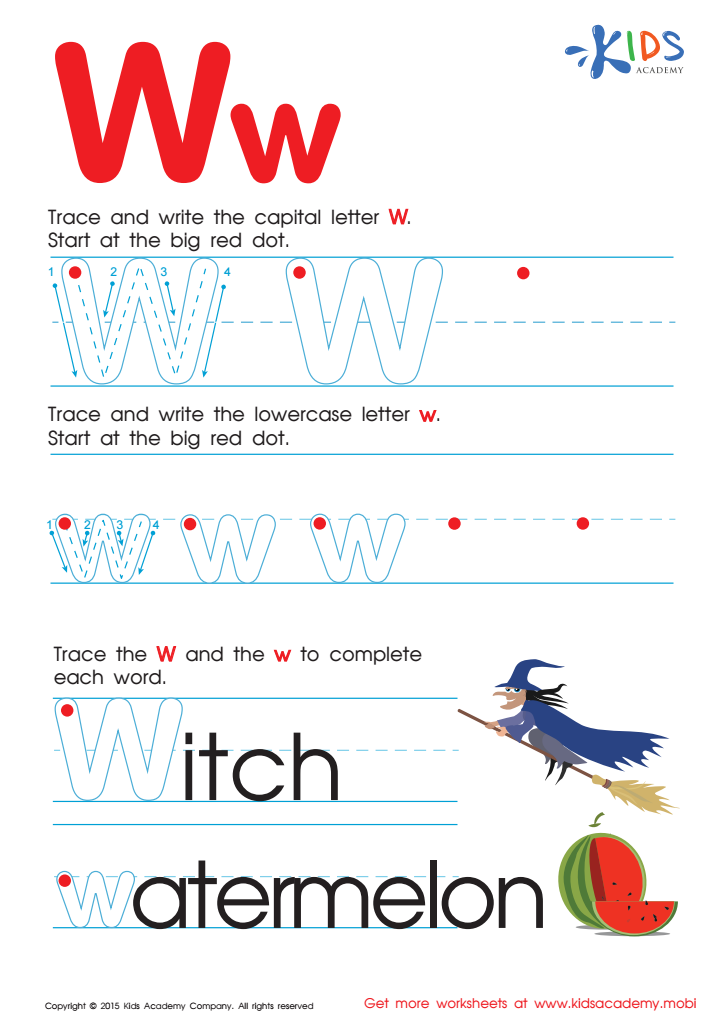
Letter W Tracing Page
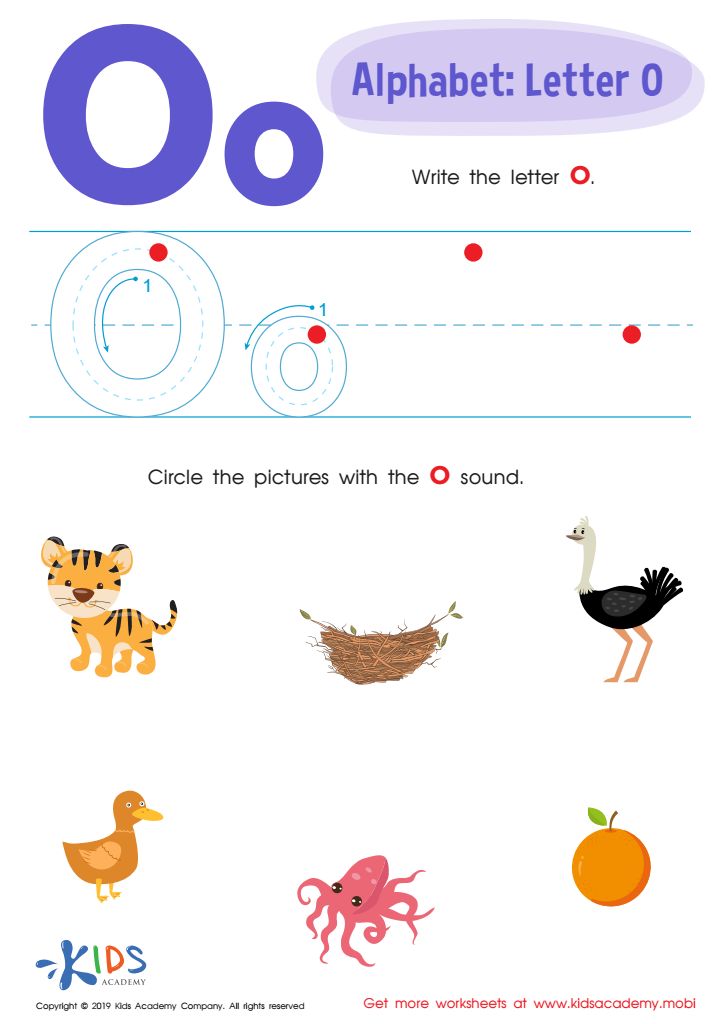
Letter O Tracing Worksheet
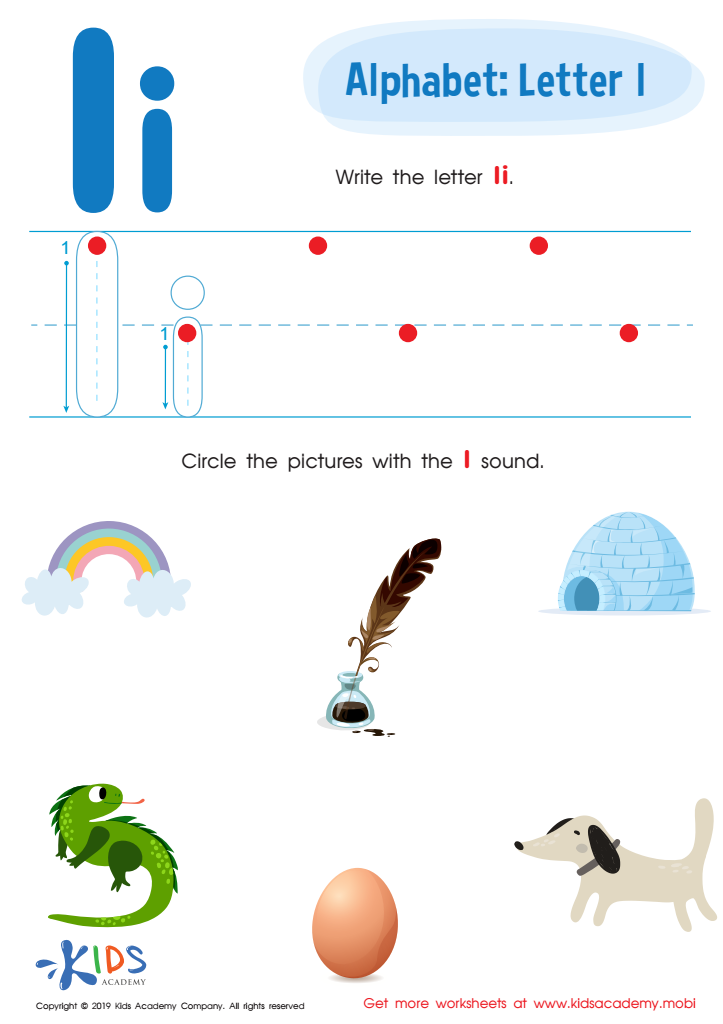
Letter I Tracing Worksheet
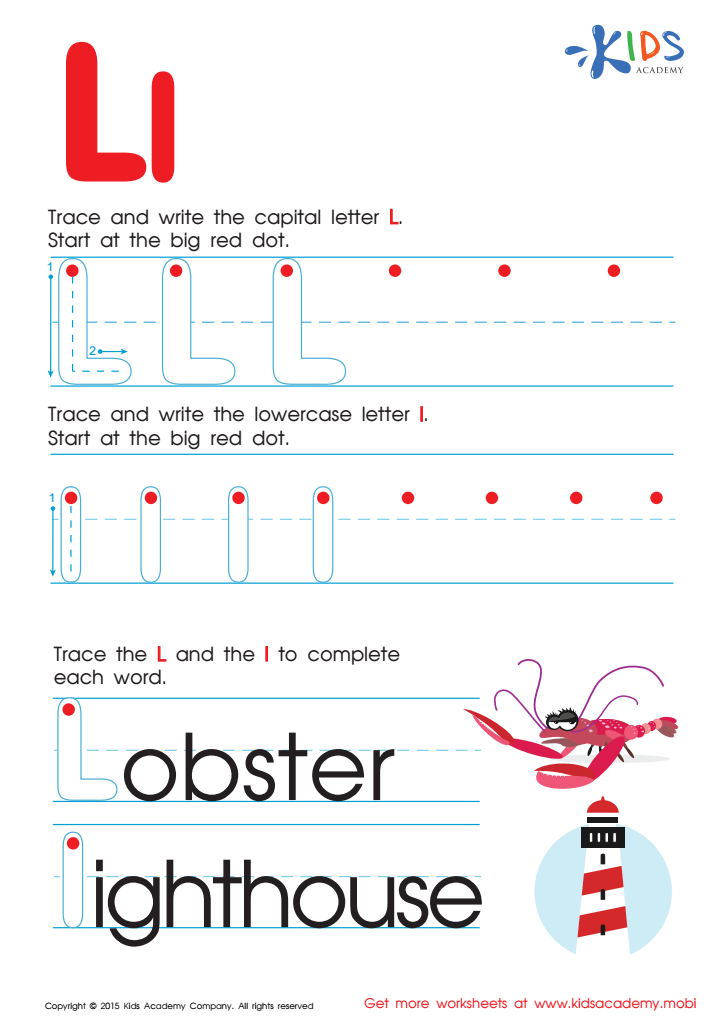
Letter L Tracing Page
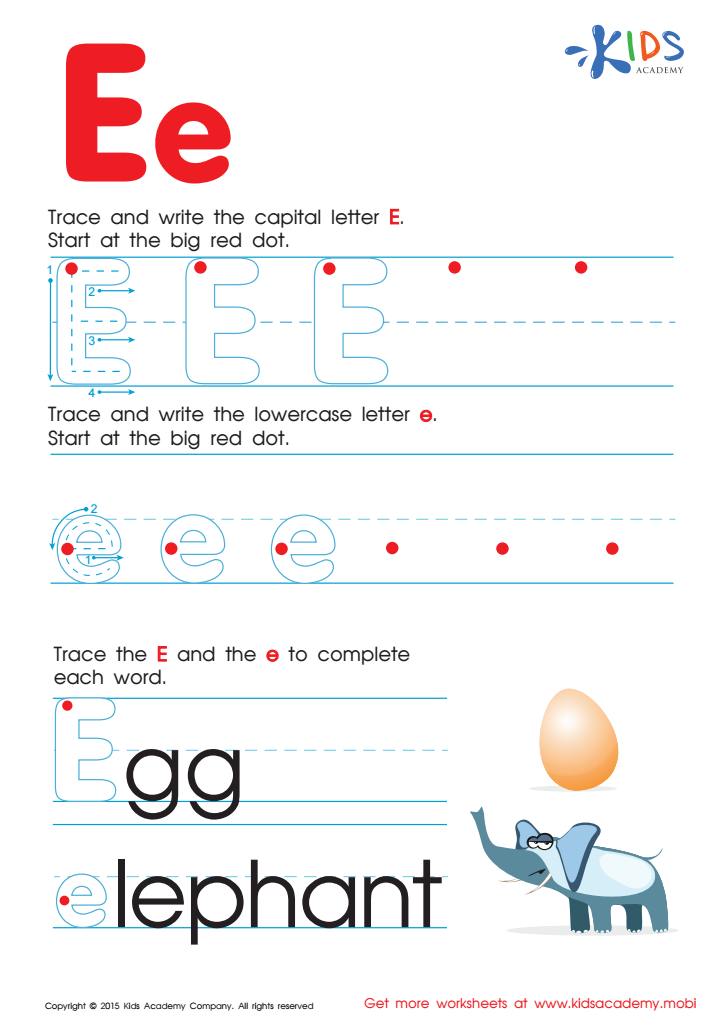
Letter E Tracing Page
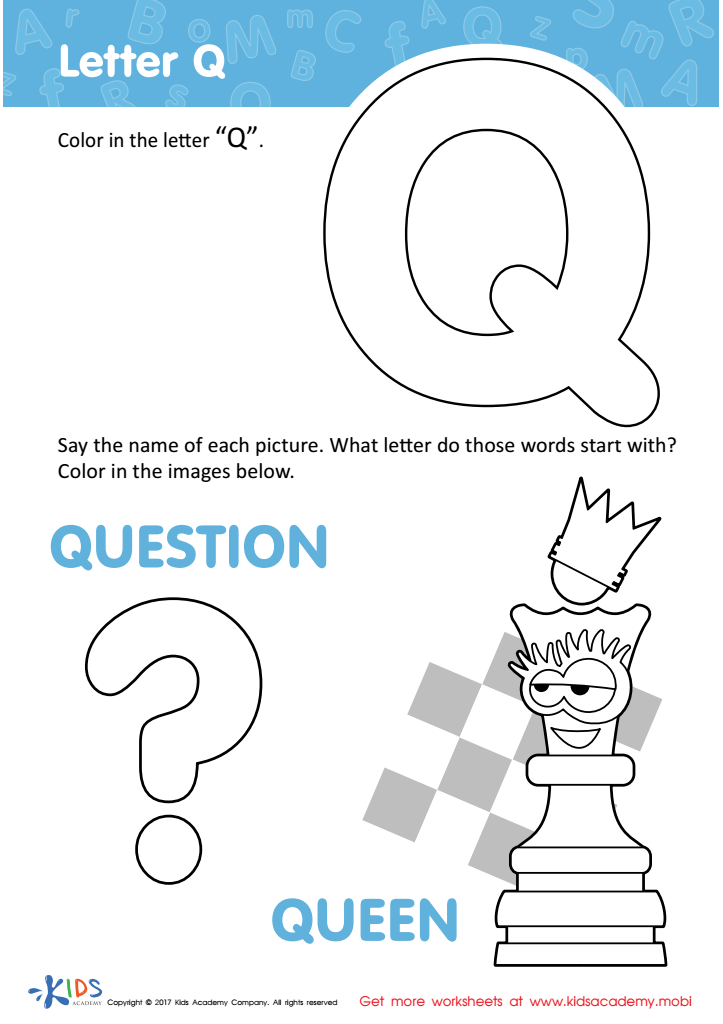
Letter Q Coloring Sheet
 Assign to My Students
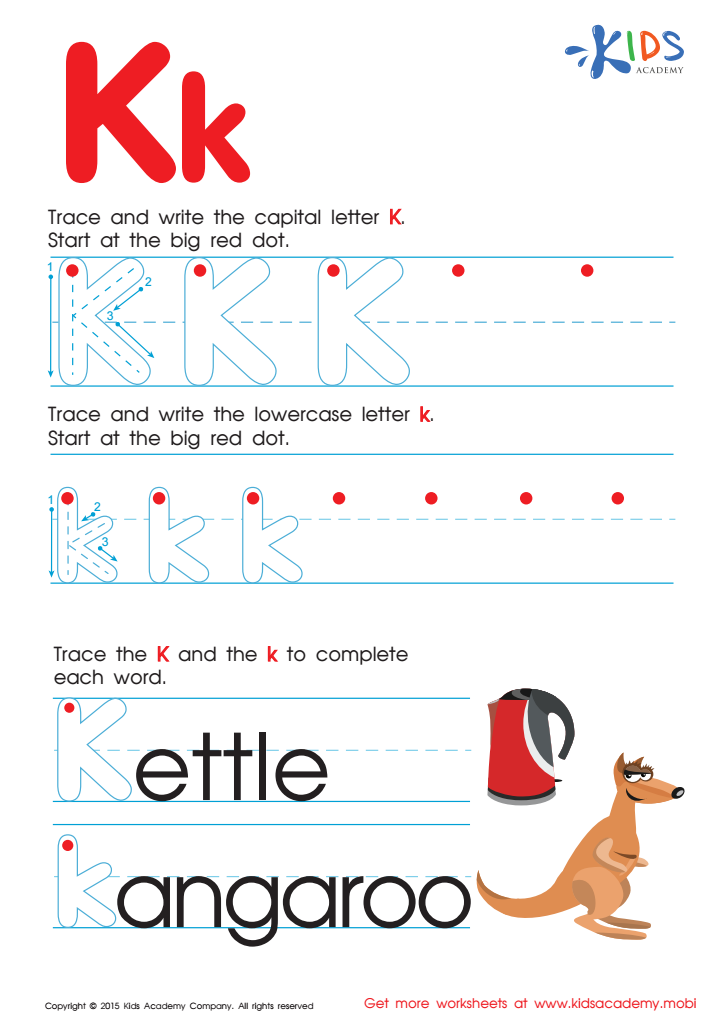
Letter K Tracing Page
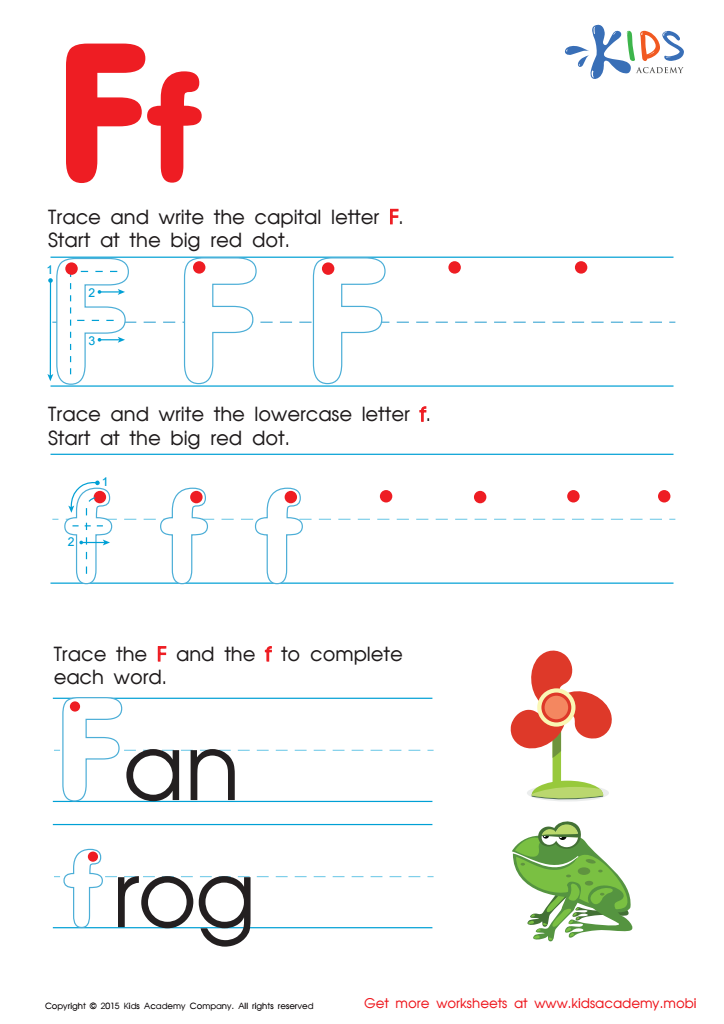
Letter F Tracing Page
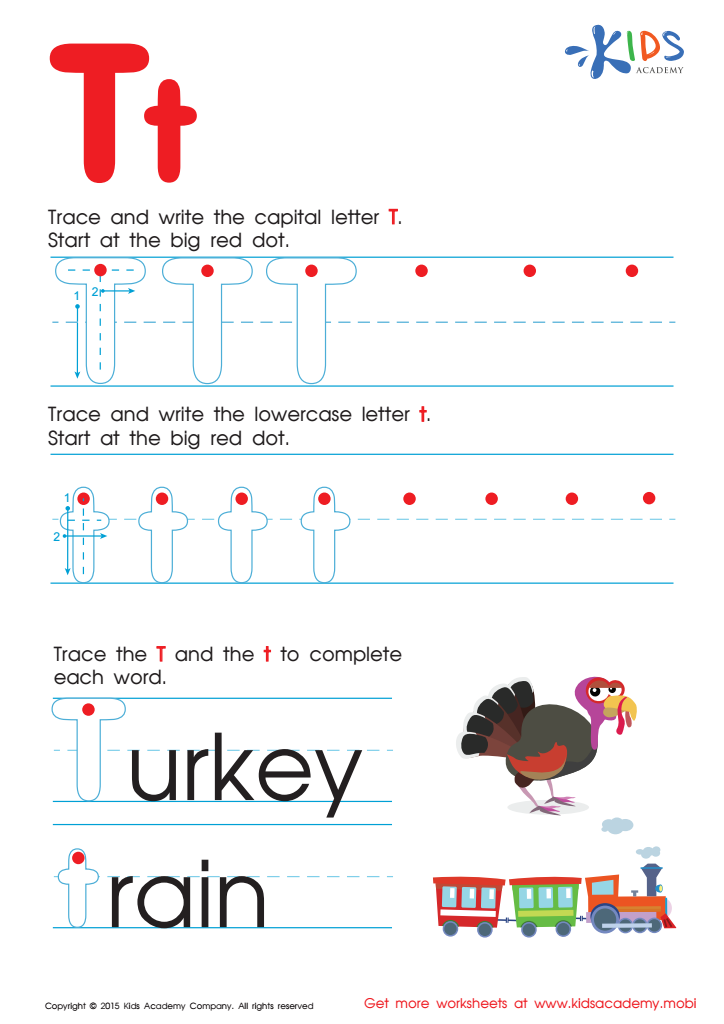
Letter T Tracing Page








Handwriting skills and letter recognition are crucial foundational elements in early childhood education, particularly for children aged 4-6. At this developmental stage, children are not only building their basic motor skills but also enhancing their cognitive abilities and vocabulary. Mastery of letter recognition allows children to identify, understand, and use written language, which is vital for effective communication.
Moreover, strong handwriting skills foster self-expression and boost academic confidence. When children learn to form letters accurately, they can communicate their thoughts and feelings more clearly, positioning them for future successes in writing tasks. Research suggests that children with strong handwriting skills tend to perform better academically, particularly in subjects that require extensive writing.
Additionally, practicing handwriting promotes fine motor skills and hand-eye coordination, which are essential for broader academic tasks, including drawing, crafting, and even problem-solving. Engaging in handwriting activities also offers an opportunity for parents and teachers to bond and provide guidance, reinforcing the importance of literacy from an early age.
In summary, prioritizing handwriting skills and letter recognition not only supports children’s educational trajectories but also equips them with the tools they need for effective communication and lifelong learning.







