Letter-sound association Letter Recognition Worksheets for Ages 4-6
9 filtered results
-
From - To
Enhance your child’s literacy skills with our engaging Letter-Sound Association & Letter Recognition Worksheets, specially designed for ages 4-6. These worksheets provide a fun and interactive way to help young learners connect letters with their corresponding sounds. Through colorful activities and exercises, children will develop early reading skills, boosting their confidence in letter recognition. Our easy-to-follow format makes learning enjoyable, encouraging kids to explore the alphabet while fostering essential foundational skills. Perfect for both classroom use and at-home practice, these worksheets are dedicated to igniting a love for reading and language in your child. Start their literacy journey today!
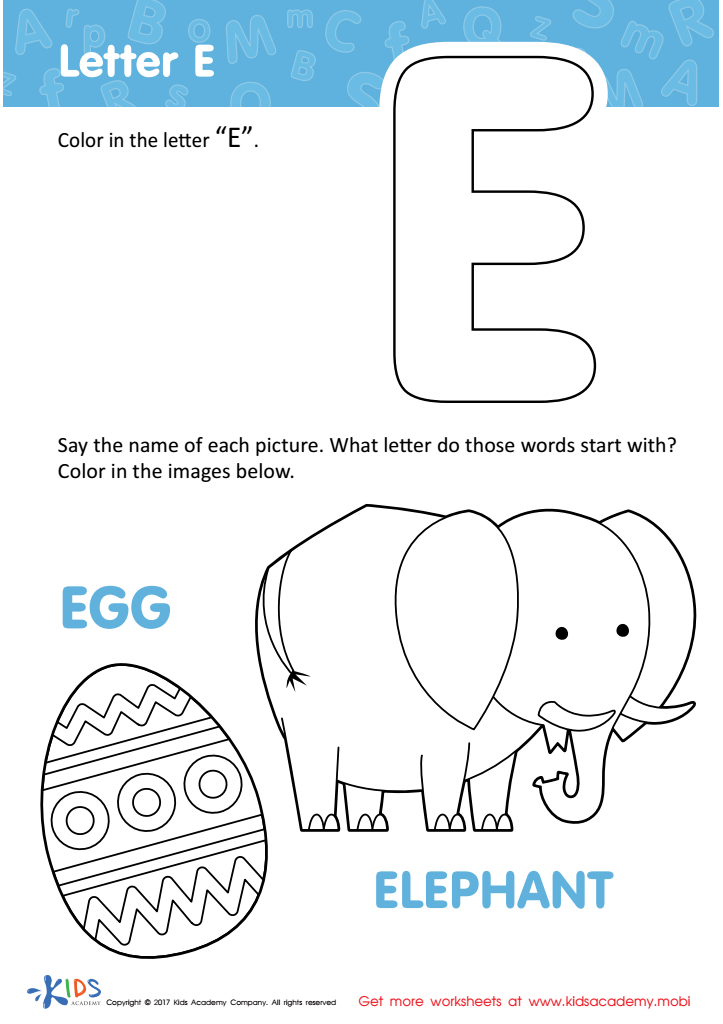
Letter E Coloring Sheet
 Assign to My Students
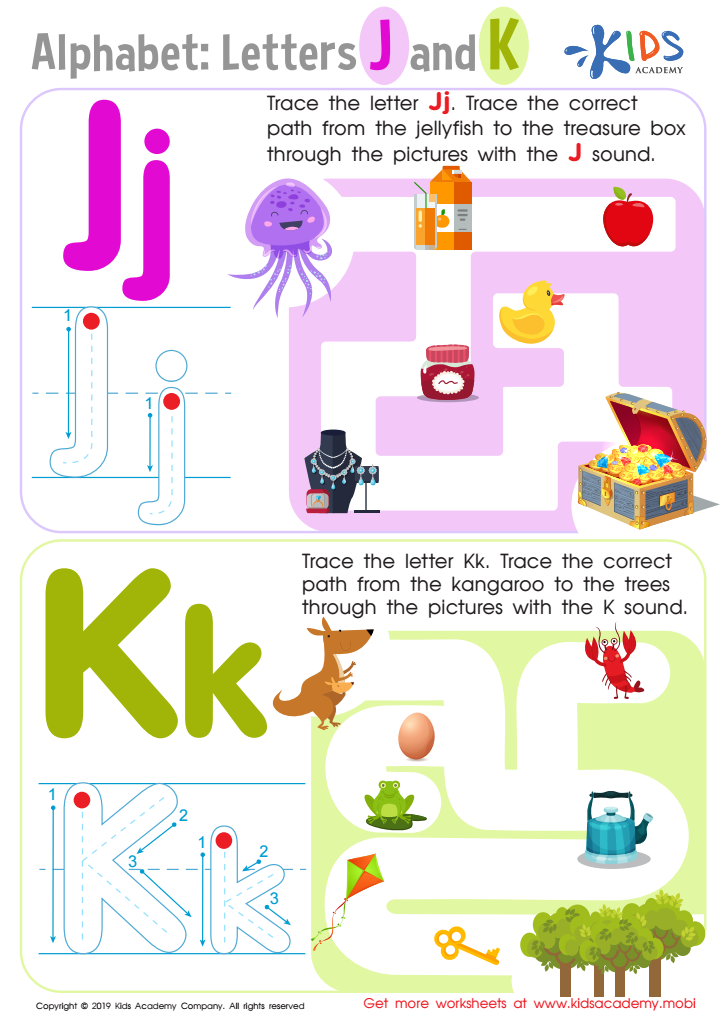
Letters J and K Tracing Worksheet
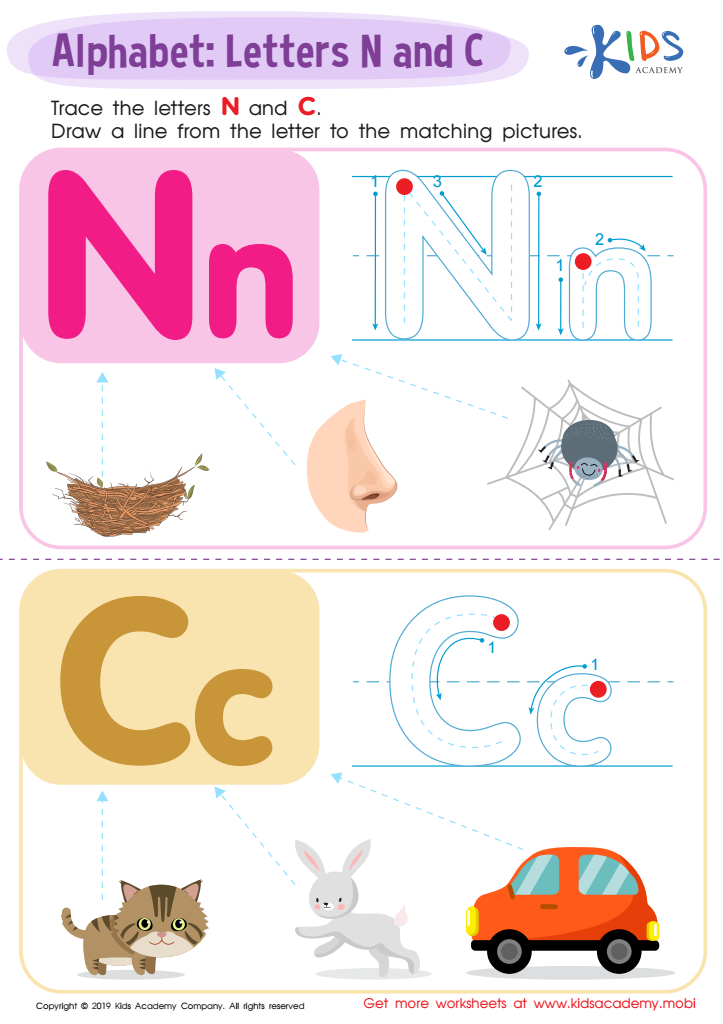
Letter N and C Tracing Worksheet
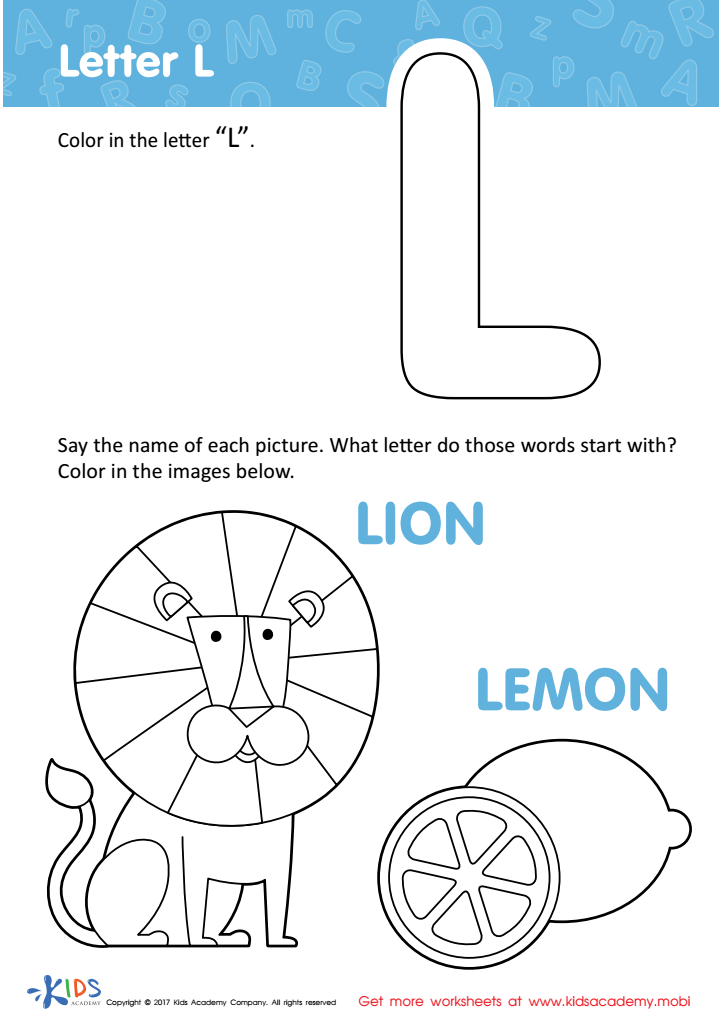
Letter L Coloring Sheet
Assign to My Students
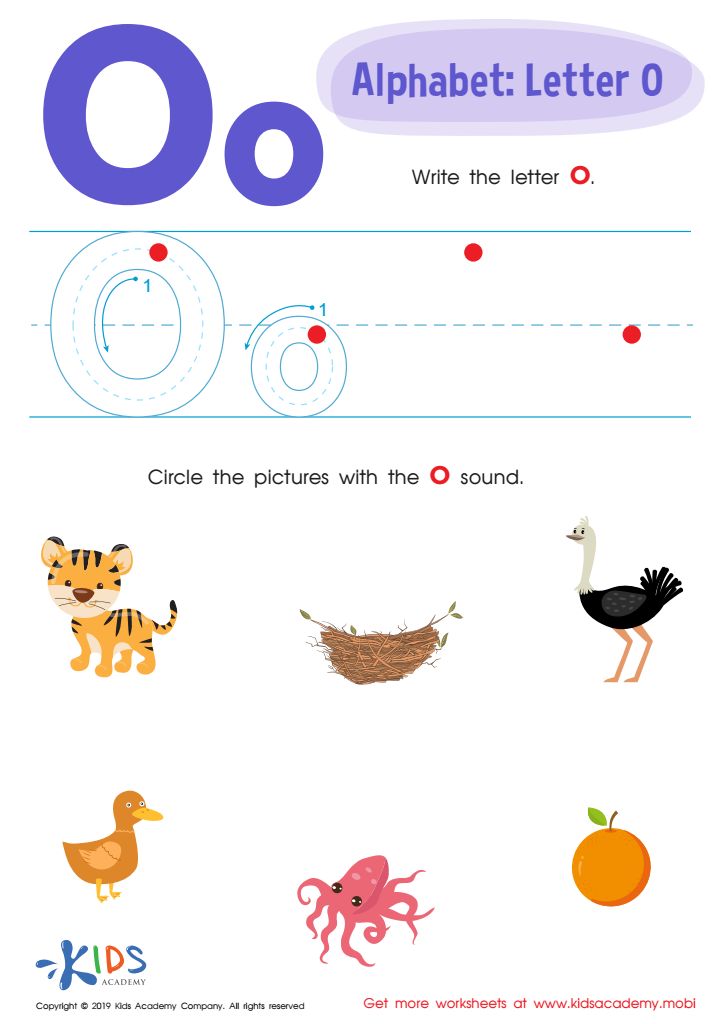
Letter O Tracing Worksheet
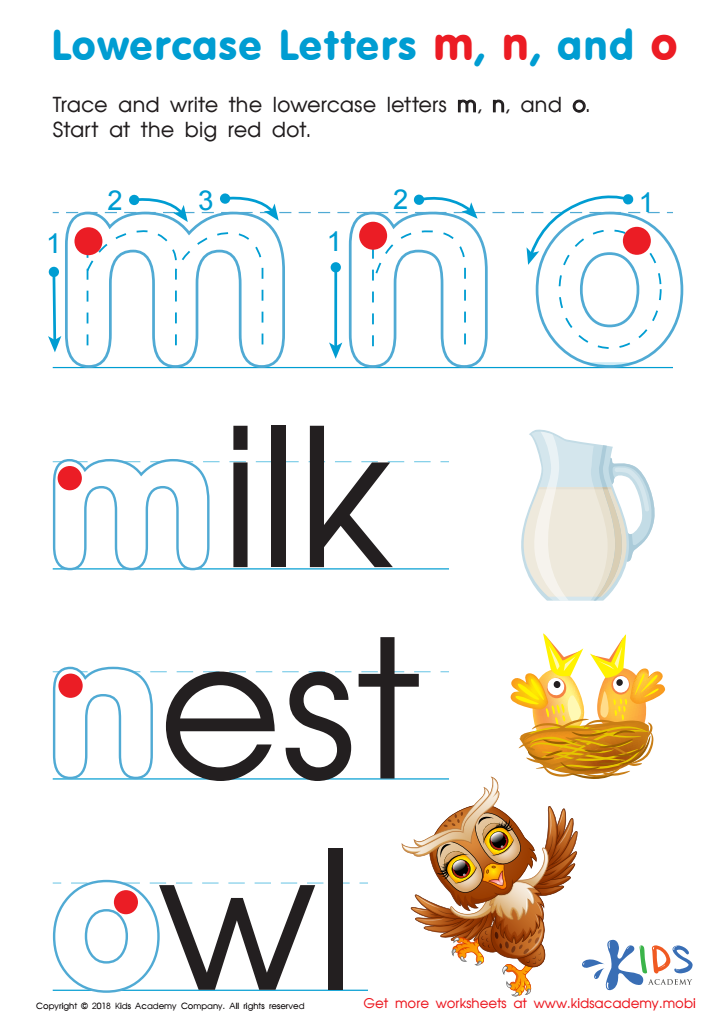
Lowercase Letters m n o Worksheet
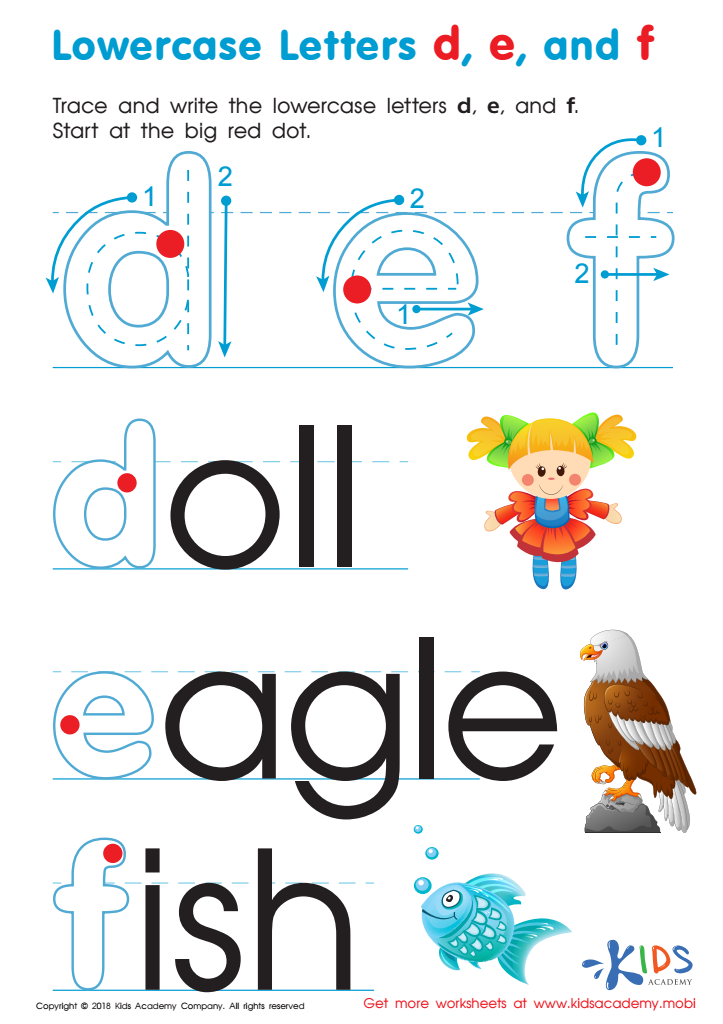
Lowercase Letters d e f Worksheet
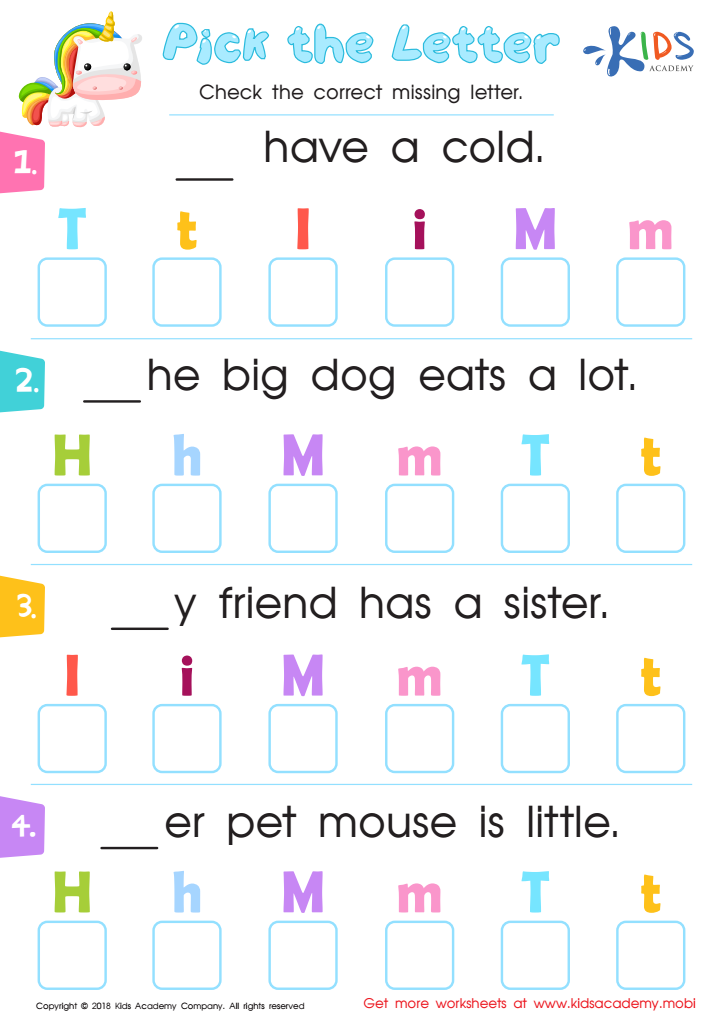
Pick the Letter Worksheet
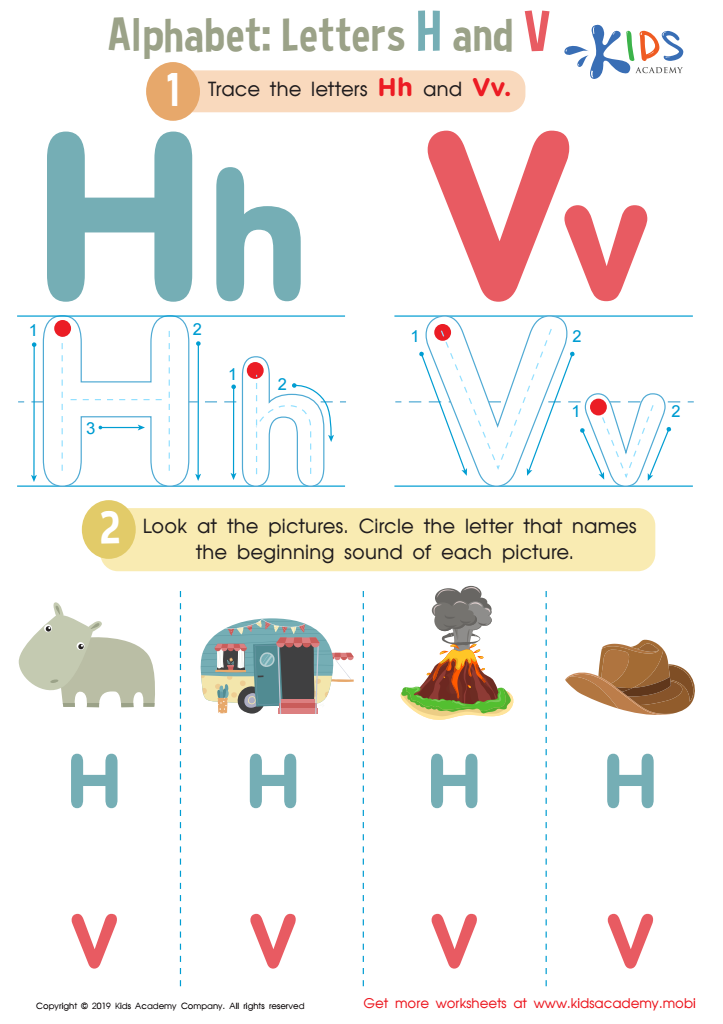
Letters H and V Tracing Worksheet








Letter-sound association and letter recognition are crucial foundational skills for children aged 4-6 as they embark on their literacy journey. Understanding the relationship between letters and their corresponding sounds lays the groundwork for reading and writing. When children can recognize letters both in isolation and in various contexts, they develop phonemic awareness, which is fundamental in decoding words.
Parents and teachers play a vital role in fostering these skills. Early exposure to letter recognition through fun activities—like singing the alphabet song, reading aloud, or engaging in letter-based games—creates a rich learning environment. These activities not only make learning enjoyable but also deepen children’s understanding of how letters act as symbols that represent sounds in their spoken language.
Furthermore, mastering letter-sound association boosts children's confidence as they start to blend sounds to form words, encouraging them to explore reading independently. This confidence can translate into a lifelong appreciation for literacy, enhancing their overall cognitive development and academic success. By prioritizing these skills, parents and teachers empower children to become proficient readers and effective communicators, which is essential for their future learning experiences. Engaging in this critical phase helps them navigate educational challenges with ease and enthusiasm.







