Vocabulary expansion Missing Vowels Worksheets for Ages 4-6
4 filtered results
Difficulty Level
Grade
Age
-
From - To
Subject
Activity
Standards
Enhance your child's vocabulary with our engaging Missing Vowels Worksheets designed for ages 4-6! These interactive worksheets focus on vocabulary expansion by encouraging young learners to fill in the missing vowel letters in words, helping them develop reading skills and phonemic awareness. Fun and colorful illustrations accompany each activity, making learning enjoyable and captivating. Perfect for both home and classroom use, these worksheets foster independent learning while reinforcing essential language concepts. Boost your child's confidence with words and support their early literacy development through our thoughtfully crafted resources. Download our Missing Vowels Worksheets today for a fun educational experience!
Favorites
With answer key
Interactive
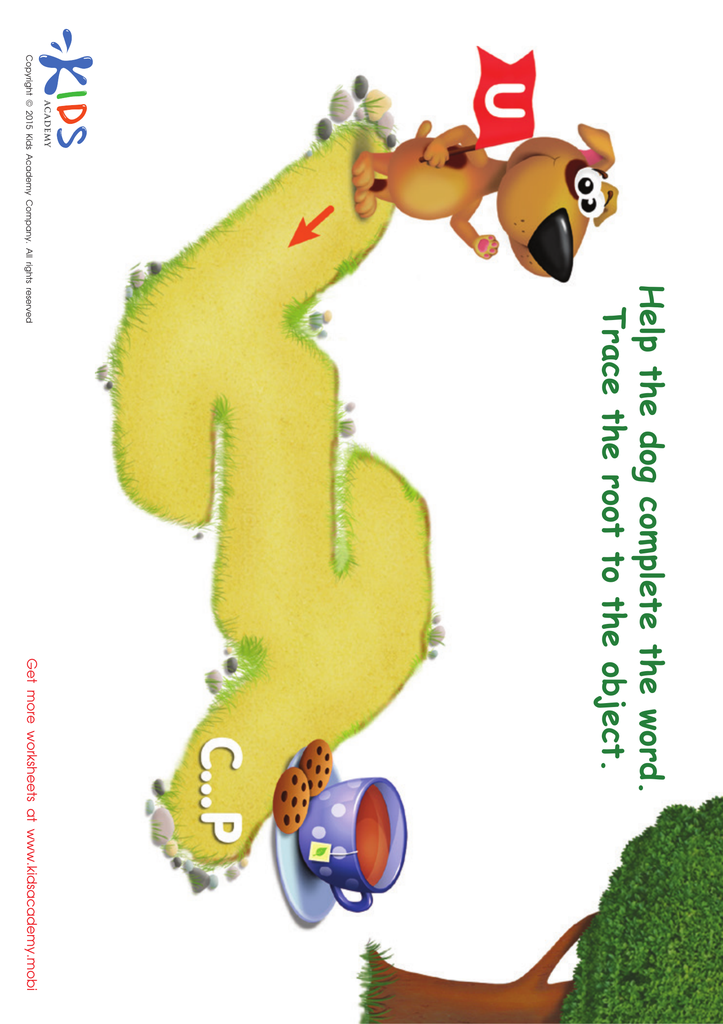
Short Vowel Sound U Worksheet Worksheet
Help your early reader join the adorable dog on his way to the cup of tea with cookies. This traceable worksheet reinforces the short -u sound and strengthens fine motor skills. Kids don't realize they are practicing reading skills while having fun!
Short Vowel Sound U Worksheet Worksheet
Worksheet
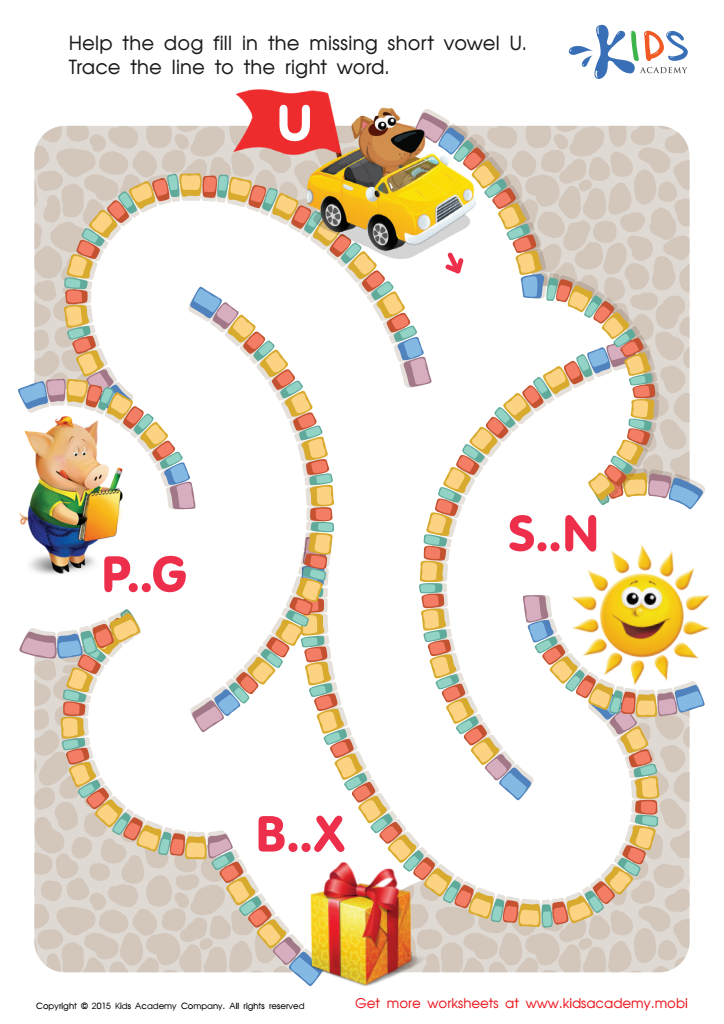
Short Vowel Sound U Worksheet
Practice abc phonics to help young learners link sounds to letters. This free printable phonics worksheet helps your kid learn the short vowel sound U. Guide them through the maze to help the dog complete the word "sun". Make sure they say the word out loud to emphasize the short U sound. Check out more phonics worksheets with mazes here.
 Assign to My Students
Short Vowel Sound U Worksheet
Worksheet
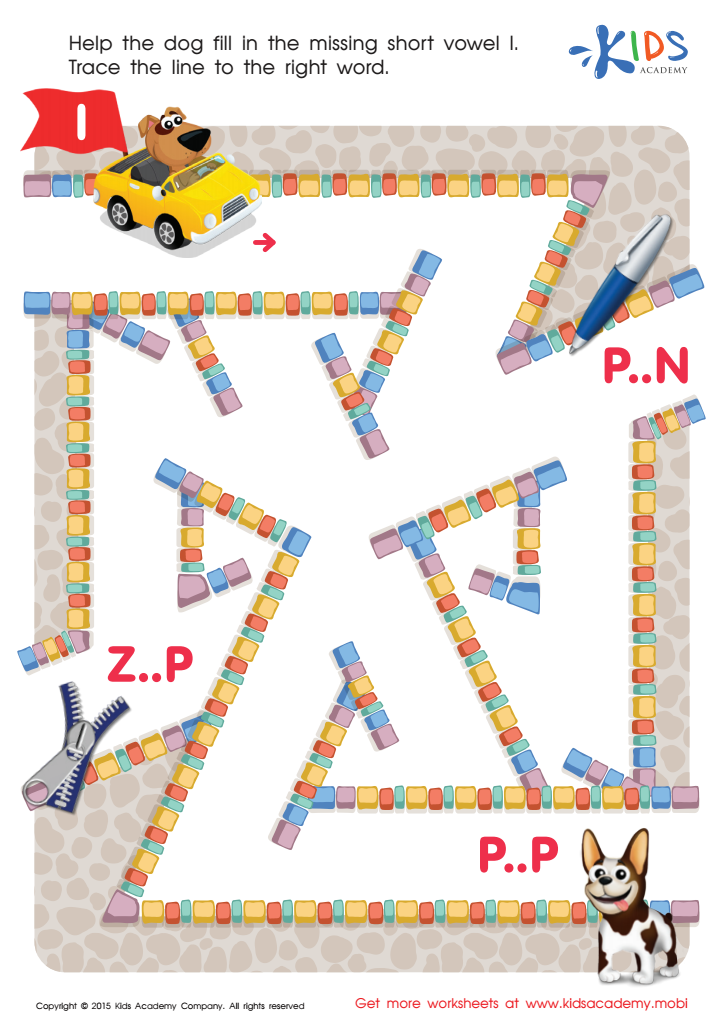
Short Vowel Sound I Worksheet
This free printable phonics worksheet will get your kid prepped for reading! It's a maze to help the dog complete the word “zip” with the missing letter I. Have your kid say the word aloud to learn the I sound. It's a great way to practice reading, writing and spelling skills. Check out here for more phonics worksheets!
Short Vowel Sound I Worksheet
Worksheet
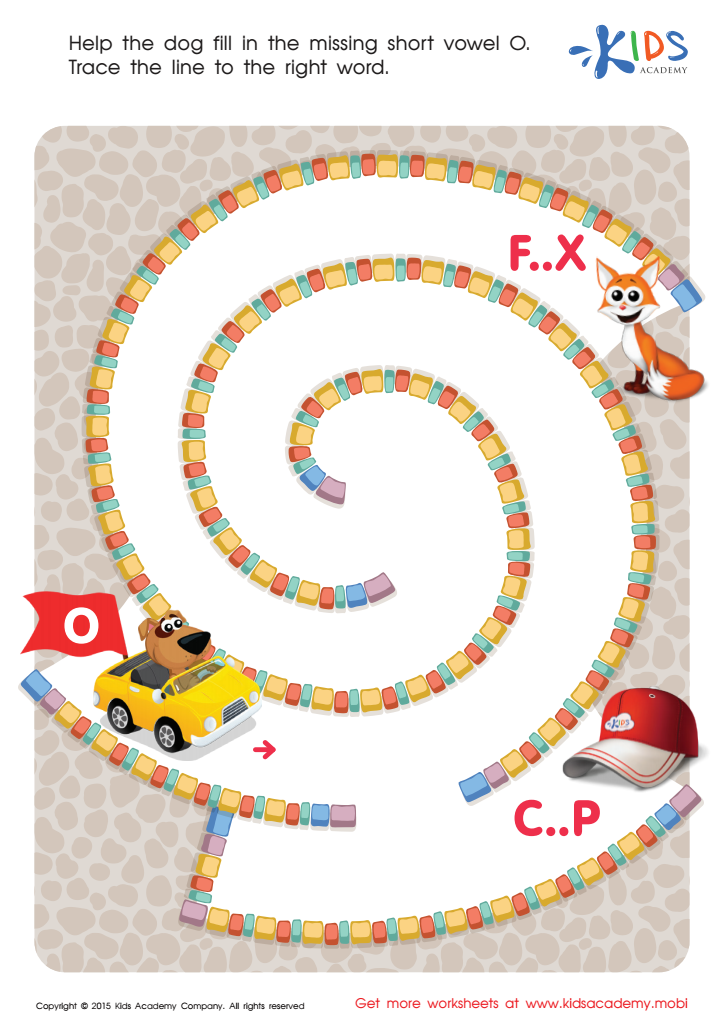
Short Vowel Sound O Worksheet
Help your child learn the short vowel sound O with this fun and free printable phonics worksheet! They'll need to complete the maze to help the dog finish the word "fox" with the missing letter O. Engage their fine motor muscles while they color or trace the maze with crayon or pencil. This educational activity is sure to bring a smile to your little learner's face! For more phonics worksheets, check here.
Short Vowel Sound O Worksheet
Worksheet
Join Kids Academy for Free
Who is primarily going to use this learning content?


Vocabulary expansion is crucial for children aged 4 to 6, as it forms the foundation for reading, writing, and effective communication. "Missing Vowels," an engaging vocabulary-building activity, encourages young learners to identify and fill in vowels in words, enhancing their word recognition skills.
Parents and teachers should care about this method because it actively engages students in the learning process, making it fun and interactive. By participating in such activities, children improve their phonemic awareness, which is essential for reading development. Expanding vocabulary also boosts comprehension and allows children to express themselves more clearly, fostering confidence in sharing their thoughts and ideas.
Moreover, during these formative years, children are especially receptive to learning language. This period is critical as it lays the groundwork for academic success. When children learn new words regularly, they also develop better listening skills and the ability to follow instructions, which are vital for their social interactions and overall cognitive growth.
Incorporating activities like Missing Vowels not only enriches a child's vocabulary but also instills a love for language and learning, setting the stage for lifelong skills that enhance educational experiences. Thus, both parents and teachers play a vital role in facilitating these enriching learning opportunities.