Hand-eye Coordination Phonics Worksheets for Ages 4-6
5 filtered results
-
From - To
Enhance your child’s learning experience with our Hand-eye Coordination Phonics Worksheets designed specifically for ages 4-6! These engaging worksheets blend phonics practice with fun, interactive activities that improve hand-eye coordination. As young learners trace letters, match sounds to pictures, and complete creative exercises, they develop vital motor skills alongside their phonetic understanding. Our resources are carefully crafted to foster a love for reading and writing in a playful manner. With vibrant illustrations and age-appropriate challenges, these worksheets will keep your children enthusiastic and motivated. Explore our collection to promote learning through play today! Perfect for at-home or classroom use!
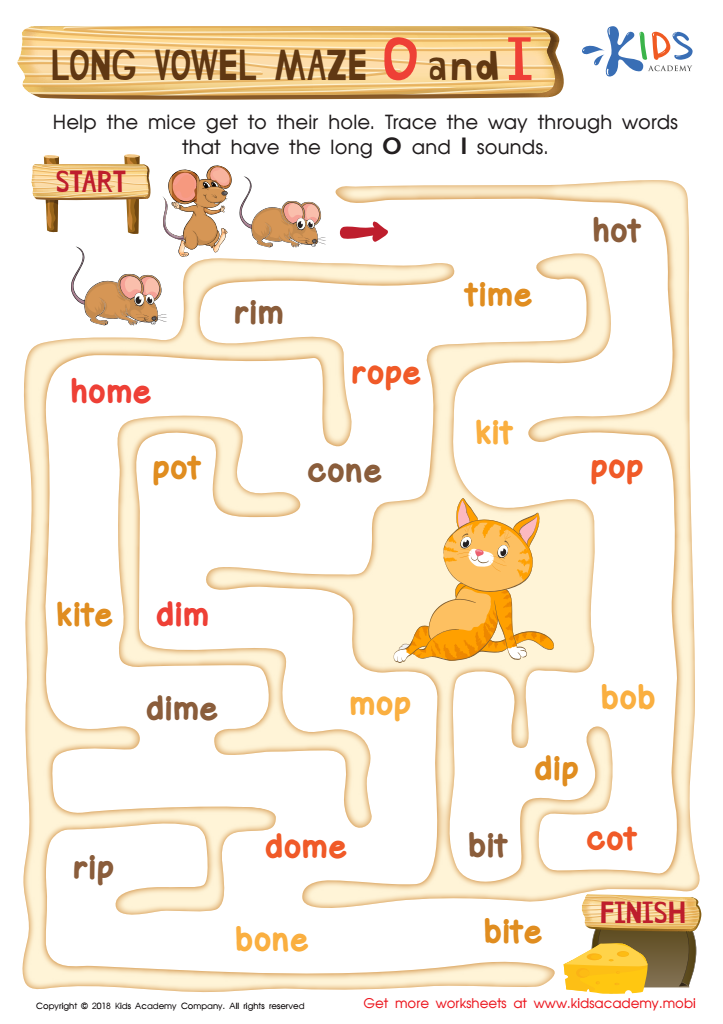
Long Vowel Maze /o/ and /i/ Worksheet
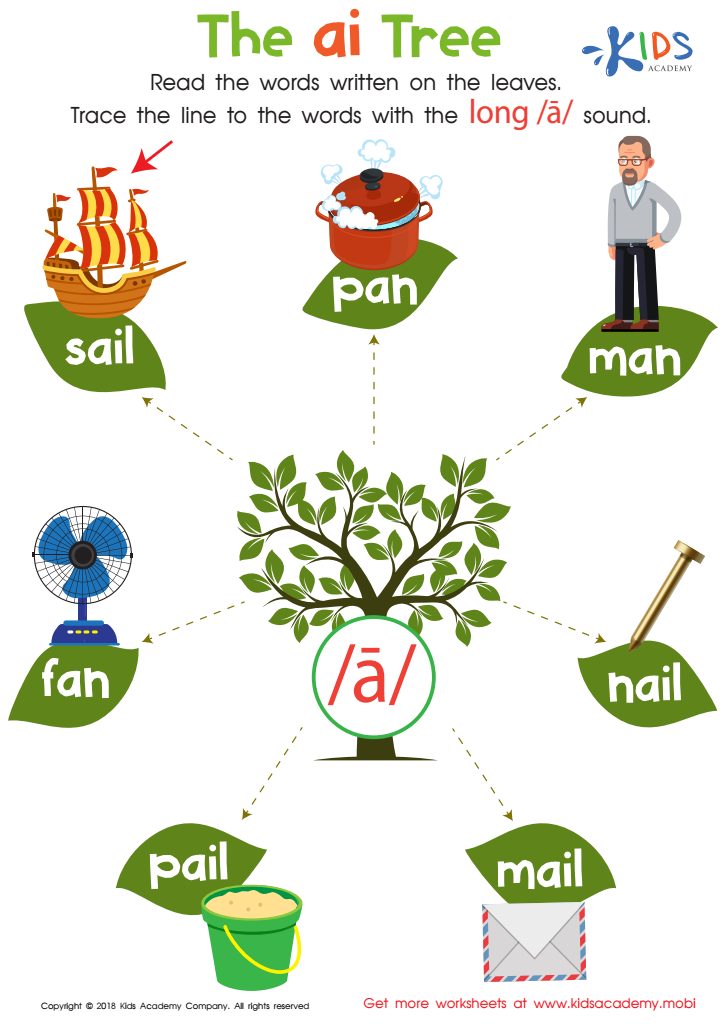
The AI Tree Worksheet
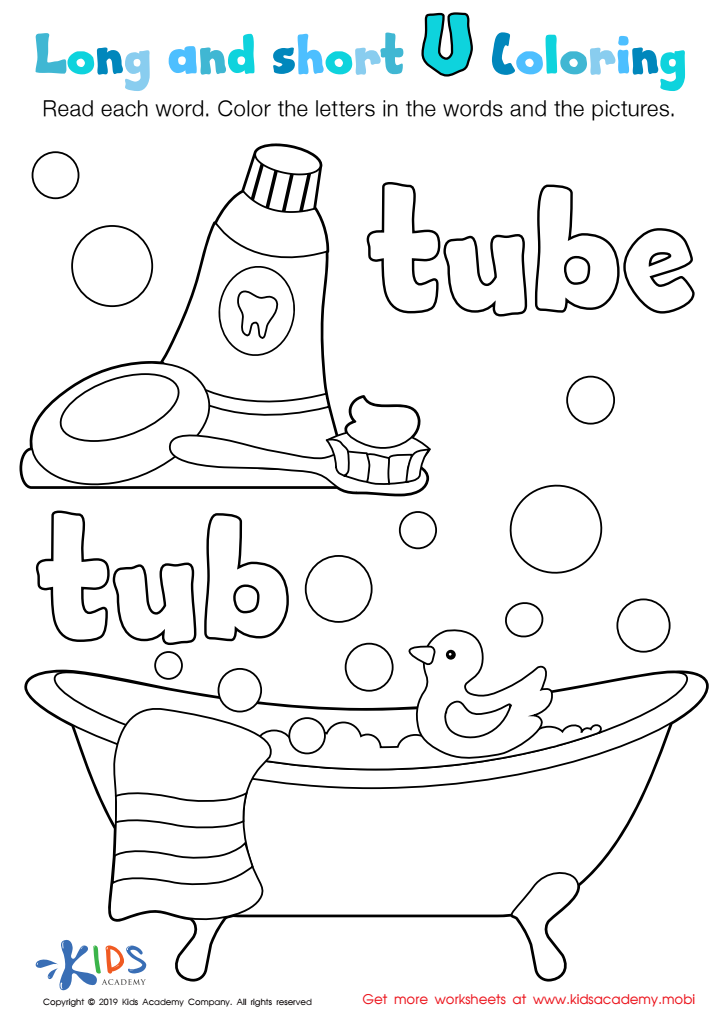
Long and Short U Worksheet
 Assign to My Students
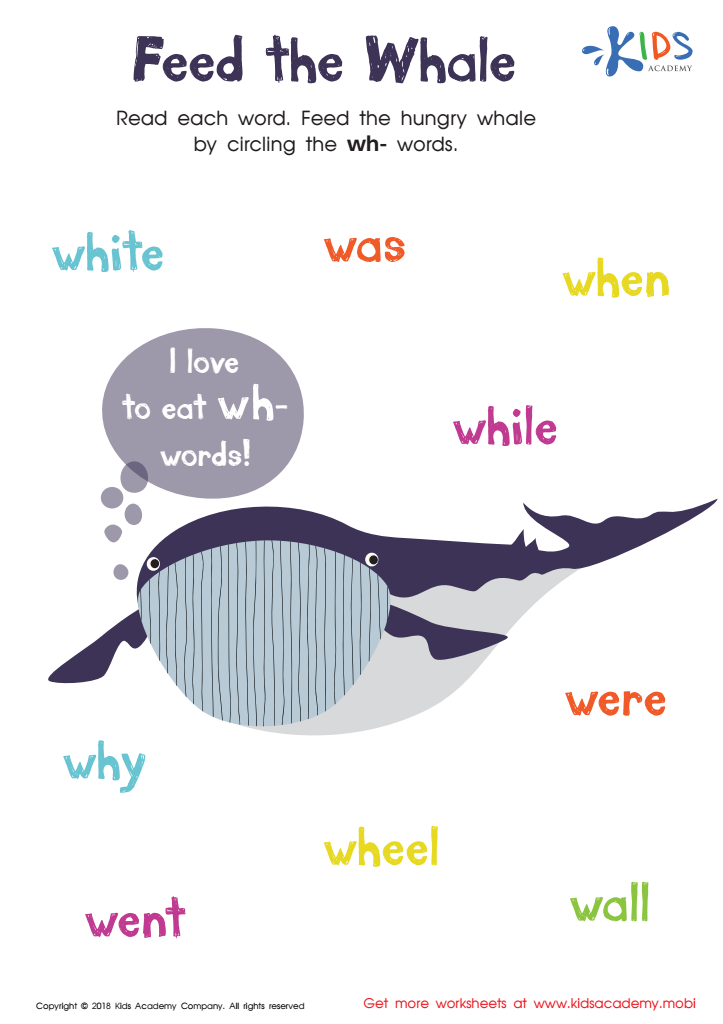
Feed the Whale Worksheet

Long and Short E Worksheet
Assign to My Students








Hand-eye coordination is essential for young children's overall development and plays a significant role in learning, particularly in phonics for ages 4-6. This skill directly impacts a child's ability to write, recognize letters, and develop early reading skills. When children can effectively coordinate their hand movements with their visual processing, they are better equipped to engage with various literacy activities, from deciphering letters to constructing words.
Phonics, the method of teaching reading by correlating sounds with graphically distinct symbols (letters), relies on precision in both auditory and visual perceptions. Strong hand-eye coordination enables children to grasp letter formation and spelling through writing exercises and spelling games, paving the way for a more profound understanding of reading.
Furthermore, when parents and teachers focus on developing hand-eye coordination, they contribute to a child’s fine motor skills and confidence. Activities such as tracing letters, participating in interactive phonics games, and engaging with manipulative tools can be both fun and educational. Thus, emphasizing hand-eye coordination is not just about better reading skills; it encourages a holistic approach to learning, helping children develop essential communication, cognitive, and physical abilities as they embark on their educational journey.







