Phonics skills development Phonics Worksheets for Ages 4-6
5 filtered results
-
From - To
Enhance your child's reading journey with our Phonics Worksheets for Ages 4-6, designed to build essential phonics skills. Carefully crafted by education experts, our worksheets foster alphabet recognition, sound-letter association, and early word formation through engaging exercises, fun activities, and vibrant illustrations. These printables provide the perfect foundation for young learners, ensuring mastery of fundamental phonics concepts while boosting their confidence in reading. Ideal for both classroom and home use, our comprehensive collection supports every child’s unique learning path, making early literacy enjoyable and effective. Start your phonics adventure today with Kids Academy!
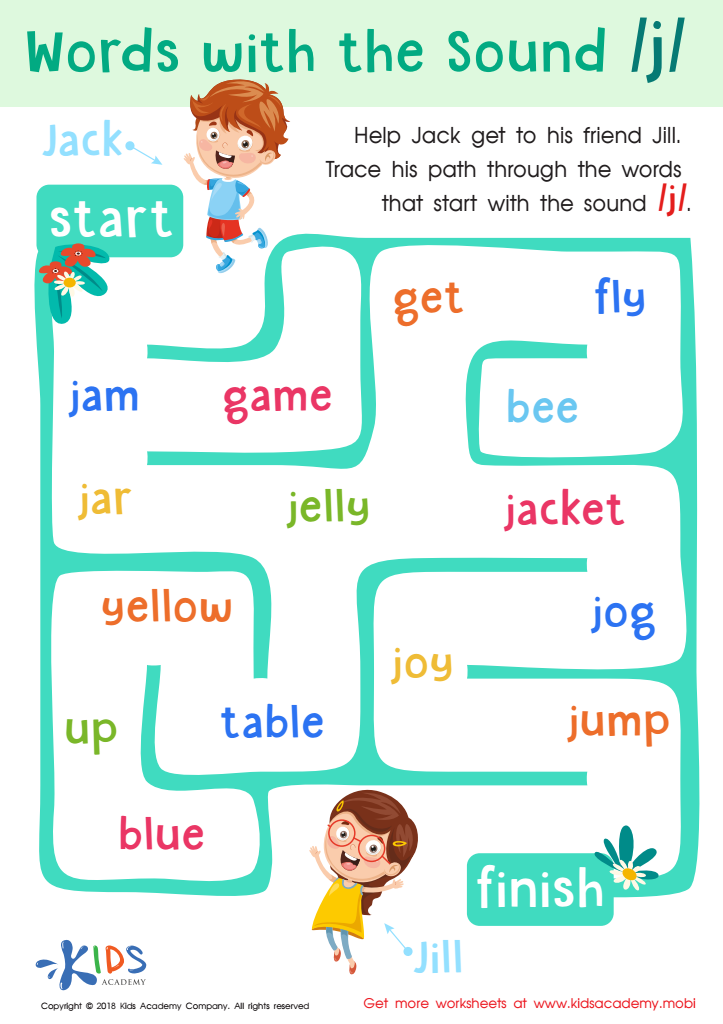
Words with sound j Reading Worksheet
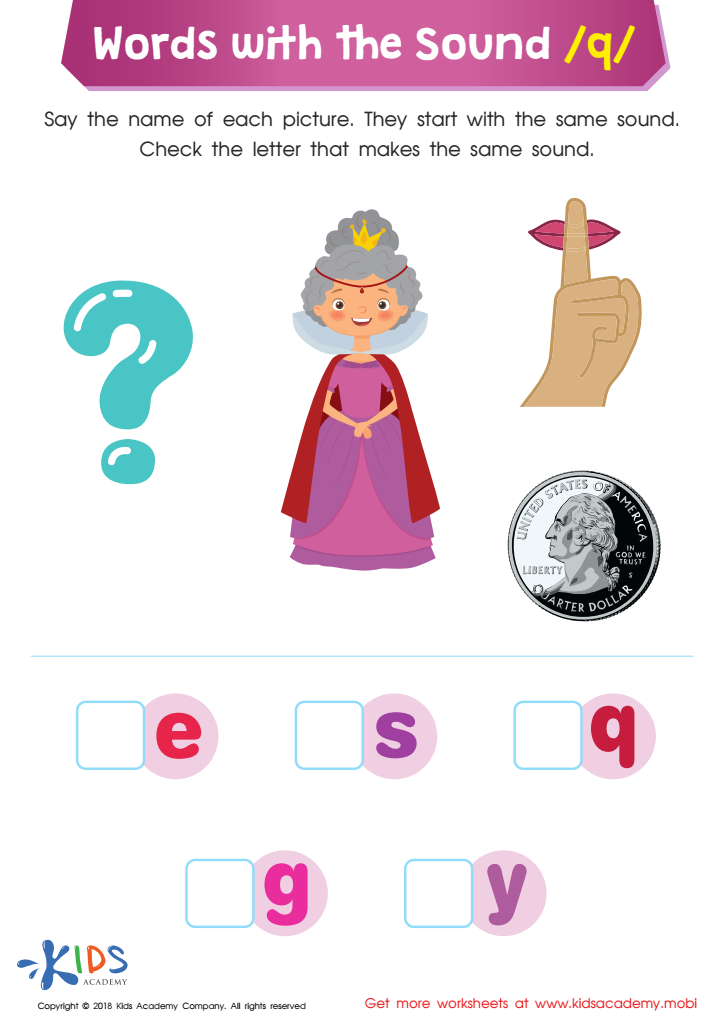
Words with Sound Q Reading Worksheet
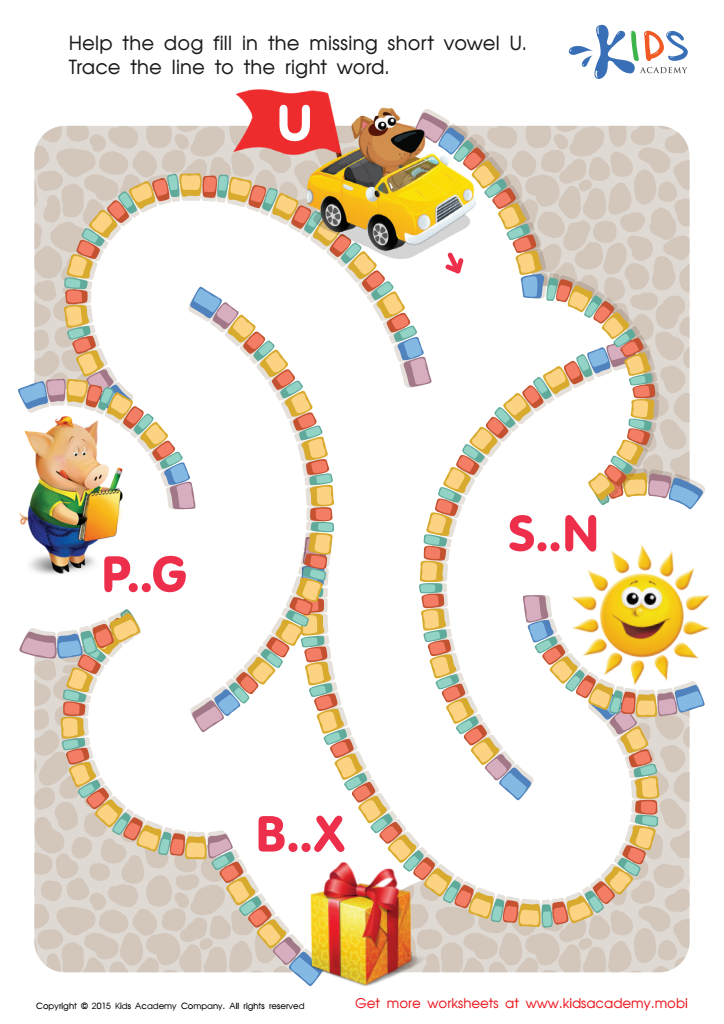
Short Vowel Sound U Worksheet
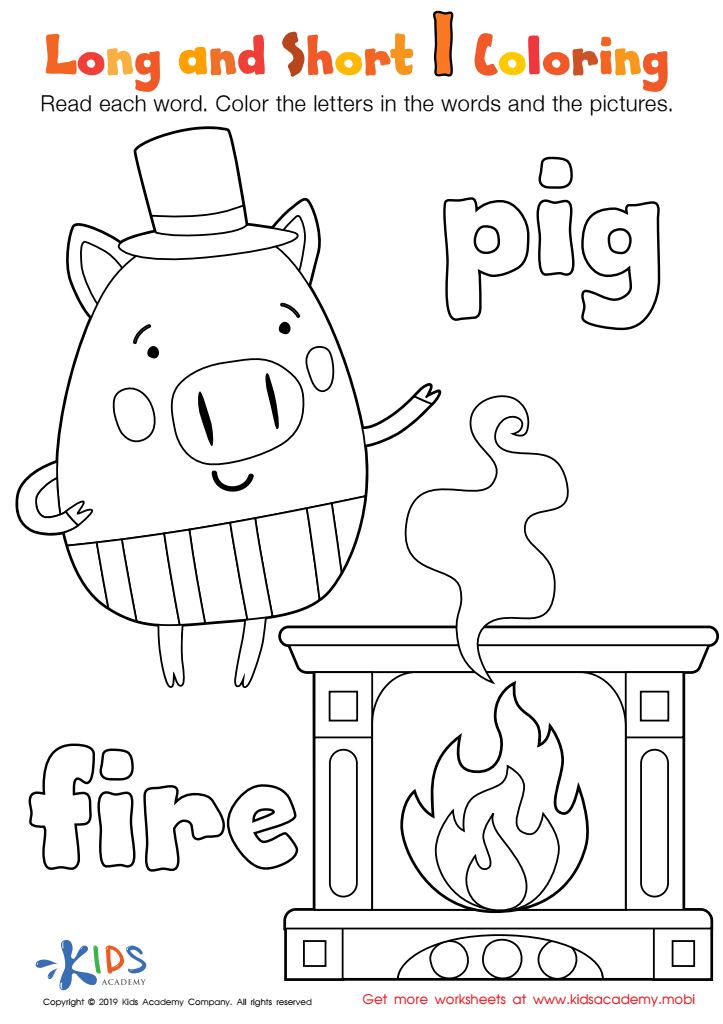
Long and Short I Worksheet
 Assign to My Students
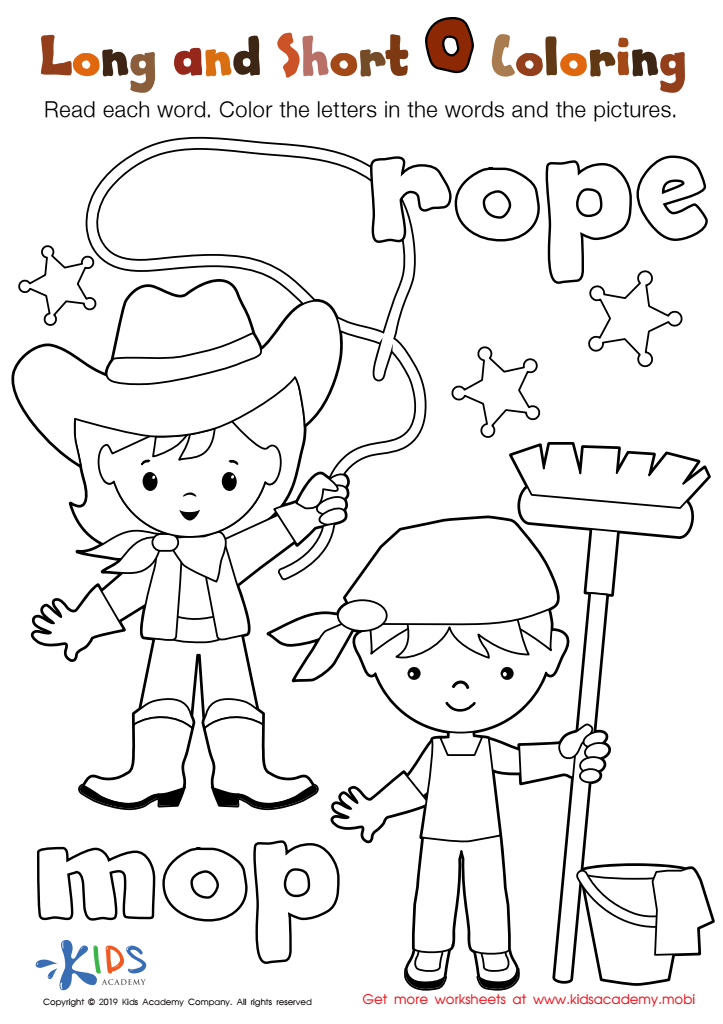
Long and Short O Worksheet
Assign to My Students








Phonics skills development is crucial for children aged 4-6 because it lays the foundational framework for reading and literacy. During these early years, children’s brains are particularly receptive to learning the relationships between letters and sounds, which is the essence of phonics. Mastering these connections helps young learners decode words, improving their reading fluency and comprehension.
For parents, investing time in phonics development means giving their children a significant head start in their educational journey. Early readers often perform better academically since strong reading skills are correlated with better overall academic achievement. Moreover, children who can read fluently are more likely to develop a love for reading, fostering continuous learning and curiosity.
For teachers, focusing on phonics during these formative years can lead to more effective and efficient instruction. When students grasp the fundamentals early on, they are better equipped to tackle more complex linguistic tasks later, such as understanding context, inferring meanings, and absorbing new information across subjects.
Ultimately, phonics is a critical building block in language learning. Prioritizing its development at ages 4-6 not only helps children become proficient readers but also instills confidence and enthusiasm towards learning, setting a positive trajectory for their future educational experiences.







