Alphabet Recognition Tracing Letters Worksheets for Ages 4-6 - Page 2
28 filtered results
-
From - To
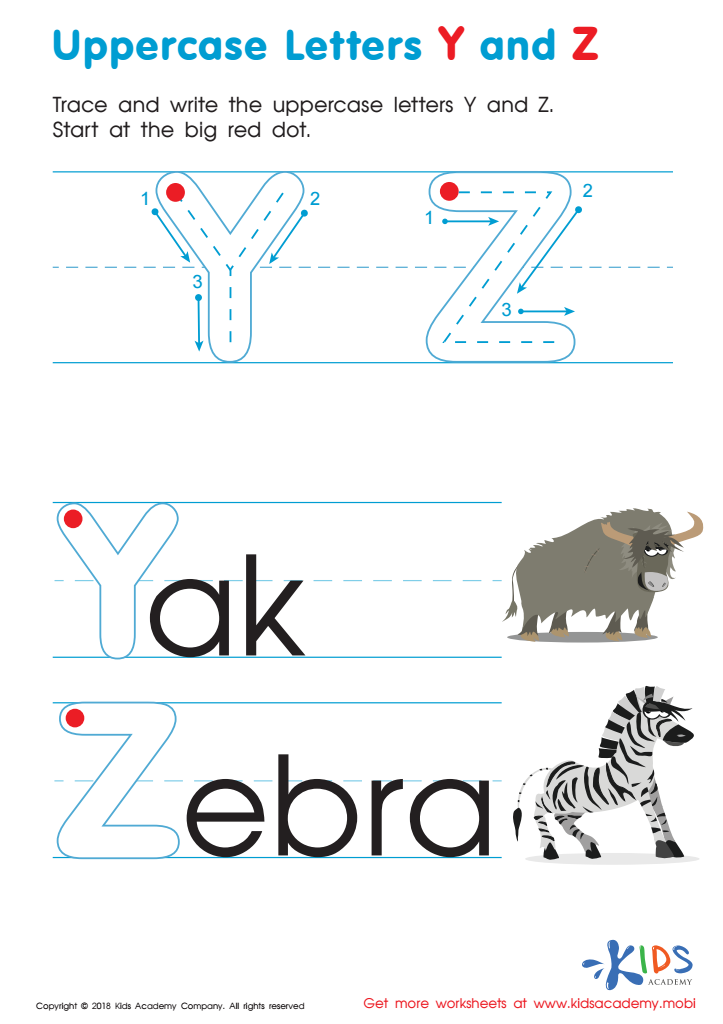
Uppercase Letters Y Z Worksheet
 Assign to My Students
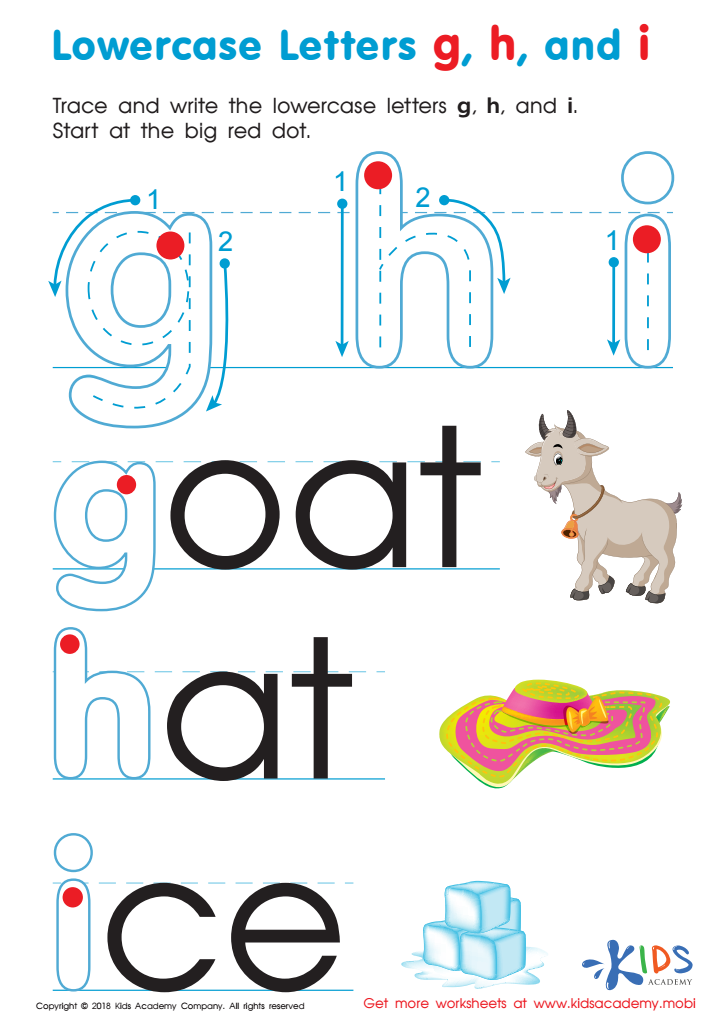
Lowercase Letters g h i Worksheet
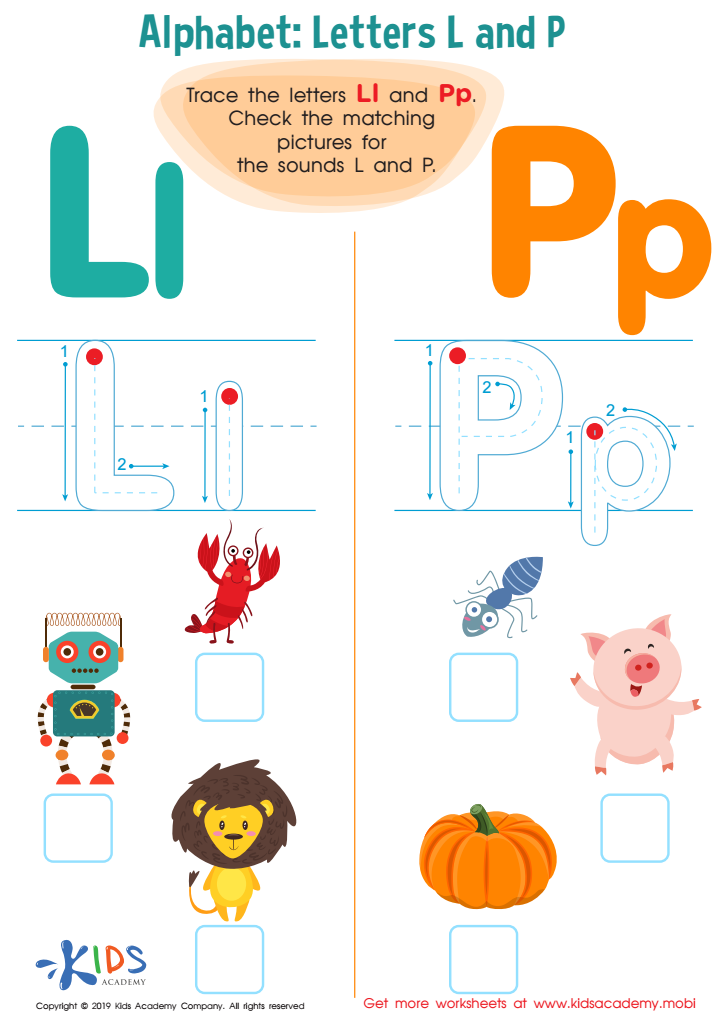
Letter L and P Tracing Worksheet
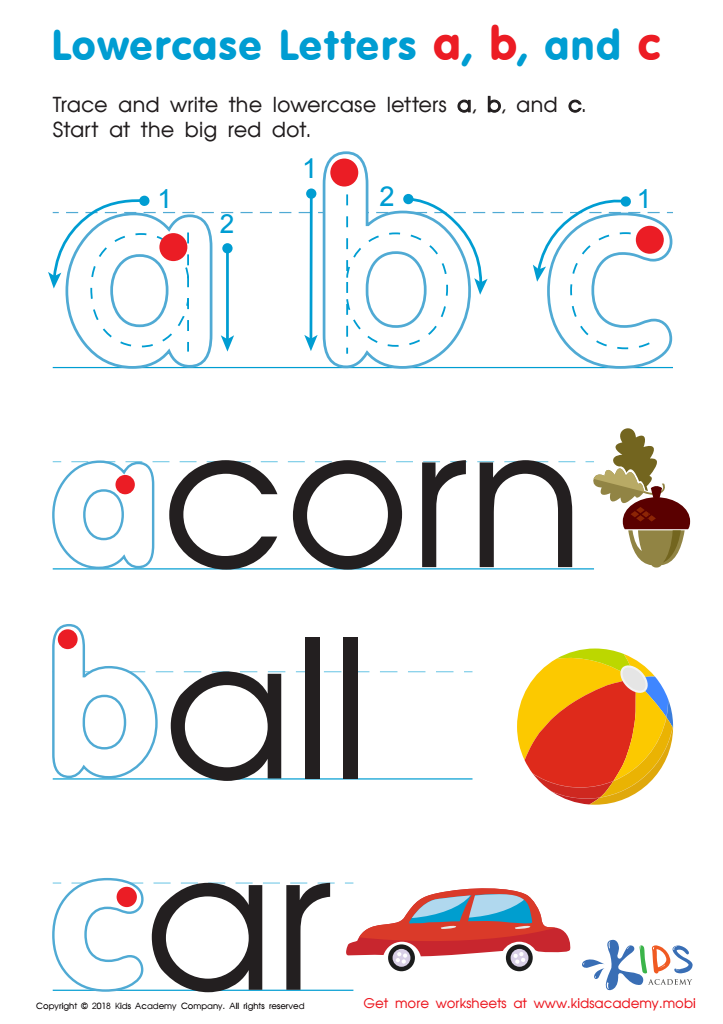
Lowercase Letters a b c Worksheet







Alphabet recognition and letter tracing are essential skills for children aged 4-6 as they lay the foundation for literacy and communication. At this developmental stage, children's brains are primed for language acquisition, making it the perfect time for them to engage with letters and sounds. Recognizing letters is the first step toward reading and writing, two critical skills that they need throughout their education and lives.
Letter tracing helps to develop fine motor skills, as it requires hand-eye coordination and muscle memory. This tactile experience reinforces their understanding of each letter's shape, which is vital for handwriting development. Thus, tracing letters not only promotes literacy but also enhances overall motor skills.
Moreover, familiarizing children with the alphabet fosters a sense of accomplishment and boosts their confidence. When they can recognize and trace letters, they feel empowered to tackle more complex tasks, such as constructing words and sentences.
Parents and teachers alike should prioritize alphabet recognition and letter tracing because these activities support academic readiness, encourage curiosity about language, and nurture a lifelong love for reading and writing. Investing time in these skills now helps create a solid educational foundation for children as they transition into more advanced academic challenges.








