Hand-eye Coordination Tracing Letters Worksheets for Ages 4-6
6 filtered results
-
From - To
Help your child enhance their hand-eye coordination while learning essential skills with our "Hand-eye Coordination Tracing Letters Worksheets for Ages 4-6". Specifically designed for young learners, these worksheets offer fun and interactive activities focusing on tracing letters of the alphabet. Perfect for preschool to early elementary students, our worksheets promote muscle memory, improve fine motor skills, and build a strong foundation for writing. Each worksheet is thoughtfully crafted to engage children in a playful educational experience that supports their developmental growth. Encourage your little one to trace their way to success while enjoying the exciting world of letters!
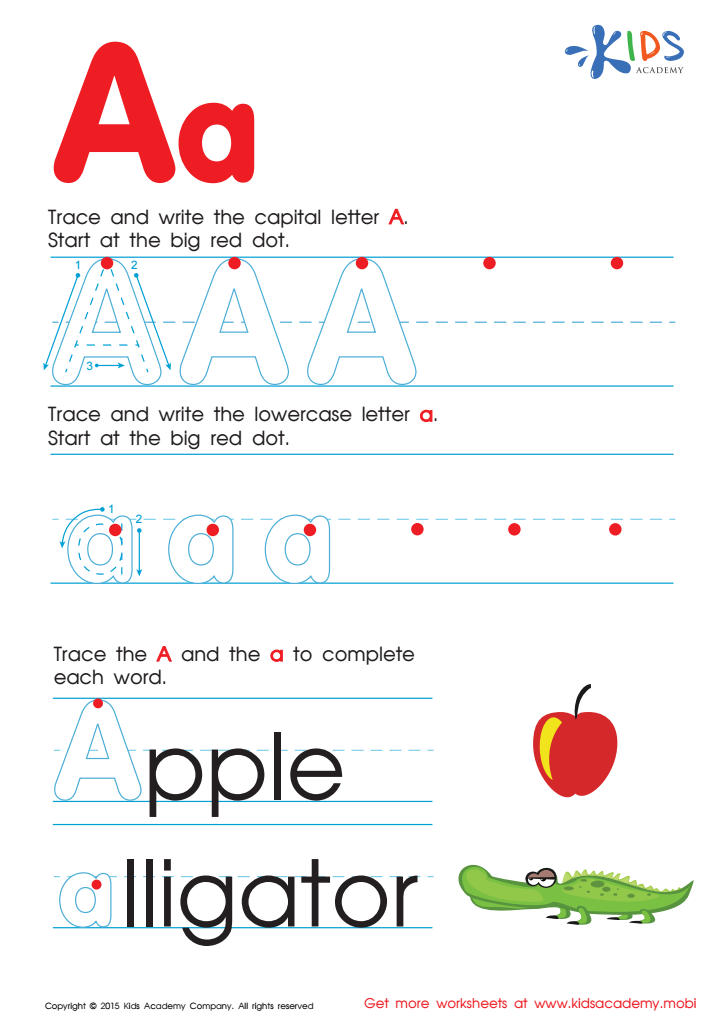
Letter A Tracing Page
 Assign to My Students
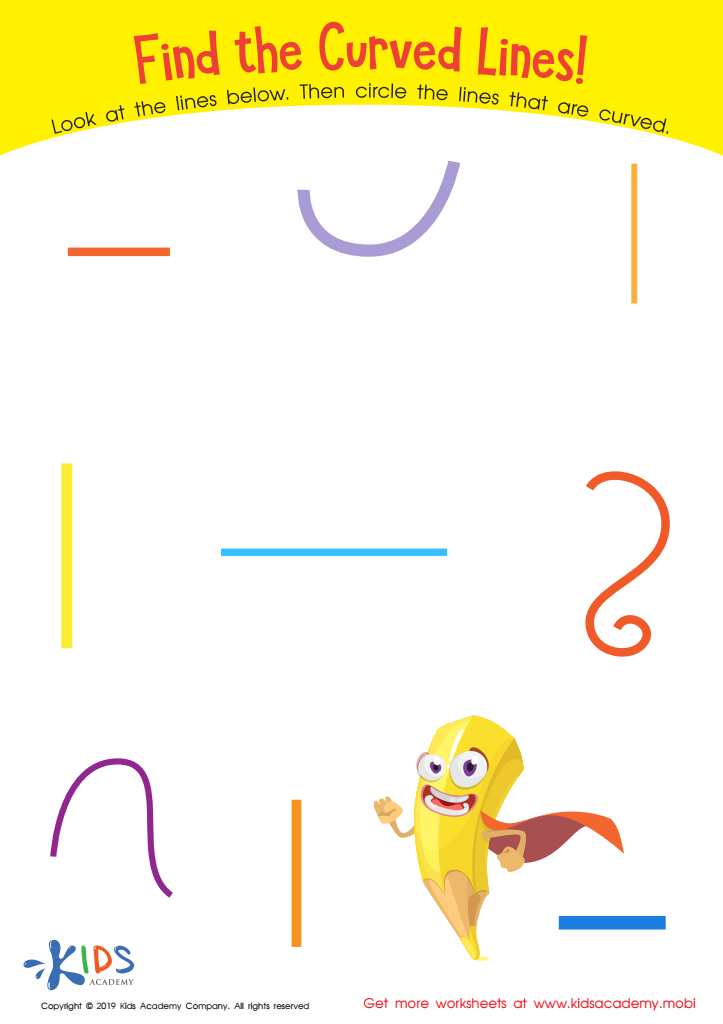
Find the Curved Lines! Worksheet
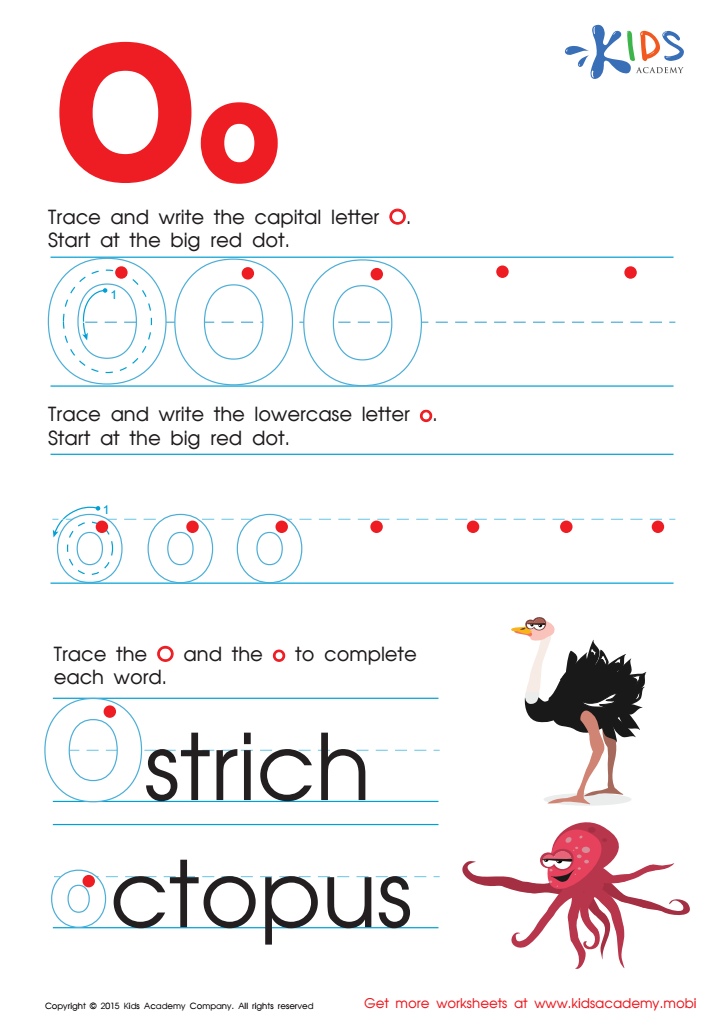
Letter O Tracing Page

Letter P Tracing Page

Letter H Tracing Page

Letter D Tracing Page







Hand-eye coordination tracing letters is crucial for children ages 4-6 as it serves as a foundational skill for academic success and overall development. This practice helps young learners synchronize their visual and motor skills, enabling them to write with accuracy and ease. At this age, children's brains are highly malleable, and engaging in activities that promote hand-eye coordination can significantly boost cognitive development.
First, tracing letters enhances fine motor skills. Children learn to control hand movements which are vital for writing, drawing, and even daily tasks like buttoning a shirt or tying shoelaces. Improved fine motor skills also contribute to better hand strength and dexterity, setting the stage for more advanced tasks.
Second, literacy skills are nurtured. As children trace letters, they acquaint themselves with letter shapes, recognition, and sounds—a pivotal step towards reading and writing proficiency. Tracing aids in memorizing the alphabet and understanding letter associations, essential for phonics and eventually, fluent reading.
Lastly, tracing fosters focus and concentration. These exercises require kids to pay attention to details for longer periods, cultivating sustained attention spans that are beneficial for later academic pursuits.
Parents and teachers should prioritize hand-eye coordination tracing to ensure comprehensive development, setting a strong educational foundation and contributing to a child's confidence and independence in learning.








