Handwriting improvement Tracing Letters Worksheets for Ages 4-6
5 filtered results
-
From - To
Boost your child's handwriting skills with our engaging Tracing Letters Worksheets designed specifically for ages 4-6! These thoughtfully crafted worksheets provide young learners with the perfect opportunity to practice letter formation through tracing. As children draw each letter, they develop fine motor skills, enhance muscle memory, and gain confidence in their writing abilities. Our colorful and interactive sheets keep early learners motivated and excited about learning their ABCs. With a variety of letters to trace, your child will improve their handwriting in a fun and effective way. Perfect for home or classroom use, watch your little one write with pride!
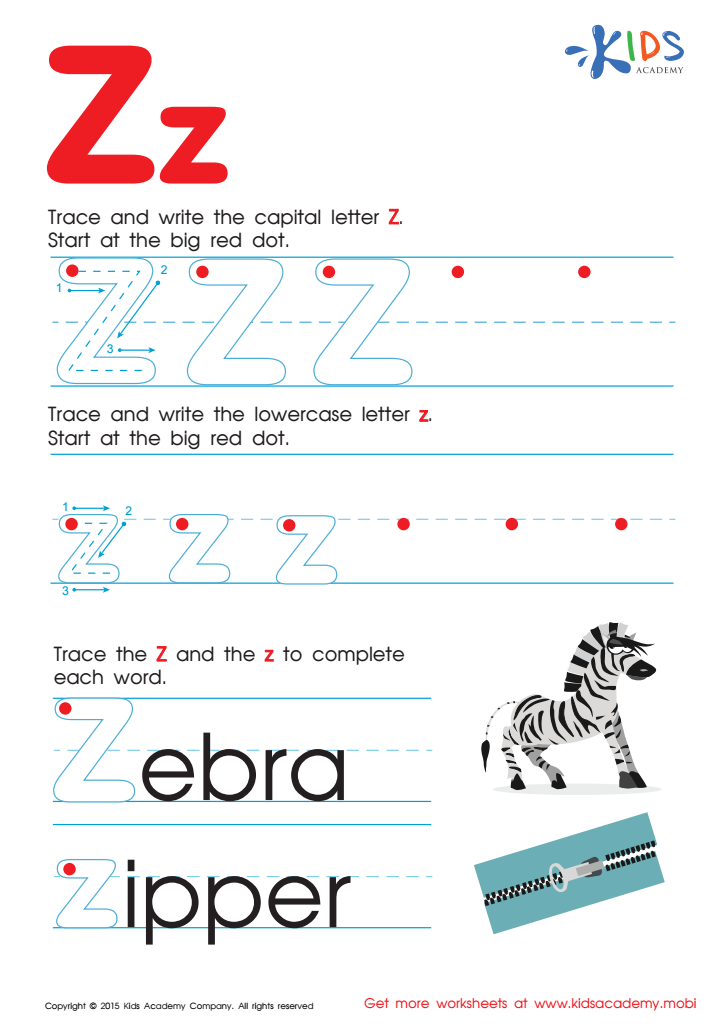
Letter Z Tracing Page
 Assign to My Students
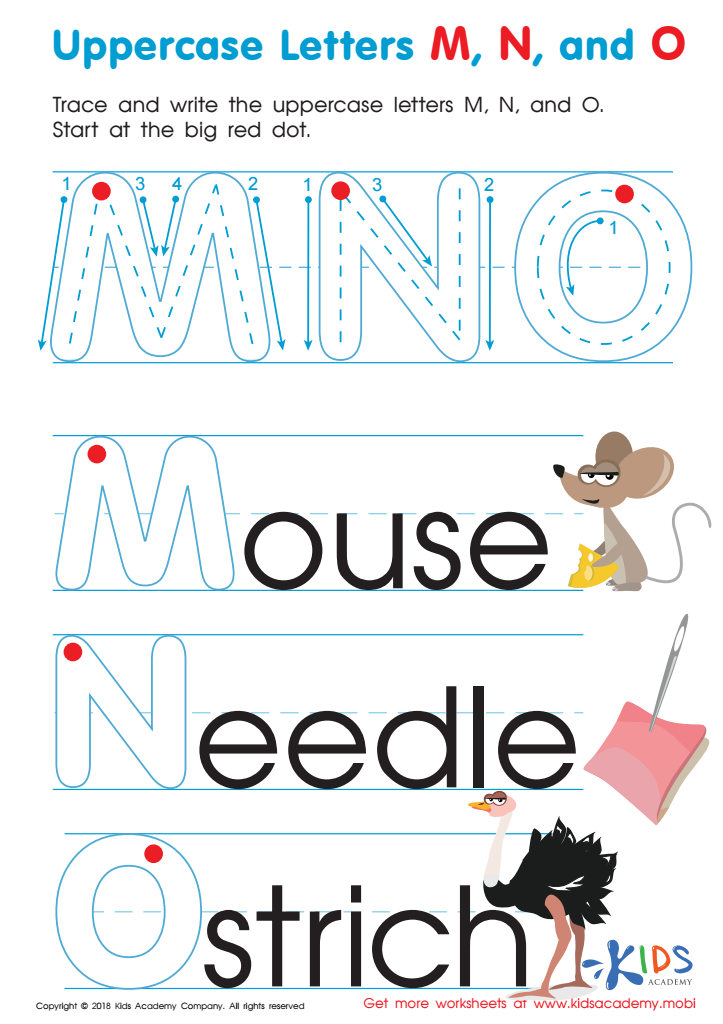
Uppercase Letters M, N, and O Worksheet
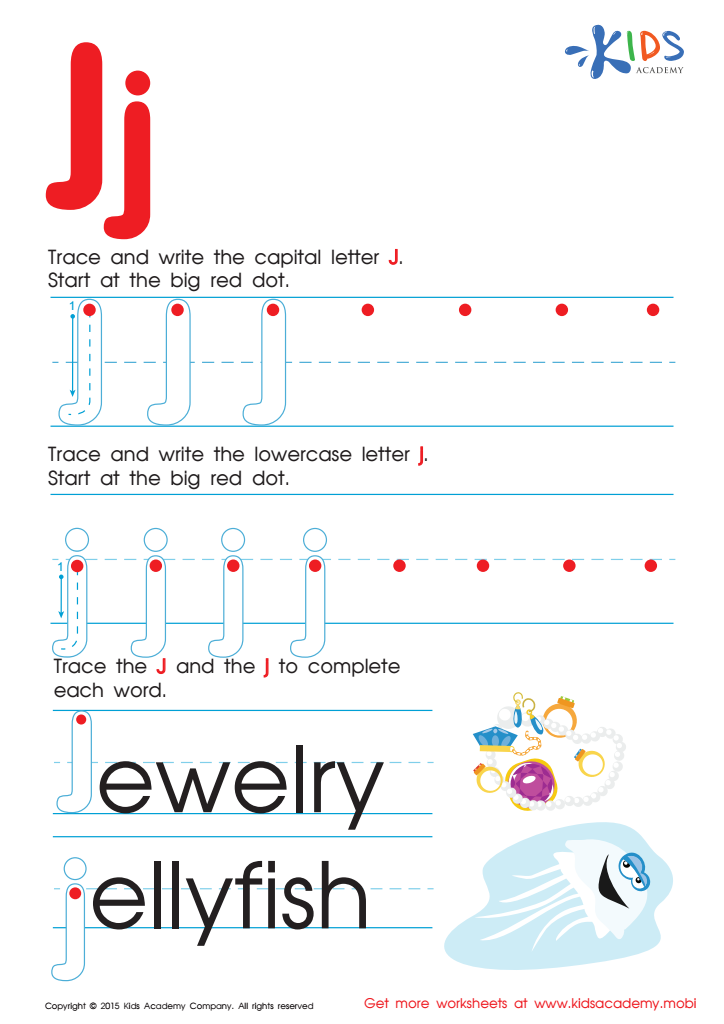
Letter J Tracing Page
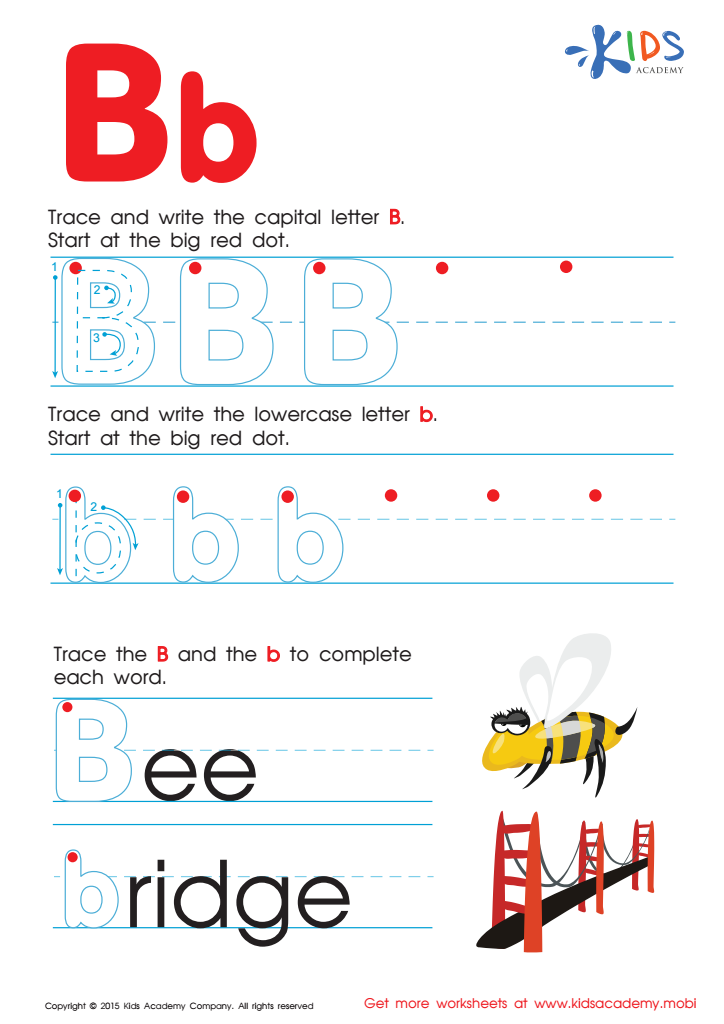
Letter B Tracing Page
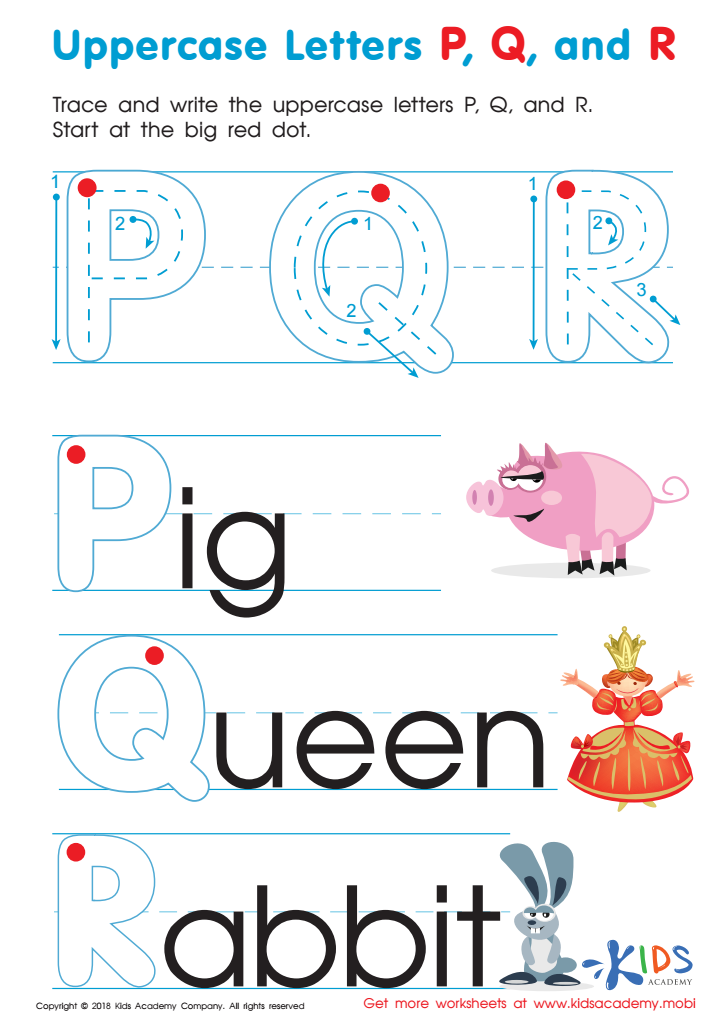
Uppercase Letters P, Q, and R Worksheet








Handwriting improvement is crucial for children aged 4-6 as it sets the foundation for their academic journey. At this developmental stage, children are honing their fine motor skills, which are essential for various tasks beyond writing, such as using scissors, buttoning clothing, and drawing. Tracing letters offers a structured and repetitive way for children to practice letter formation, helping them develop muscle memory. This activity not only enhances their handwriting but also boosts their confidence in their writing abilities.
In addition to the physical aspect, handwriting serves cognitive benefits. It engages different parts of the brain, enhancing memory retention and comprehension skills. Children learn letters better when they engage in tactile activities like tracing, which helps them create a connection between the letter shape and the sounds they represent.
Furthermore, solid handwriting skills are vital for effective communication. If children struggle with writing legibly, they may feel frustrated during classroom assignments, affecting their overall learning experience. By encouraging handwriting improvement through activities like tracing, parents and teachers instill discipline and perseverance, fostering a sense of accomplishment. Investing time in handwriting now can positively influence a child’s self-esteem, readiness for school, and future academic success.








