Problem-Solving Skills Upper & Lowercase Letters Worksheets for Ages 4-6
3 filtered results
-
From - To
Enhance your child's learning journey with our engaging Problem-Solving Skills Worksheets focused on upper and lowercase letters, designed specifically for ages 4-6. These vibrant and interactive activities encourage young learners to recognize, match, and sort letters while developing critical thinking skills. Each worksheet promotes problem-solving through fun puzzles and creative challenges, fostering a love for learning. Our resources are perfect for both home and classroom settings, providing a solid foundation for reading and writing. Unlock your child's potential with these essential activities that make learning the alphabet an enjoyable and enriching experience! Transform education into an adventure today!
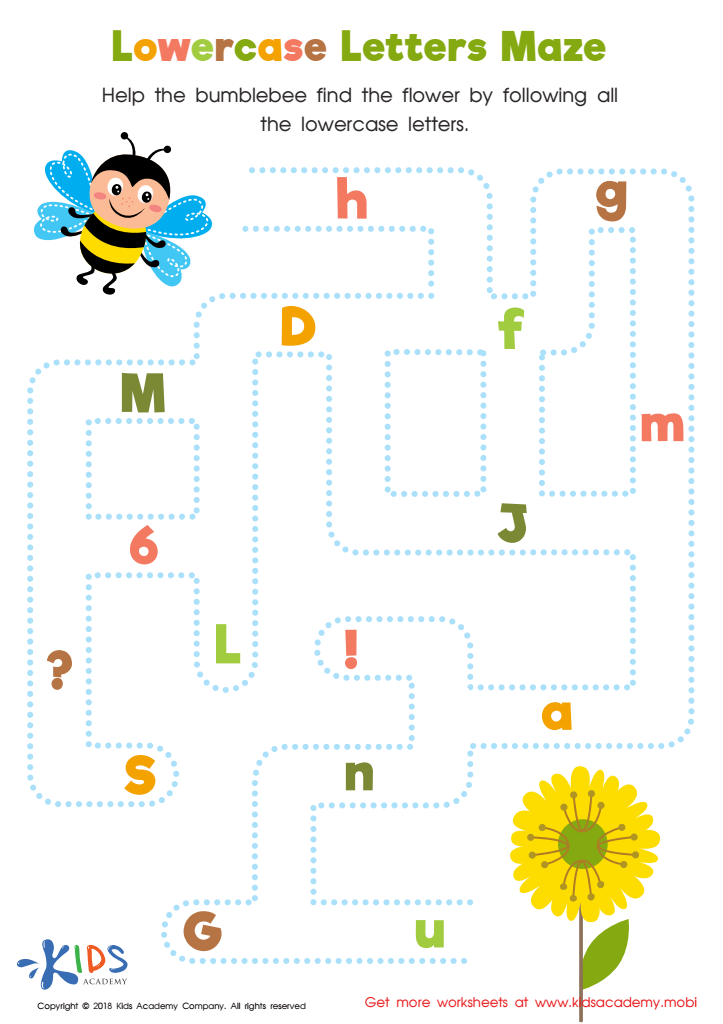
Lowercase Letters Maze Worksheet
 Assign to My Students
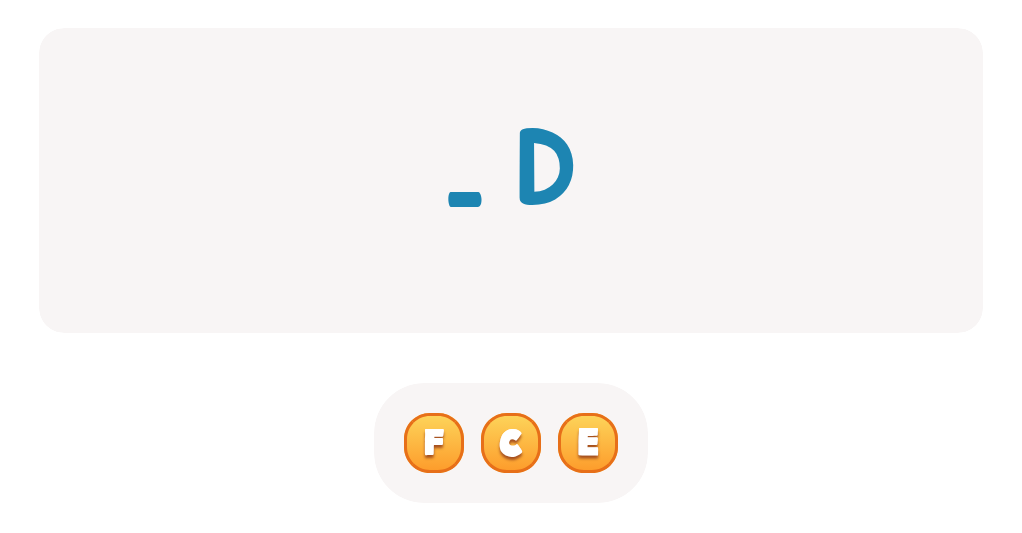

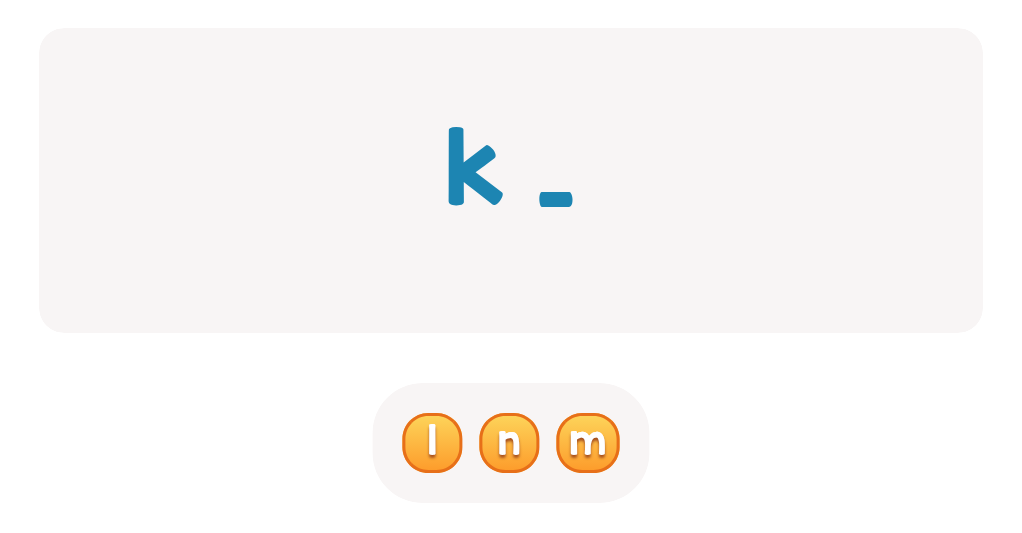
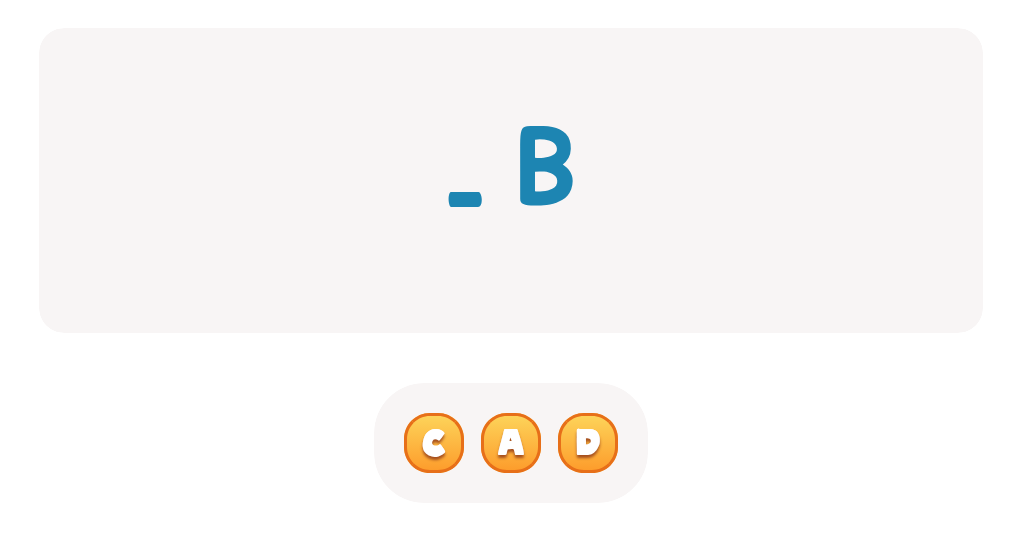
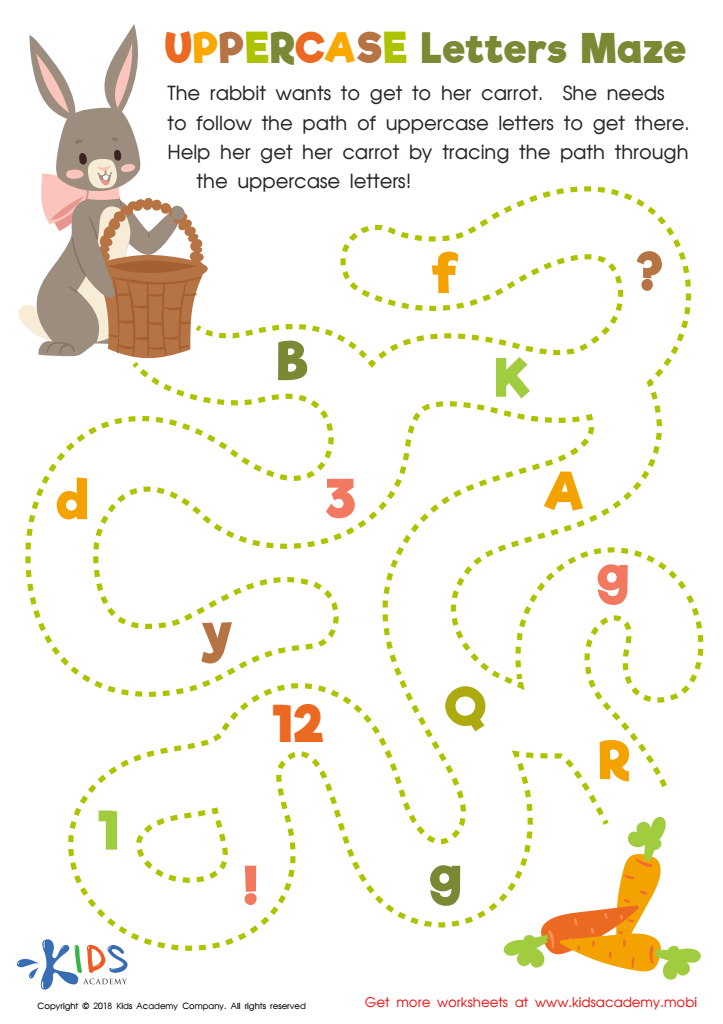
Uppercase Letters Maze Worksheet
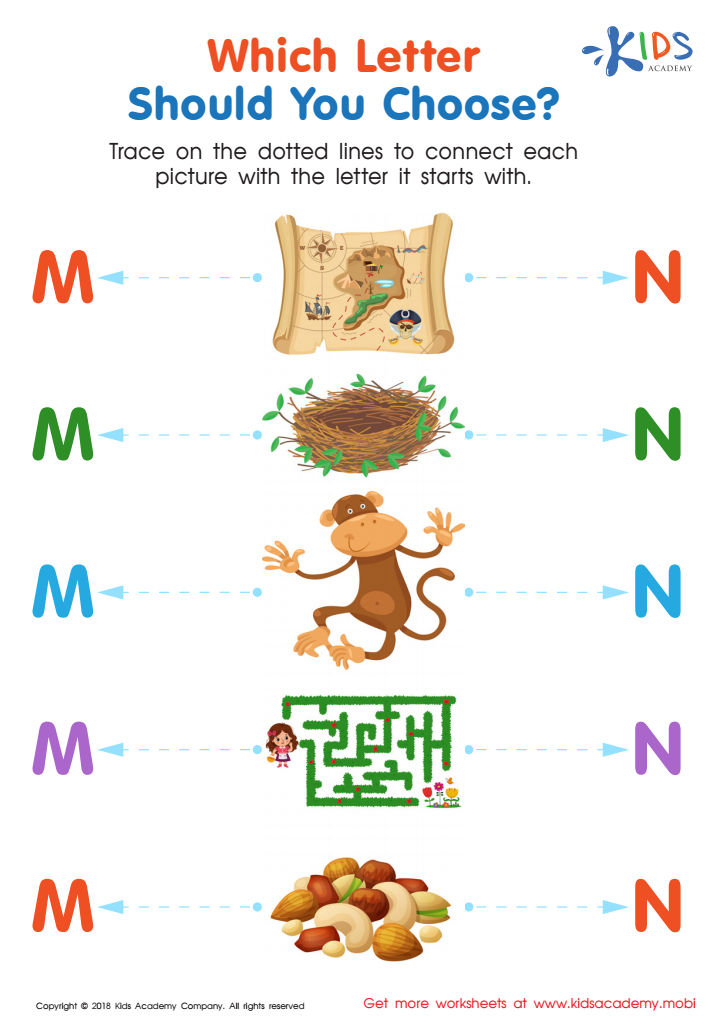
Which Letter Should you Choose? Worksheet






Problem-solving skills are crucial for children aged 4-6, especially when learning upper and lowercase letters. Understanding these letters not only helps with literacy, but it also fosters critical thinking abilities. When children engage in activities like sorting, matching, or identifying letters, they are not just memorizing; they are actively problem-solving. For instance, figuring out the difference between 'b' and 'd' incorporates logical reasoning and spatial awareness.
Additionally, letters serve as foundational elements of language, impacting reading and writing skills essential for academic success. By nurtur στιςstanders adouts demonstratingΗΣachsene IPetsoritel, engaging them with hands-on games like letter puzzles, interactive books, or phonics activities encourages exploration and creativity. These experiences allow children to tackle challenges, develop perseverance, and enhance cognitive flexibility.
Moreover, cultivating problem-solving skills through letters lays the groundwork for collaboration and communication. Children learn to articulate their thought processes and engage with peers, essential components of social development.
For parents and teachers, prioritizing these skills means helping children build confidence, independence, and resilience. Ultimately, investing in problem-solving during this essential learning phase ensures children are better prepared for future academic challenges and fosters a lifelong love for learning.







