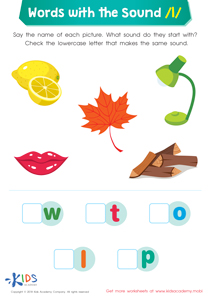
Alphabet Recognition Uppercase Letters Worksheets for Ages 4-6
10 filtered results
-
From - To
Discover fun and engaging "Alphabet Recognition Uppercase Letters Worksheets" designed for ages 4-6! Our printable activities enhance early literacy skills, making learning delightful for young minds. These worksheets provide a variety of exercises, including colorful letter tracing, matching games, and finding hidden letters, to foster alphabetical knowledge and fine motor skills. Perfect for preschoolers and kindergarteners, these resources support foundational reading readiness in an interactive way. Kids will enjoy exploring the alphabet while building confidence and mastery of uppercase letters. Download our free worksheets today and watch your child’s alphabet proficiency soar!
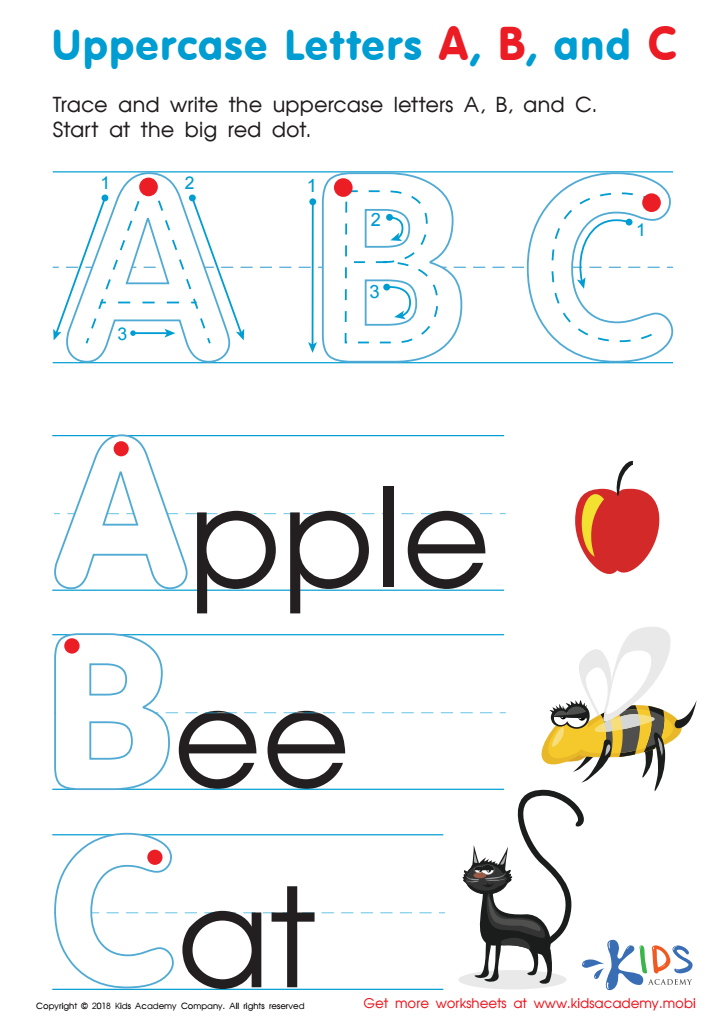
Uppercase Letters A, B, and C Worksheet
 Assign to My Students
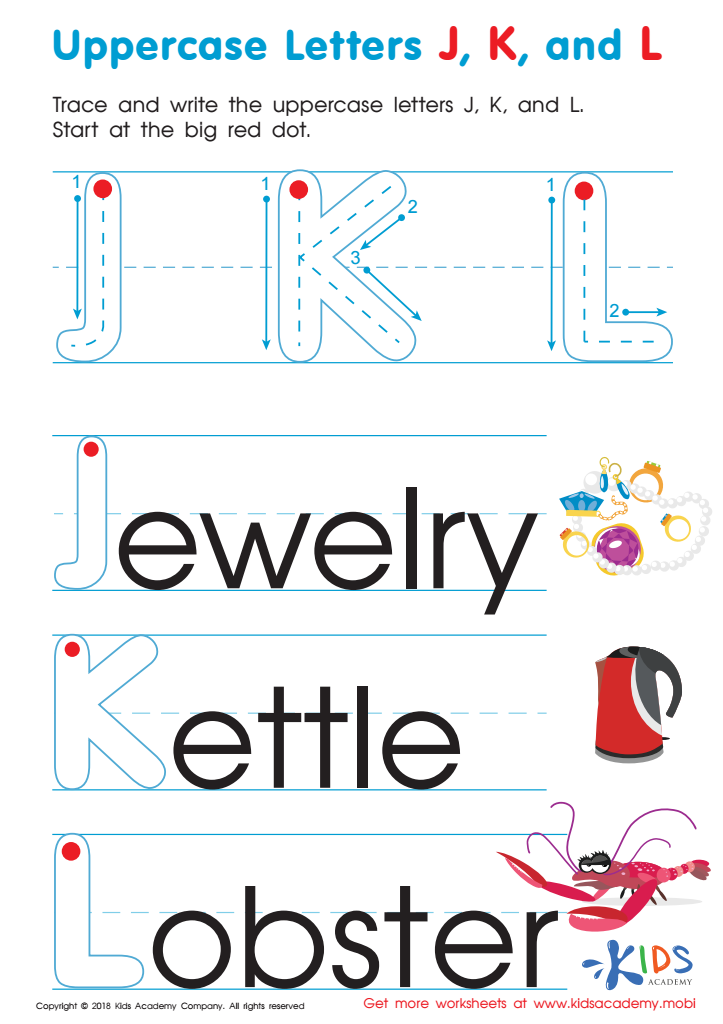
Uppercase Letters J, K, and L Worksheet
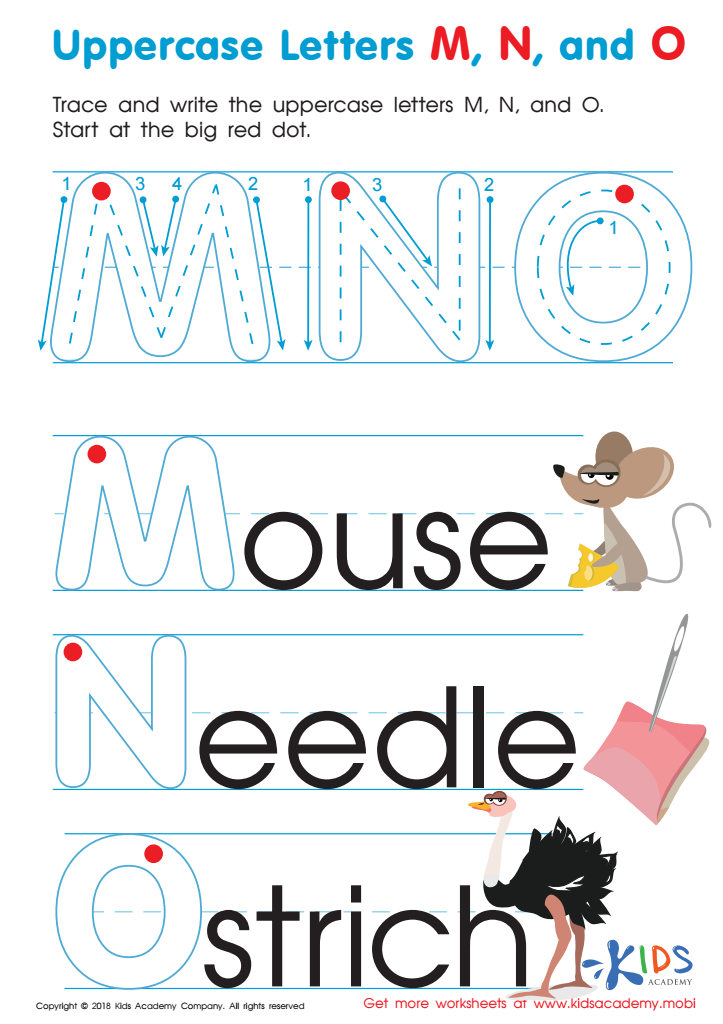
Uppercase Letters M, N, and O Worksheet
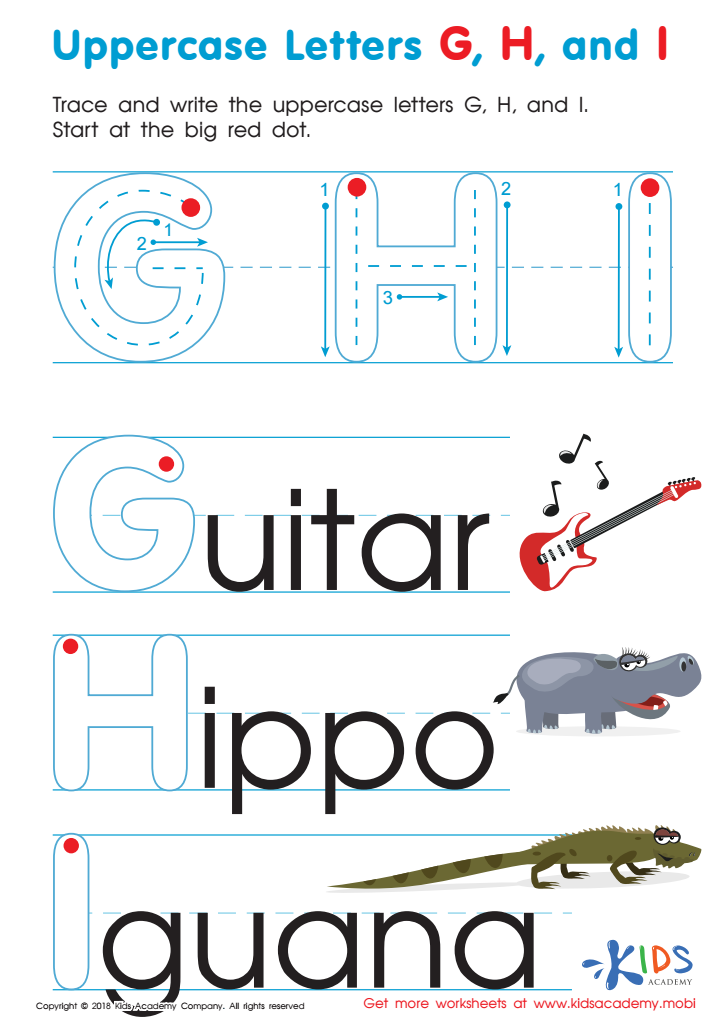
Uppercase Letters G, H, and I Worksheet
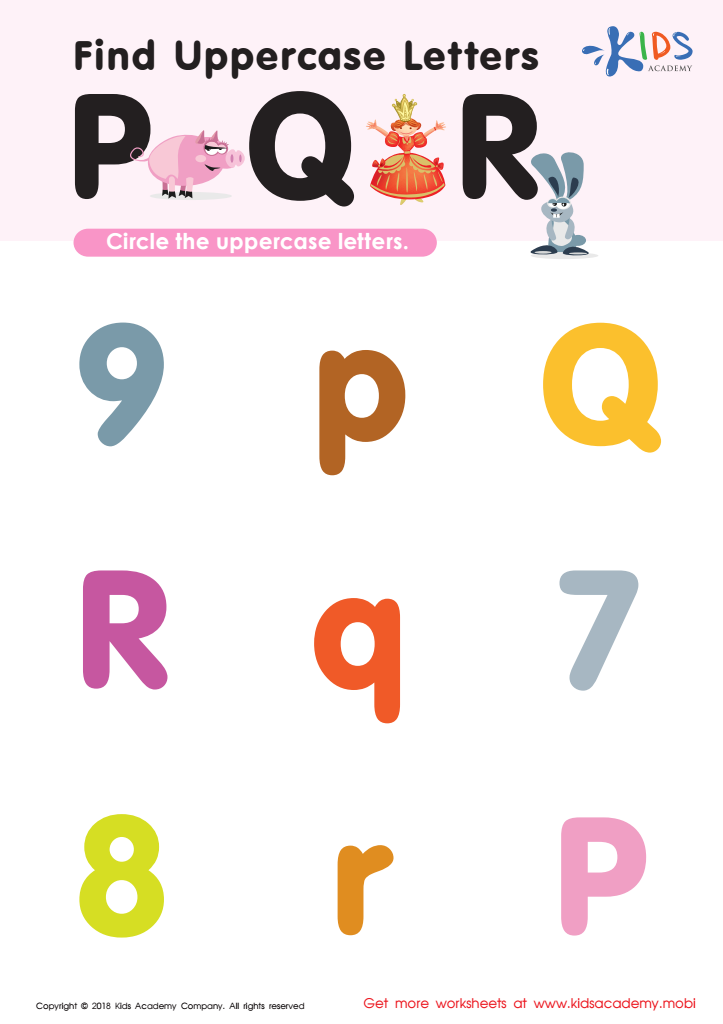
Find Uppercase Letters P, Q, and R Worksheet
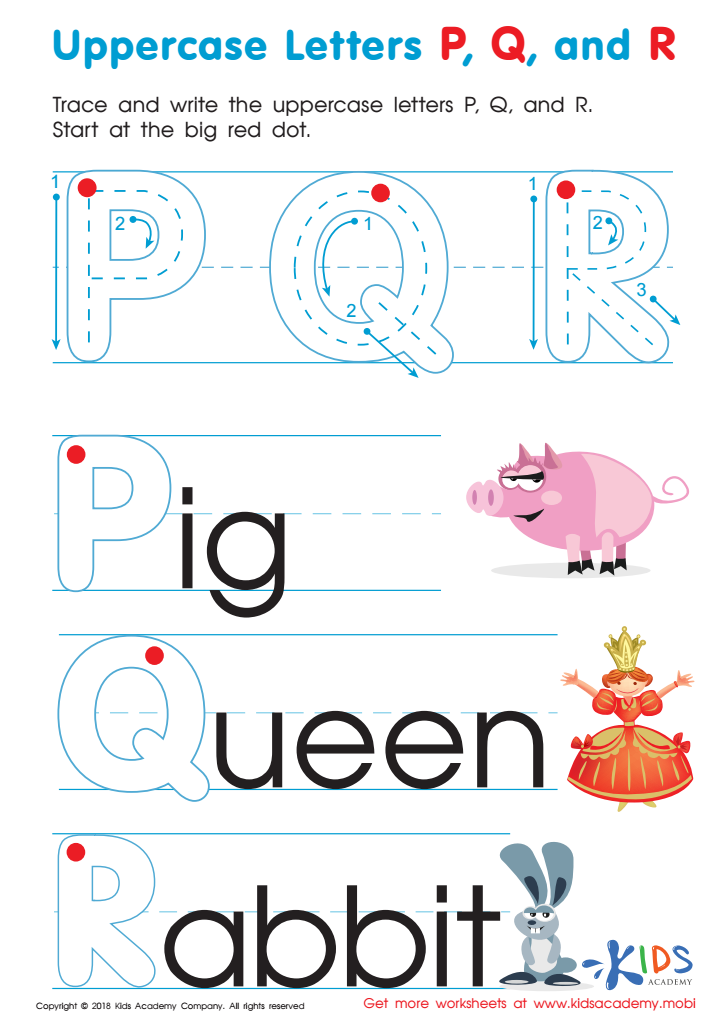
Uppercase Letters P, Q, and R Worksheet
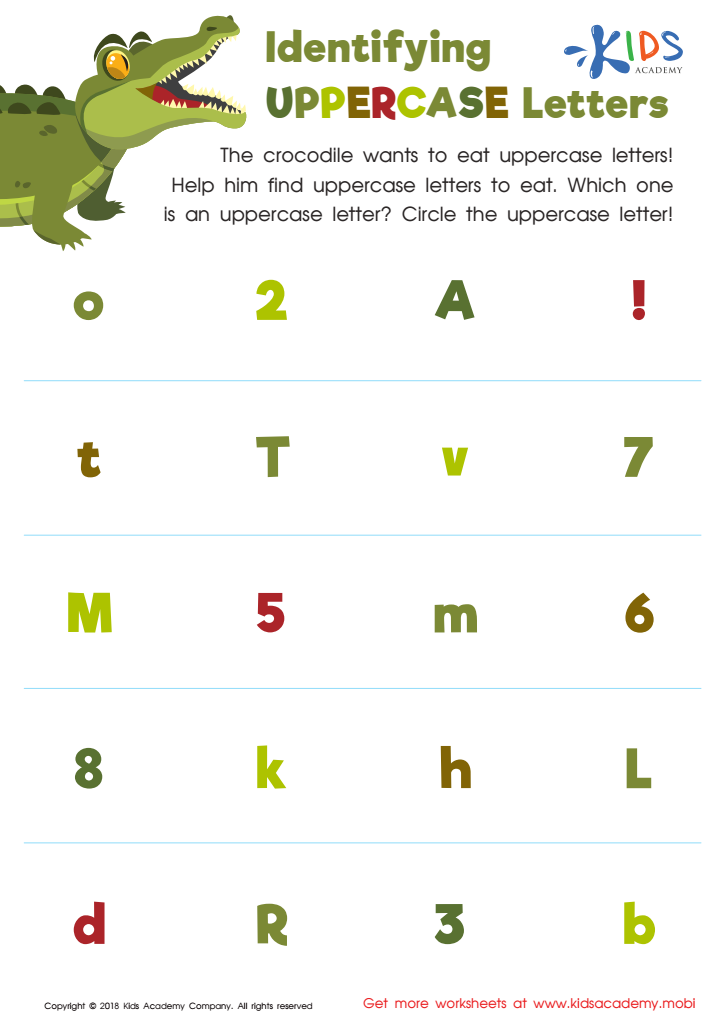
Identifying Uppercase Letters Worksheet
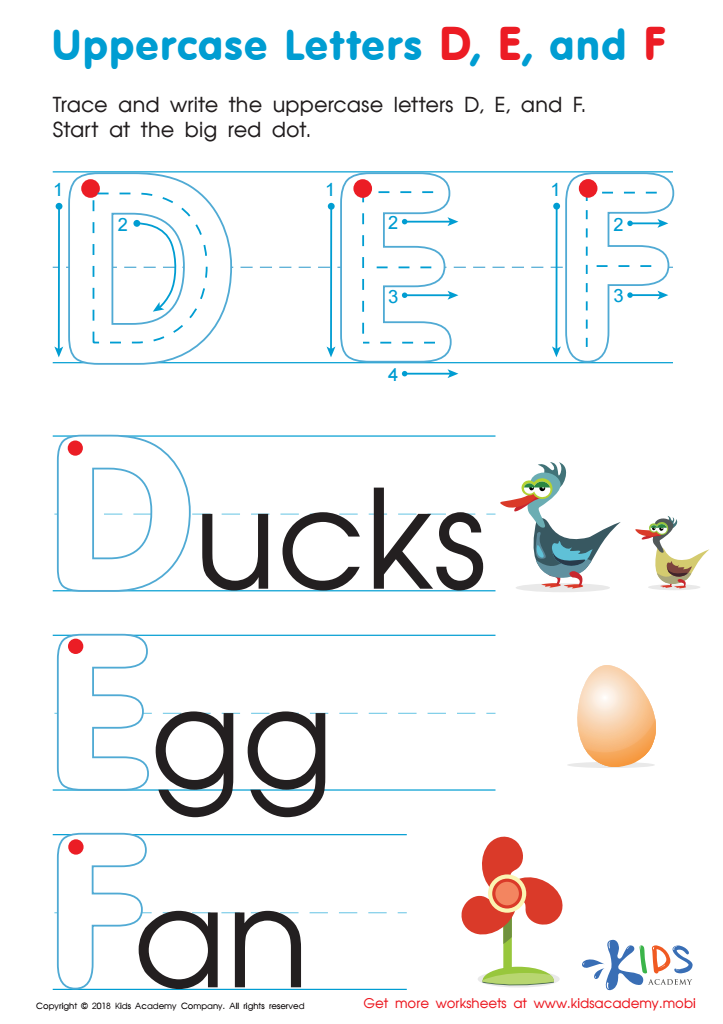
Uppercase Letters D, E, and F Worksheet
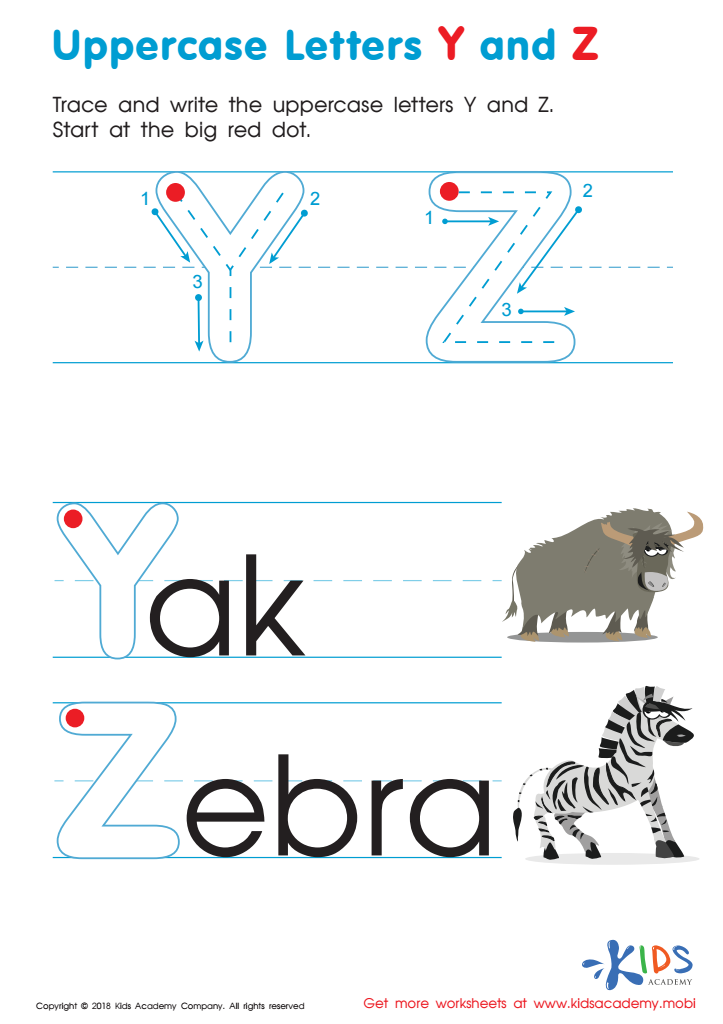
Uppercase Letters Y Z Worksheet
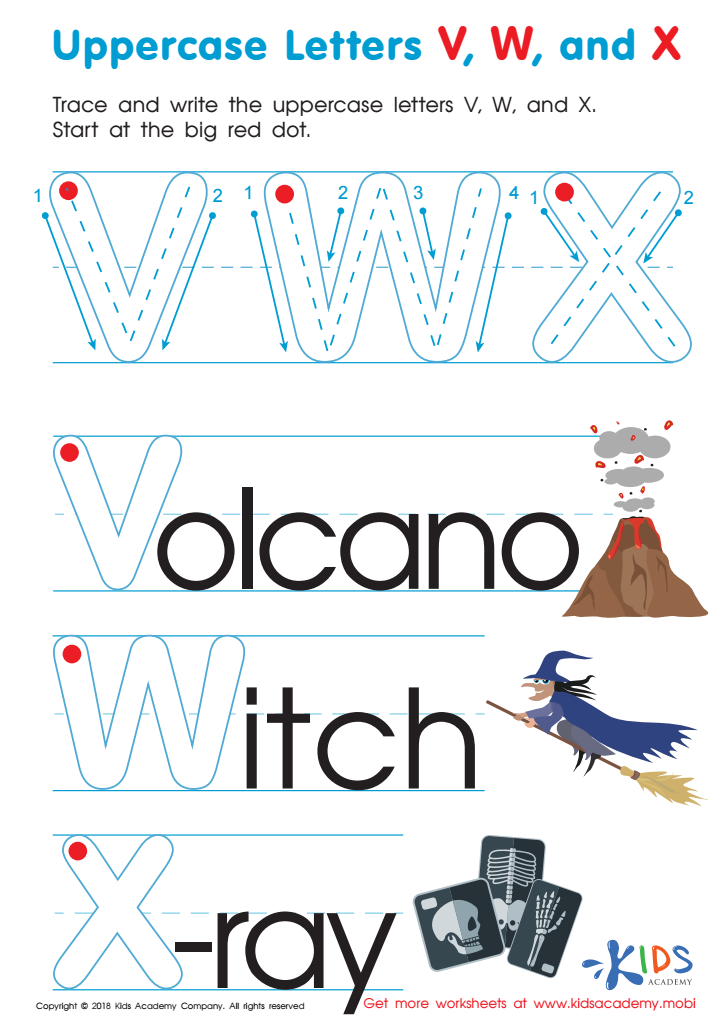
Uppercase Letters V, W, and X Worksheet








Parents and teachers should care about alphabet recognition in uppercase letters for children aged 4-6 because it serves as the foundational step in developing literacy skills. At this developmental stage, children are like sponges, absorbing information rapidly. Recognizing uppercase letters helps them understand the basic building blocks of written language, aiding their reading and writing journey.
As the precursors to reading, knowing uppercase letters enables young learners to identify letters quickly and associate them with their corresponding sounds. This letter-sound association is essential for phonemic awareness, which is a critical skill for decoding words. Without a solid grasp of the alphabet, children may find it challenging to progress to more advanced reading and writing tasks, potentially hindering their overall academic growth.
Moreover, recognizing uppercase letters can boost a child's confidence and independence. Children encounter uppercase letters daily in their environment, such as on signs, in books, and in their names. Familiarity with these letters enhances their ability to navigate and understand the world around them, empowering them in both academic and real-life settings.
In summary, attention to alphabet recognition in uppercase letters can significantly impact a child's early literacy development, easing their transition into more complex language skills and fostering a lifelong sense of competence and curiosity in learning.