Chess knowledge Chess Worksheets for Ages 4-6
3 filtered results
-
From - To
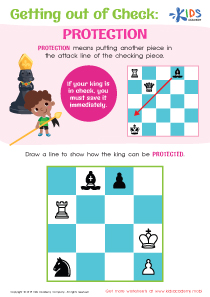
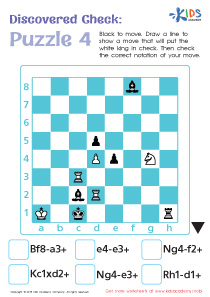
Our "Chess Knowledge Chess Worksheets for Ages 4-6" provide young learners with an engaging introduction to the timeless game of chess. Designed specifically for early childhood education, these colorful and interactive worksheets build foundational skills like critical thinking, problem-solving, and concentration. Through fun activities and exercises suited for their developmental stage, children will explore chess principles, piece recognition, and simple strategies in an enjoyable way. Perfect for both parents and teachers, these worksheets make learning chess accessible and exciting. Set your little one on a path to becoming a chess master with our trusted resources!
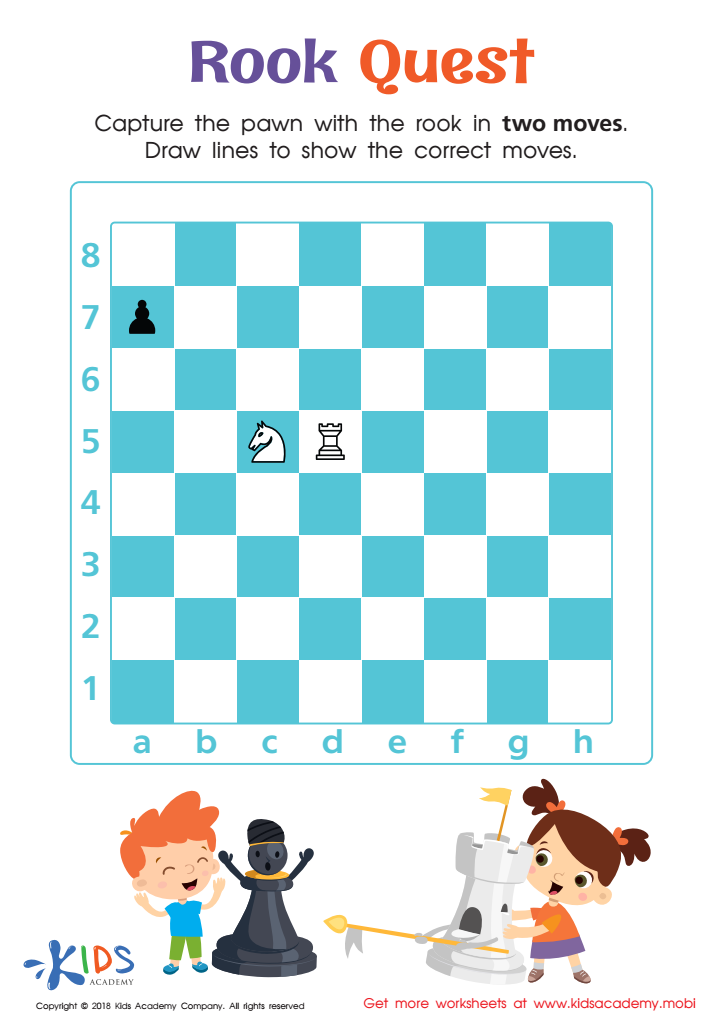
Rook Quest Worksheet
 Assign to My Students
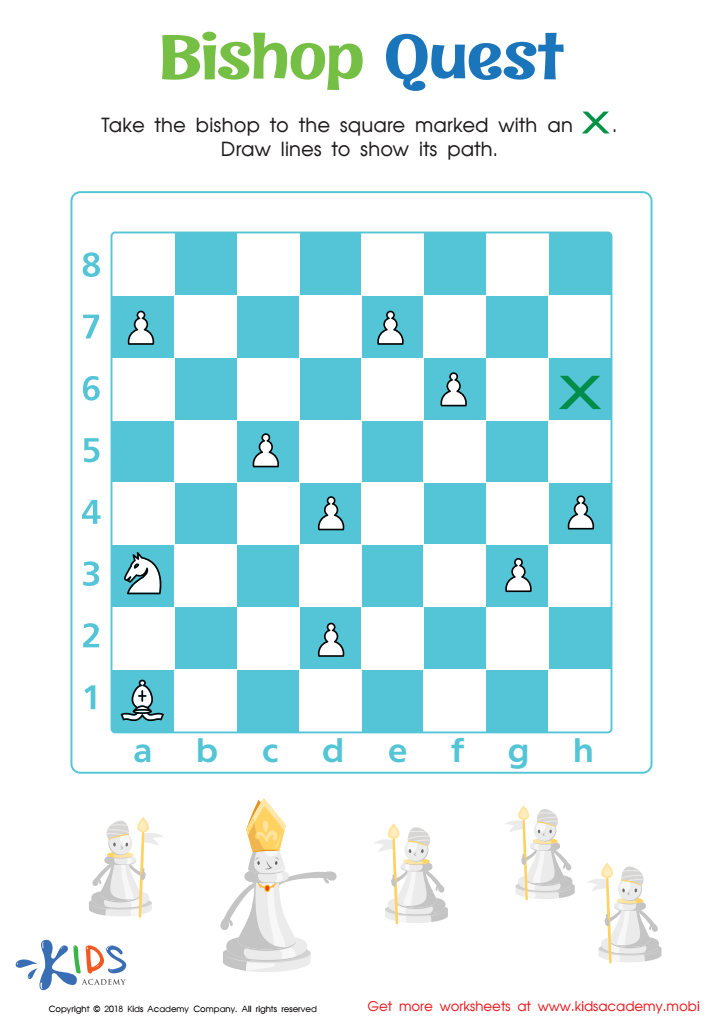
Bishop Quest Worksheet
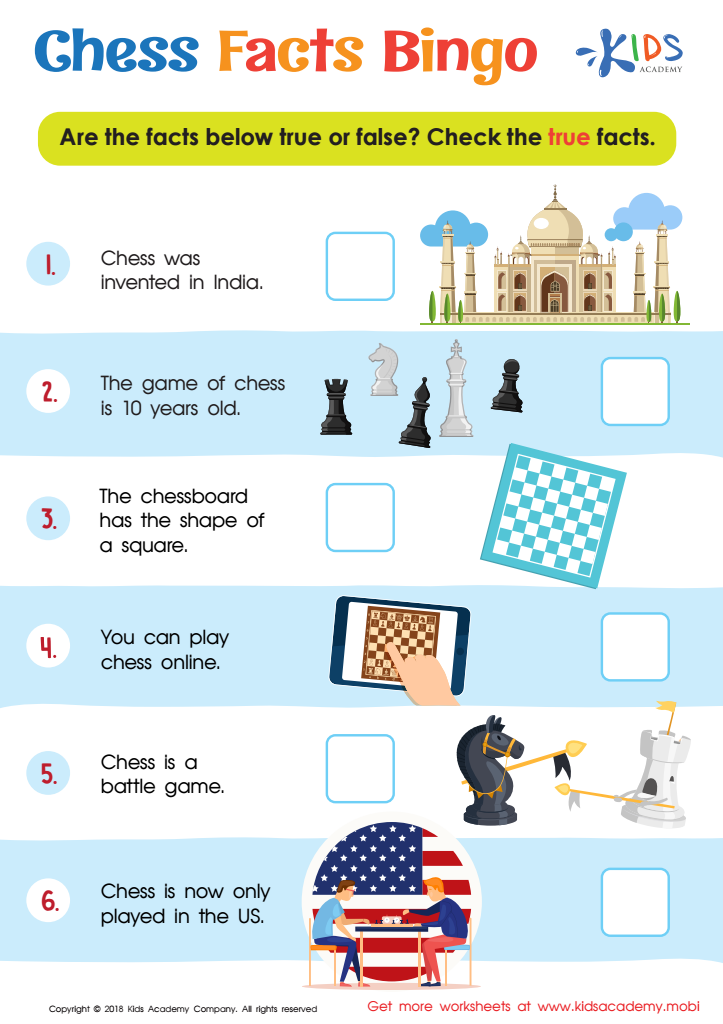
Chess Facts Bingo Worksheet






Introducing chess to children as young as 4-6 years old can have remarkable benefits for their development. This classic game is more than just a pastime; it's a powerful educational tool that nurtures critical thinking, problem-solving skills, and patience.
Firstly, chess teaches strategic thinking. Kids learn to plan ahead, consider different outcomes, and make informed decisions. By practicing these skills, children enhance their cognitive abilities and become better problem-solvers both in and out of the classroom.
Spatial reasoning is another key benefit. Moving pieces across the board, children visualize the effects of actions unfolding in time and space. This can lay the groundwork for success in subjects like mathematics and science, where understanding spatial relationships is essential.
Moreover, chess encourages patience and discipline. A typical game requires focus and calm concentration, and children sequentially learn the value of delayed gratification. Waiting for the right opportunity and making deliberate moves teaches them the program long-term thinking.
Social and emotional growth is also stimulated. Playing chess, kids build relationships based on shared interests and learn important lessons in sportsmanship. Win or lose, every game is an opportunity to develop resilience and grace.
Incorporating chess into a child's early education stirs curiosity, fosters lifelong cognitive skills, and contributes to well-rounded development. With such profound benefits, it's worth considering introducing chess as early as possible.