Alphabet Recognition English for Beginners Worksheets for Ages 4-6 - Page 2
32 filtered results
-
From - To
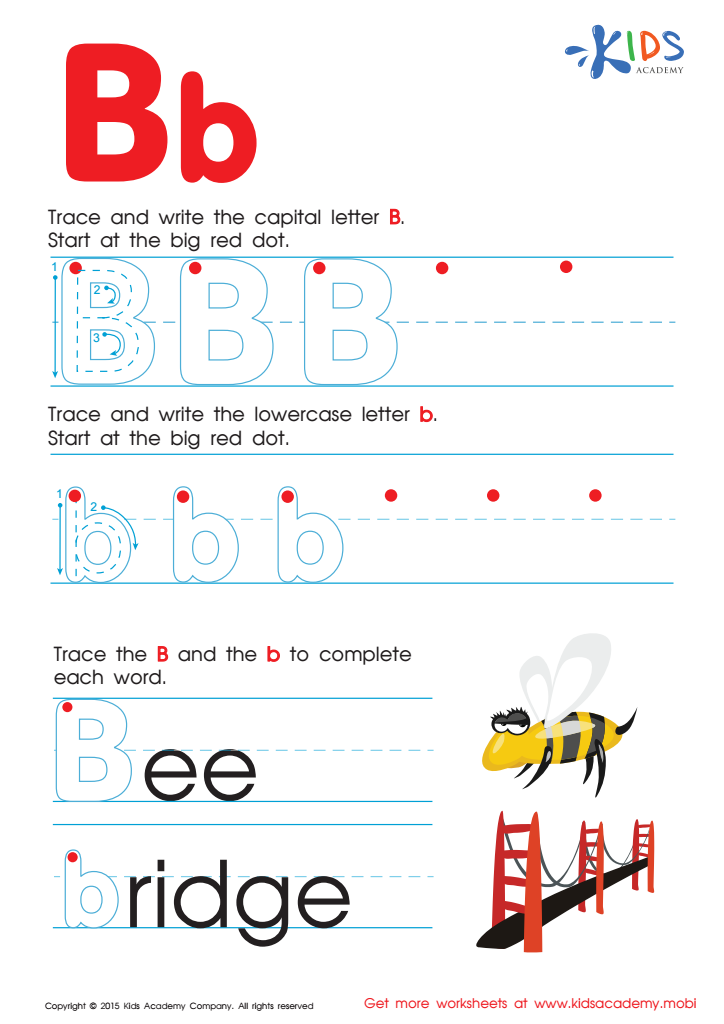
Letter B Tracing Page
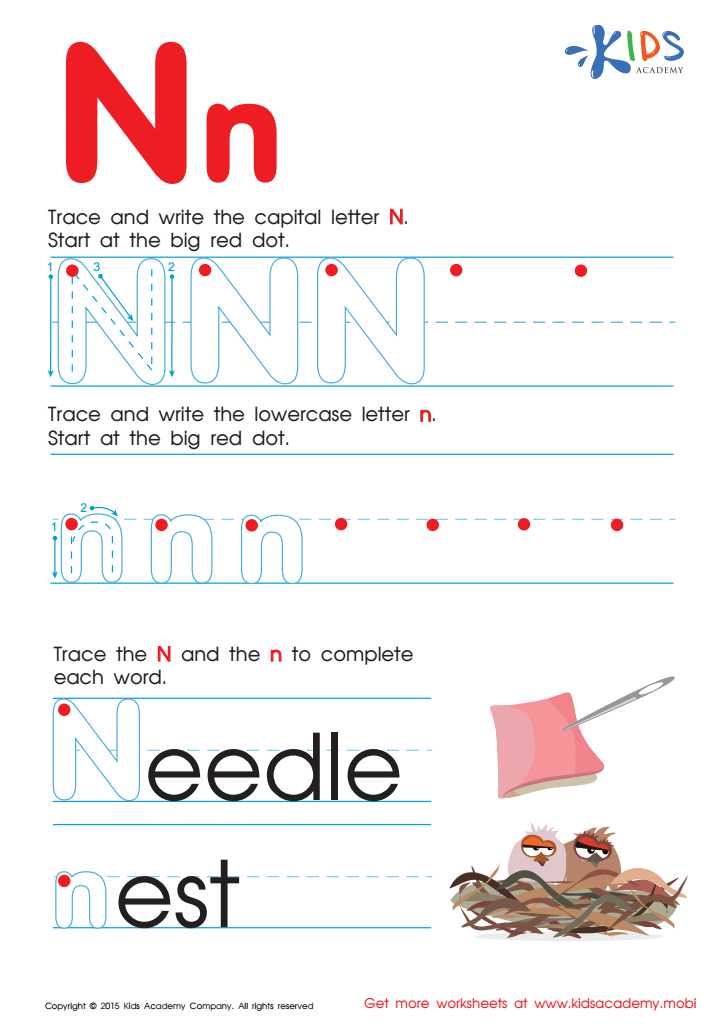
Letter N Tracing Page
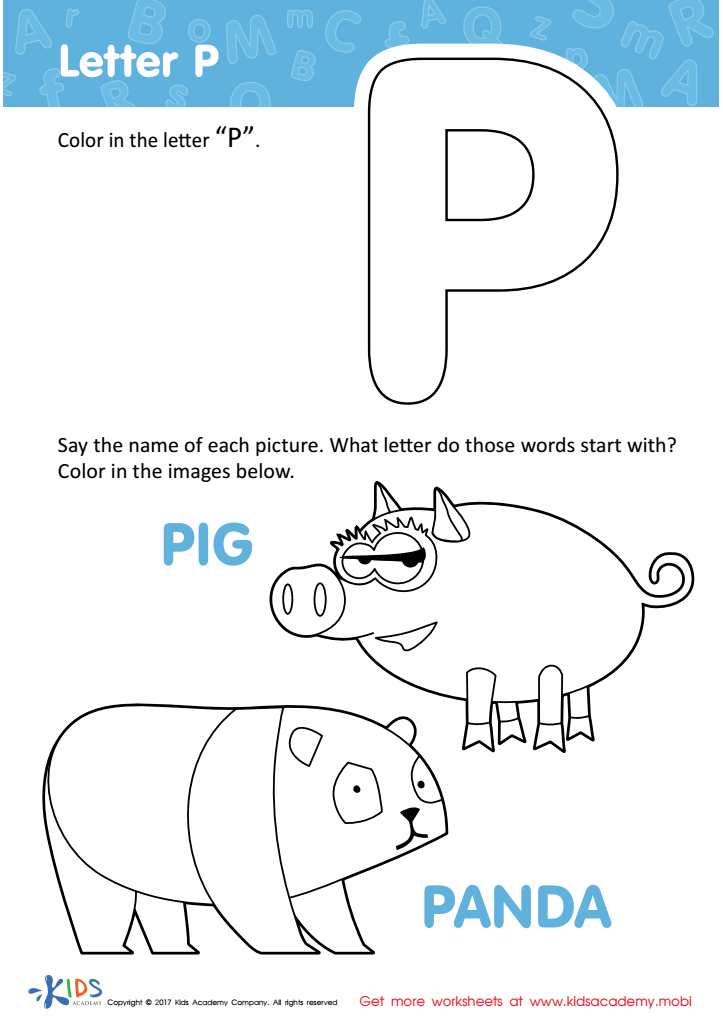
Letter P Coloring Sheet
 Assign to My Students
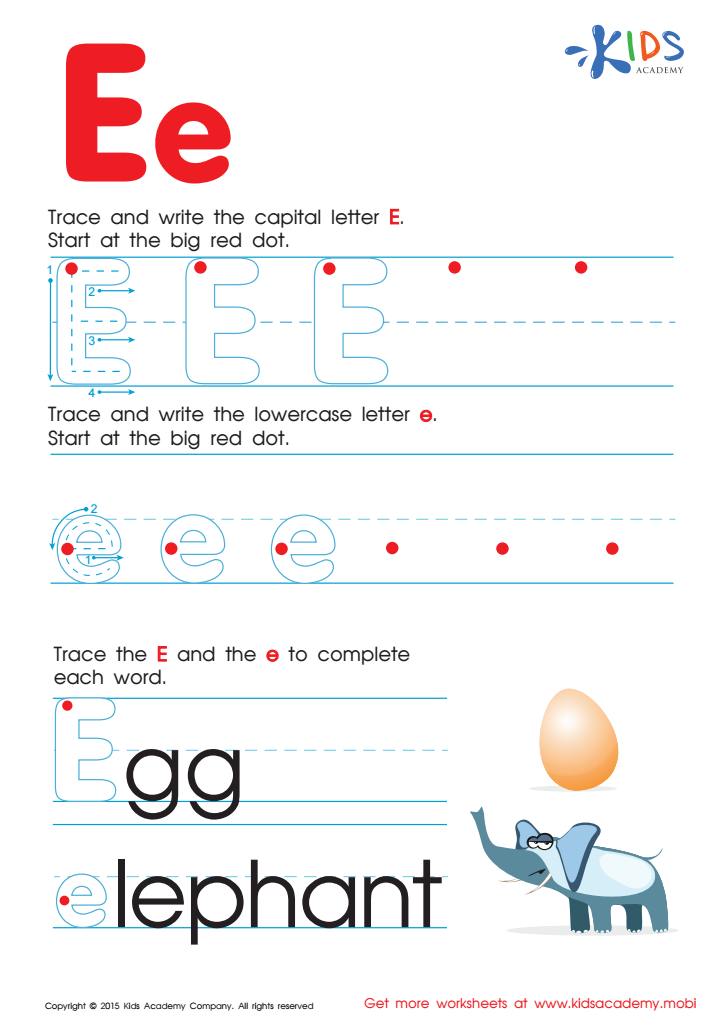
Letter E Tracing Page
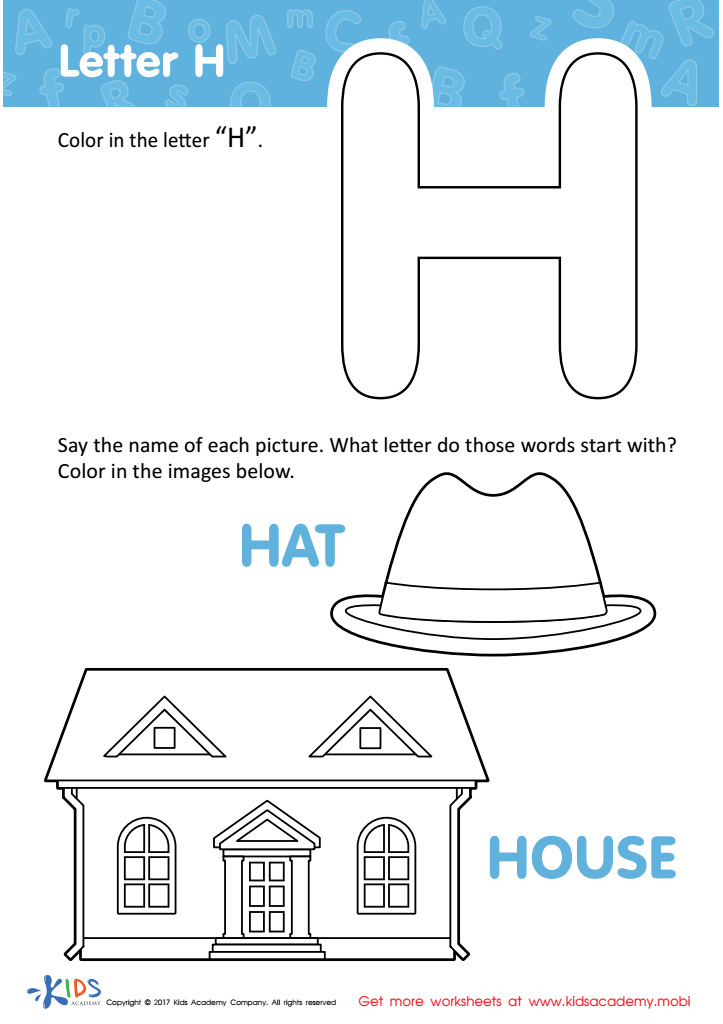
Letter H Coloring Sheet
Assign to My Students
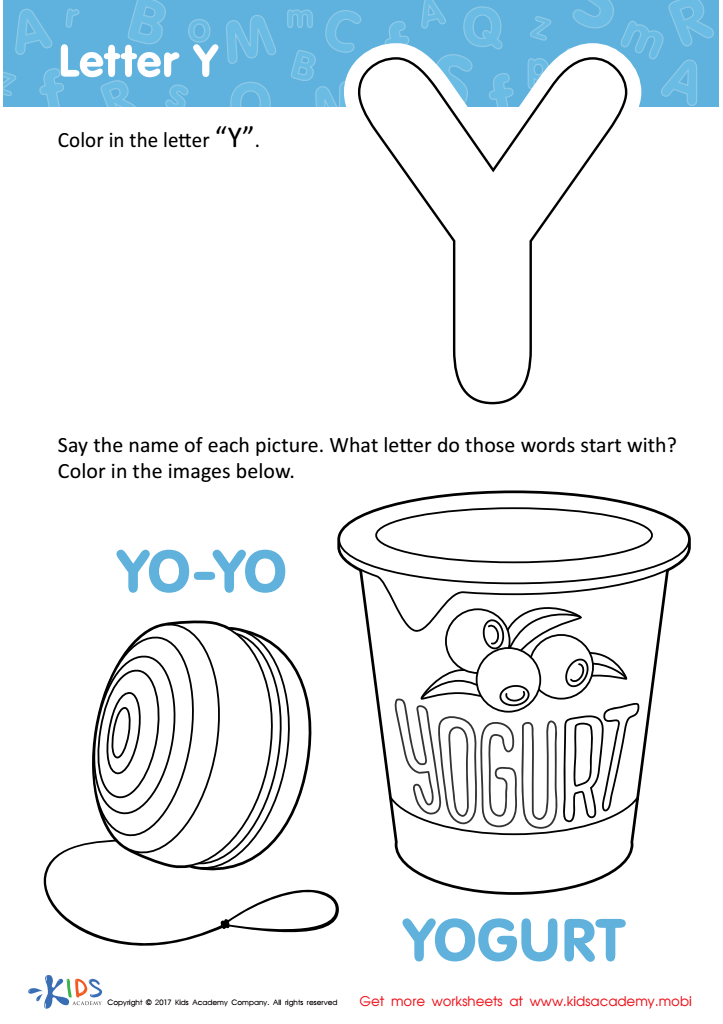
Letter Y Coloring Sheet
Assign to My Students
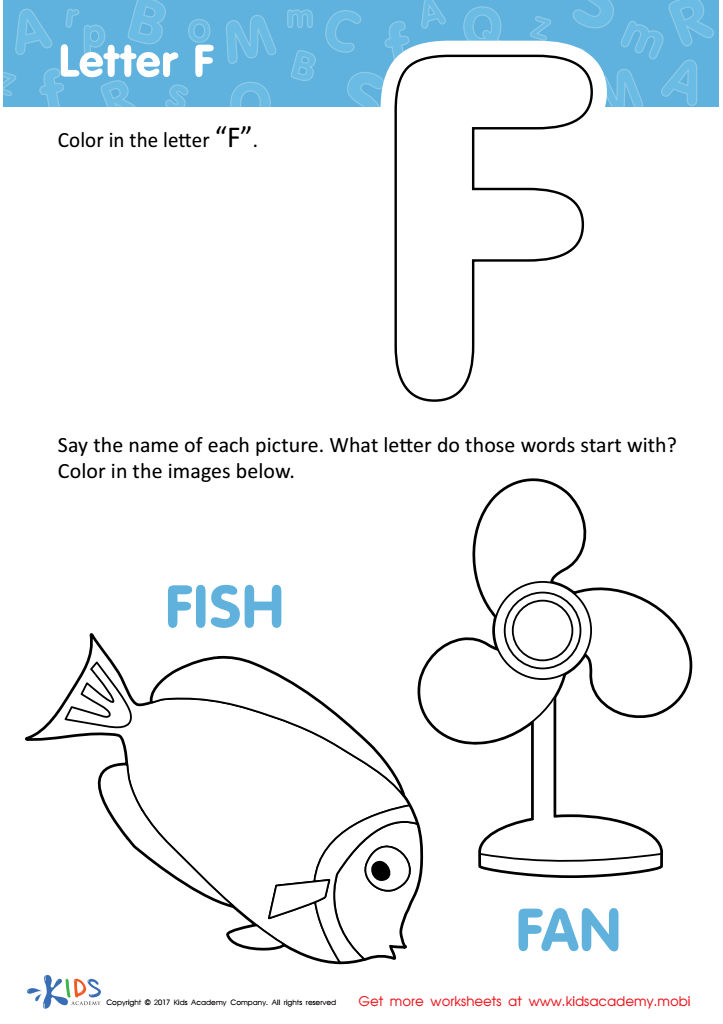
Letter F Coloring Sheet
Assign to My Students
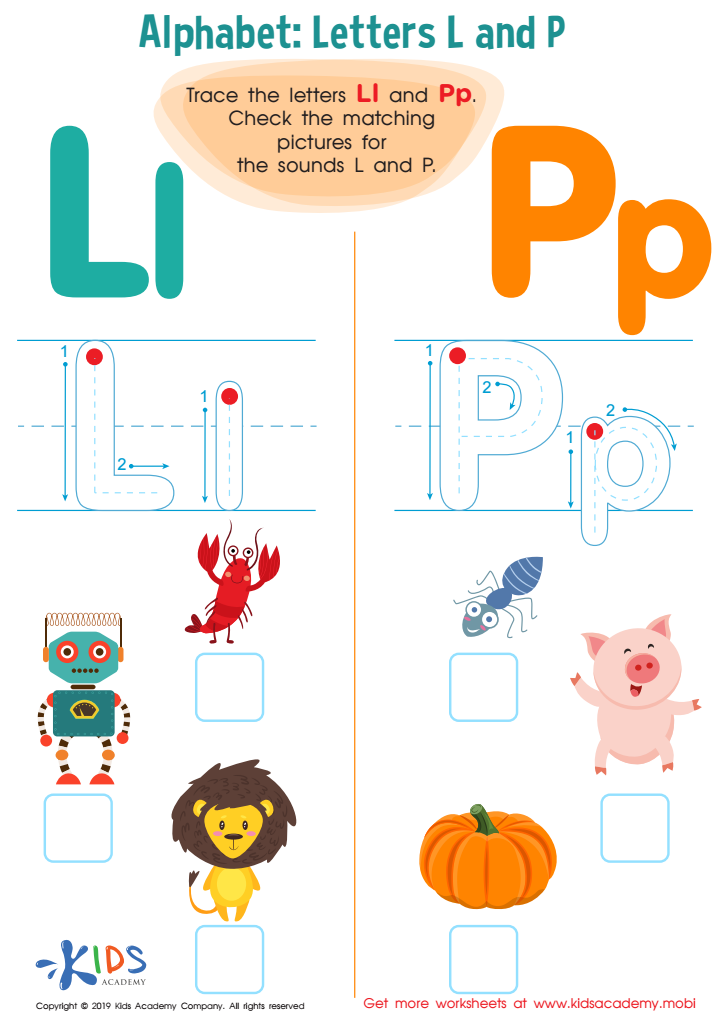
Letter L and P Tracing Worksheet





Alphabet recognition is a foundational skill critical for young children, particularly for those aged 4-6. For both parents and teachers, this early learning phase represents a crucial window of opportunity for several reasons.
Firstly, recognizing letters and their corresponding sounds is the building block of literacy. Mastery of the alphabet sets the stage for children to understand how words are formed and read, laying a solid foundation for future learning. When children are familiar with the alphabet, they are more likely to develop the ability to decode words, which is essential for reading fluency and comprehension.
Furthermore, alphabet recognition enhances cognitive development in other areas, such as memory and pattern recognition. Children begin to understand that symbols have meanings, which is a critical cognitive leap. This recognition promotes early writing skills as children learn to write their names and simple words.
For parents and teachers, focusing on alphabet recognition ensures that children are not left behind when they enter school, making the transition smoother and boosting their confidence. Integrating fun, diverse activities like songs, games, and crafts to teach the alphabet also helps foster a love for learning. This early investment in their literacy journey sets children on a path for academic success and a lifelong love of reading.