Hand-eye Coordination English for Beginners Worksheets for Ages 4-6
15 filtered results
-
From - To
Enhance your child's hand-eye coordination with our engaging English worksheets designed for beginners aged 4-6. These fun, interactive activities seamlessly blend language learning with motor skill development, helping young learners improve their coordination while mastering essential vocabulary and basic sentence structure. Each worksheet promotes active involvement through colorful illustrations and easy-to-follow instructions, making learning exciting and effective. Ideal for ESL learners, these resources provide a solid foundation for building language skills while fostering concentration and fine motor development. Perfect for home or classroom use, our hand-eye coordination worksheets empower kids to explore, play, and grow in their English language journey!

Letter A Tracing Page
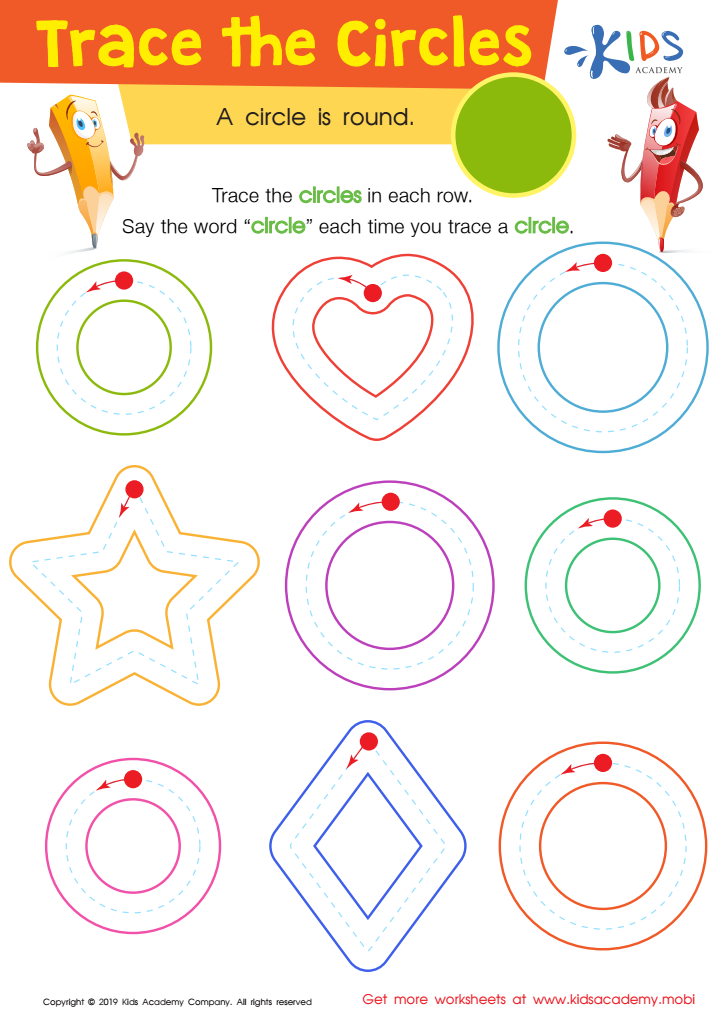
Trace The Circles Worksheet
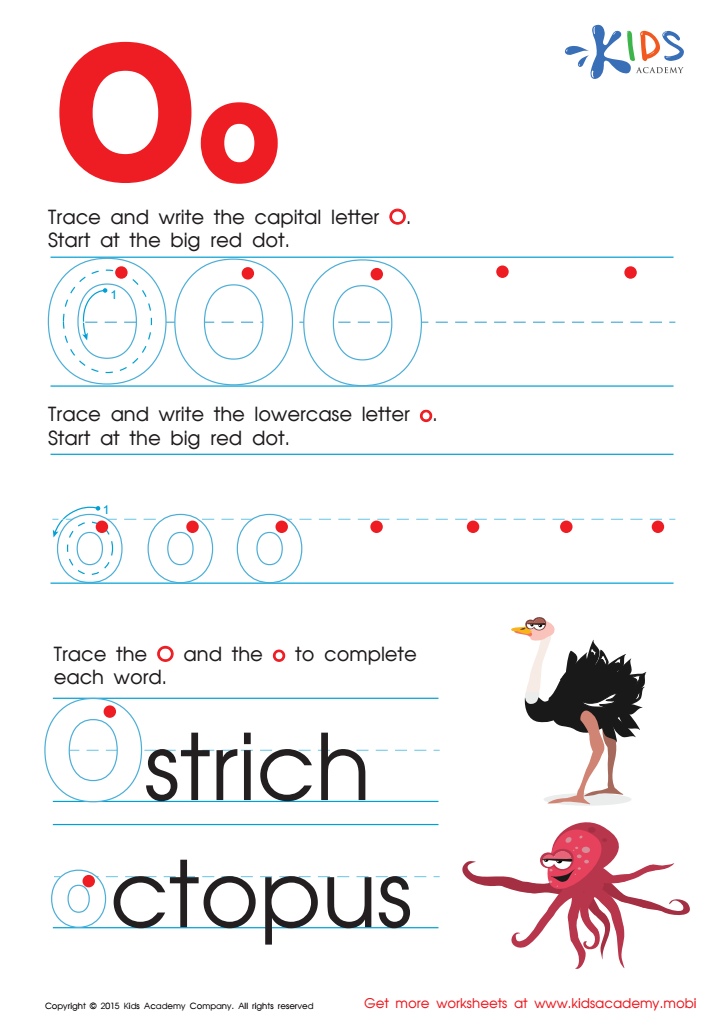
Letter O Tracing Page

Letter P Tracing Page
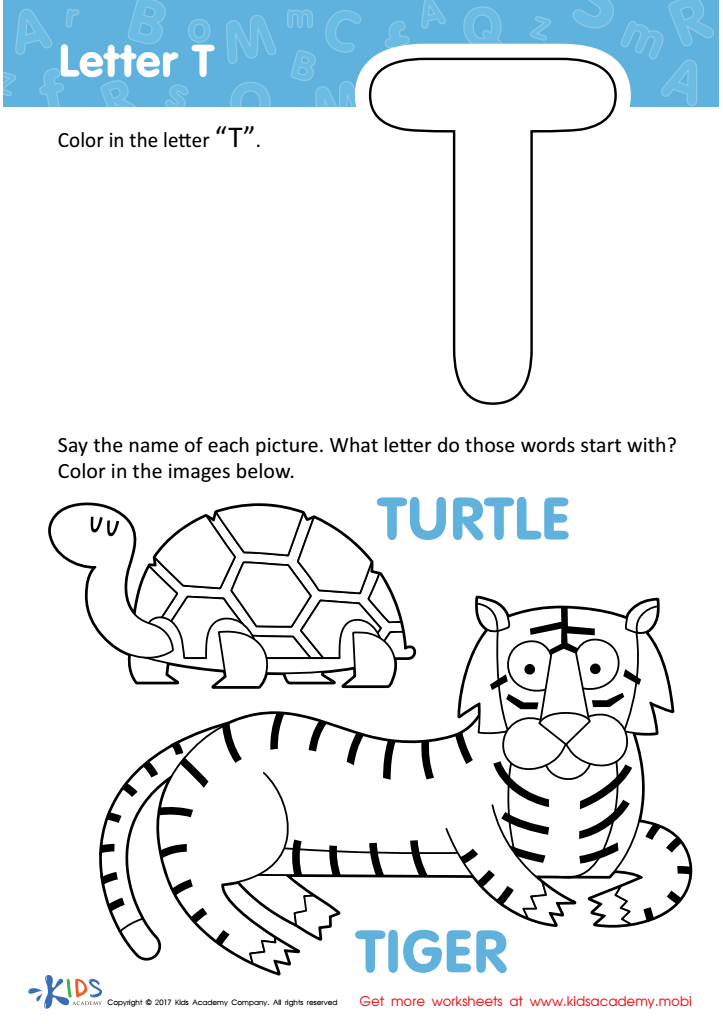
Letter T Coloring Sheet
 Assign to My Students
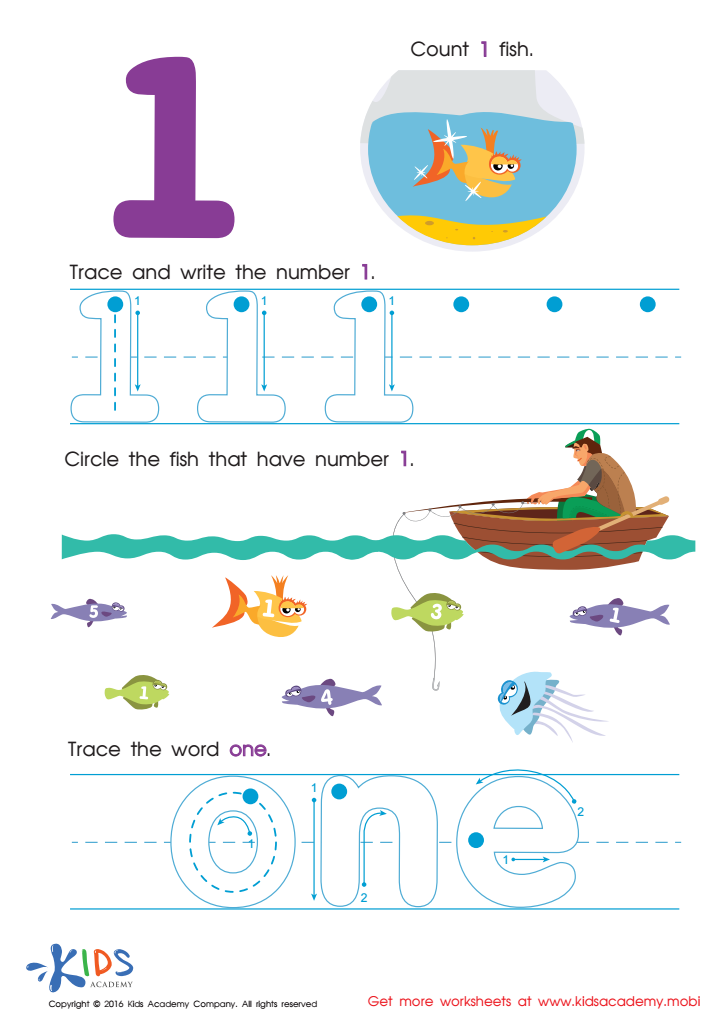
Learning to Write 1 Worksheet
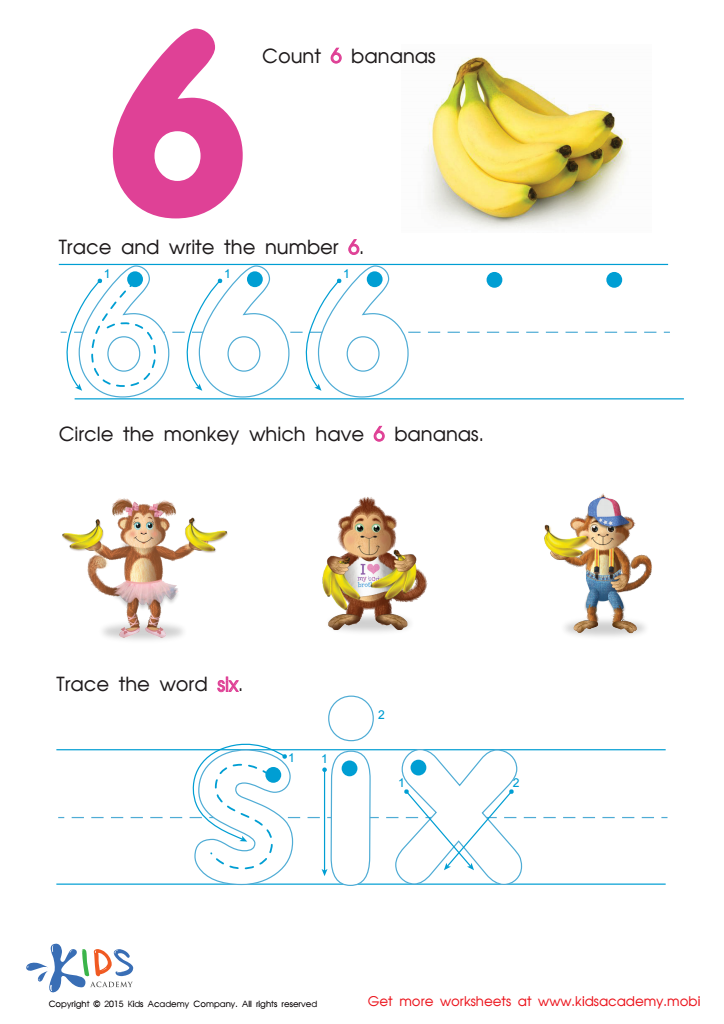
Tracing And Writing Number 6 Worksheet

Letter H Tracing Page
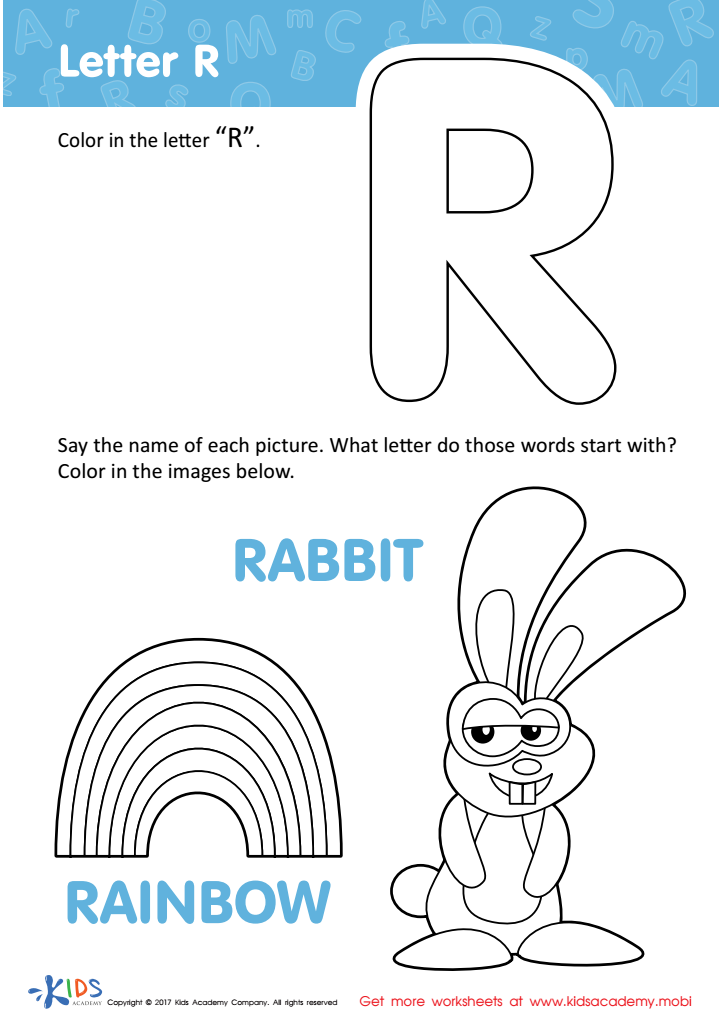
Letter R Coloring Sheet
Assign to My Students
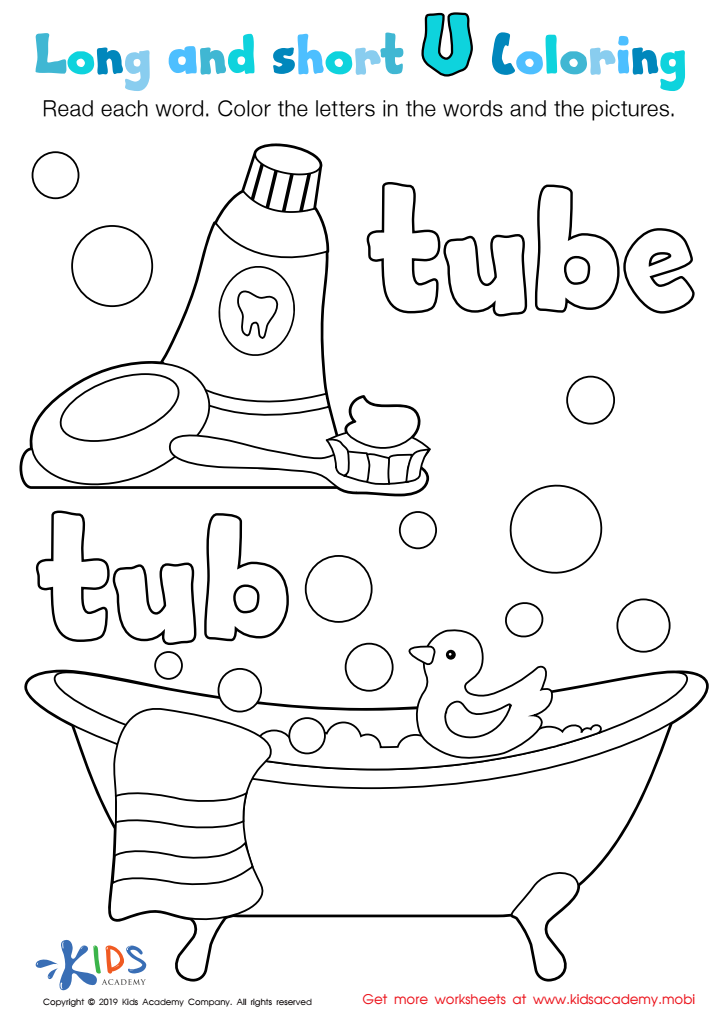
Long and Short U Worksheet
Assign to My Students
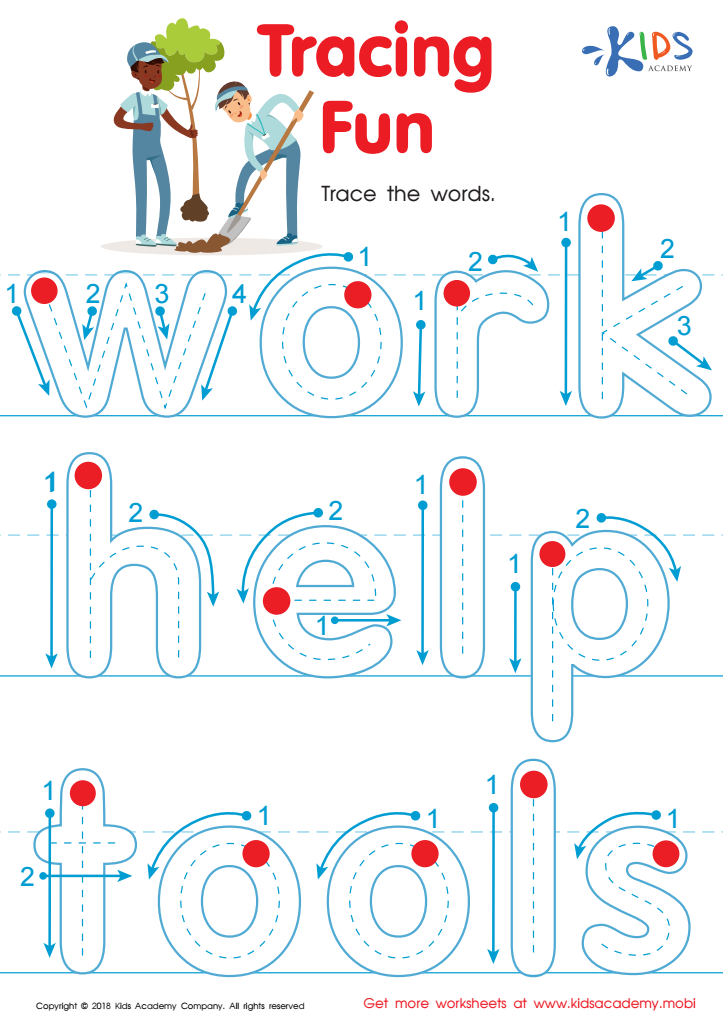
Tracing Fun Worksheet
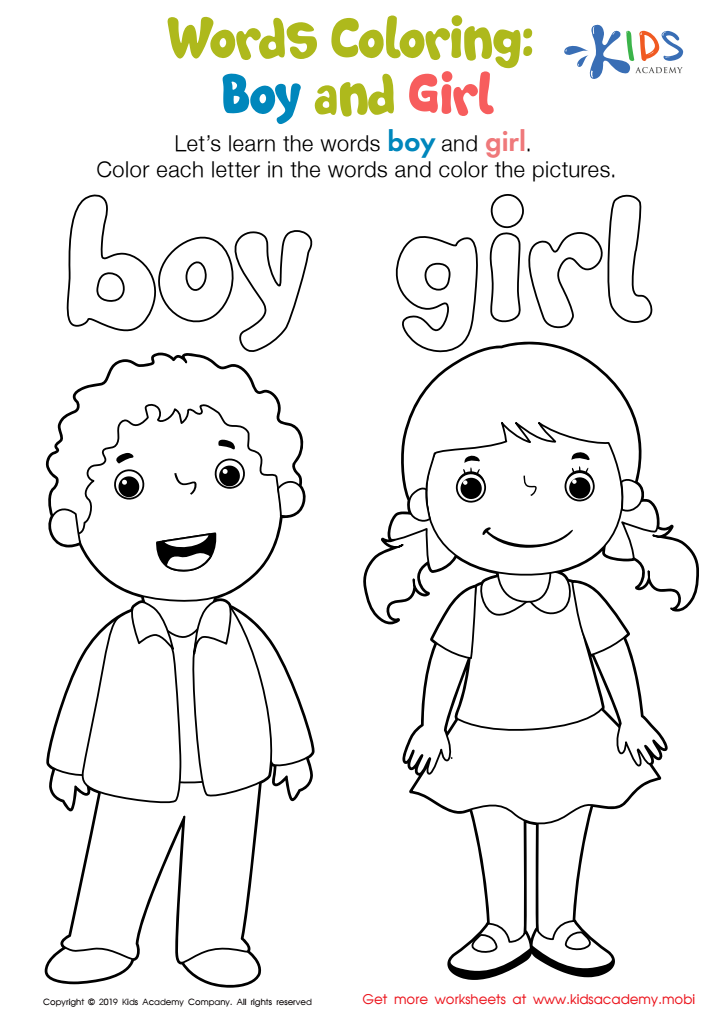
Boy and Girl Words Coloring Worksheet
Assign to My Students
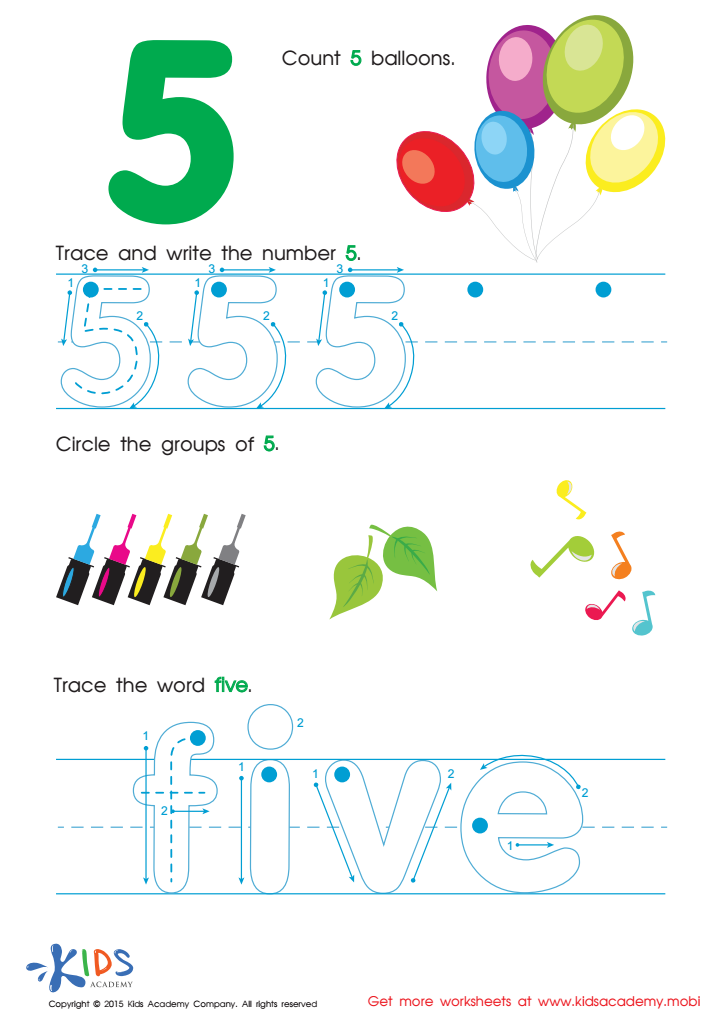
Practice Writing Number 5 Worksheet
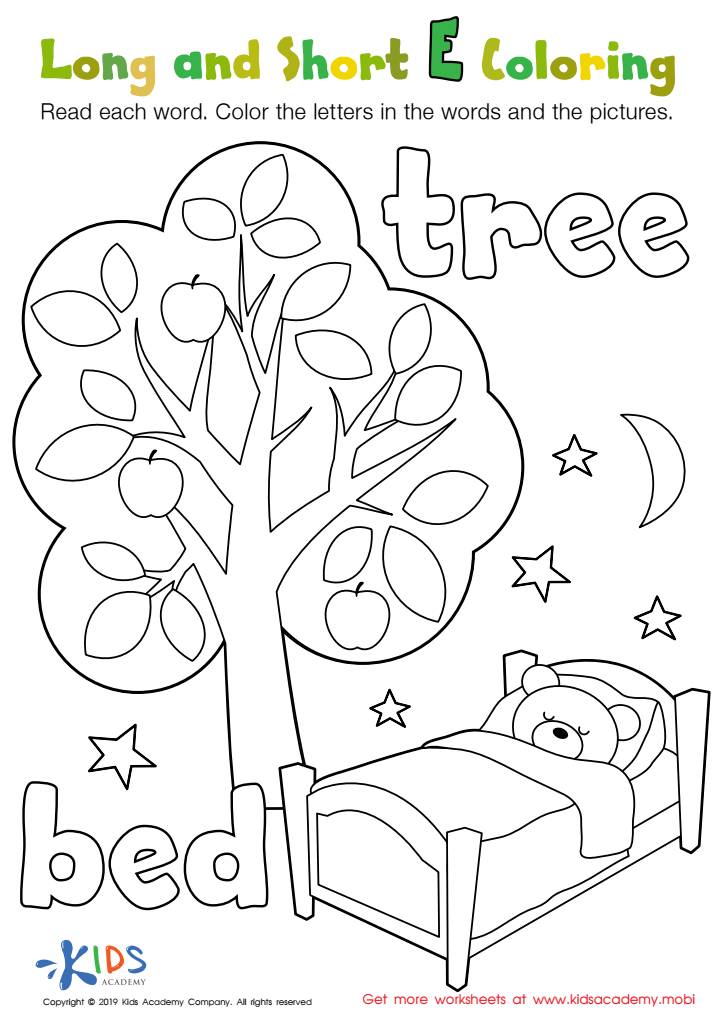
Long and Short E Worksheet
Assign to My Students

Letter D Tracing Page





Hand-eye coordination is a critical skill that develops early in a child's life and serves as a foundation for various physical and cognitive abilities. For children aged 4-6, engaging in activities that enhance this coordination is crucial for their overall development.
Parents and teachers should prioritize hand-eye coordination because it significantly impacts a child's ability to perform everyday tasks, such as writing, drawing, and participating in sports. As children learn the connection between their visual perception and their motor skills, they gain confidence in their abilities, promoting an enthusiasm for learning and new experiences.
Moreover, strong hand-eye coordination skills contribute to fine motor development, which is essential for academic success. As children navigate through the pre-writing stages, they require precise control and manipulation of tools, paving the way for effective literacy skills.
Incorporating hand-eye coordination activities in educational settings not only supports physical development but also fosters social interactions and teamwork during play. By emphasizing the importance of these skills, parents and teachers can create a rich, engaging learning environment that prepares children for future academic challenges and promotes lifelong coordination and agility.