Color recognition Worksheets for Ages 4-6 - Page 5
105 filtered results
-
From - To
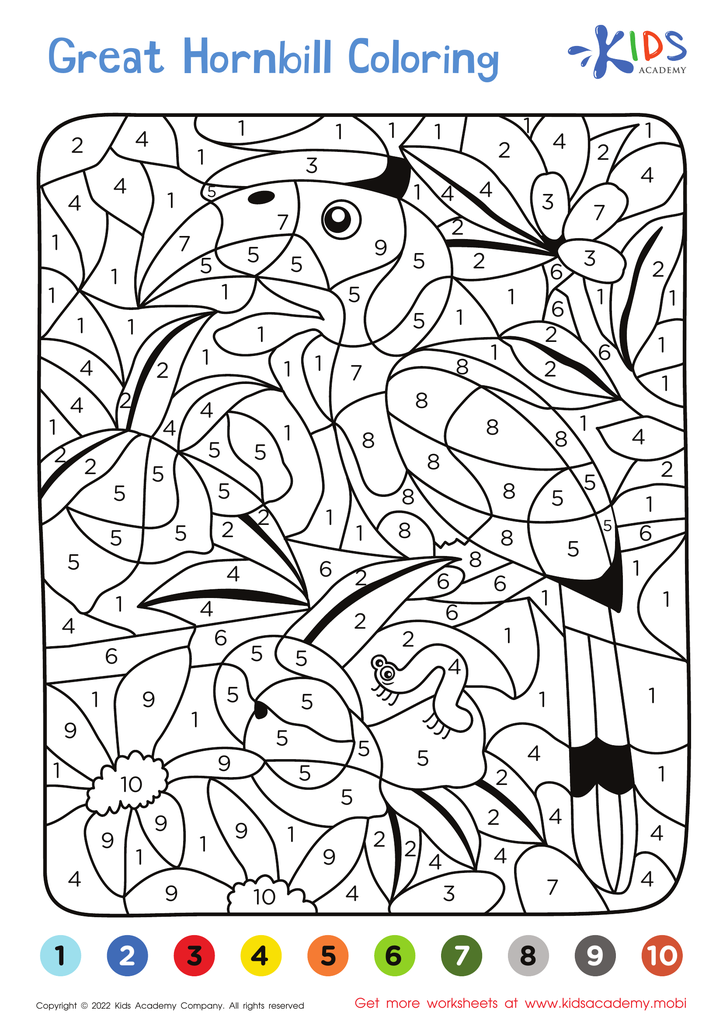
Great Hornbill – Coloring by Numbers
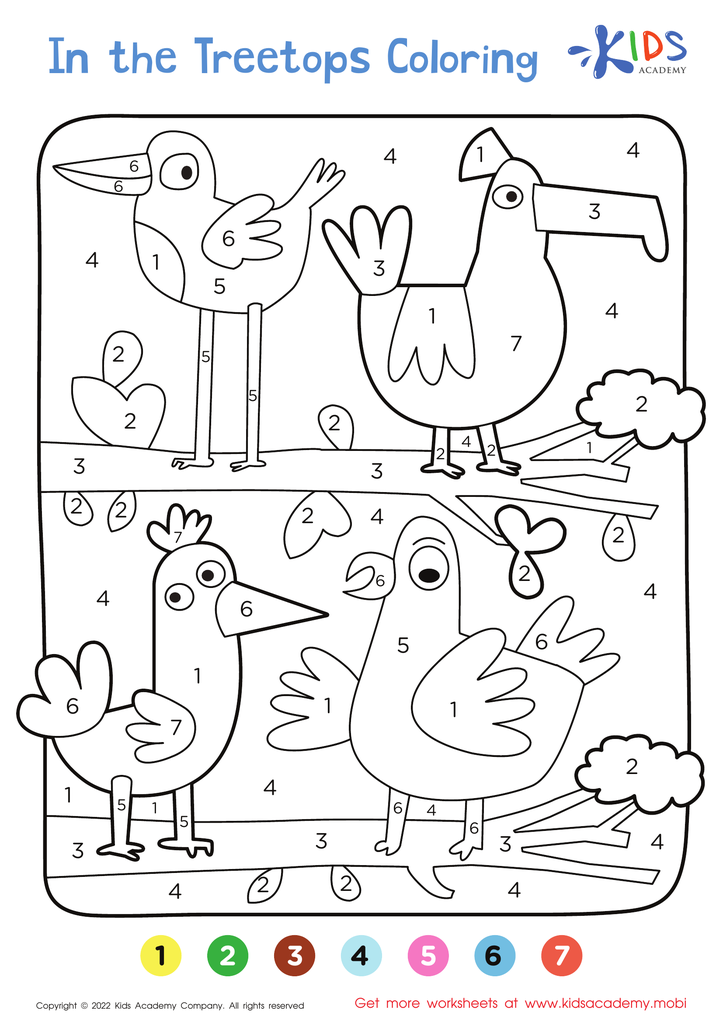
In the Treetops – Coloring Page
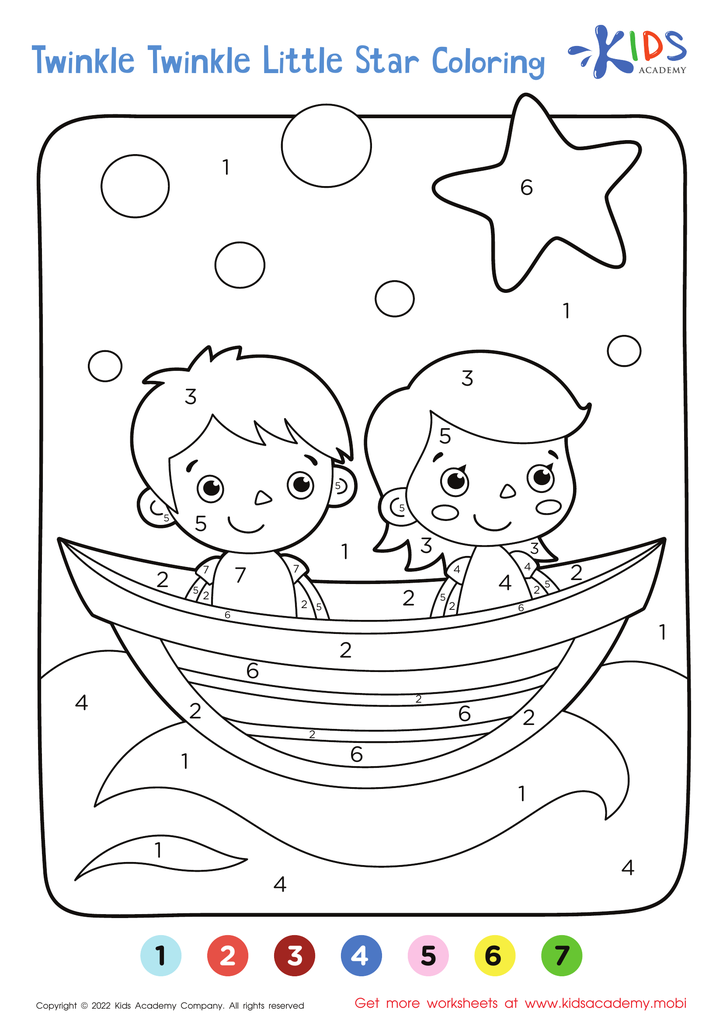
Twinkle, Twinkle, Little Star – Coloring by Numbers
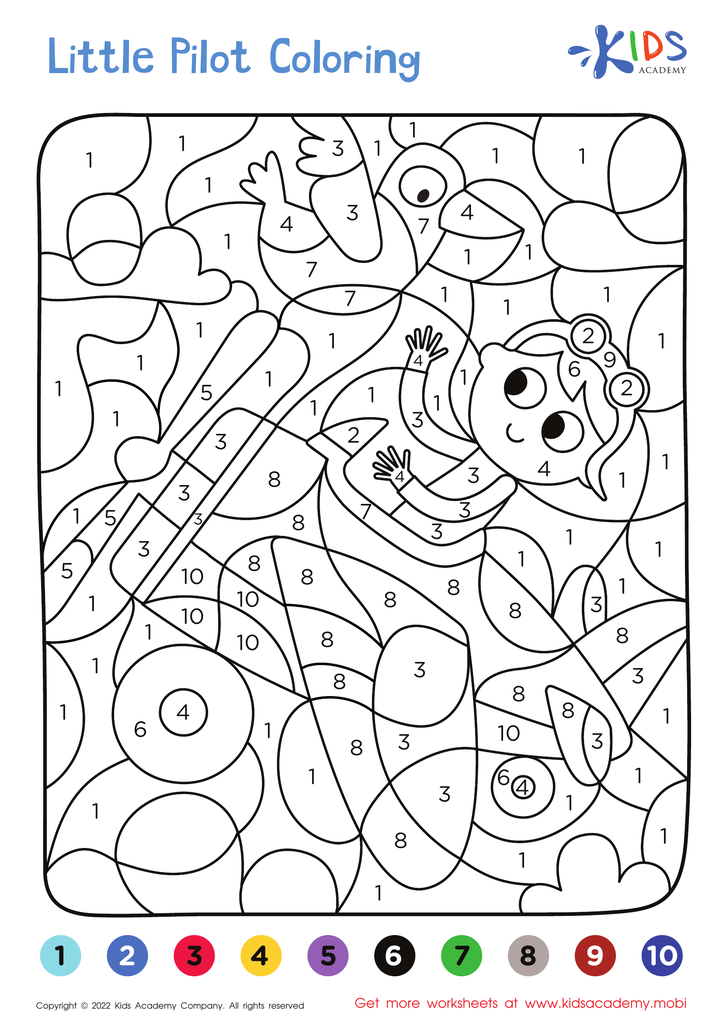
Little Pilot – Coloring by Numbers
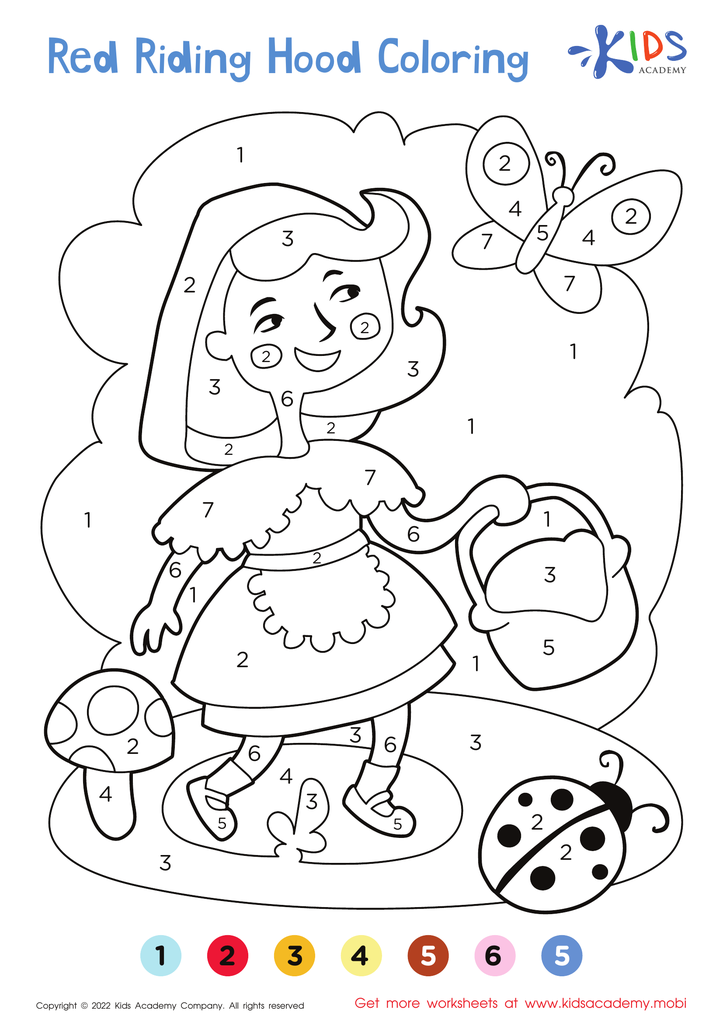
Little Red Riding Hood – Coloring by Numbers
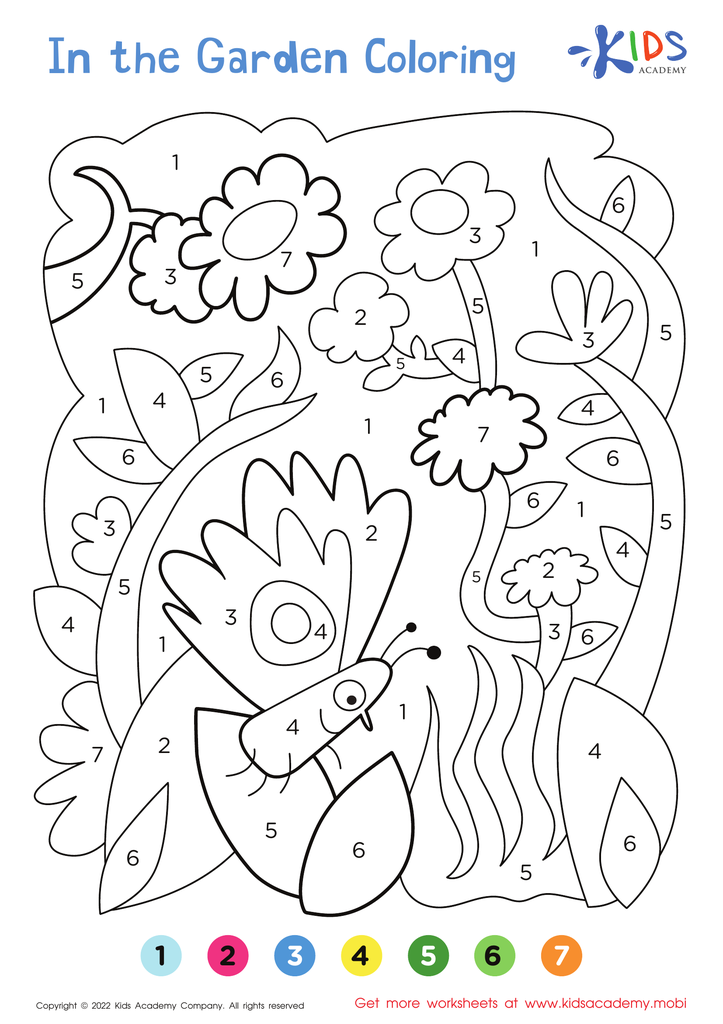
In the Garden – Coloring by Numbers



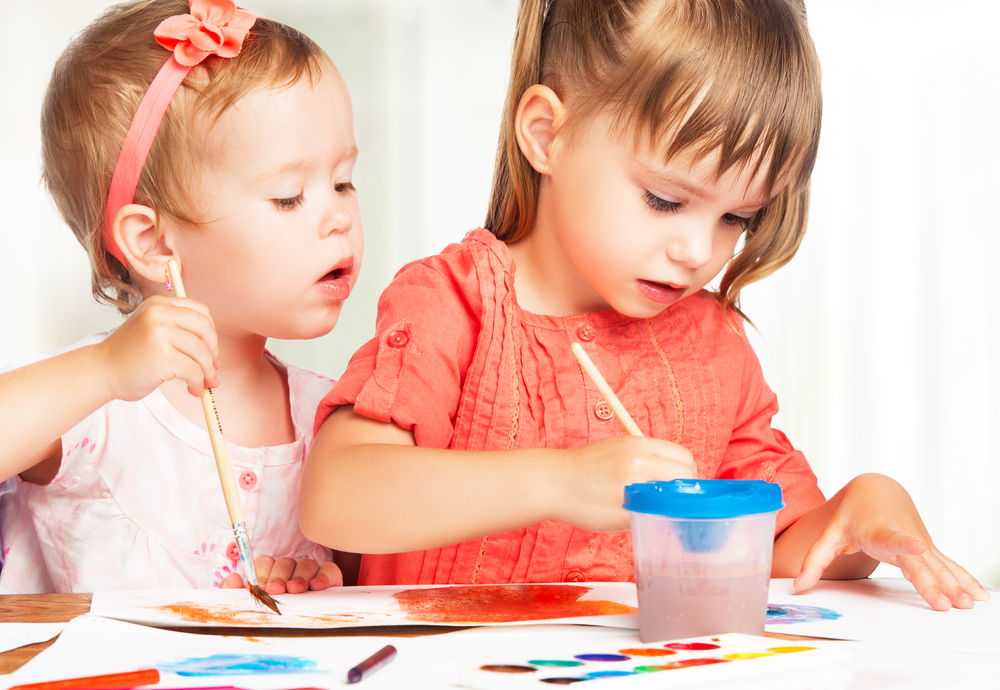


Color recognition is a crucial foundational skill for children aged 4-6, as it significantly impacts their cognitive development and learning experiences. At this stage, children are developing their observational skills, and recognizing colors helps enhance their ability to identify and categorize objects in their environment. Mastering color recognition boosts their vocabulary, as they learn to associate specific colors with objects, fostering language development.
Furthermore, color recognition plays an essential role in early literacy and math skills. Children often use colors to express feelings and ideas creatively, contributing to their emotional development. Tasks involving sorting and grouping by color also lay the groundwork for basic math concepts like classification and patterns.
Teachers and parents should care about color recognition because it supports children's overall intellectual growth that influences their academic success. Engaging children in activities that involve colors—such as art projects, sorting games, and storytelling—also strengthens parent-child and teacher-student relationships, making learning more interactive and enjoyable. By fostering an environment where color learning is prioritized, we support children's self-esteem, communication skills, and readiness for future learning challenges, ultimately setting the stage for lifelong learning and curiosity.








