Fine motor development Worksheets for Ages 4-6
10 filtered results
-
From - To
Welcome to our Fine Motor Development Worksheets for Ages 4-6! Designed to nurture essential skills in young learners, these thoughtfully crafted worksheets focus on enhancing hand-eye coordination, dexterity, and grip strength. Our engaging activities include tracing, cutting, and coloring, making learning fun and interactive. Perfect for preschool and kindergarten classrooms or homeschooling, these resources encourage creativity while building confidence in fine motor abilities. Help your child develop coordination necessary for everyday tasks and future academic success. Explore our collection today and set your little ones on the path to achieving fine motor mastery through enjoyable and educational experiences!
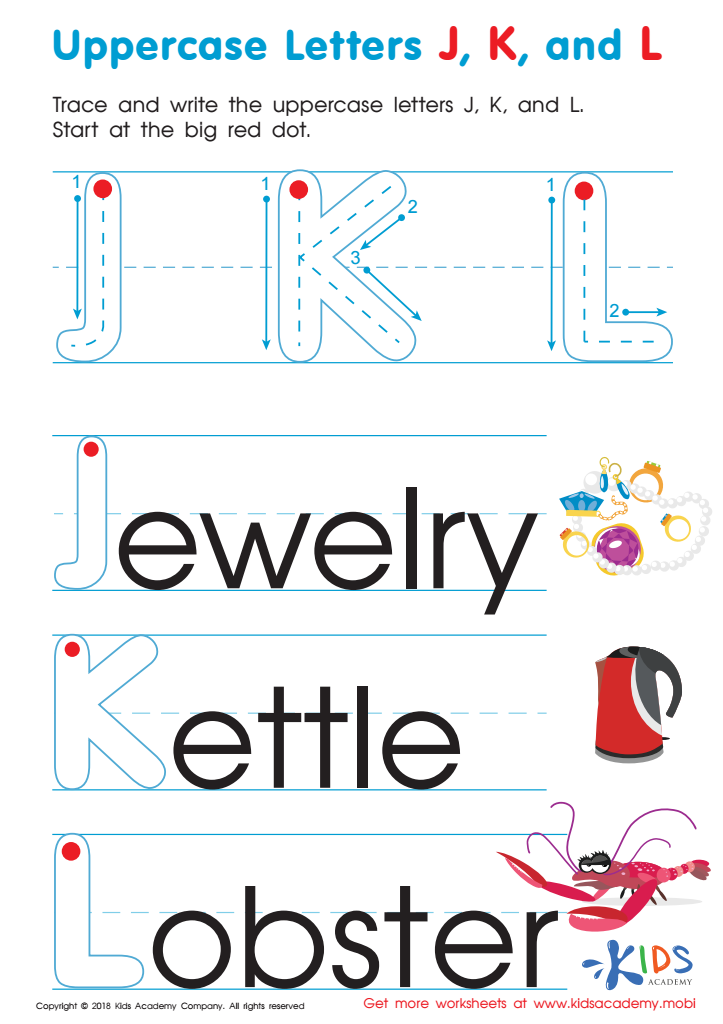
Uppercase Letters J, K, and L Worksheet
 Assign to My Students
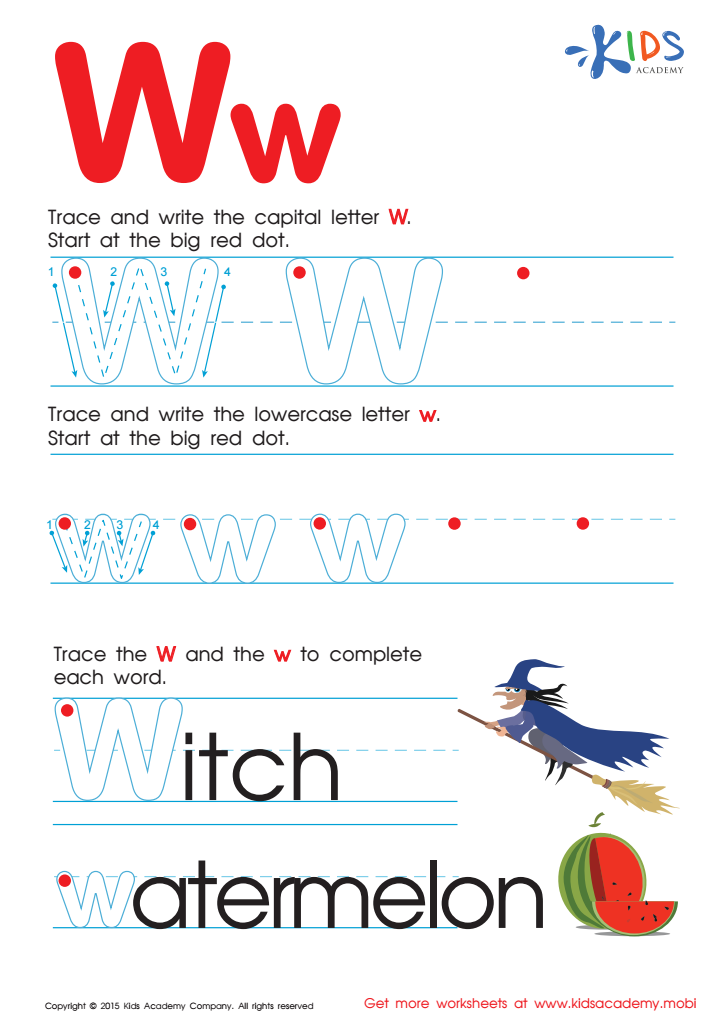
Letter W Tracing Page
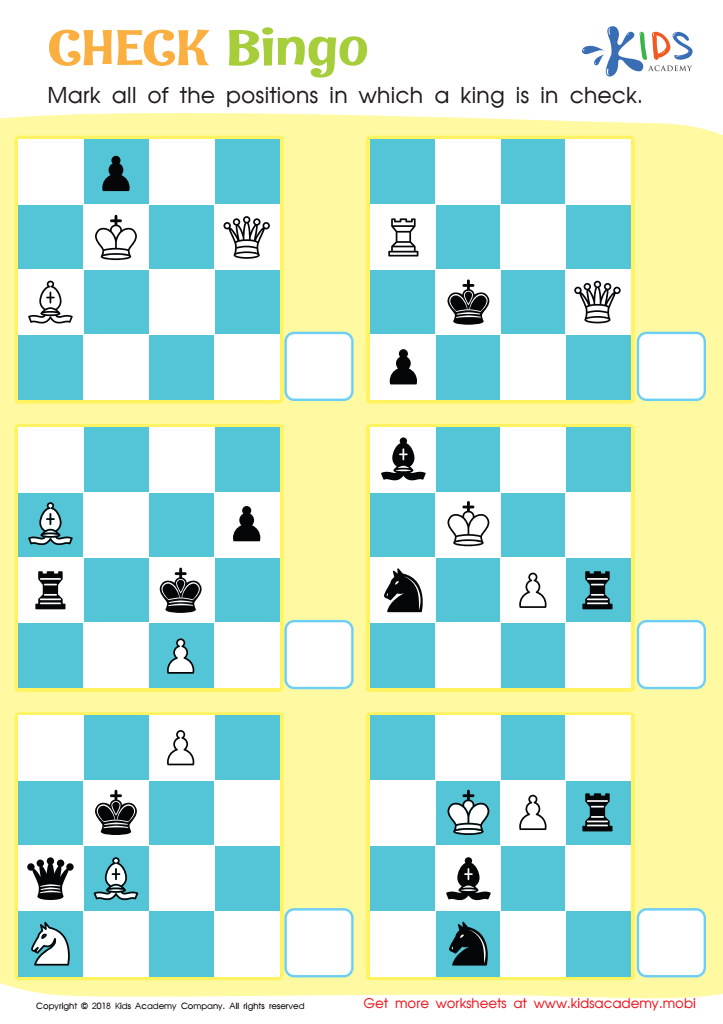
Check Bingo Worksheet
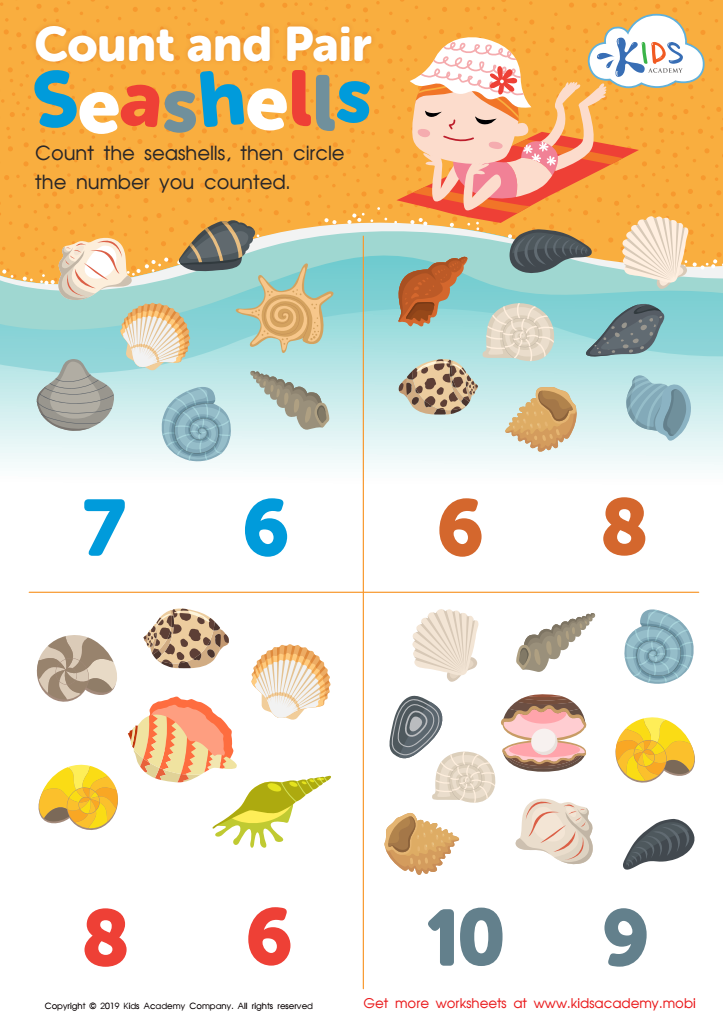
Count and Pair Seashells Worksheet
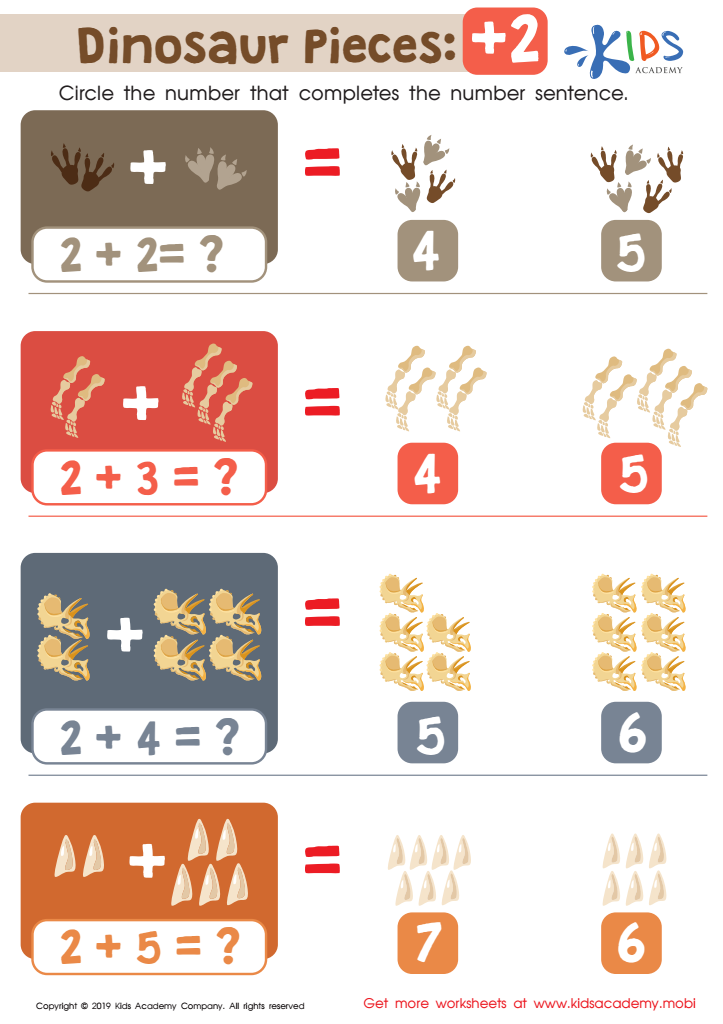
Dinosaur Pieces: +2 Worksheet
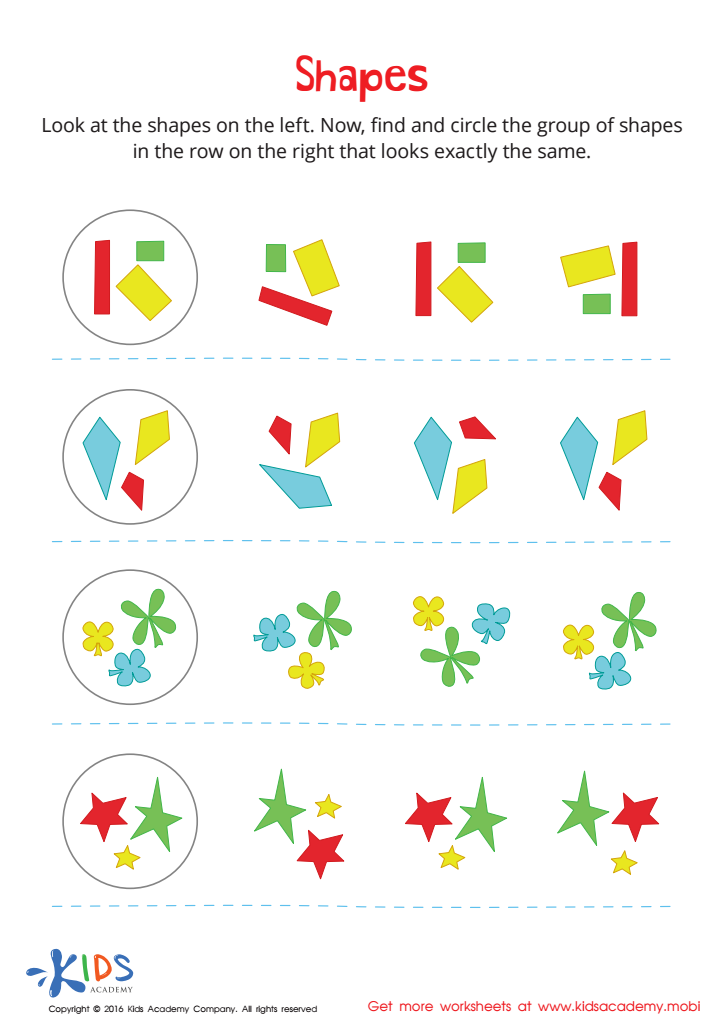
Shapes Worksheet
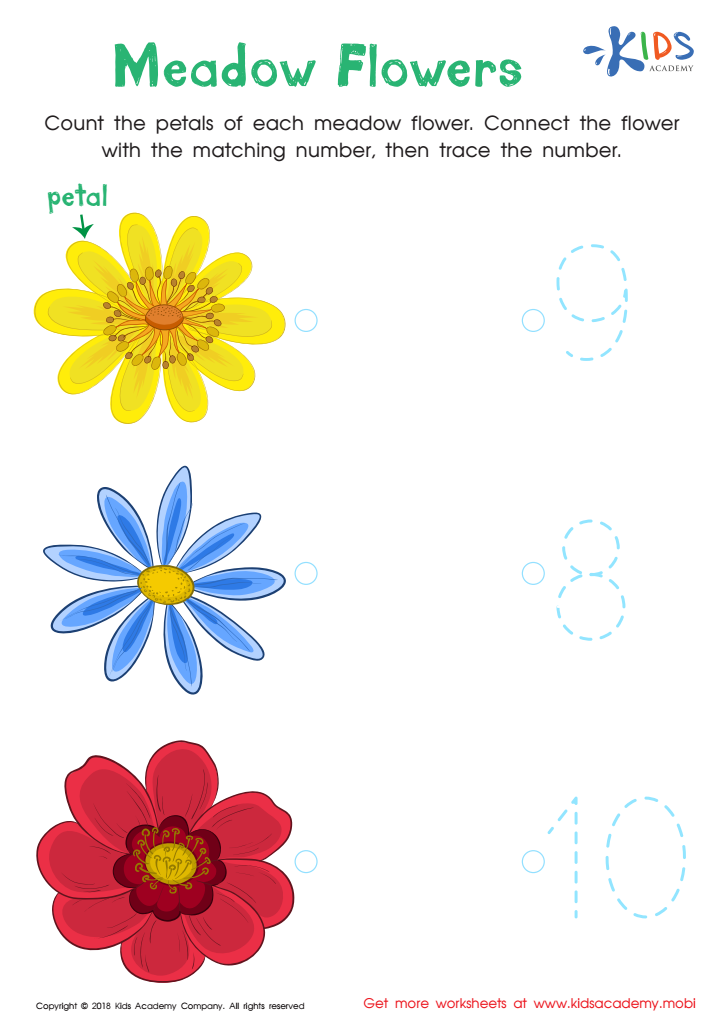
Kindergarten Number Tracing: Medow Flowers Worksheet



.jpg)

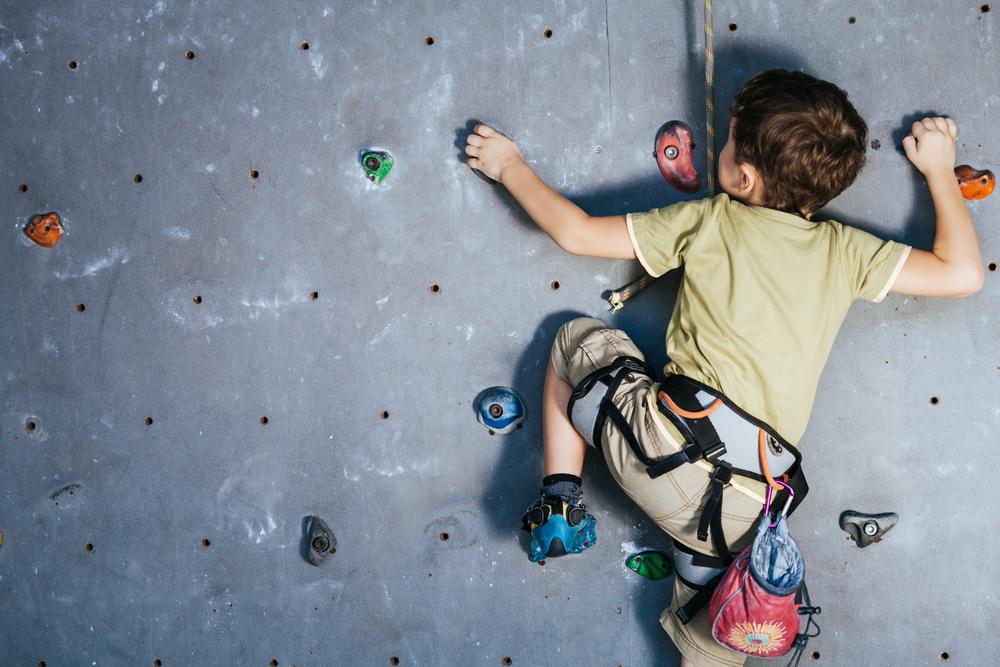


Fine motor development is crucial for children aged 4-6 as it significantly influences their overall growth, learning, and independence. This period is marked by rapid neurological development, where fine motor skills—including the ability to grasp, manipulate, and control small objects—are honed. These skills lay the foundation for everyday tasks such as writing, using utensils, zipping jackets, and buttoning shirts.
Parents and teachers should care about fine motor development because these skills directly correlate with a child’s academic success. Proficient fine motor skills enhance children's ability to engage in writing and drawing, which are essential for expressing thoughts and creativity. Additionally, strong fine motor skills foster problem-solving and critical thinking—essential cognitive processes in early learning.
Moreover, fine motor skills contribute to a child's self-confidence and autonomy. As children master tasks that require hand-eye coordination, they feel a sense of achievement and independence, positively affecting their self-esteem. By encouraging fine motor activities, such as cutting with scissors, building with blocks, or engaging in arts and crafts, parents and teachers can create experiential learning that improves physical dexterity while fostering a love for learning. Overall, prioritizing fine motor development is an investment in a child's future educational success and life skills.








