Fine Motor Skills Worksheets for Ages 4-6 - Page 10
331 filtered results
-
From - To

White Tracing Color Words Worksheet
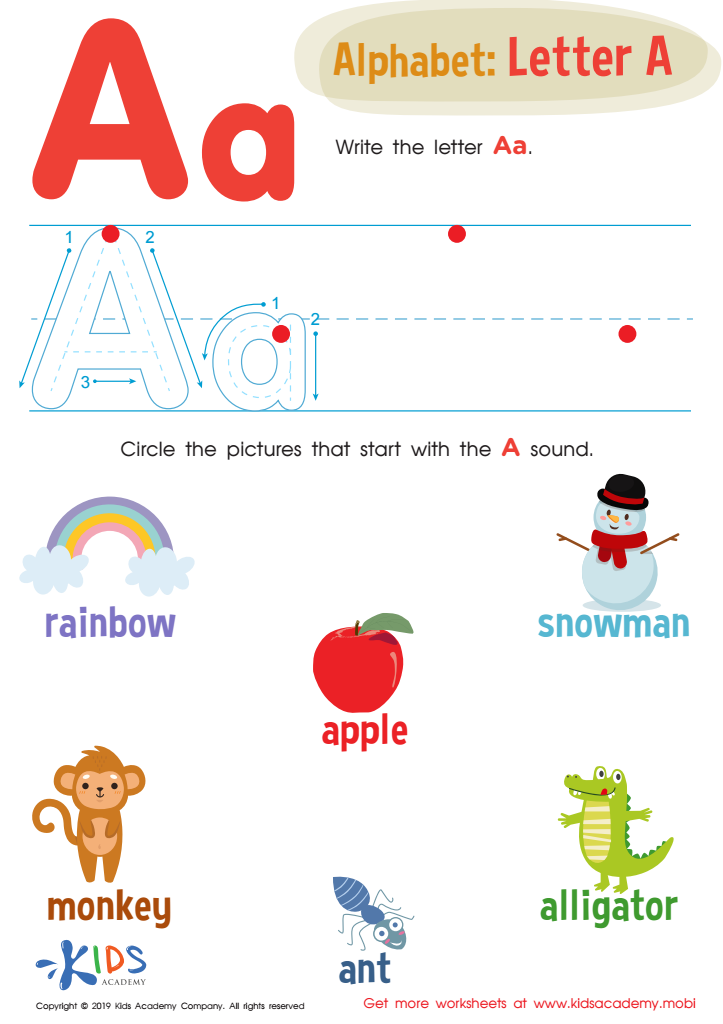
Letter A Tracing Worksheet

Monster's Face Coloring Worksheet
 Assign to My Students
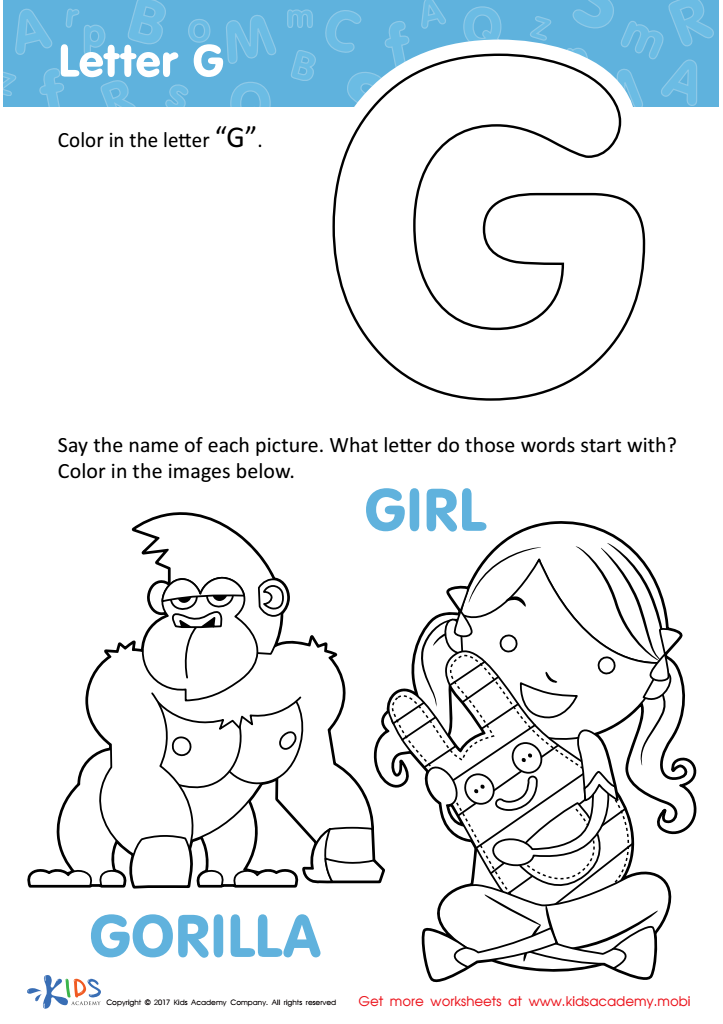
Letter G Coloring Sheet
Assign to My Students
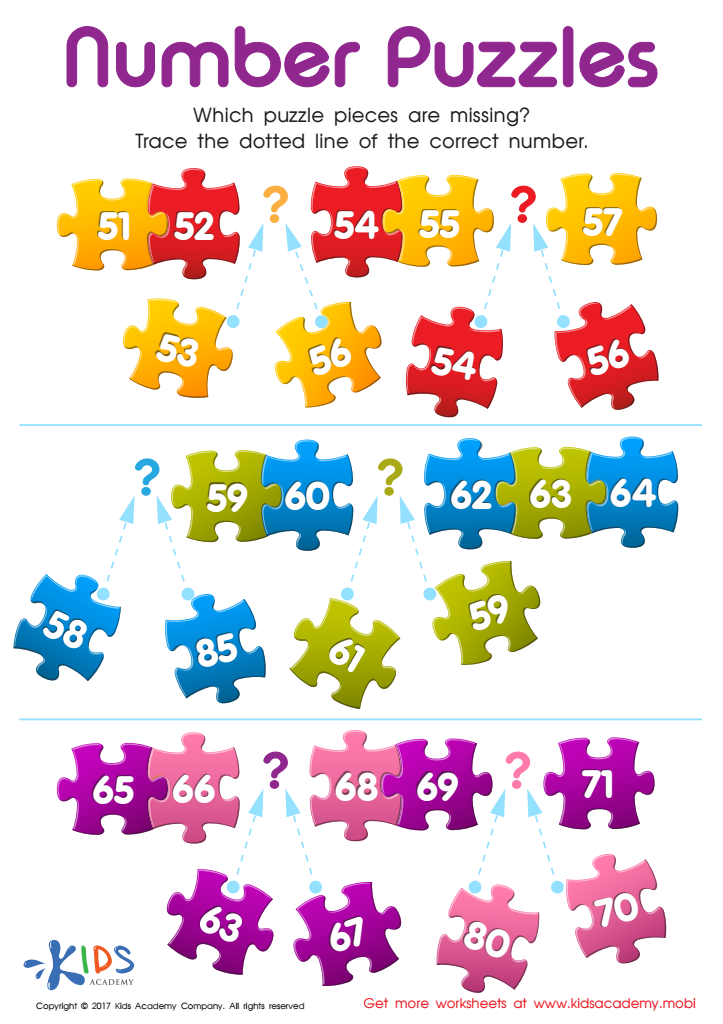
Number Puzzles Worksheet
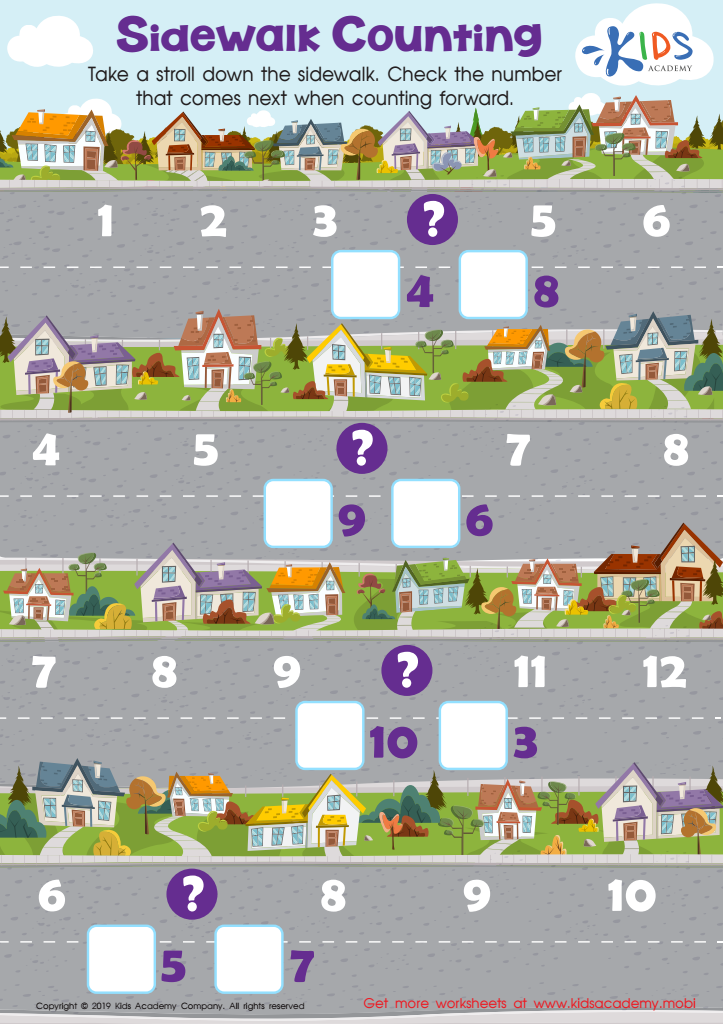
Sidewalk Counting Worksheet

Deer Tracing Winter Words Worksheet

Artist Maze Worksheet
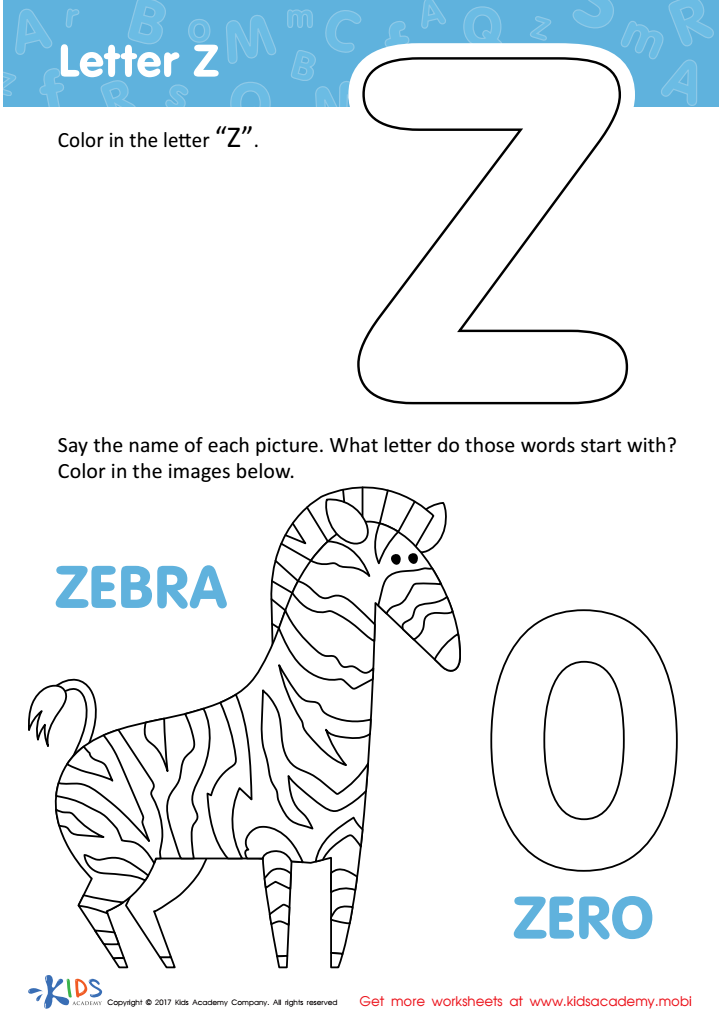
Letter Z Coloring Sheet
Assign to My Students
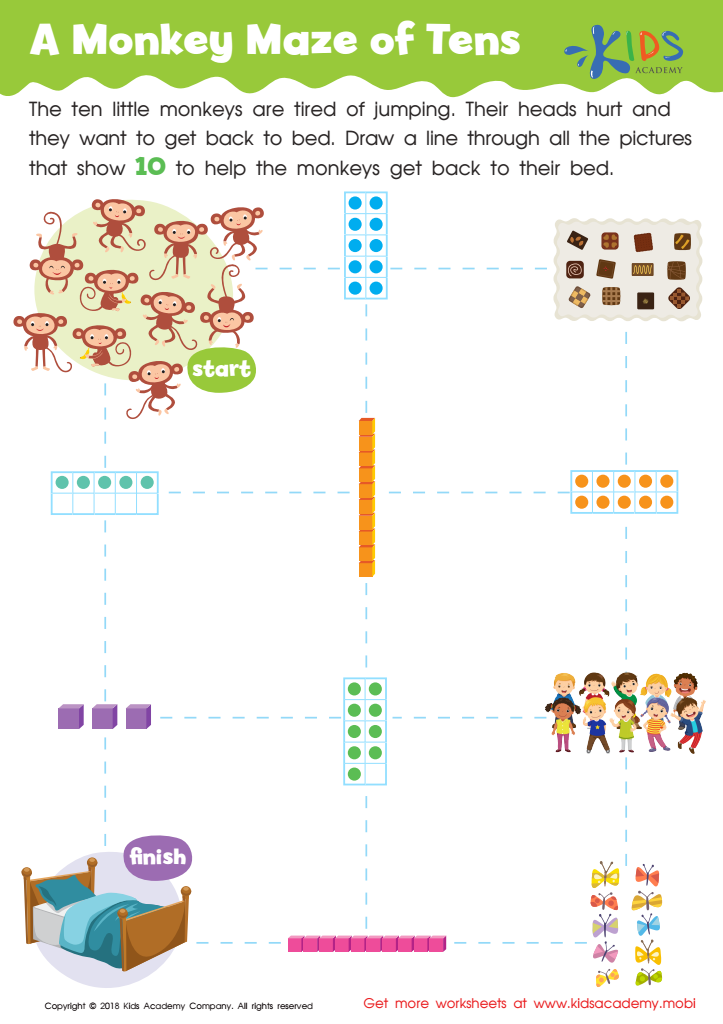
A Monkey Maze of Tens Worksheet

Santa Claus Tracing Winter Words Worksheet
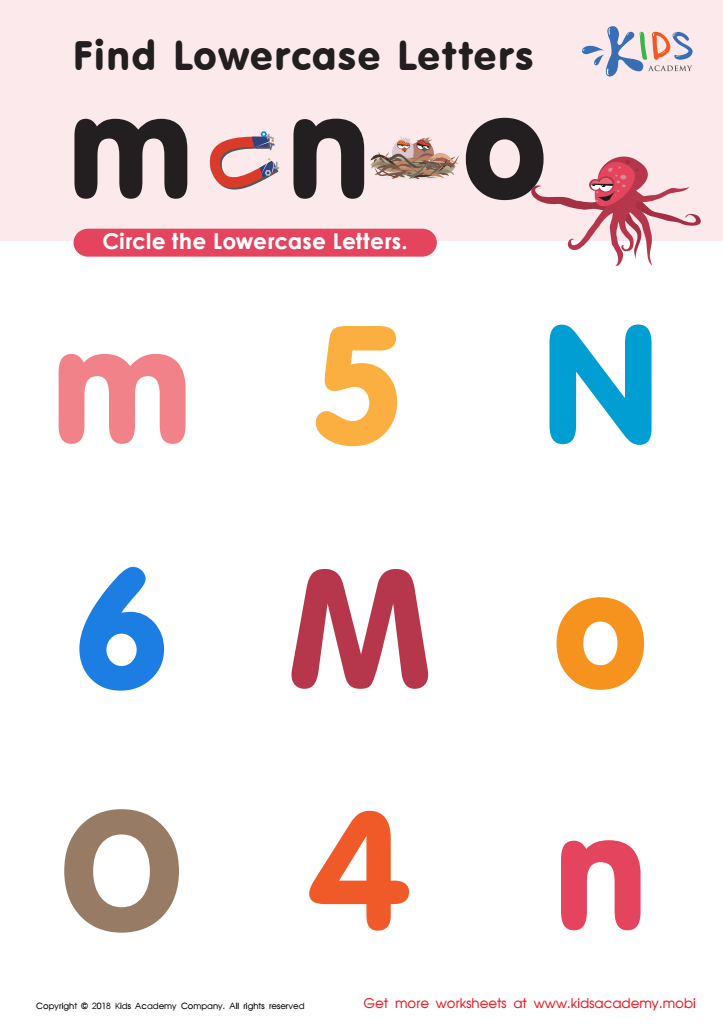
Find Lowercase Letters m n o Worksheet
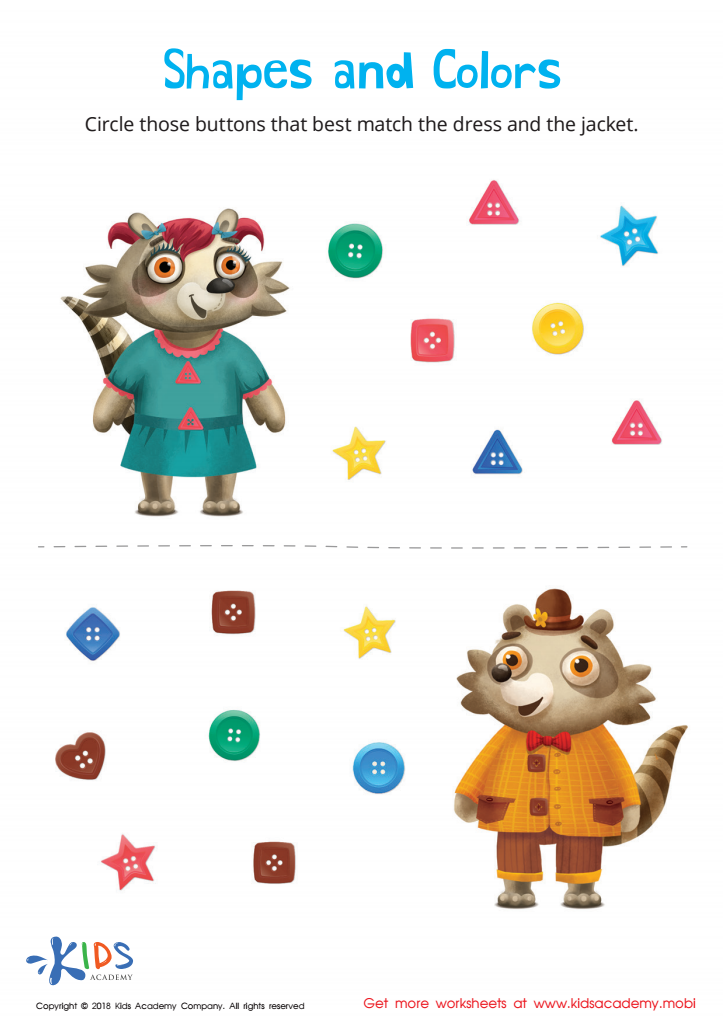
Shapes and Colors Worksheet
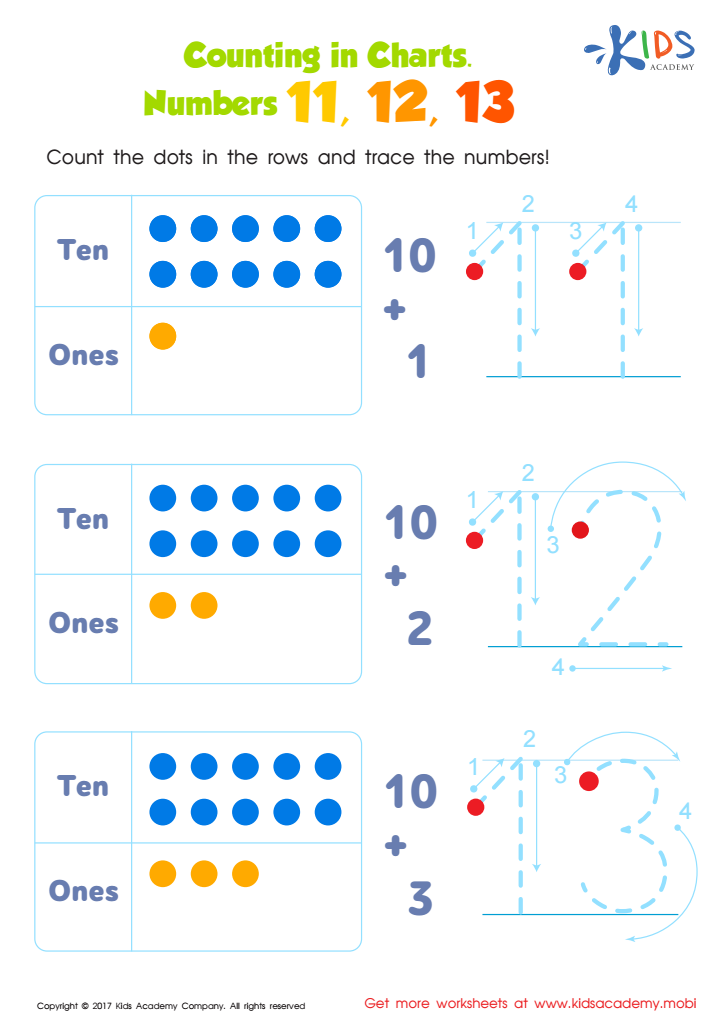
Number Tracing Worksheet For Kindergarten
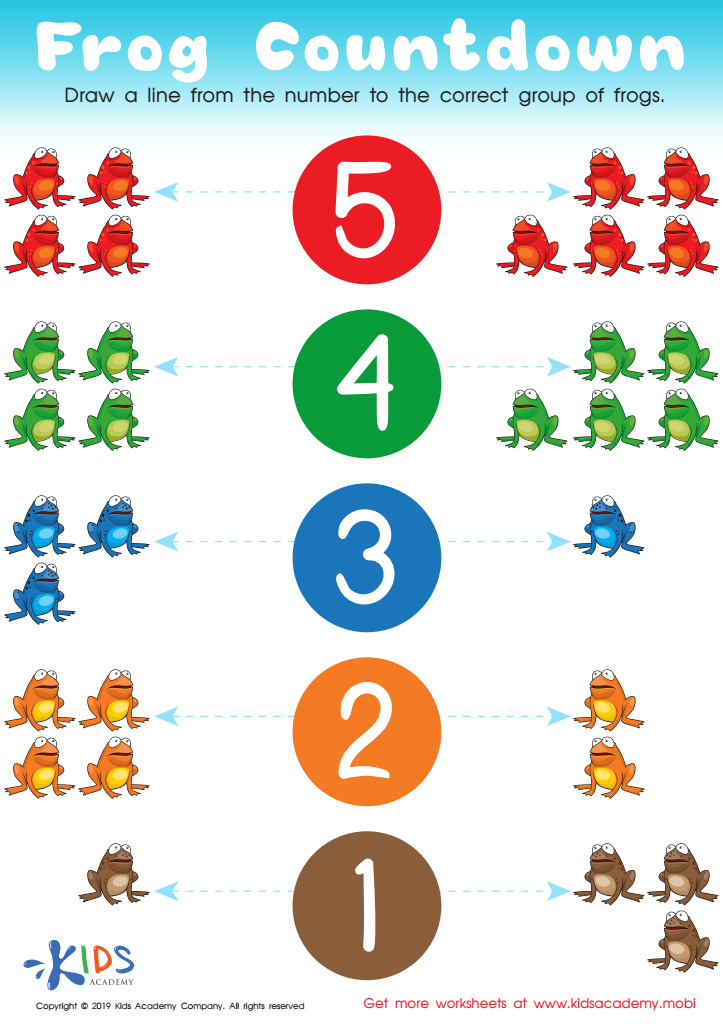
Frog Countdown Worksheet
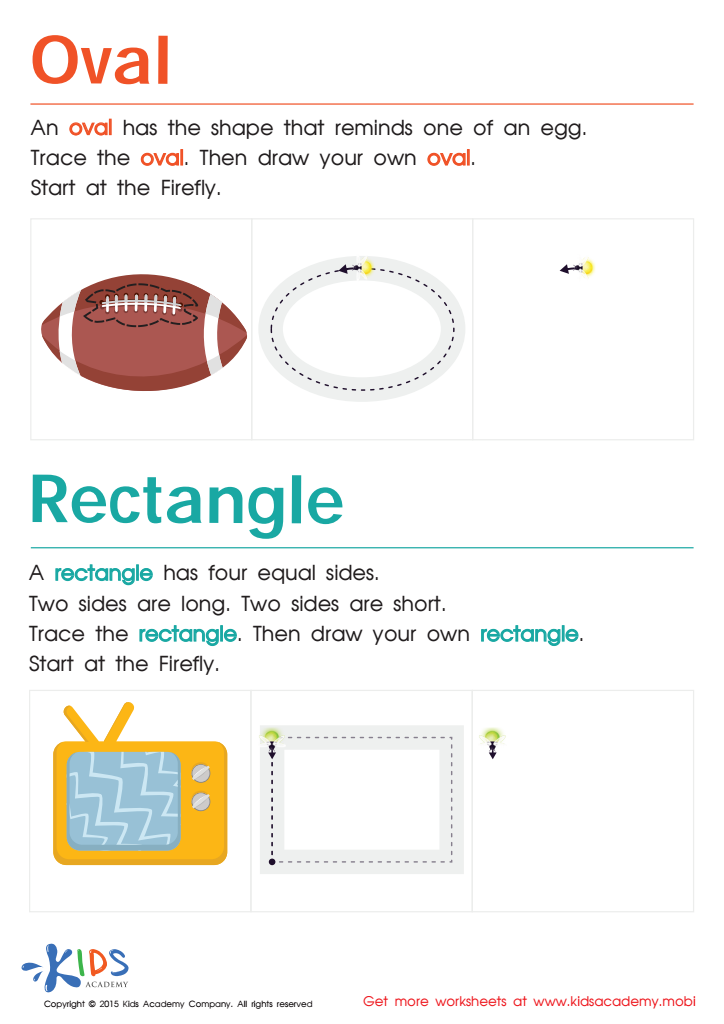
Easy Drawing of Ovals And Rectangles Worksheet

Identifying Uppercase Letters Worksheet
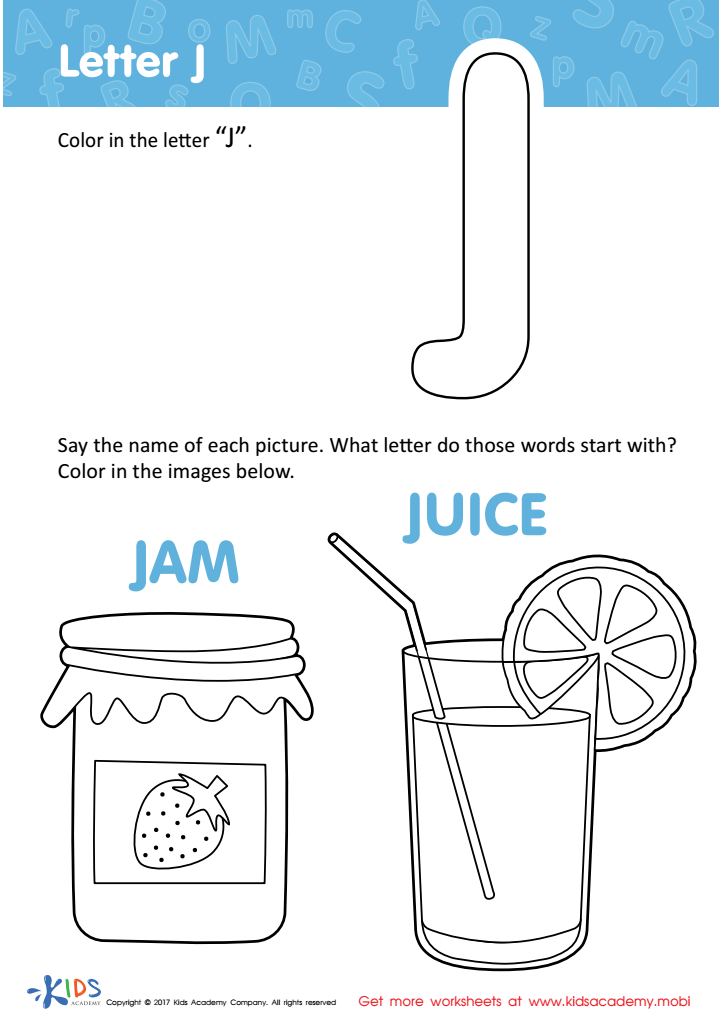
Letter J Coloring Sheet
Assign to My Students
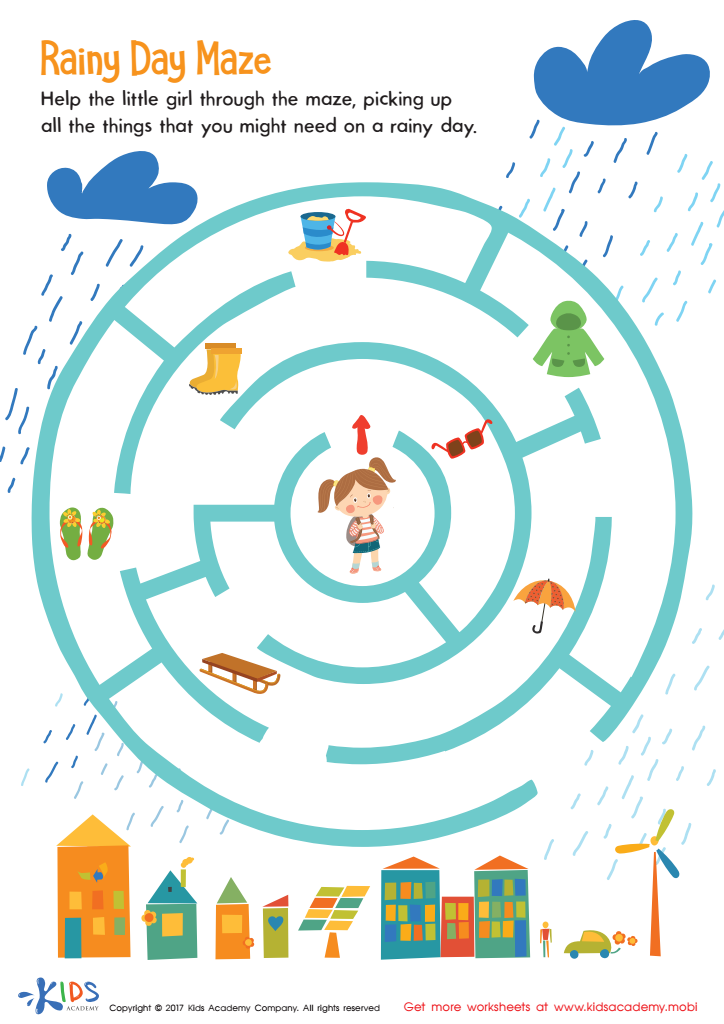
Rainy Day Maze Worksheet

Eight Geese Worksheet

Playground Worksheet
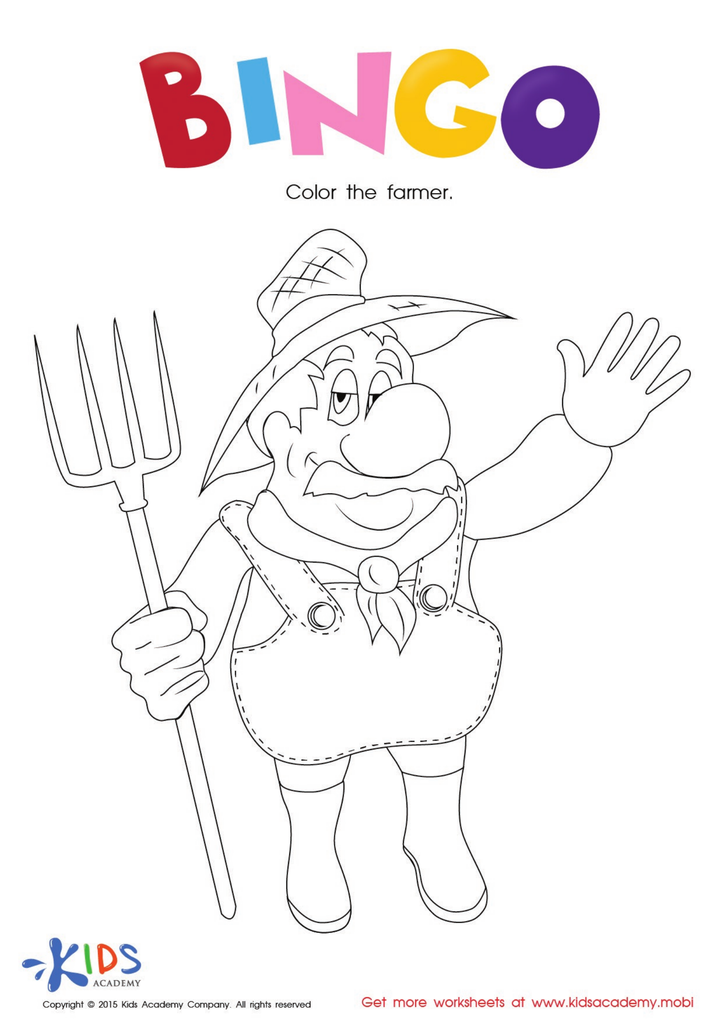
The Bingo Song: Coloring The Farmer Worksheet
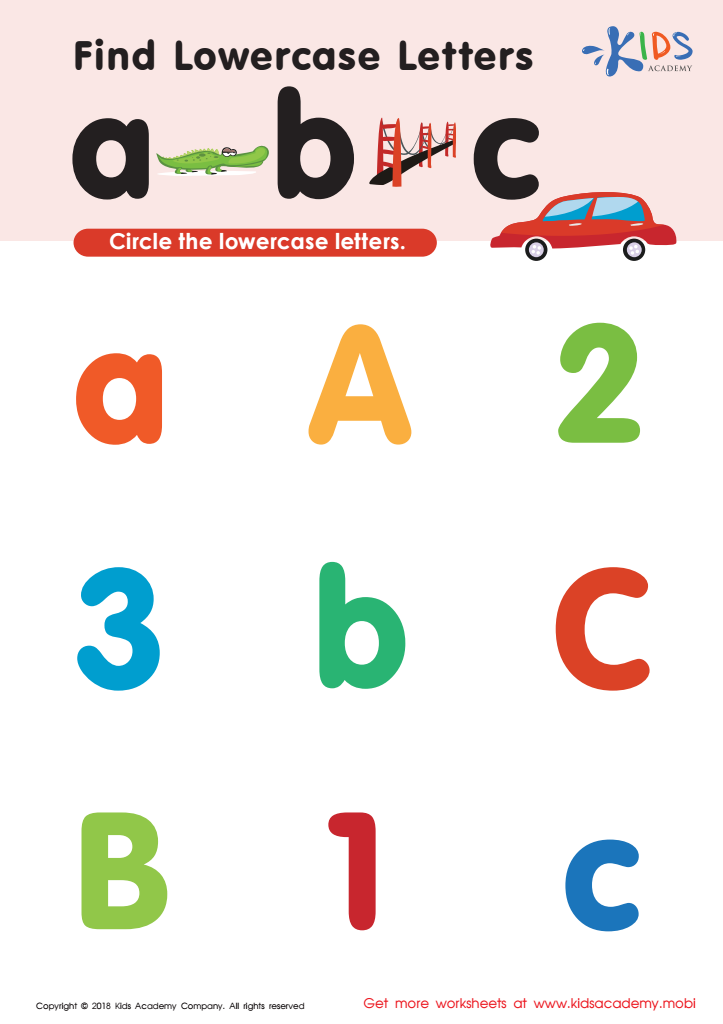
Find lowercase letters a b c Worksheet

Pirate Ship Connect Dots Worksheet








Fine motor skills are crucial for children's development, particularly for ages 4-6, as they lay the foundation for later academic and life skills. These skills involve the coordination of small muscles, primarily in the hands and fingers, enabling children to perform precise tasks such as writing, drawing, using scissors, and fastening clothing.
Parents and teachers should care about fine motor skills because they play a significant role in preschool and early elementary education. Proficient fine motor control greatly influences a child's ability to participate in classroom activities and complete assignments. Strong fine motor skills can enhance self-esteem and independence, allowing children to tackle tasks confidently without relying heavily on adult assistance.
Moreover, developing these skills fosters cognitive growth. Activities that strengthen fine motor skills often involve problem-solving and critical thinking, promoting creativity and attention to detail. Early investment in fine motor development also has positive implications for future academic success, particularly in subjects like math and science, where precision is essential.
Ultimately, by prioritizing fine motor skill development, parents and teachers can help create a strong foundation for children's cognitive, social, and emotional growth, ensuring they are better prepared for the challenges of school and beyond.








