Following directions Worksheets for Ages 4-6
3 filtered results
-
From - To
Enhance your child’s learning with our specially designed Following Directions Worksheets for Ages 4-6 by Kids Academy! These engaging printable worksheets help young learners develop essential skills, such as listening, comprehension, and executing instructions. Through fun, illustrated activities, children will practice following both simple and multi-step directions, which are crucial for their cognitive growth and classroom readiness. From coloring tasks to finding hidden objects, each worksheet aims to boost attention to detail and independence in a playful manner. Perfect for at-home learning, our worksheets offer a supportive foundation for lifelong learning success. Start your child's educational journey today!
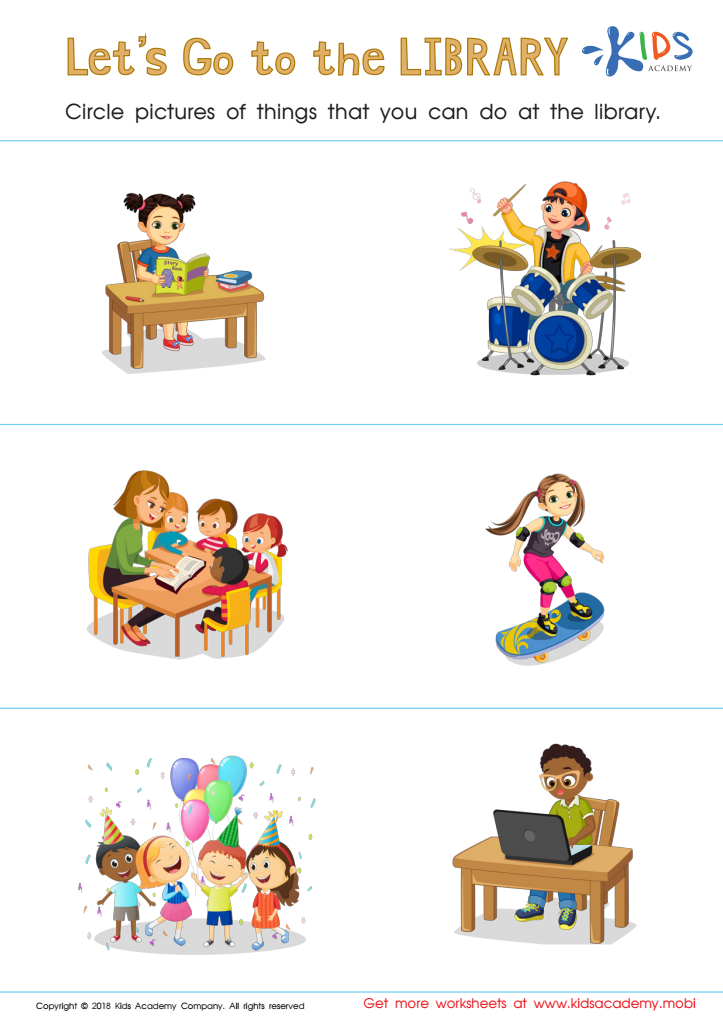
Let's Go to the Library! Worksheet
 Assign to My Students
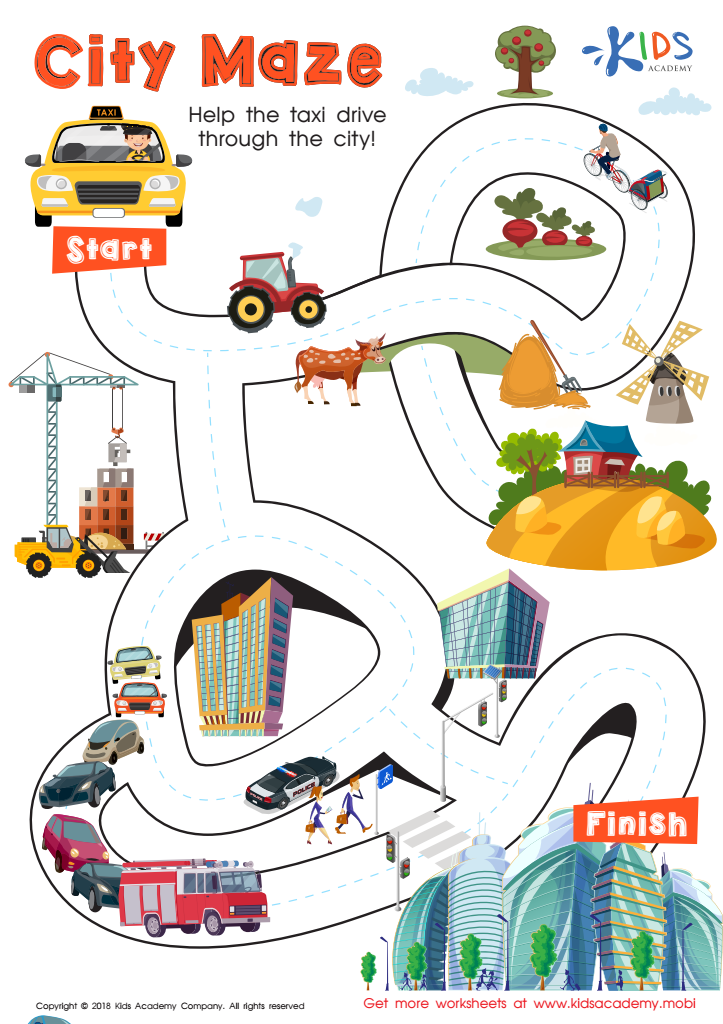
City Maze Worksheet
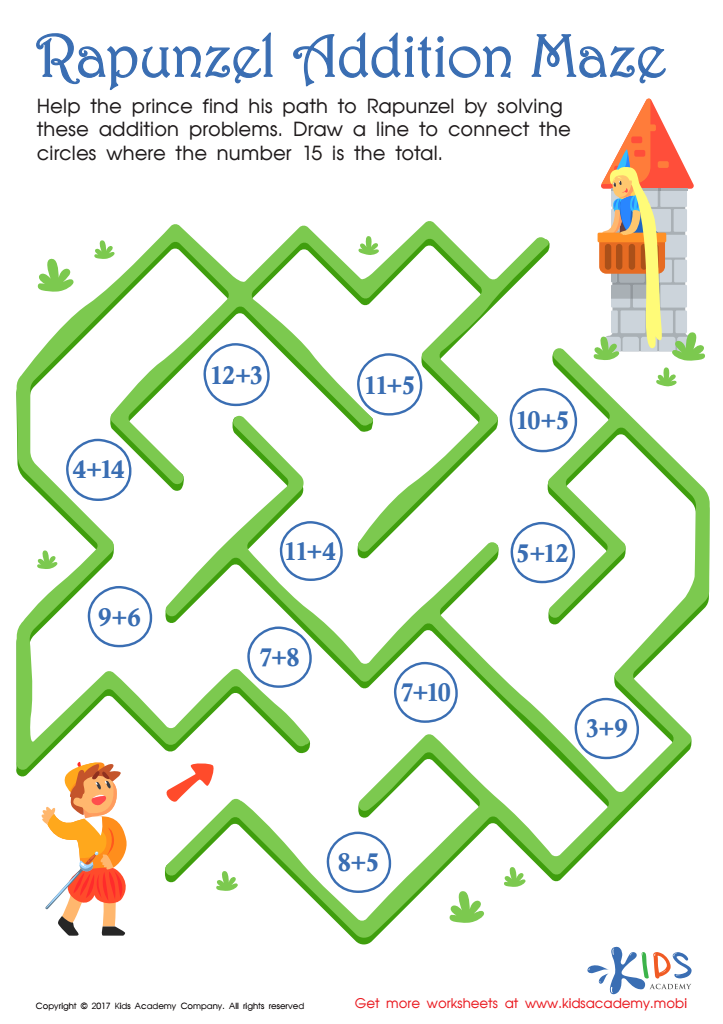
Rapunzel Addition Maze Worksheet







Following directions is a critical skill for children aged 4-6, as it lays the foundation for both academic success and overall personal development. During this formative period, young children's brains are rapidly developing, making it the perfect time to instill essential habits. When parents or teachers place importance on following directions, they are helping children develop crucial skills such as listening, attention, and comprehension.
Listening to and following directions enhance a child's ability to concentrate and process information, which can significantly impact their learning experiences in school. For example, understanding classroom rules, participating in group activities, and completing tasks all require the ability to follow directions precisely. These skills are vital for creating a structured learning environment and reducing misunderstandings or misbehaviors.
Furthermore, following directions helps children build important social and emotional skills. Complying with instructions often involves cooperating with others, showing respect, and taking turns—values that are essential for positive interactions with peers and adults.
In essence, by emphasizing the importance of following directions, parents and teachers are providing children with the tools they need to succeed both academically and socially. This foundational skill encourages a greater sense of independence, responsibility, and confidence in young learners, setting them on a path to lifelong learning and positive social interactions.








