Handwriting improvement Worksheets for Ages 4-6
18 filtered results
-
From - To
Discover our engaging Handwriting Improvement Worksheets for children ages 4-6, designed to develop fine motor skills, letter formation, and writing techniques. These expertly crafted worksheets provide fun and interactive activities, including tracing, dot-to-dot, and practice sheets, to help young learners build confidence and improve their handwriting. Each worksheet is tailored to gradually guide kids through essential handwriting stages, encouraging neatness and accuracy. Perfect for parents and educators, our collection supports kindergarten readiness and instills a love for writing. Boost your child’s handwriting skills today with our effective and enjoyable materials.
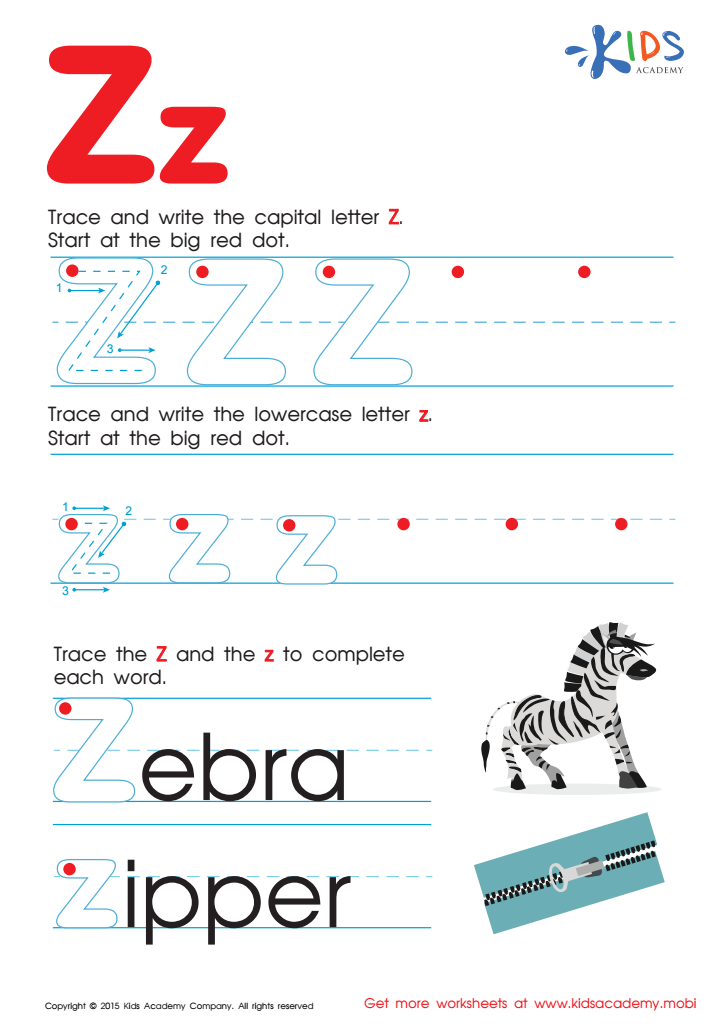
Letter Z Tracing Page
 Assign to My Students
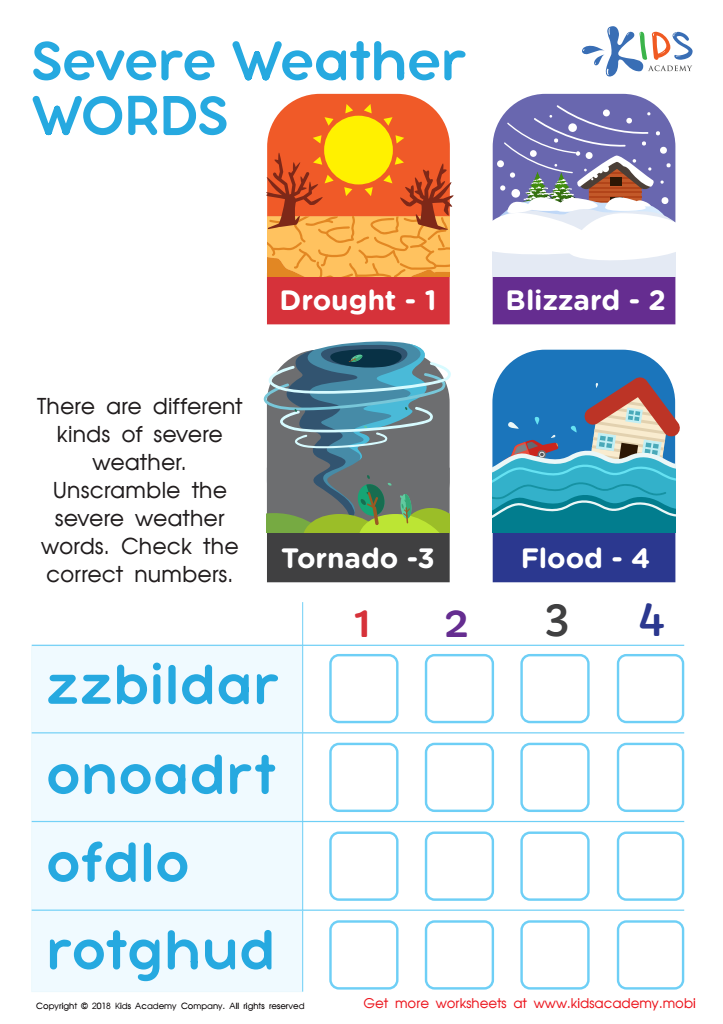
Severe Weather Words Worksheet
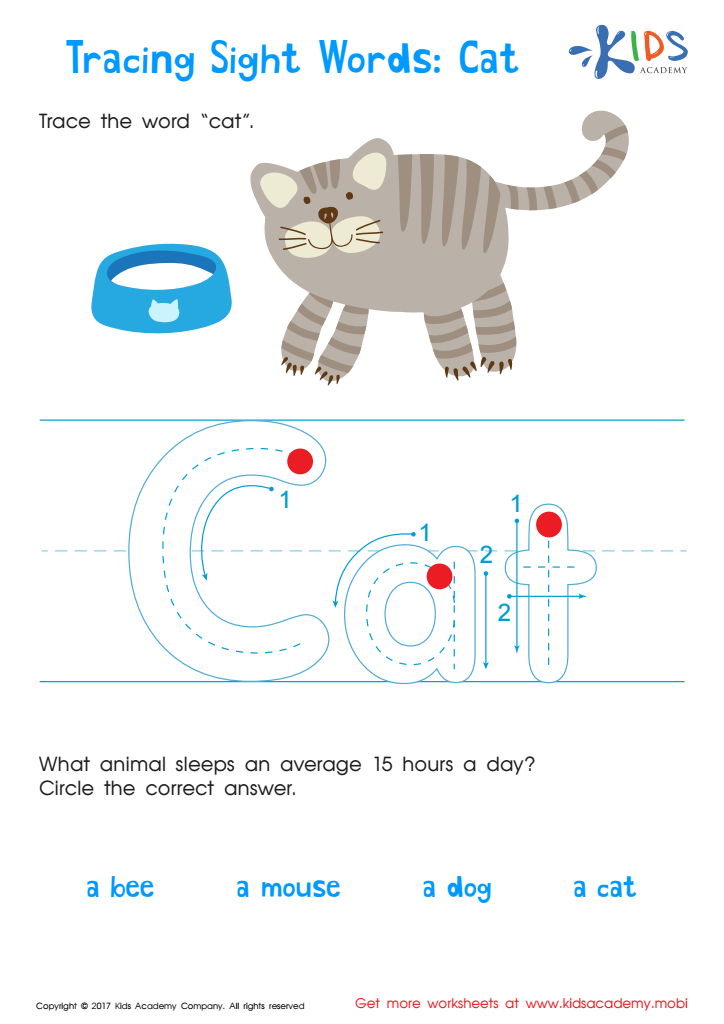
Cat Printable Sight Words Worksheet
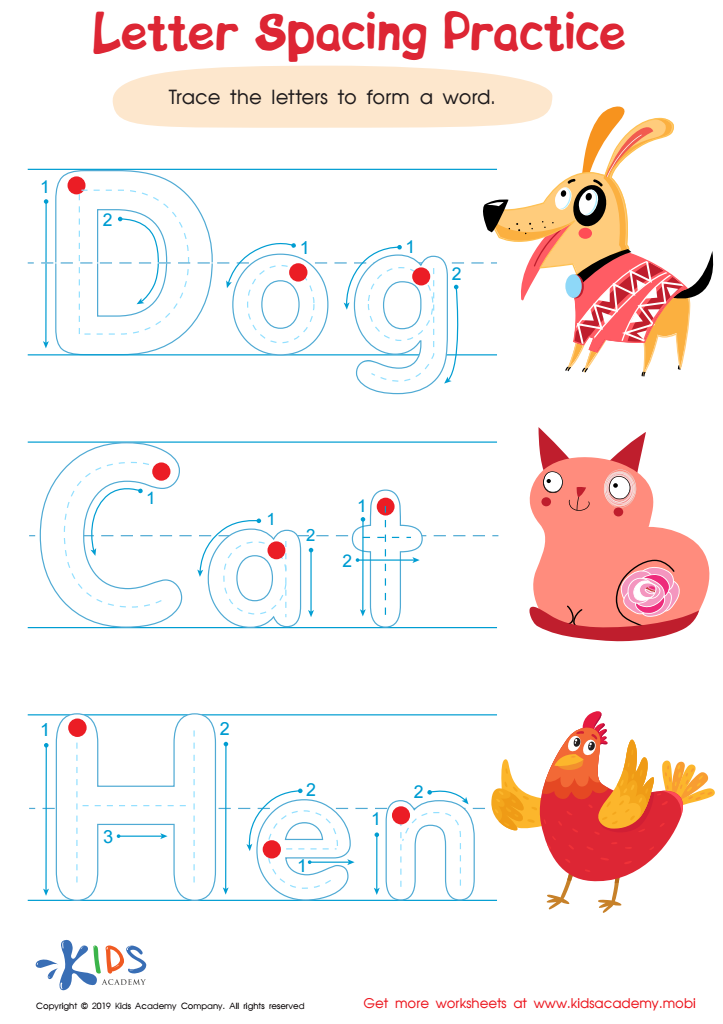
Letter Spacing Practice Worksheet
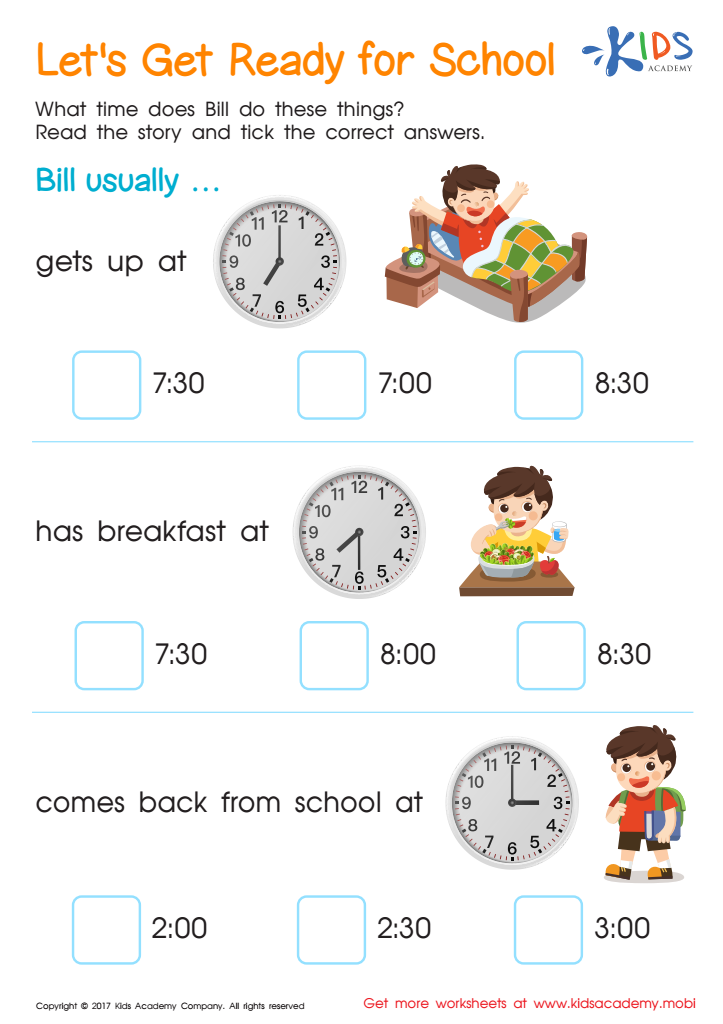
Lets Get Ready For School Time Printable
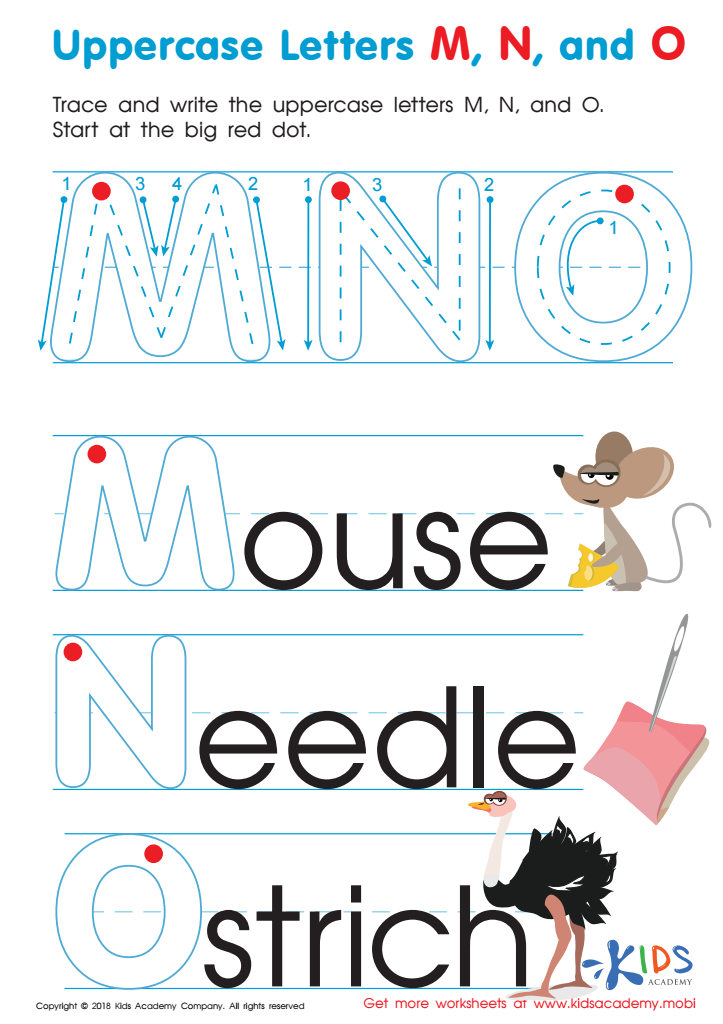
Uppercase Letters M, N, and O Worksheet
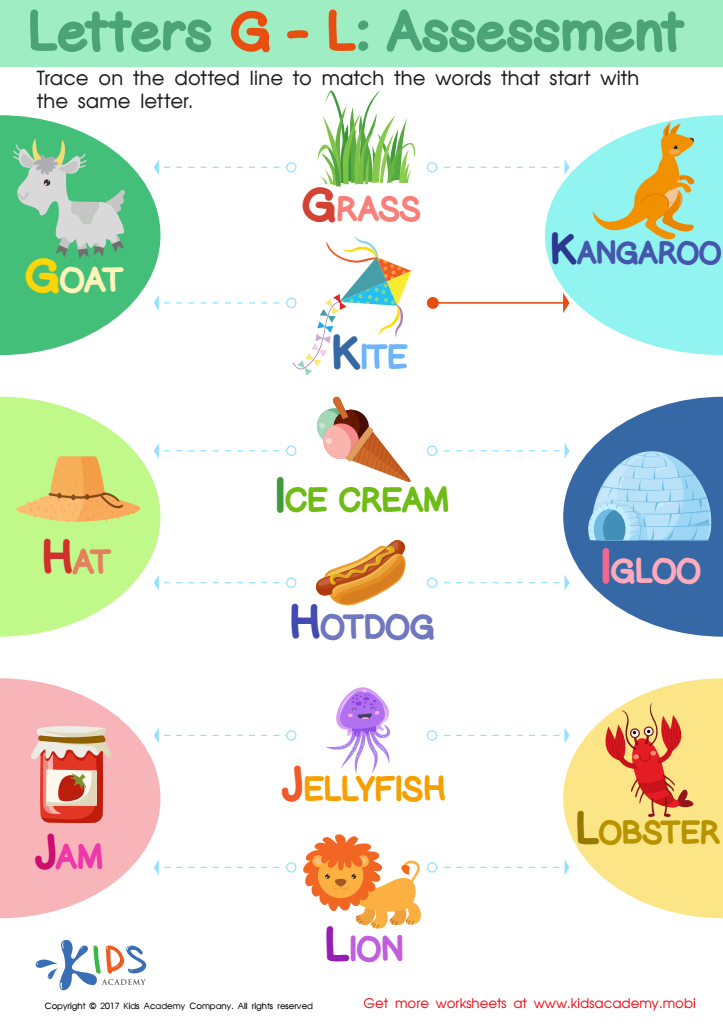
Letters G-L Worksheet
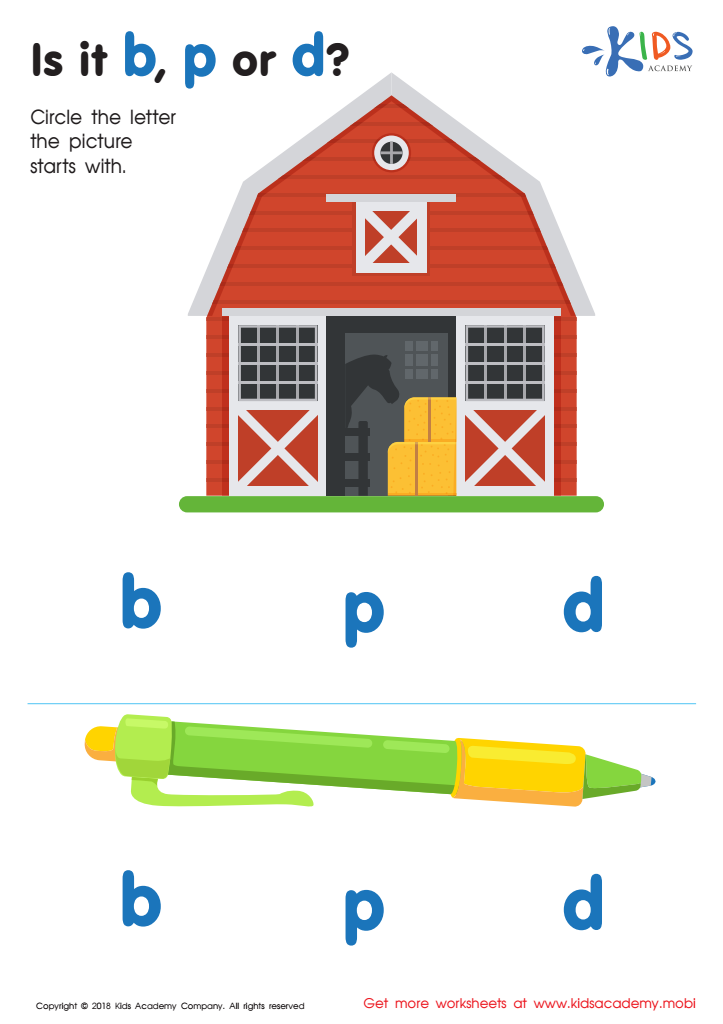
Is it b, p or d? Worksheet
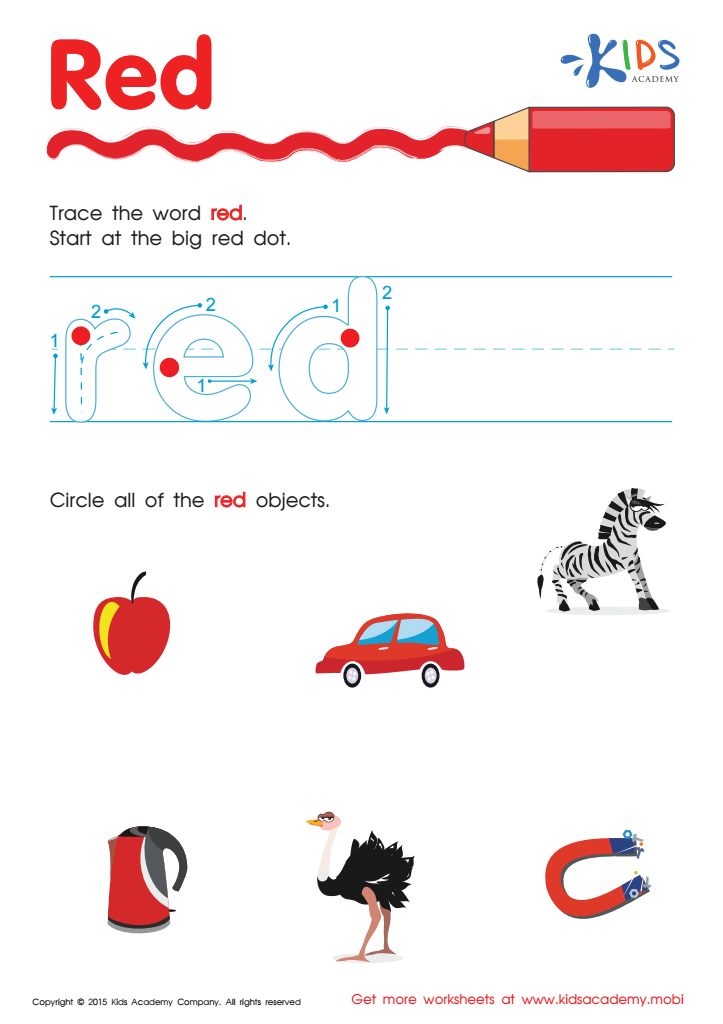
Red Tracing Color Words Printable
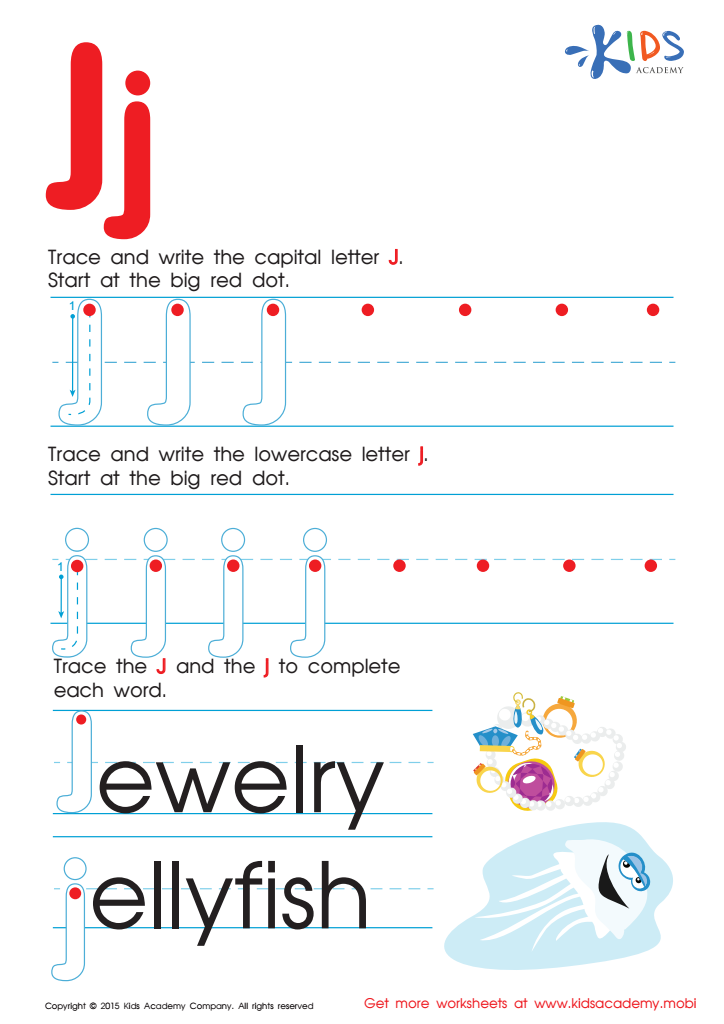
Letter J Tracing Page
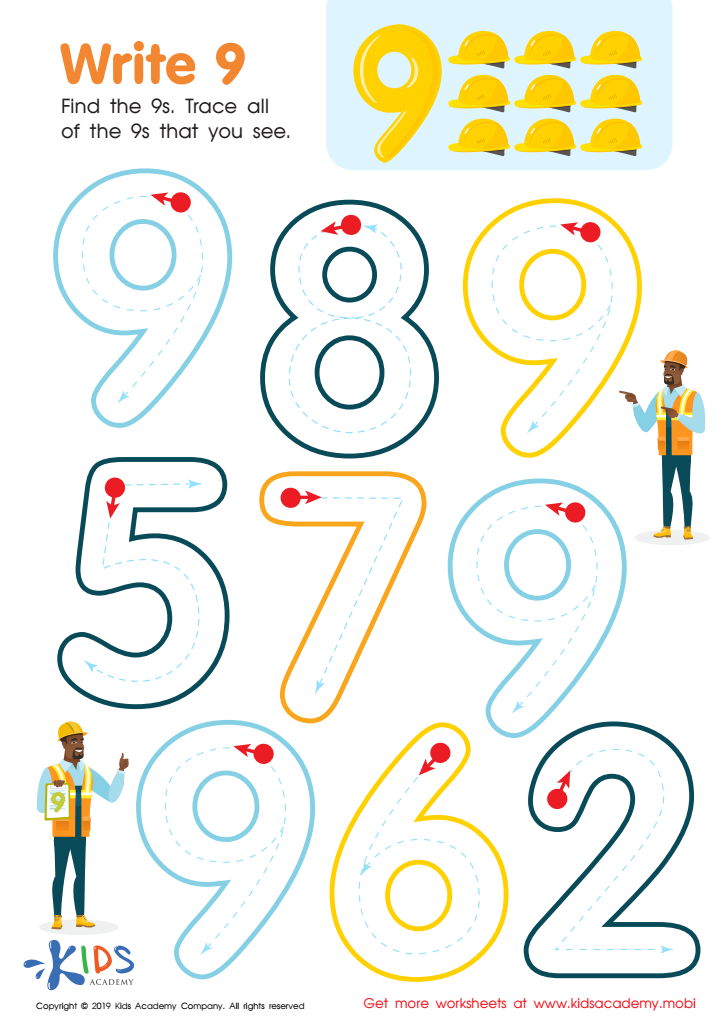
Write 9 Worksheet
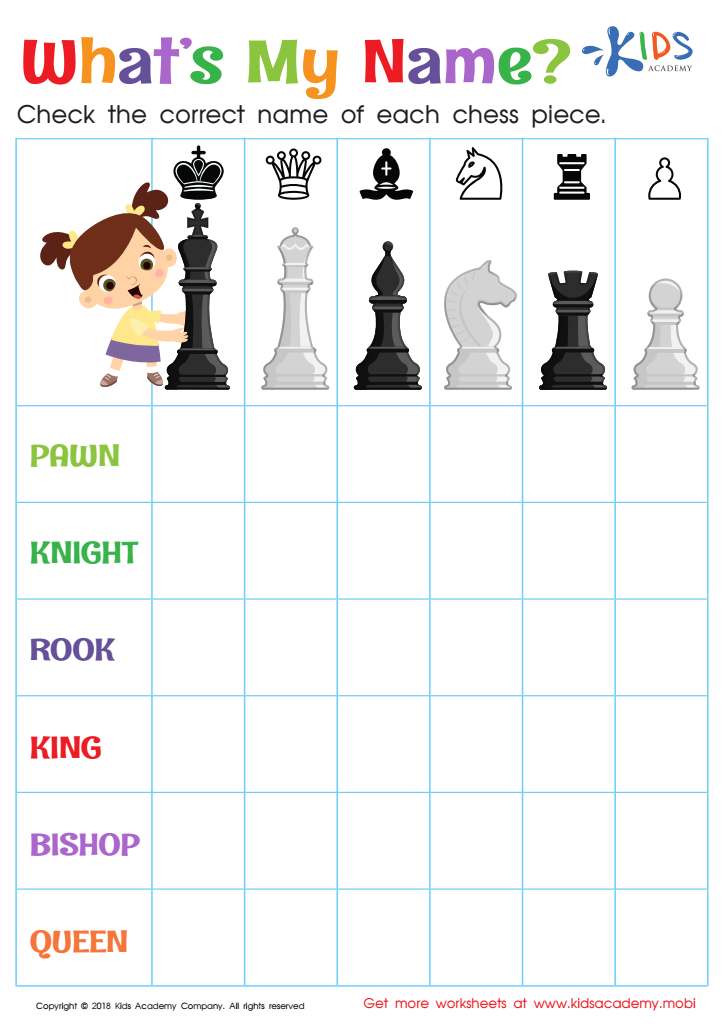
What's My Name? Worksheet
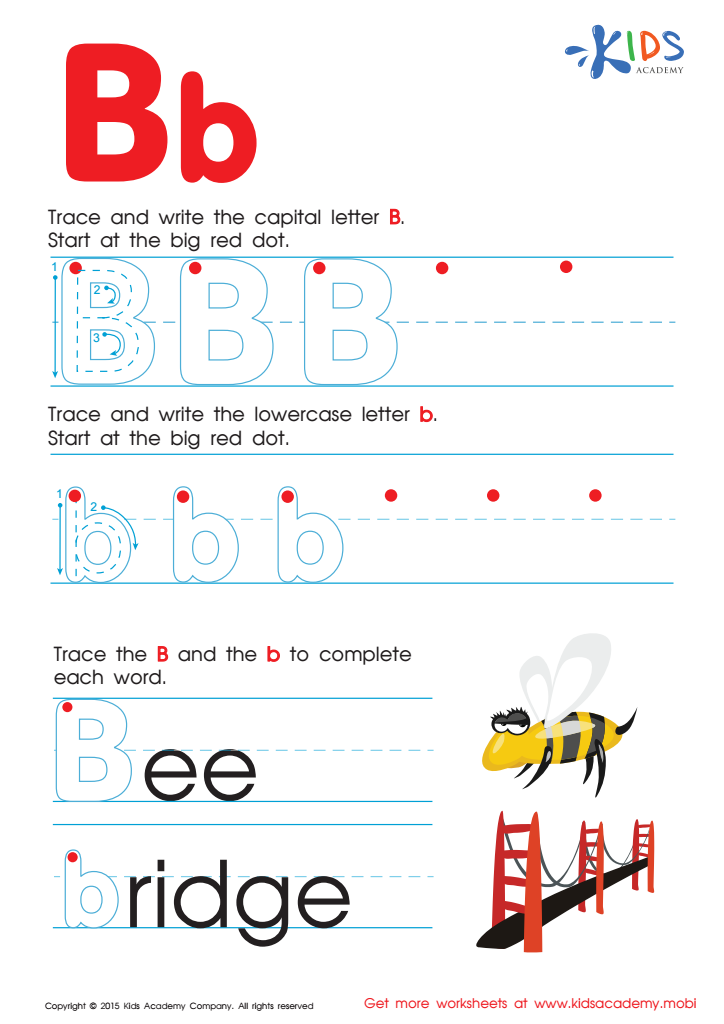
Letter B Tracing Page
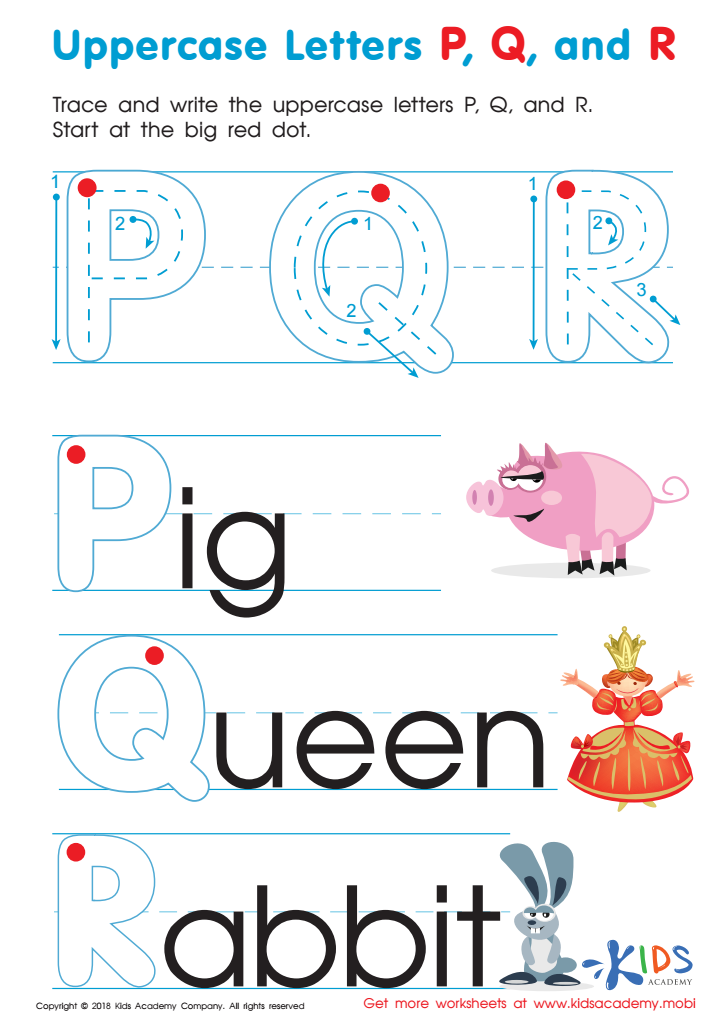
Uppercase Letters P, Q, and R Worksheet
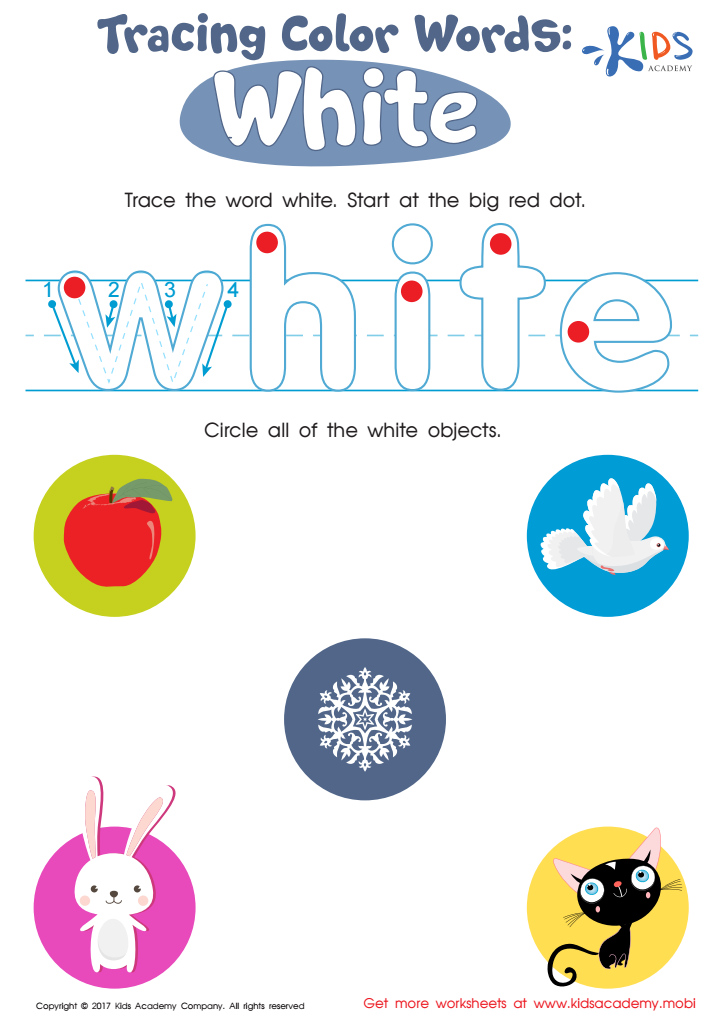
White Tracing Color Words Worksheet

Arctic Animals Worksheet
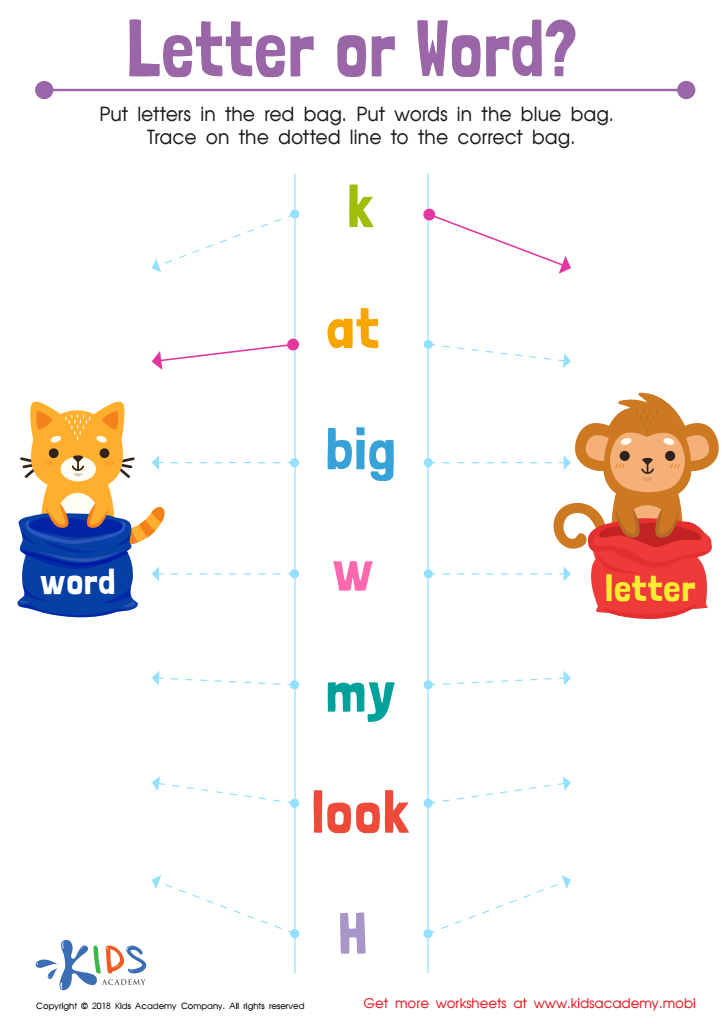
Letter or Word? Worksheet
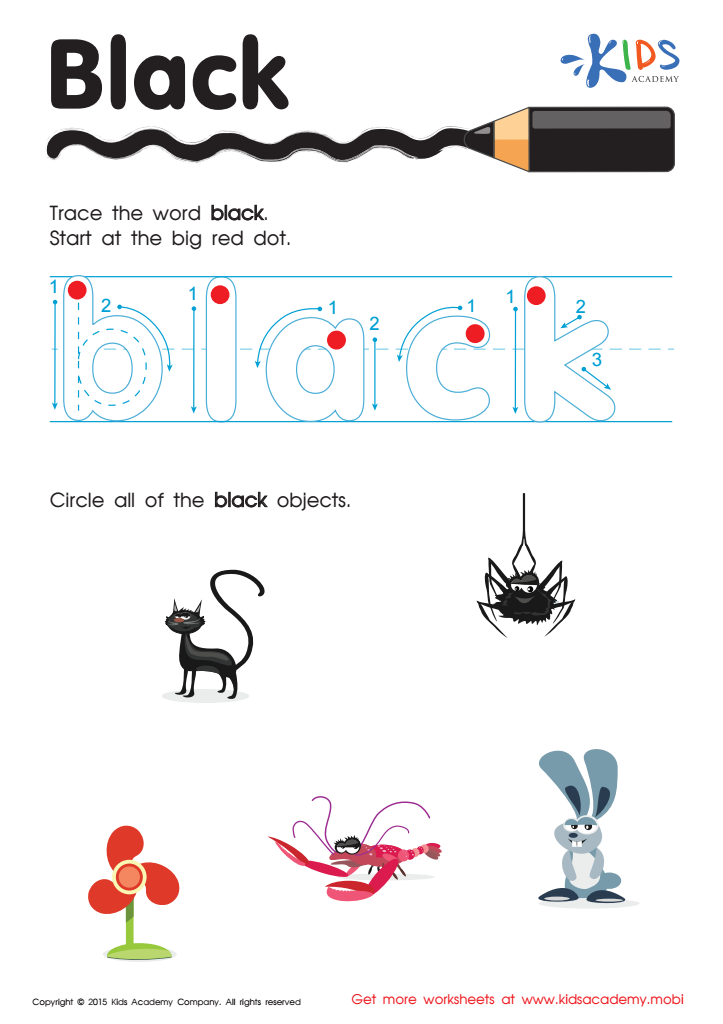
Black Tracing Color Words Printable








Handwriting improvement for children aged 4-6 is crucial as it lays the foundation for their educational development and cognitive growth. At this early age, children are developing their fine motor skills, which are essential for performing everyday tasks such as tying shoelaces, using utensils, and, of course, writing. Better handwriting inherently helps children gain more control over their hand movements, enhancing these skills.
Moreover, clear and legible handwriting boosts a child's confidence and self-esteem. When children can see their progress, they feel a sense of accomplishment that motivates them to learn more. This confidence extends to other areas of their education and life, promoting a positive attitude toward learning.
Handwriting practice also helps in the development of concentration and patience. Sustained writing activities with focused effort improve children's attention spans over time. Additionally, studies have shown that the process of learning to write letters and words by hand engages multiple areas of the brain related to memory, thus aiding in better retention of information.
Finally, in an age dominated by technology, the fine art of handwriting reminds us of the importance of tangible skills. Good handwriting provides a lifetime of benefits, ensuring that children can communicate clearly and effectively in various real-life situations. Therefore, parents and teachers should prioritize handwriting development to set young learners on a path of academic and personal success.








