Identifying objects Worksheets for Ages 4-6
5 filtered results
-
From - To
Welcome to our Identifying Objects Worksheets for Ages 4-6! Designed to spark curiosity and enhance observation skills, our worksheets offer fun activities that help young learners recognize and categorize everyday items. Each worksheet presents vibrant images and engaging prompts that encourage children to explore their surroundings while developing critical thinking skills. Perfect for classrooms or home activities, these resources support early learning milestones in a playful and interactive manner. Help your child discover the joy of identifying objects while boosting their vocabulary and cognitive skills. Dive into our collection today to enrich your child's learning journey!
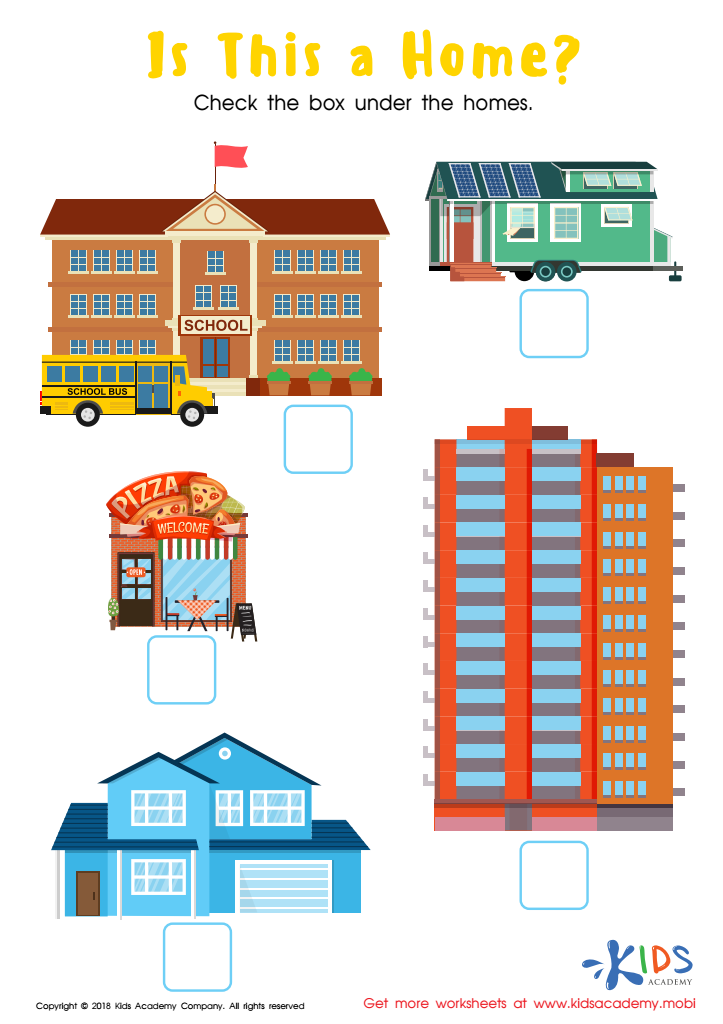
Is this a Home? Worksheet
 Assign to My Students
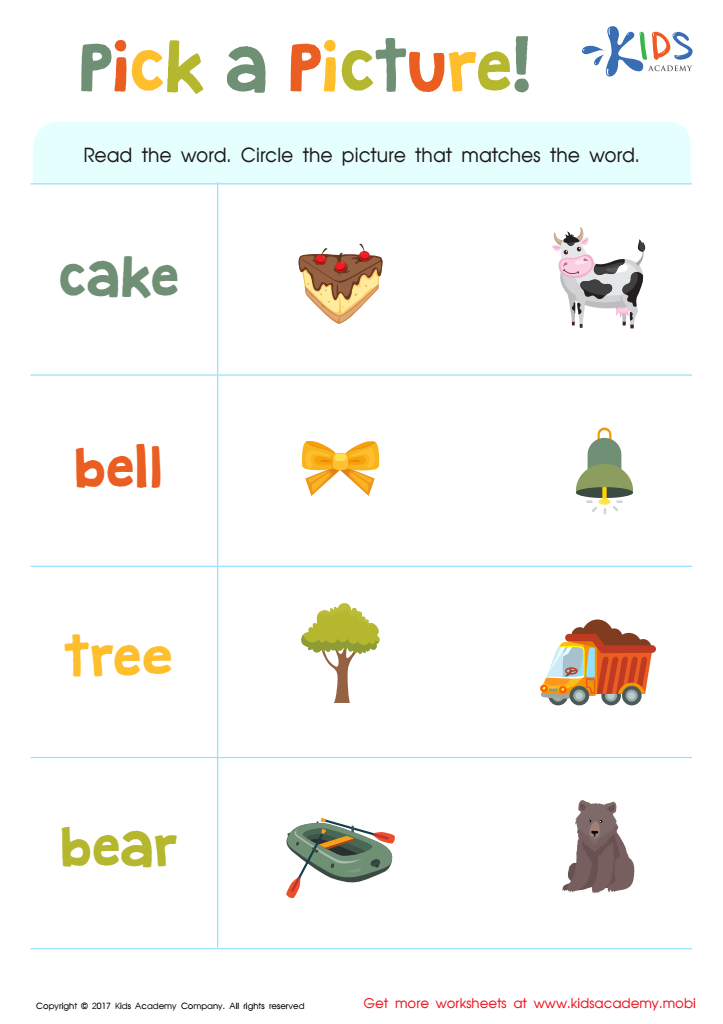
Pick a Picture Word Recognition Worksheet
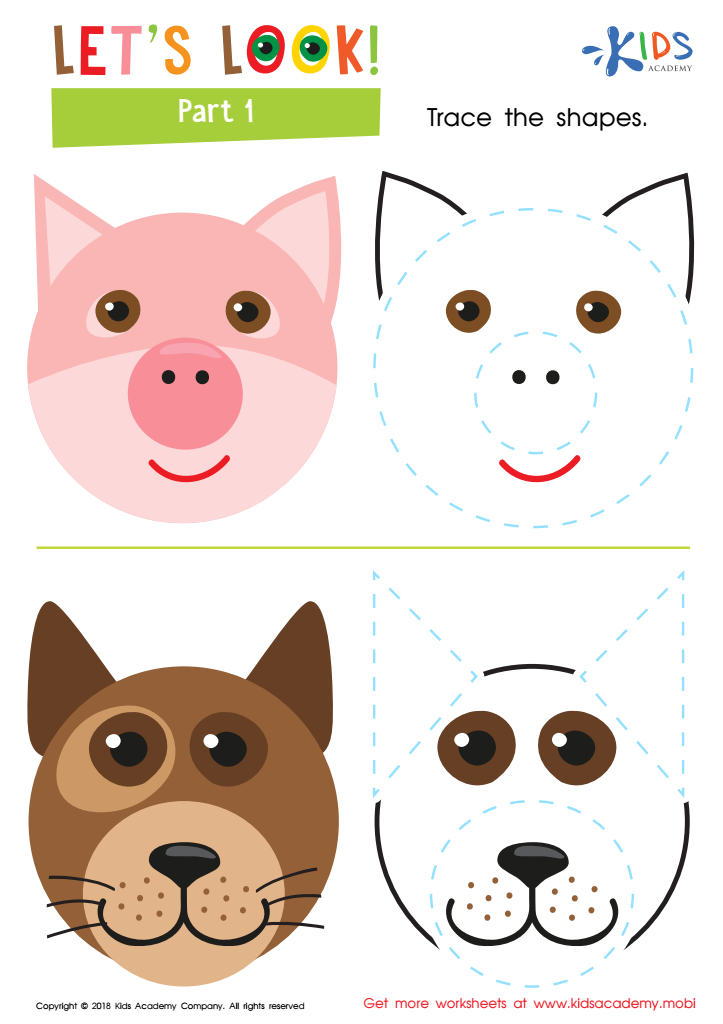
Let's Look! Part 1 Worksheet
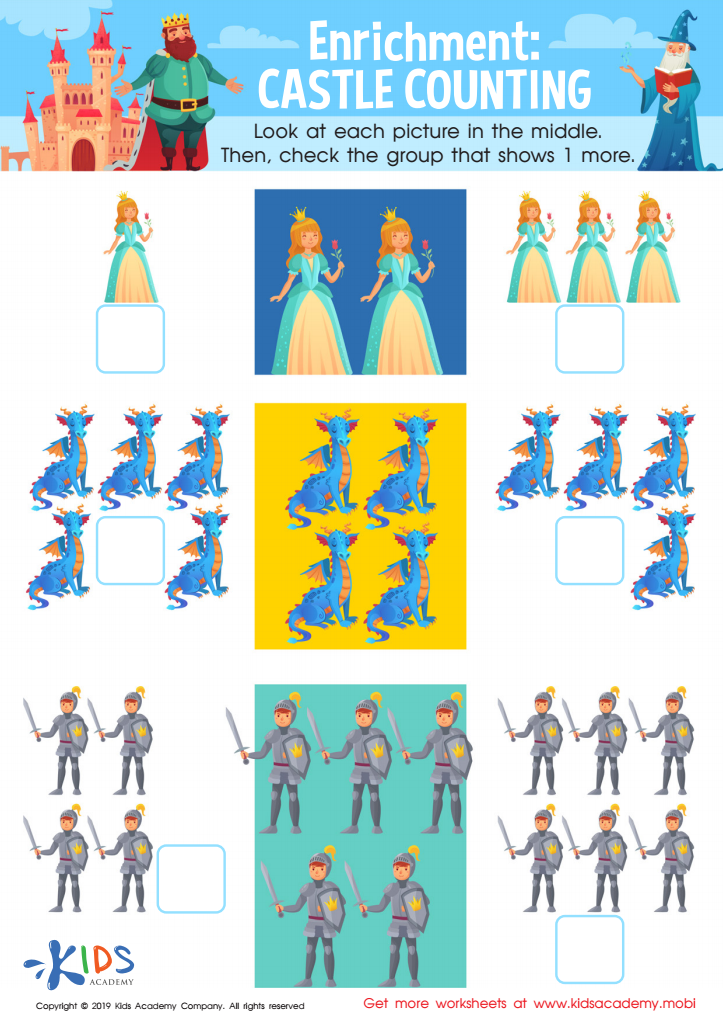
Enrichment: Castle Counting Worksheet
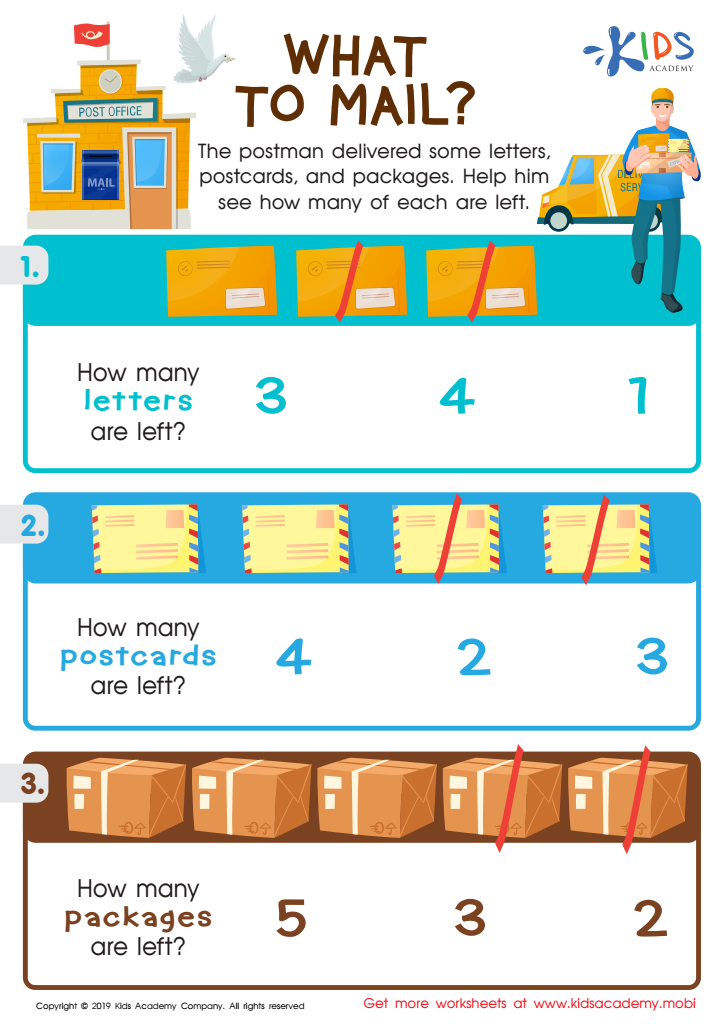
What to Mail? Worksheet





.jpg)


Identifying objects is a foundational skill for children aged 4-6, and it is crucial for various aspects of their development. For parents and teachers, understanding the importance of this skill can guide effective teaching and parenting strategies.
Firstly, object identification enhances cognitive development. As children learn to recognize and name objects in their environment, they build vocabulary and improve language skills, which are essential for communication. This process fosters critical thinking, as young learners begin to categorize and differentiate items based on their attributes.
Secondly, it helps in social-emotional development. Successfully identifying objects boosts a child’s confidence and encourages them to participate in discussions, enhancing interaction with peers and adults.
Furthermore, it lays the groundwork for more complex learning tasks. Children who can identify objects are better prepared for activities involving counting, sorting, and comparison, which are critical in subjects like math and science.
Finally, it promotes curiosity and exploration. Supporting children in discovering new objects stimulates their desire to learn, making education an engaging and enjoyable experience. In summary, recognizing objects is a vital skill that underpins language acquisition, cognitive growth, and social interactions, making it essential for parents and educators to prioritize in early childhood development.








