Improve vocabulary Worksheets for Ages 4-6
4 filtered results
-
From - To
Boost your child's vocabulary with our engaging worksheets designed specifically for ages 4-6! Our carefully crafted resources provide fun activities that foster language development and word recognition in young learners. Whether it's matching words with pictures, exploring rhymes, or expanding their word banks with common phrases, each worksheet is created to nurture curiosity and strengthen communication skills. With a variety of colorful, interactive tasks, kids will enjoy learning new words while honing their comprehension skills. Ideal for both classroom and at-home learning, our Improve Vocabulary worksheets are the perfect support for nurturing a love of language in early education. Start enriching your child’s vocabulary today!
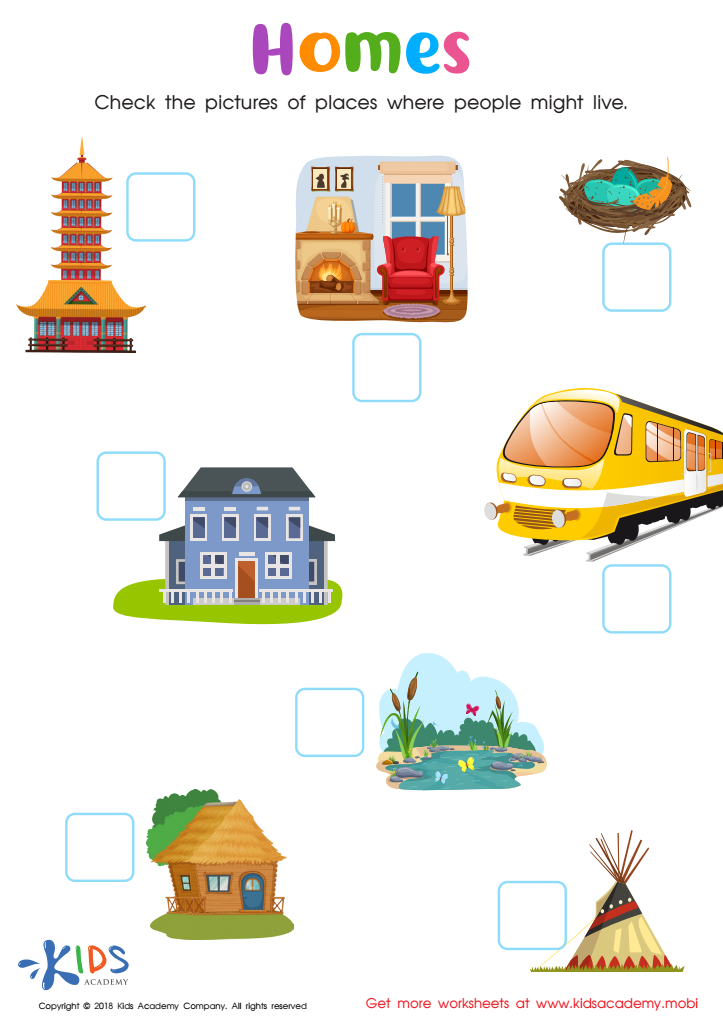
Homes Worksheet
 Assign to My Students
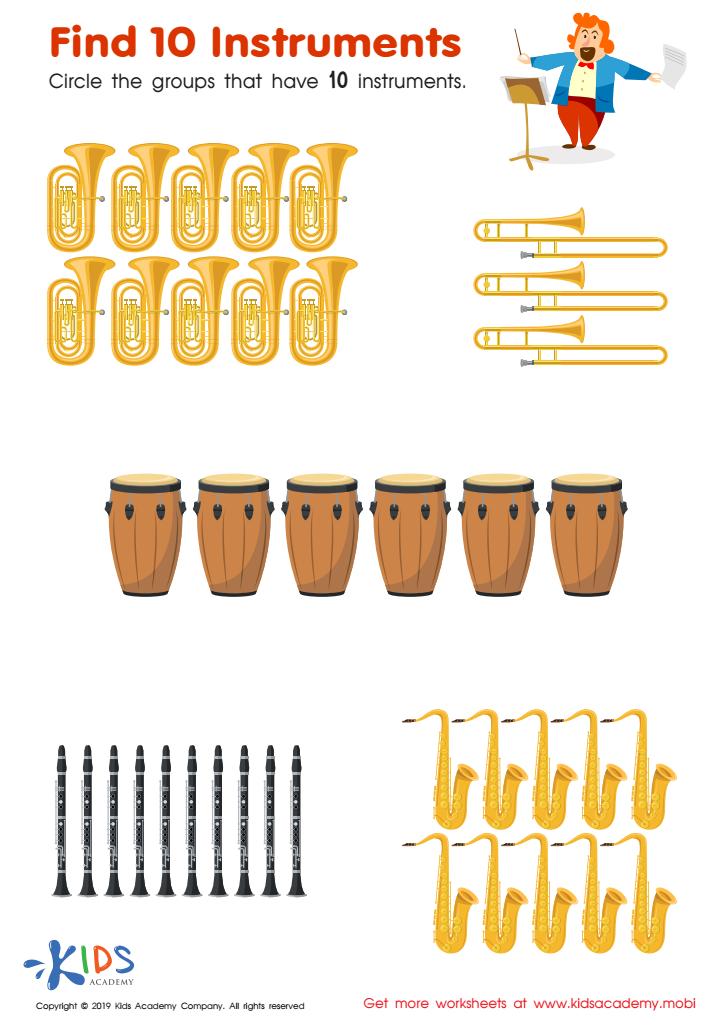
Find 10 Instruments Worksheet
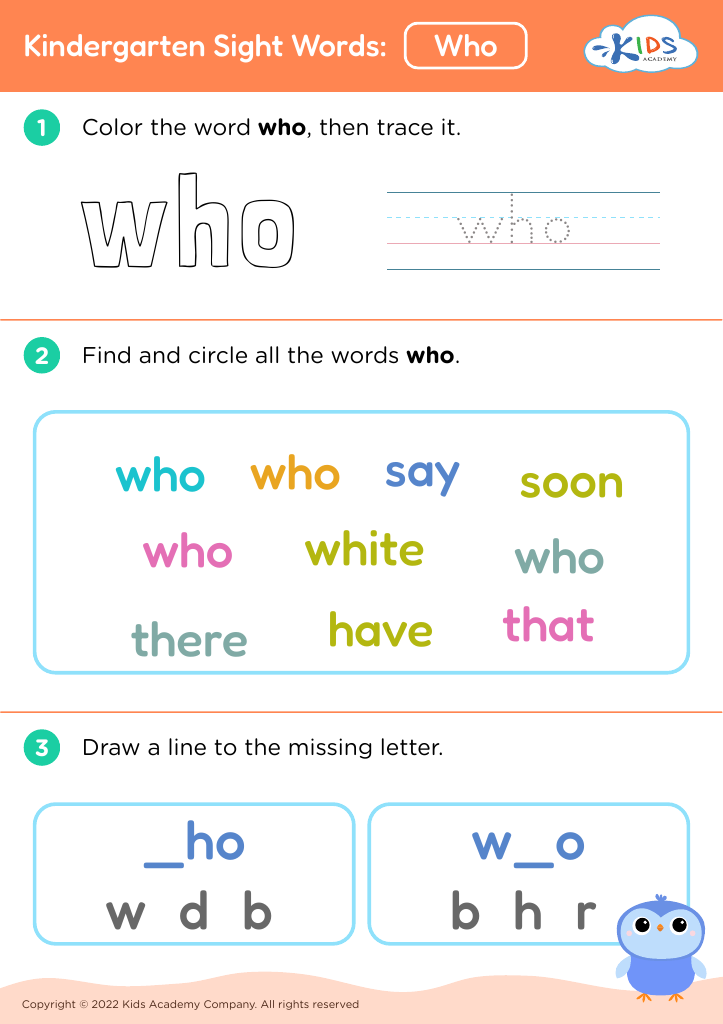








Improving vocabulary in children aged 4-6 is crucial for their overall development and academic success. At this age, children are rapidly acquiring language skills, and a strong vocabulary foundation significantly enhances their ability to communicate effectively. A rich vocabulary enables young learners to express their thoughts, feelings, and needs clearly, fostering better social interactions and relationships with peers and adults.
Parents and teachers play a vital role in this process, as exposure to diverse language experiences is essential. Engaging children in conversations, reading a variety of books, and encouraging them to ask questions nurtures curiosity and the exploration of new words. These early language skills not only support literacy development but also contribute to cognitive development by enhancing critical thinking and comprehension abilities.
Furthermore, a robust vocabulary correlates with future academic performance. Children who participate in vocabulary-rich activities show improved reading, writing, and overall academic achievement later in school. By prioritizing vocabulary development for young learners, parents and teachers are investing in lifelong skills that will benefit children in school and beyond, setting the stage for future learning and success. Ultimately, fostering a strong vocabulary in early childhood is a foundational step in helping children thrive in an increasingly complex world.








