Musical instruments recognition Worksheets for Ages 4-6
3 filtered results
-
From - To
Explore our engaging "Musical Instruments Recognition Worksheets" specifically designed for children ages 4-6! These interactive worksheets introduce young learners to the world of music by helping them identify and name various instruments. Our colorful and fun activities support the development of auditory skills, fine motor abilities, and musical curiosity. Ideal for both classroom and at-home learning, these resources cater to early learners with simple, easy-to-follow exercises that ensure effective understanding and retention. Foster your child's love for music and creativity with our expertly crafted worksheets today!
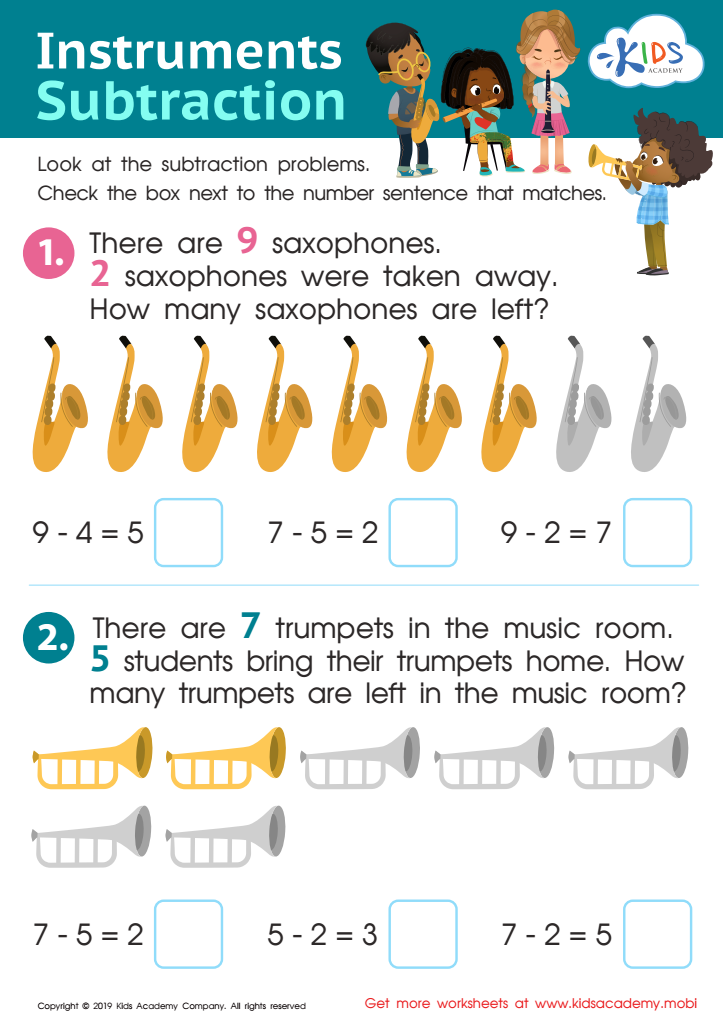
Instrument Subtraction Worksheet
 Assign to My Students
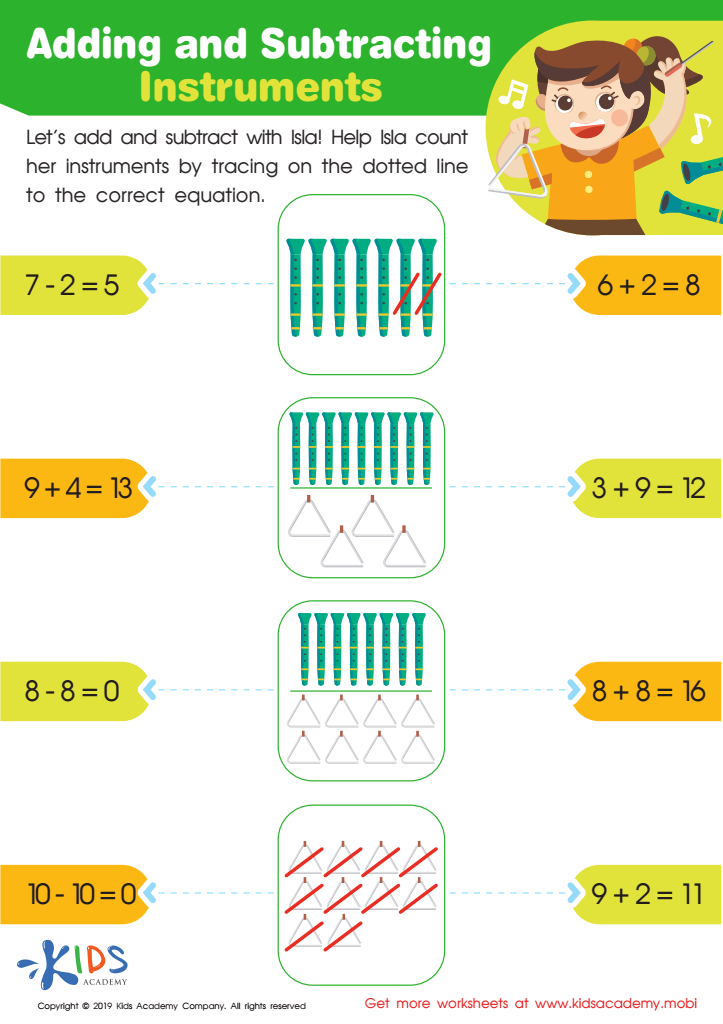
Adding and Subtracting: Instruments Worksheet
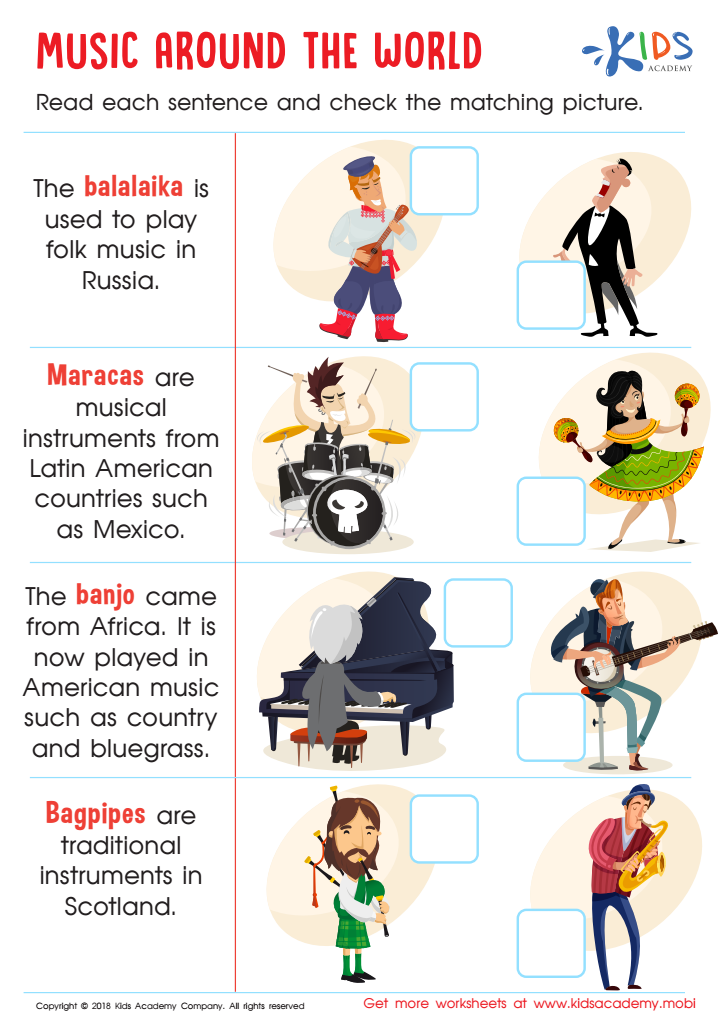
Music Around the World Worksheet





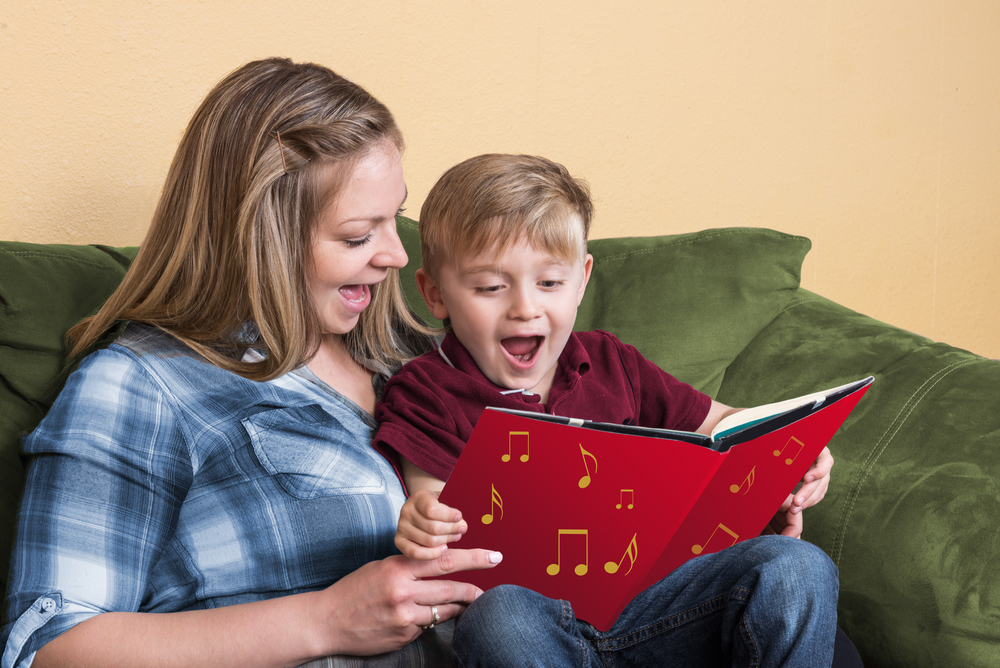


Introducing musical instrument recognition to children ages 4-6 is incredibly valuable for numerous reasons. At this formative stage, children's brains are rapidly developing, and exposing them to music can significantly boost cognitive skills such as memory, attention, and spatial-temporal abilities. Learning to recognize various musical instruments not only sparks creativity but also nurtures listening skills and auditory discrimination. For instance, distinguishing between the sounds of a piano and a violin enhances their ability to pay attention to nuances in other aspects of life.
Moreover, understanding different musical instruments promotes emotional development and cultural appreciation. Music is a universal language that transcends boundaries, and early familiarity with diverse instruments can cultivate an enduring tolerance and curiosity about other cultures. This exposure enhances social skills by promoting cooperation and teamwork, especially when children participate in group musical activities.
From a pedagogical perspective, instrument recognition can make learning more engaging. Integrating music into lessons captures children's interest and makes abstract concepts more relatable. It also lays a foundation for future musical education, equipping children with the basic knowledge required to pursue any musical interest more seriously as they grow older. Thus, parents and teachers can use music as a powerful tool to enrich children’s educational experience and overall well-being.








