Sound-letter association Worksheets for Ages 4-6
5 filtered results
-
From - To
Discover fun and engaging Sound-Letter Association Worksheets designed specifically for ages 4-6! Our printable resources help young learners develop essential phonemic awareness by connecting sounds with corresponding letters. These colorful and interactive worksheets encourage children to recognize letters, practice tracing, and link sounds to their visual representations through exciting activities. Perfect for both classroom settings and home learning, our worksheets support early literacy skills and foster a love for reading. Equip your child with the foundational skills they need for success in their education with our comprehensive early learning resources designed for their unique developmental stage. Start nurturing confident readers today!
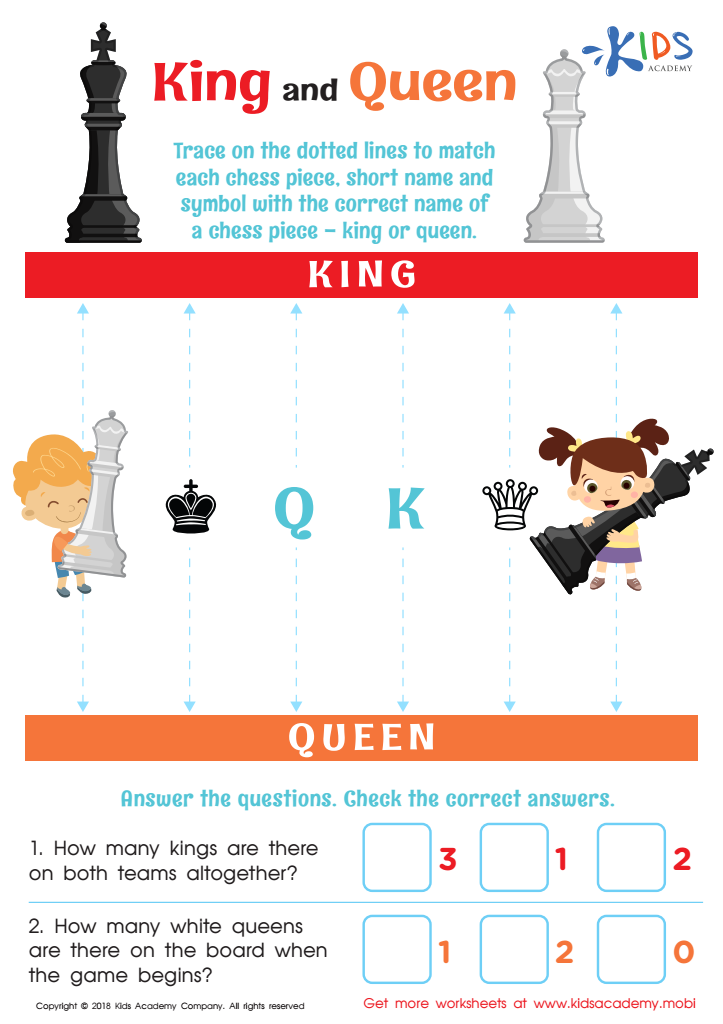
King and Queen Worksheet
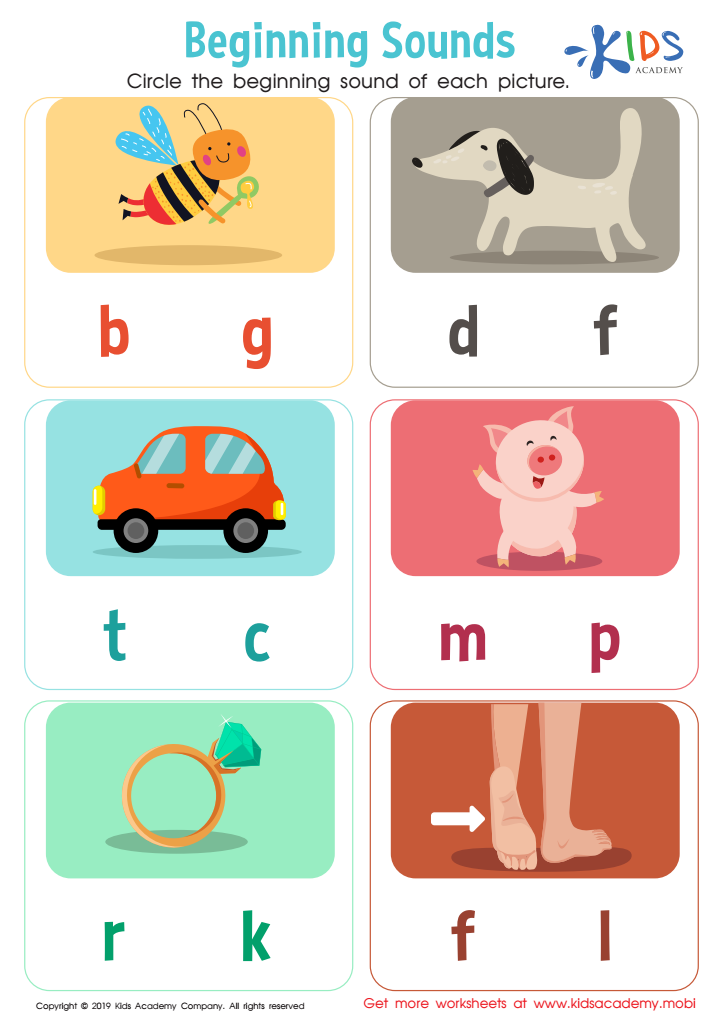
Beginning Sounds Worksheet
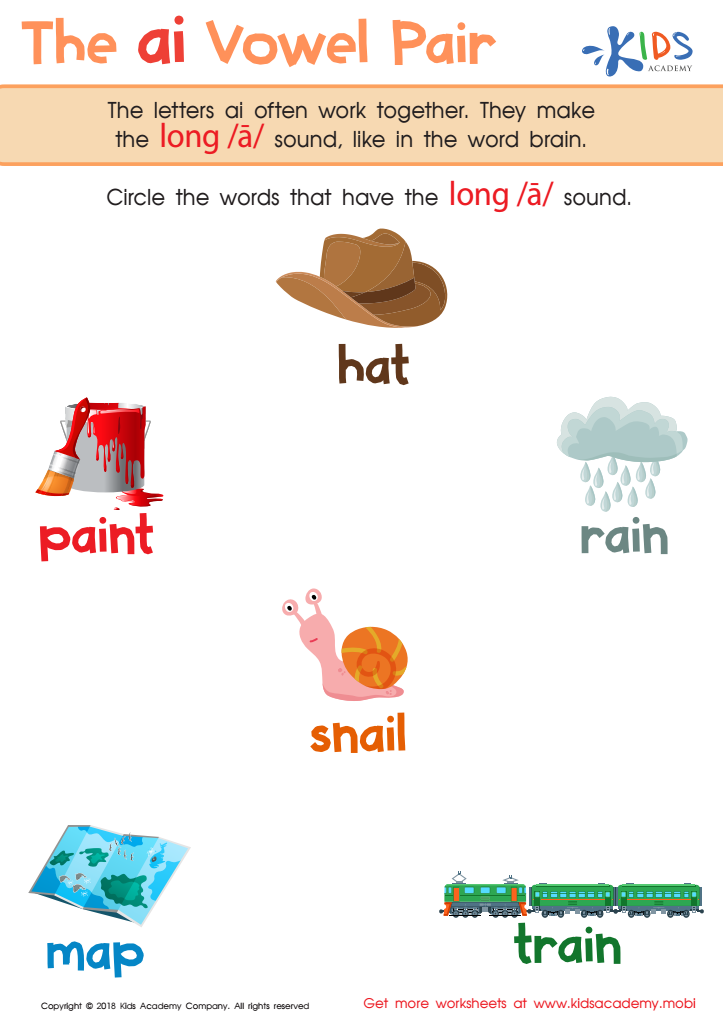
The AI Vowel Pair Worksheet

Letter E Tracing Worksheet
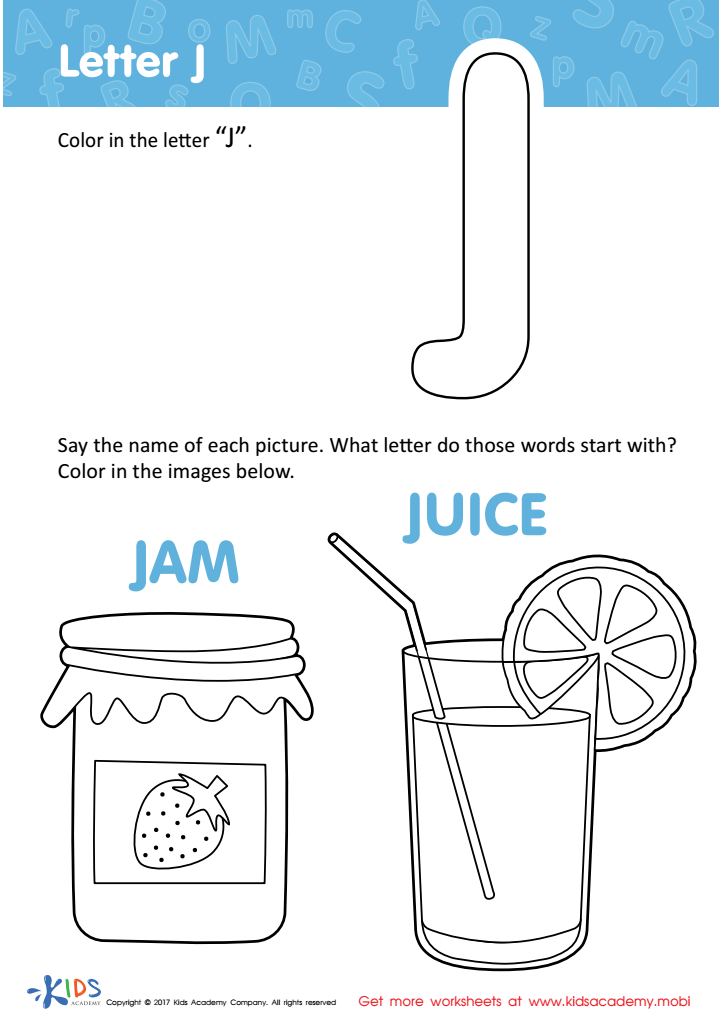
Letter J Coloring Sheet
 Assign to My Students








Sound-letter association is a crucial foundational skill for readers aged 4-6. Understanding this concept allows children to connect phonemes (sounds) with their corresponding graphemes (letters or groups of letters), facilitating early literacy development. Parents and teachers should prioritize sound-letter associations because they form the basis for decoding skills, which are vital for reading proficiency.
When children learn to recognize and manipulate sounds in words, they become better equipped to sound out unfamiliar words. This skill not only boosts their reading abilities but also enhances their confidence in literacy tasks. Additionally, sound-letter association encourages vocabulary expansion and spelling accuracy, essential components of linguistic development.
In a time when early reading skills are pivotal for academic success, fostering sound-letter associations can help reduce frustrations children may face while learning to read. Engaging in playful activities like rhyming games, letter sound songs, and interactive phonics games can make this learning enjoyable and effective.
Moreover, proficiency in sound-letter association can pave the way for later academic achievements across subjects. By nurturing these skills at an early age, parents and teachers set the stage for lifelong learning and effective communication, ultimately supporting children's cognitive growth and self-esteem.








