Understanding Math Concepts Worksheets for Ages 4-6
3 filtered results
-
From - To
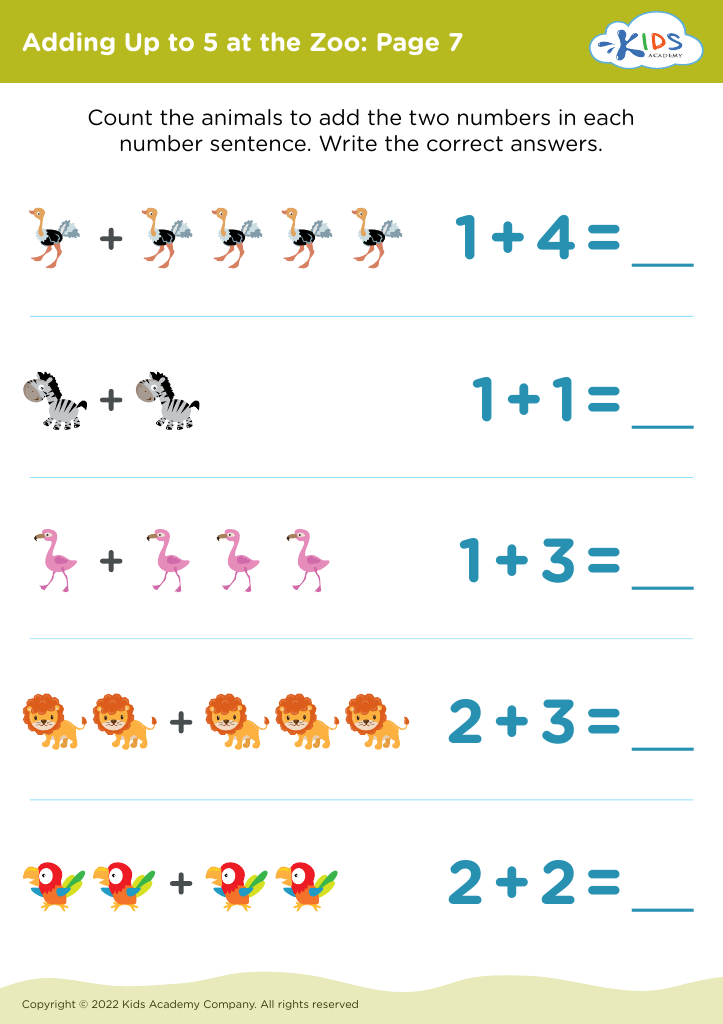
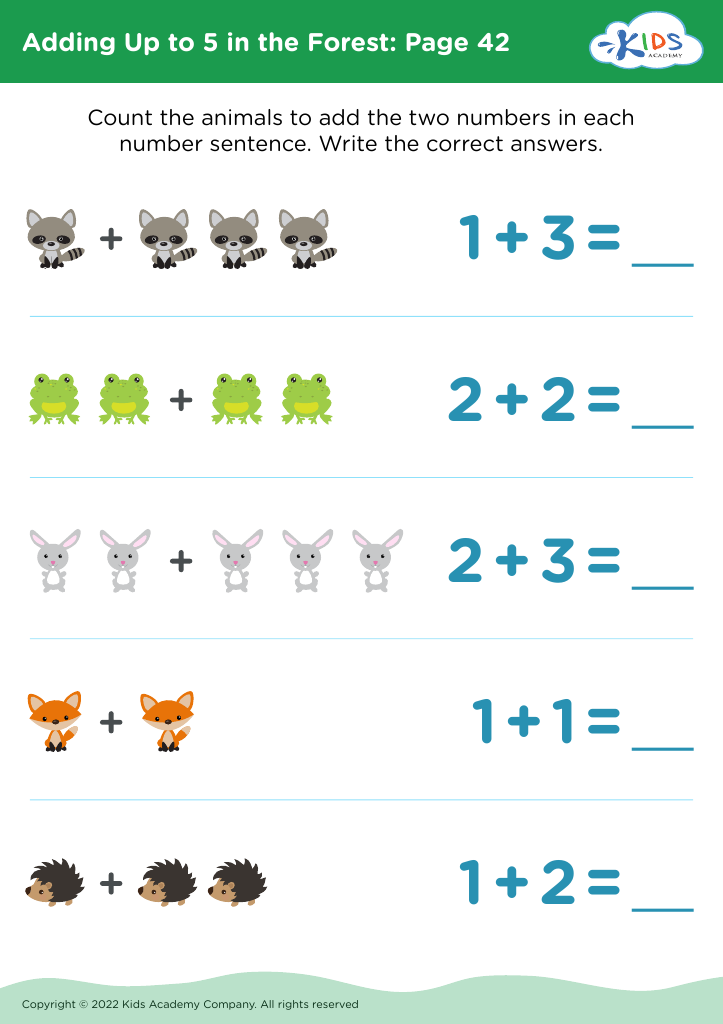
Discover our "Understanding Math Concepts Worksheets" designed specifically for children aged 4-6. These engaging resources help young learners grasp foundational math skills through fun activities tailored to their developmental stage. Your child will explore essential concepts like numbers, counting, shapes, and patterns in a playful way, fostering both understanding and confidence. Our worksheets are not only educational but also encourage creativity and critical thinking. With colorful illustrations and age-appropriate challenges, these worksheets make learning math enjoyable and interactive. Give your child the tools to succeed in early math and lay the groundwork for their future education with our thoughtfully crafted materials!
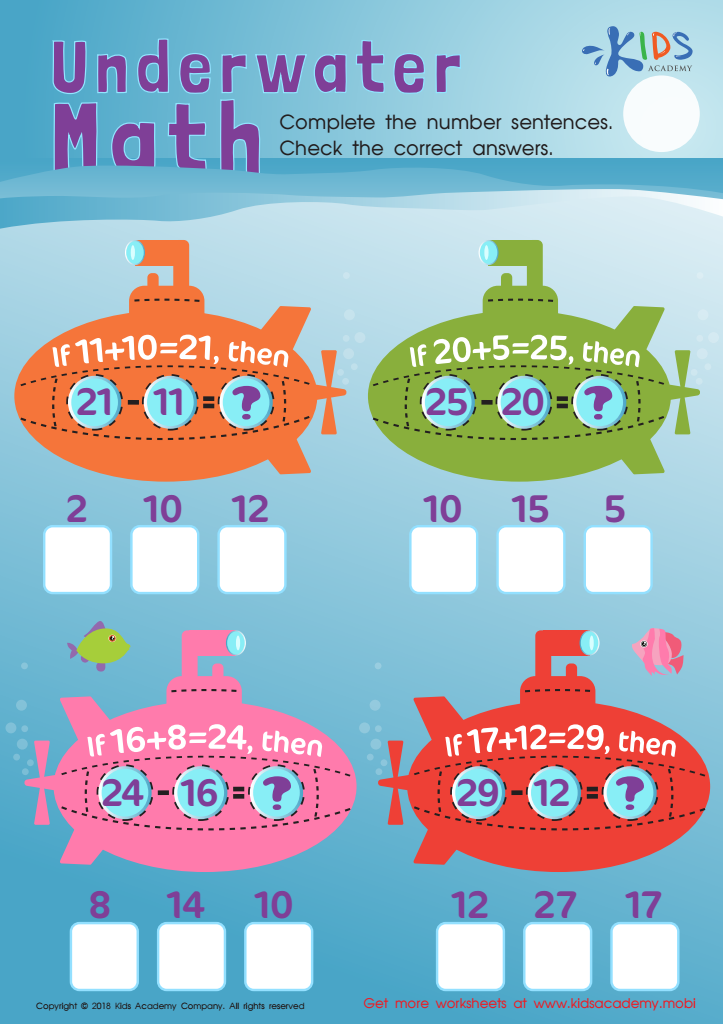
Addition and Subtraction: Underwater Math Worksheet
 Assign to My Students








Understanding math concepts for ages 4-6 is vital for young learners as it lays the foundation for their future mathematical comprehension and critical thinking skills. During these formative years, children are naturally curious and develop cognitive abilities rapidly. Engaging with basic math concepts, such as counting, adding, and recognizing shapes, enriches their problem-solving skills and enhances their ability to think logically.
For parents and teachers, fostering a solid understanding of math at this stage helps children build confidence and positivity towards the subject. When children grasp fundamental concepts, they are less likely to develop math anxiety later in life. The patterns they recognize early on serve as building blocks for more complex mathematics in later grades.
Moreover, integrating math with everyday activities—like sorting toys or measuring ingredients—makes learning relevant and enjoyable for young children. By actively participating in this learning journey, parents can ensure that their children not only achieve academic success but also develop a lifelong appreciation for math. The ability to understand and manipulate numbers at a young age can greatly influence future academic performance, making it imperative for both parents and teachers to prioritize foundational math education.








