Discover our engaging "Understanding Multiplication Worksheets for Ages 4-6," designed to introduce young learners to the fundamentals of multiplication in a fun and interactive way. Our worksheets incorporate colorful visuals and adaptable activities that make learning enjoyable, ensuring that kids grasp essential mathematical concepts early on. Perfect for preschool and kindergarten classrooms or at-home learning, these worksheets cater to various learning styles and promote critical thinking skills. By fostering a solid foundation in multiplication, children will develop confidence in their math abilities, setting them up for future academic success. Explore our resources today to enhance your child's learning journey!

Check out this FREE "Understanding multiplication" Trial Lesson for age 4-6!

Draw and Write an Equation to Match (3 numbers)

Favorites
With answer key
Interactive
  • 4-6
  • Understanding multiplication
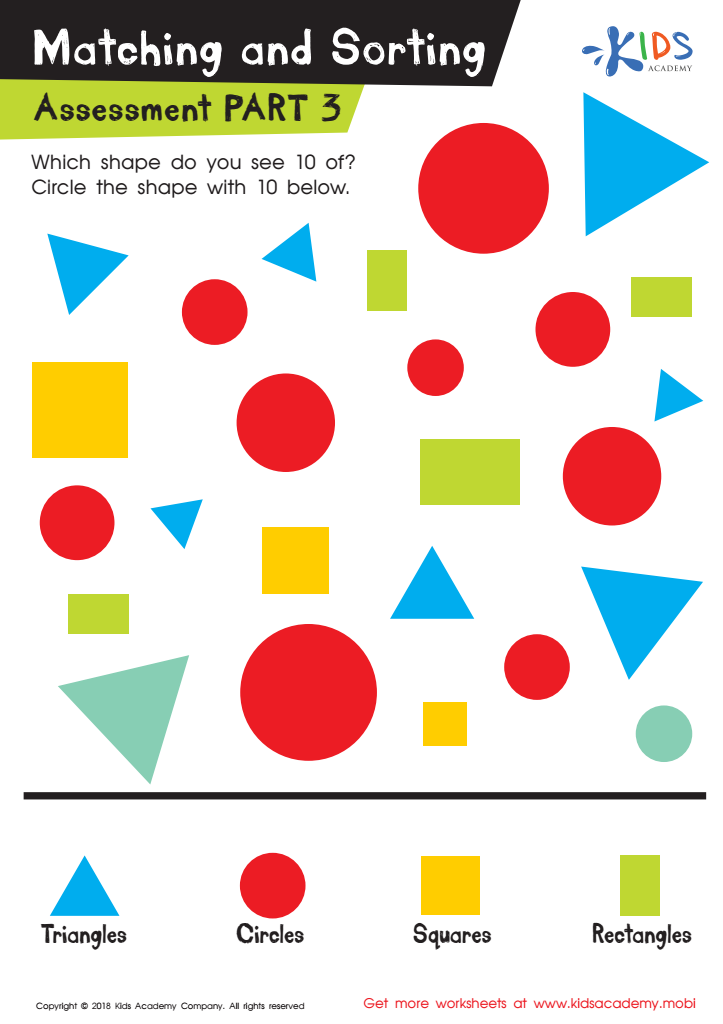
Matching and Sorting  for Kindergarten: Assessment 3 Worksheet

Matching and Sorting for Kindergarten: Assessment 3 Worksheet

Assess your child's basic geometry skills and properties with a colorful worksheet! Utilize visual discrimination and number sense to identify groups of ten and sort objects by bold colors. Challenge them to differentiate shapes and sizes.
Matching and Sorting for Kindergarten: Assessment 3 Worksheet
Worksheet
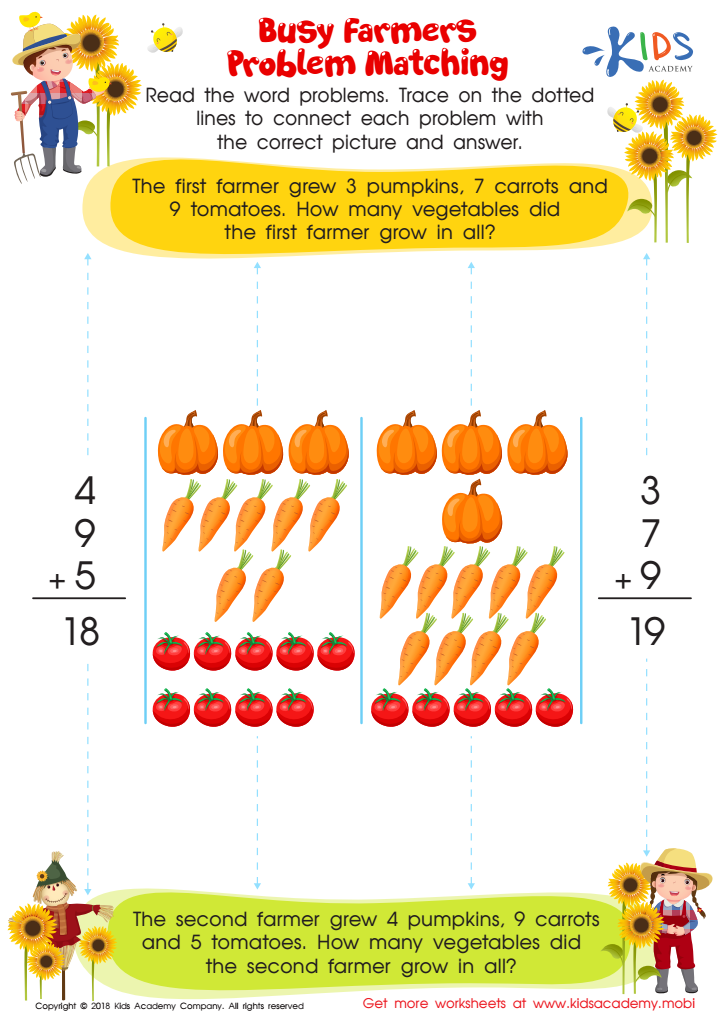
Busy Farmers: Problem Matching Worksheet

Busy Farmers: Problem Matching Worksheet

Farming is tough, so help your mathematician out with this fun and stimulating worksheet! They'll read word problems and connect each to its correct picture, using traceable lines. They'll practice addition with three addends, and use the harvest veg pictures to ensure accuracy.
Busy Farmers: Problem Matching Worksheet
Worksheet
Counting: Assessment 2 Worksheet

Counting: Assessment 2 Worksheet

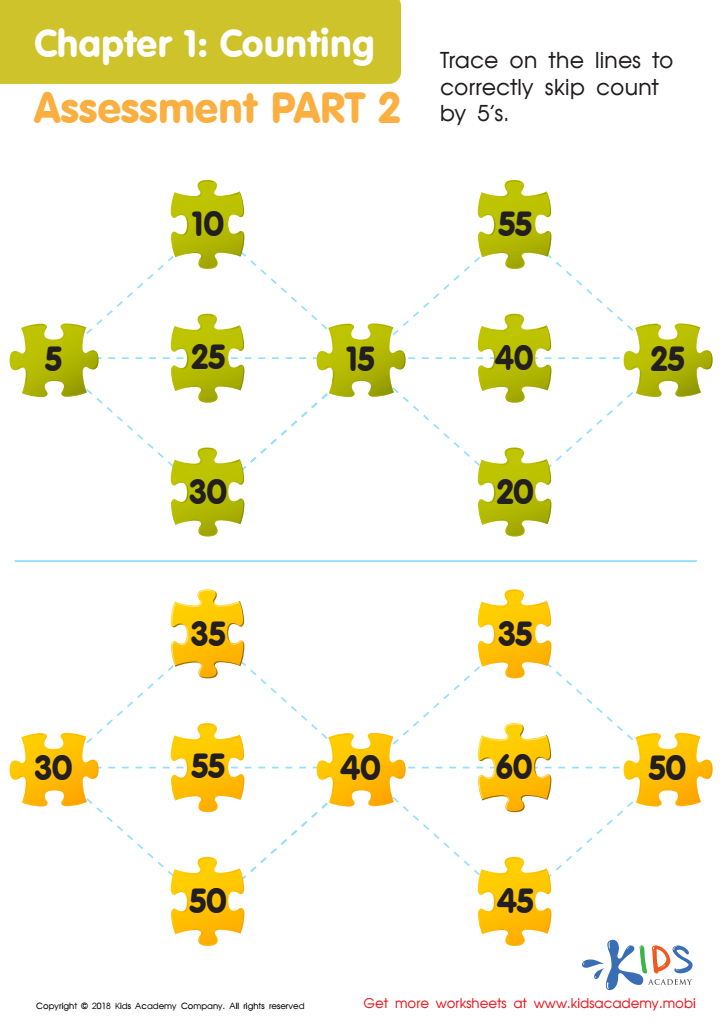
By now, your child should be able to count up to the hundreds. If they're still learning the tens, that's okay - as long as they're going at their own pace. This worksheet will be easy if they can count to ten. Ask them to trace the lines and skip count by 5's.
Counting: Assessment 2 Worksheet
Worksheet
Shapes: Assessment 2 Worksheet

Shapes: Assessment 2 Worksheet

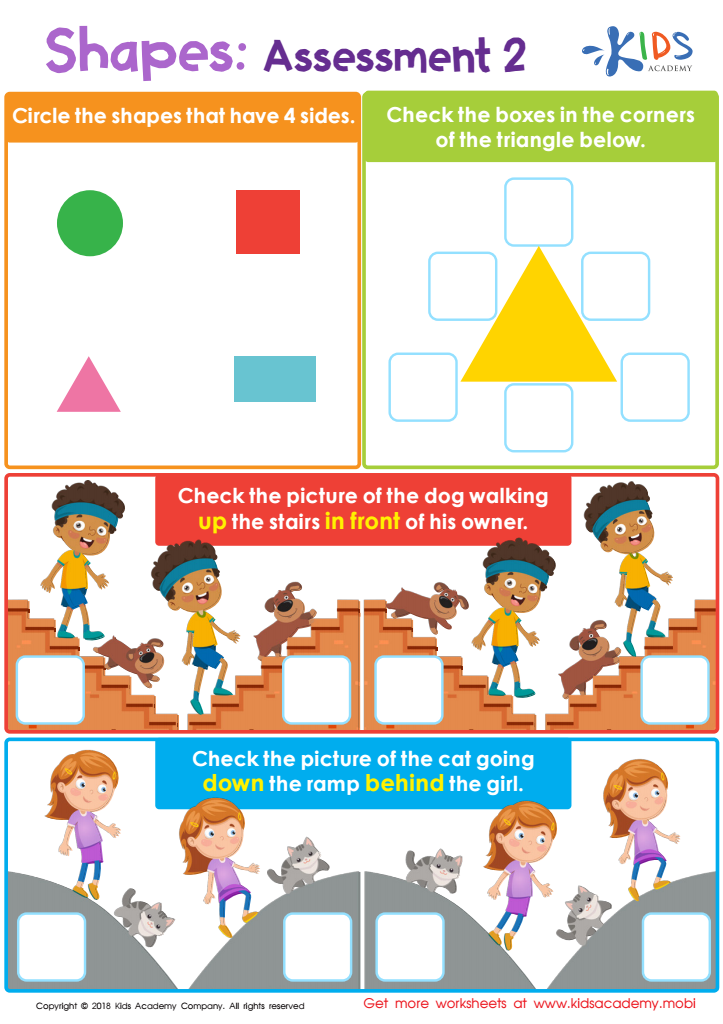
This geometry worksheet assesses a student's knowledge of shapes and positional words. They must identify shapes with 4 sides and corners on a triangle. The worksheet also tests understanding of words like "up", "front", "down" and "behind". Easily determine what your student knows about these concepts with this downloadable worksheet!
Shapes: Assessment 2 Worksheet
Worksheet
Enrichment: Firefighter Ladders Worksheet

Enrichment: Firefighter Ladders Worksheet

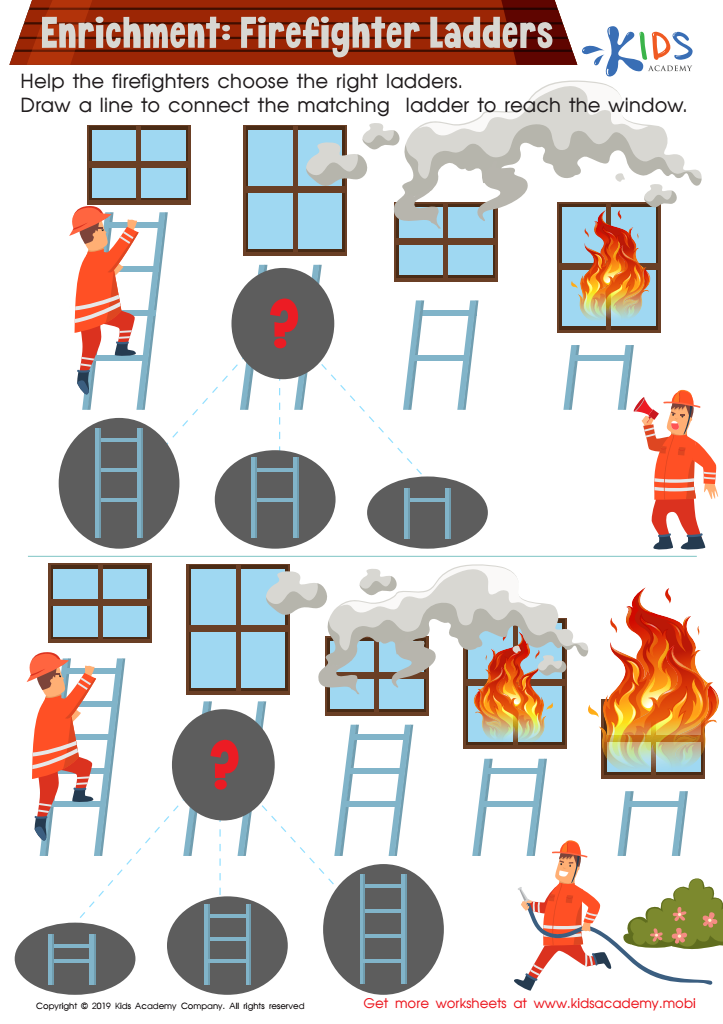
Firefighters are vital to their communities. If your kids want to become firefighters, they'll love this worksheet. Ask them to spot the firemen in the picture. Then, help the firemen pick the right ladders to reach the windows. Draw lines to connect the ladders that match. It's a great learning activity!
Enrichment: Firefighter Ladders Worksheet
Worksheet
Rhyming Words PDF Worksheets, Pea

Pea Rhyming Words Worksheet

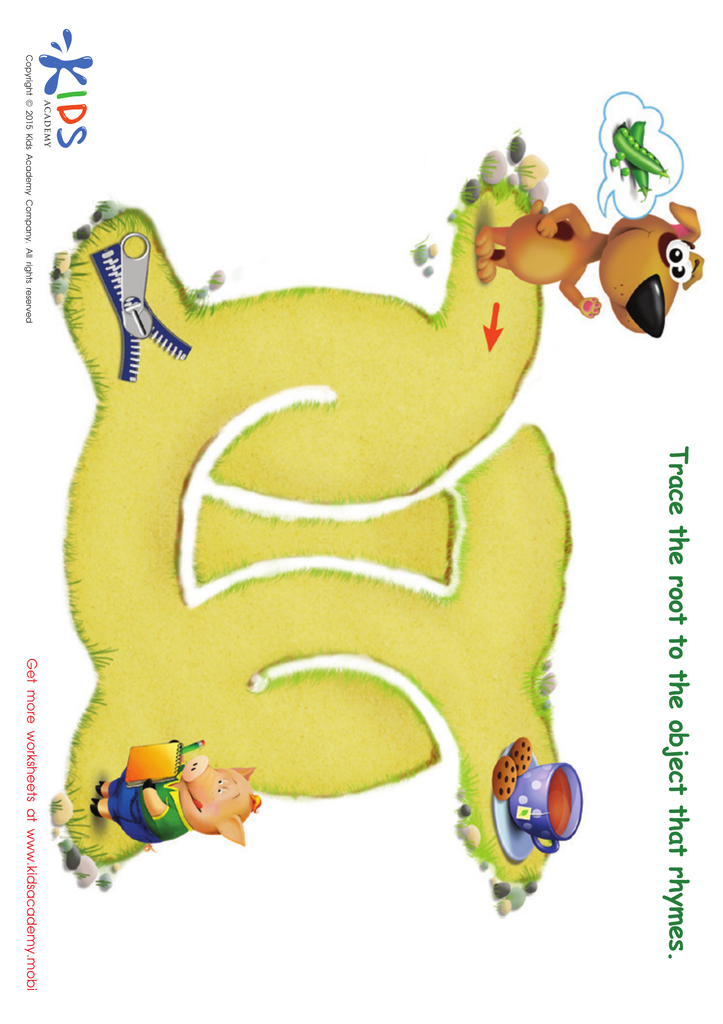
Check out our free printable worksheet that helps kids learn new words through rhyming. Your child needs to trace the root between the rhyming words and remember them better. Enjoy learning!
Pea Rhyming Words Worksheet
Worksheet
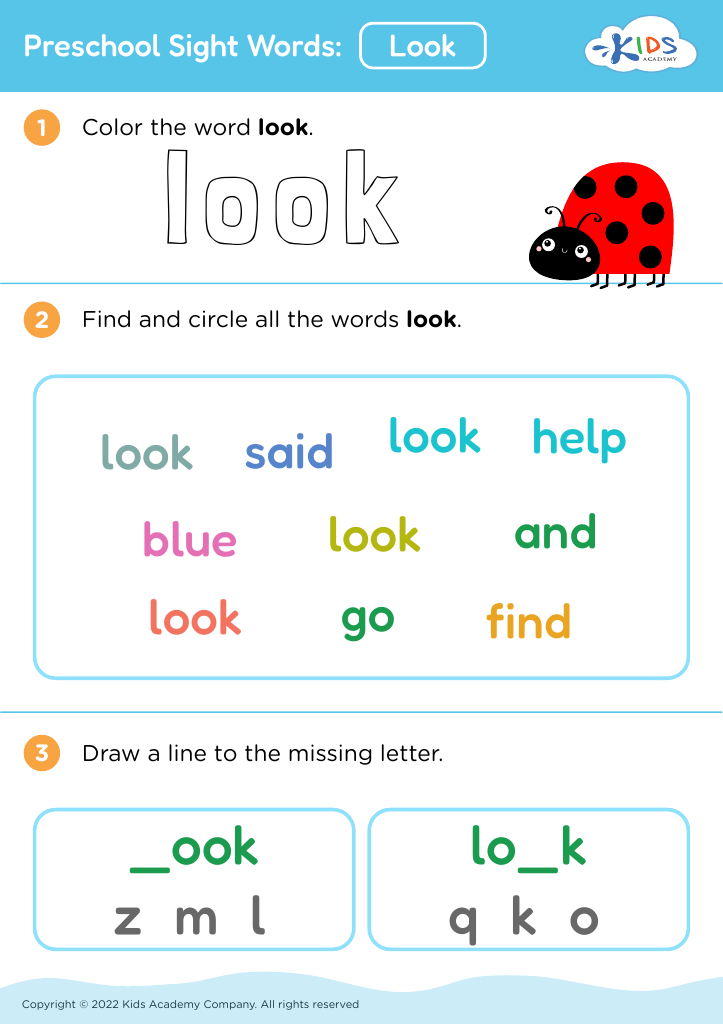
Preschool Sight Words: Look

Preschool Sight Words: Look

Preschool Sight Words: Look
Worksheet


Understanding multiplication for children ages 4-6 is crucial for their early math development and overall learning trajectory. At this age, kids are laying the foundation for more complex mathematical concepts. Grasping multiplication can enhance their number sense, helping them recognize patterns and develop an understanding of grouping — crucial skills for later mathematical success.

Early introduction to multiplication concepts, such as doubles and equal groups, supports cognitive development, improving critical thinking and problem-solving skills. This foundational knowledge also boosts confidence in math, making students more willing to tackle challenging subjects as they progress in their education.

Parents and teachers should recognize that the approach need not be formal; using play-based strategies such as grouping objects or incorporating songs can make the learning process engaging and age-appropriate. Additionally, fostering a positive attitude toward math during these formative years can diminish math anxiety later on.

In essence, early multiplication understanding forms a bedrock upon which children can build their math skills, preparing them for success in school and beyond, influencing their academic mindset for years to come. By cultivating these skills, parents and teachers can significantly impact a child’s educational journey and a love for learning.