
Understanding number values Worksheets for Ages 4-6
4 filtered results
Difficulty Level
Grade
Age
-
From - To
Subject
Activity
Standards
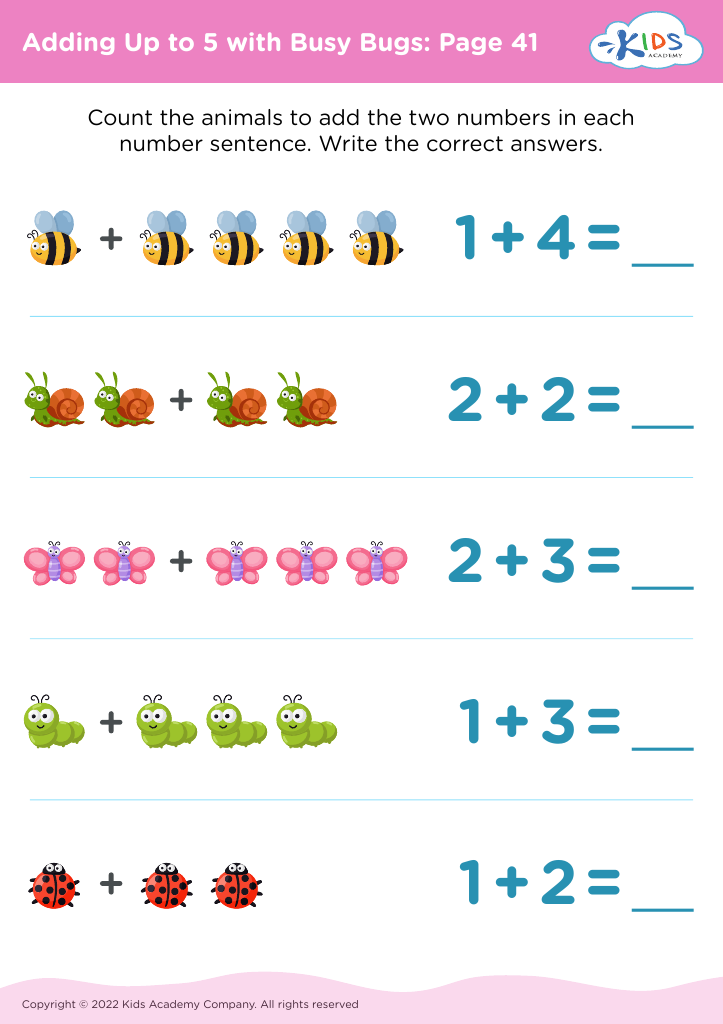
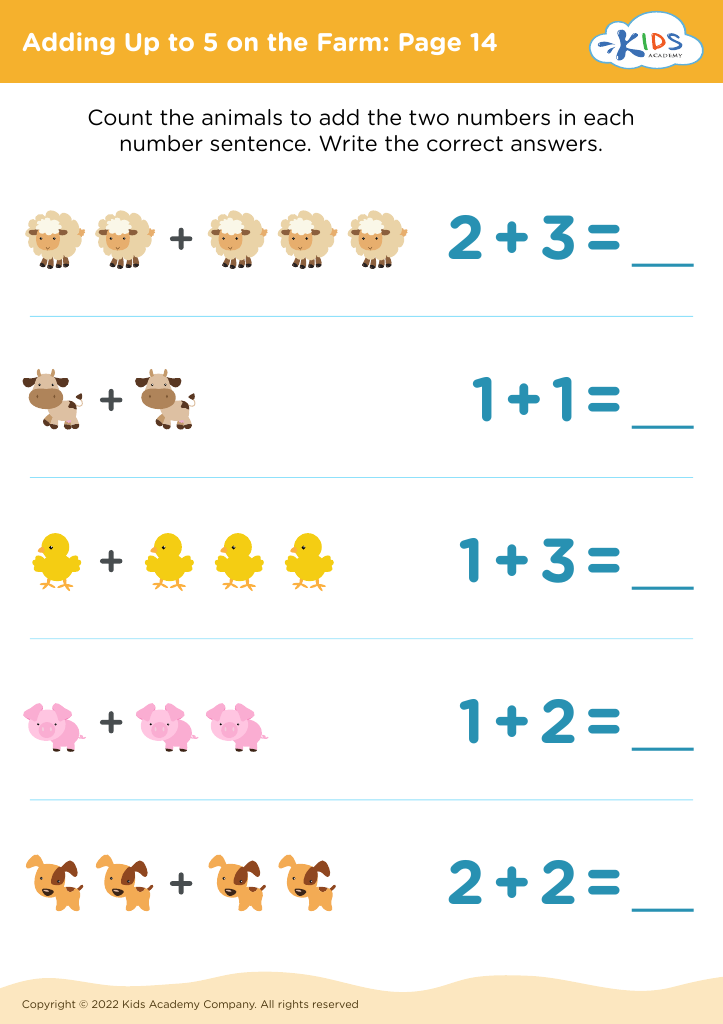
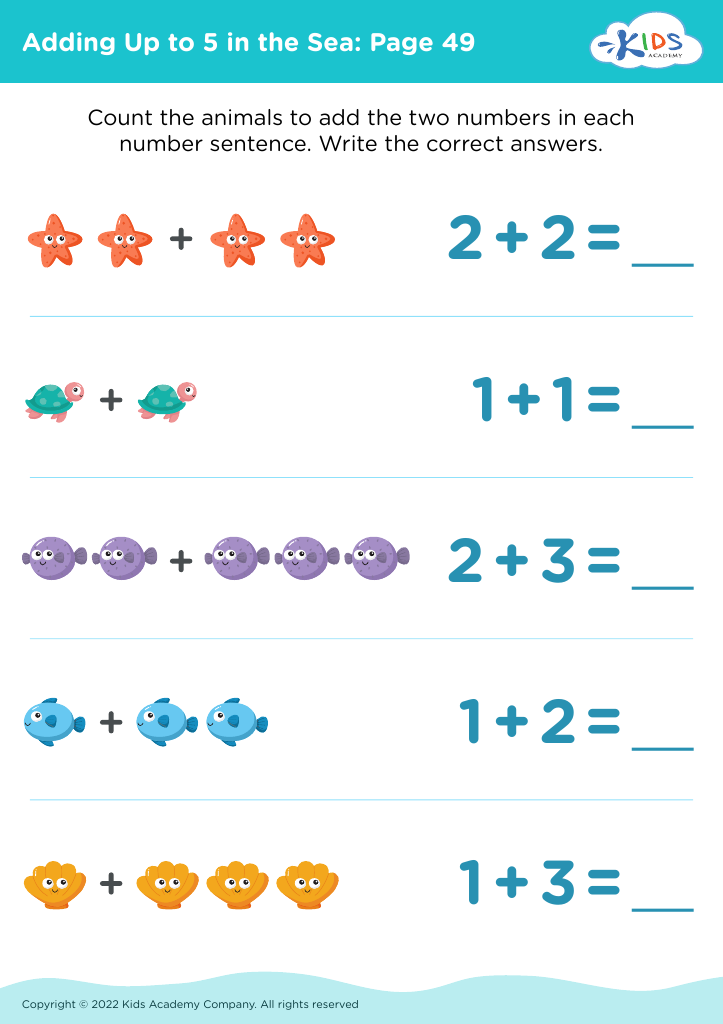
Discover the magical world of numbers with our "Understanding Number Values Worksheets" designed for children aged 4-6! These engaging worksheets are perfect for young learners to explore essential math concepts through fun activities. Tailored to foster number recognition and value comprehension, they encourage children to match numbers with quantities, identify greater and lesser numbers, and practice counting. Each worksheet combines colorful visuals and interactive exercises, making learning enjoyable and motivational. Ideal for homeschool settings or in-class use, our resources support early number skills development, setting a strong foundation for your child's educational journey. Start their adventure with numbers today!
Favorites
With answer key
Interactive
Join Kids Academy for Free
Who is primarily going to use this learning content?








Understanding number values is crucial for children aged 4-6 as it lays the foundation for their future mathematical learning and cognitive development. At this stage, children are naturally curious and absorb information rapidly, making it the perfect time to introduce them to basic number concepts. Grasping the meaning of numbers fosters critical thinking and problem-solving skills, enabling children to make connections between quantity and numerical representation.
Teaching number values can also enhance children's confidence as they begin to engage with math. When parents and teachers emphasize counting, recognizing numbers, and understanding the relationships between them, children develop a sense of competency. This early mastery is essential, as a positive attitude towards math influences how children approach the subject throughout their educational journey.
Moreover, a solid understanding of number values supports literacy development, as mathematical concepts often integrate with language skills. It encourages patterns, sequences, and logical reasoning, all of which are essential in everyday life.
By actively nurturing these foundational skills, parents and teachers can ensure that children build a strong mathematical base, equipping them for future academic challenges and inspiring a lifelong love for learning.








