Understanding numbers Worksheets for Ages 4-6
4 filtered results
-
From - To
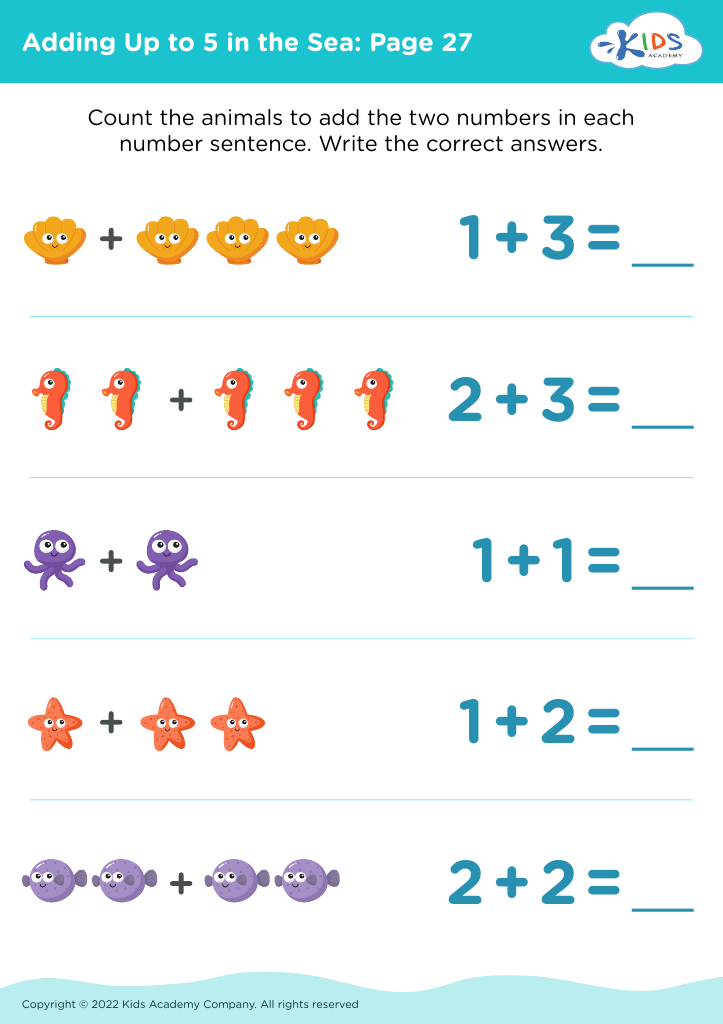
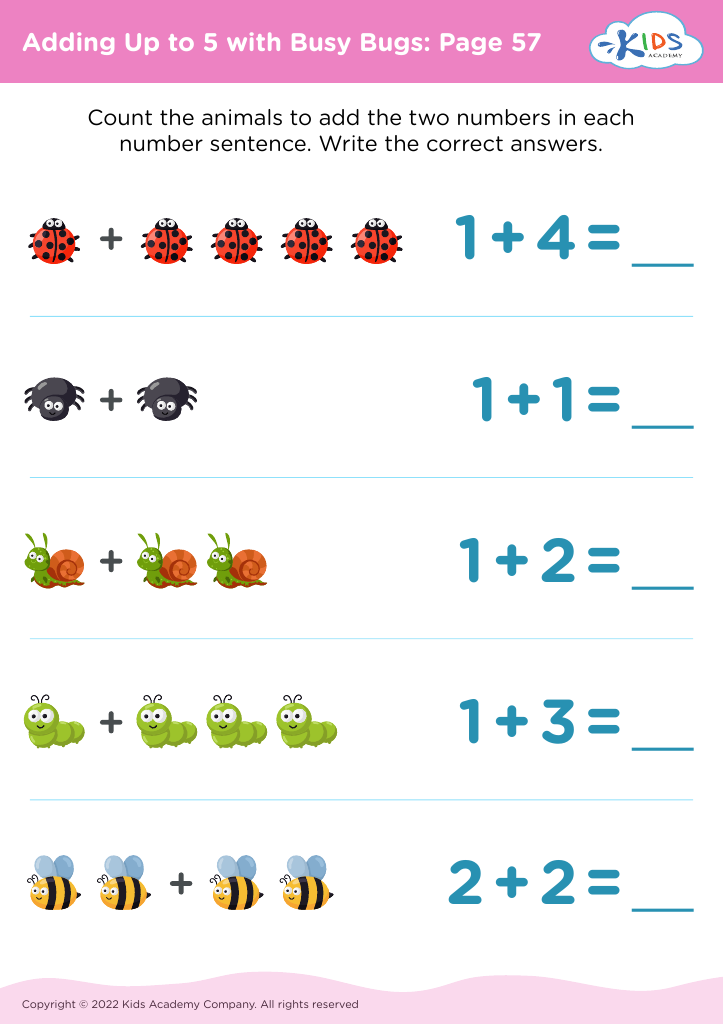
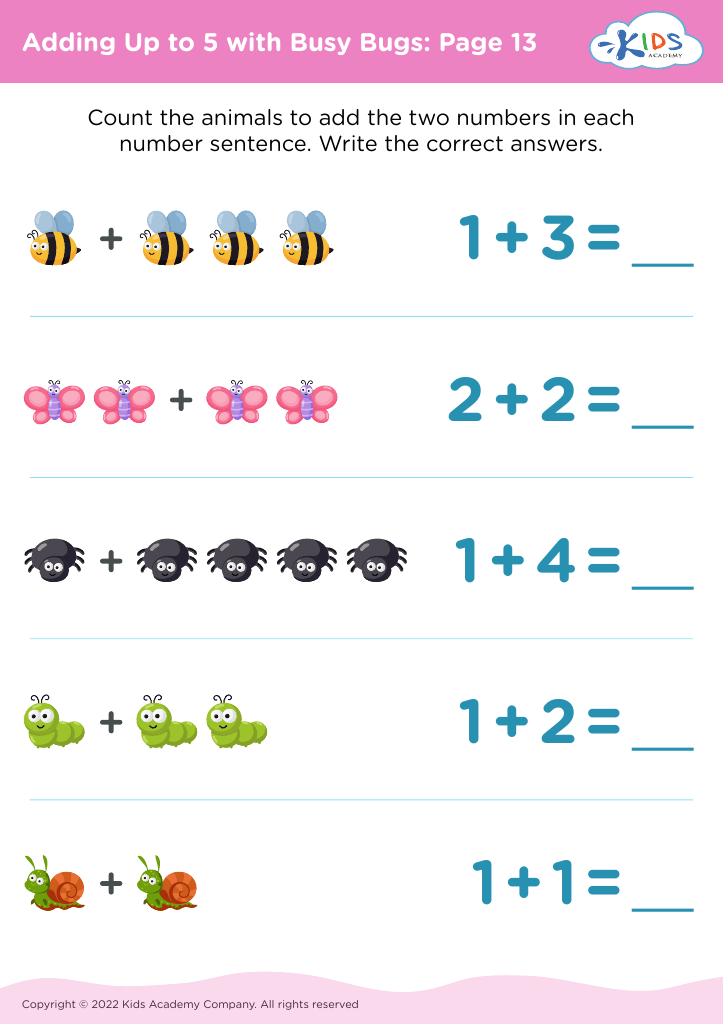
Explore our "Understanding Numbers Worksheets for Ages 4-6," designed to inspire young learners as they discover the world of numbers! These engaging and interactive worksheets aim to develop essential counting and number recognition skills through fun activities and colorful illustrations. Children will enjoy exercises that promote number comparison, simple addition, and visual counting, laying the foundation for future math success. Our worksheets cater to various learning styles, ensuring personalized learning experiences. Perfect for homeschooling or classroom use, they encourage kids to learn at their own pace. Download now and watch your child thrive in their number comprehension journey!
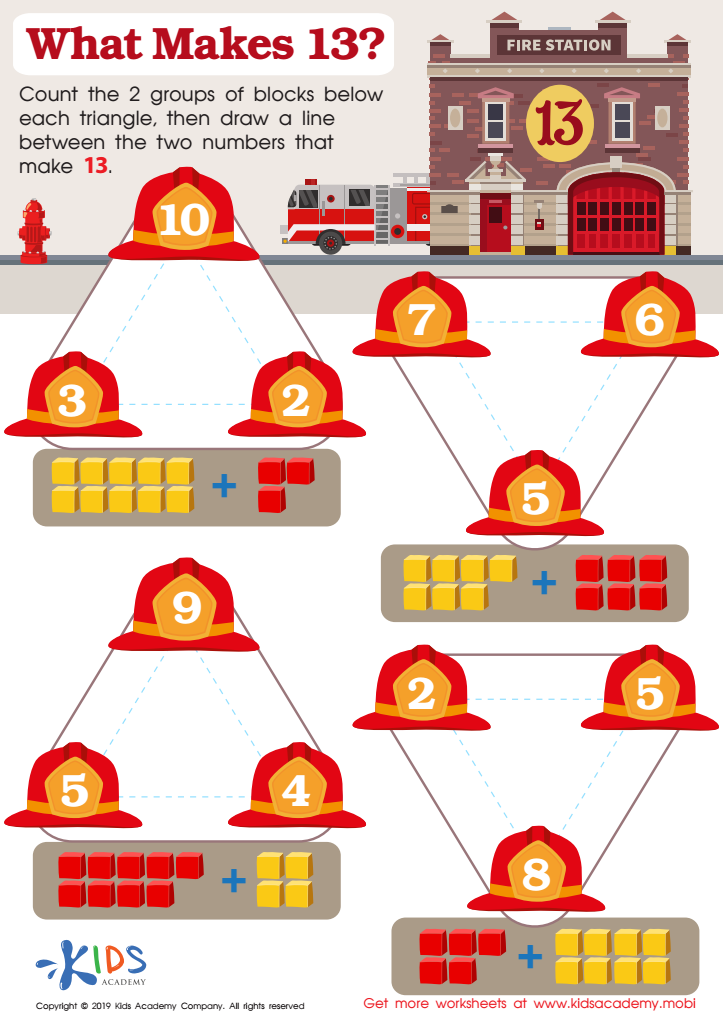
What Makes 13 Worksheet
 Assign to My Students



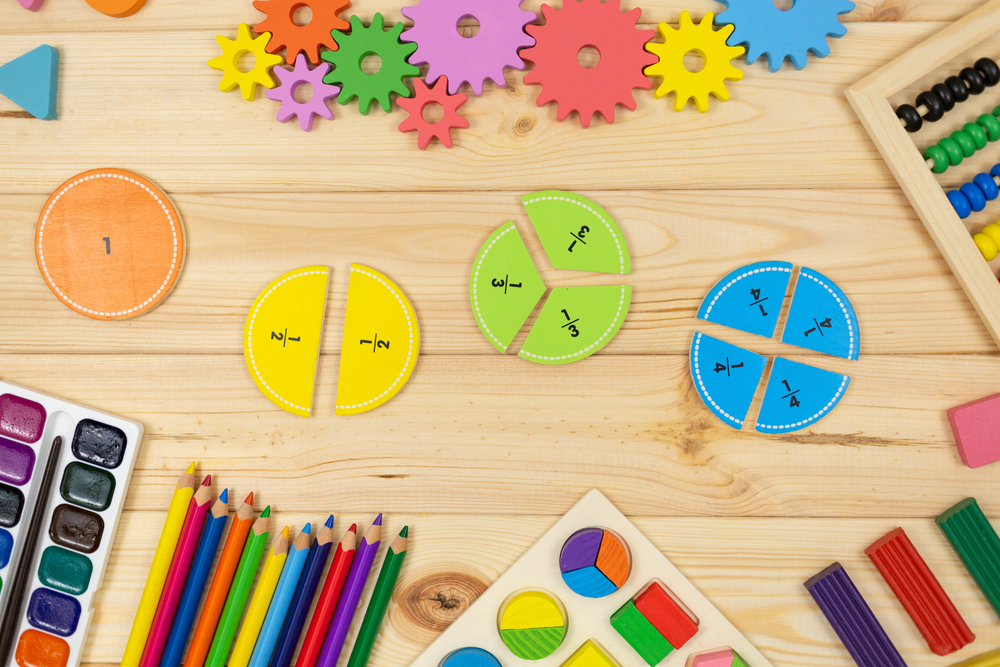



Understanding numbers is fundamental for children aged 4-6 as it lays the groundwork for all future mathematical concepts. At this developmental stage, children are naturally curious and mentally equipped to grasp basic numerical concepts. By fostering their understanding of numbers, parents and teachers nurture essential skills such as counting, recognizing numerals, and understanding simple addition and subtraction.
Developing a strong numeracy foundation increases a child's confidence and competence in math as they progress through education. Engaging with numbers promotes cognitive development, problem-solving abilities, and critical thinking. When children comprehend numerical concepts early on, they're better prepared for more complex mathematical operations in later grades.
Additionally, a solid foundation in understanding numbers correlates with success in academic settings, providing children with the tools to approach tasks logically and efficiently. Parents and teachers play a vital role in this journey by creating fun, interactive learning experiences that involve numbers, from counting games to by incorporating numbers into daily routines.
Ultimately, investing time in nurturing numerical understanding at this early stage contributes to a child's overall academic achievement, self-esteem, and lifelong love for learning. It sets them on a positive trajectory for their future education and helps them navigate a world that increasingly relies on mathematical literacy.








