Understanding numeracy Worksheets for Ages 4-6
4 filtered results
-
From - To
Explore our engaging "Understanding Numeracy Worksheets" designed specifically for children ages 4-6. These worksheets foster foundational math skills through fun and interactive activities. Your little ones will enjoy practicing essential concepts such as counting, number recognition, addition, and shapes, all while enhancing their problem-solving abilities. Our carefully crafted worksheets align with early learning standards, making them perfect for home or classroom use. Parents and educators can easily access and print these resources to support young learners in developing their numeracy skills. Help your child build confidence in math and ignite their passion for learning with our dynamic worksheets today!
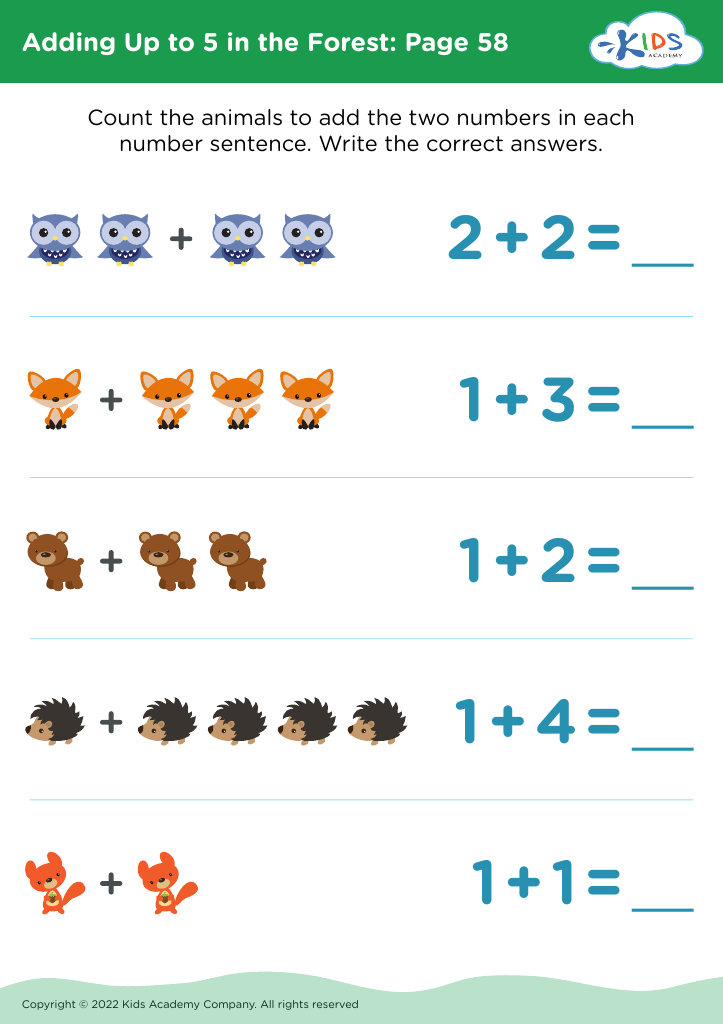
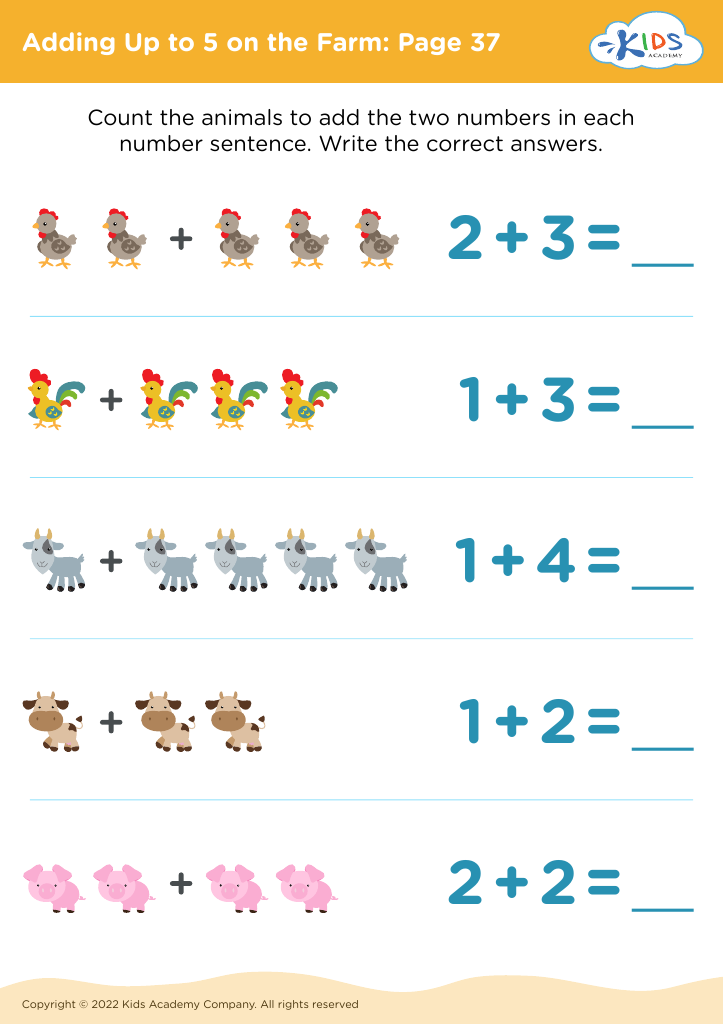
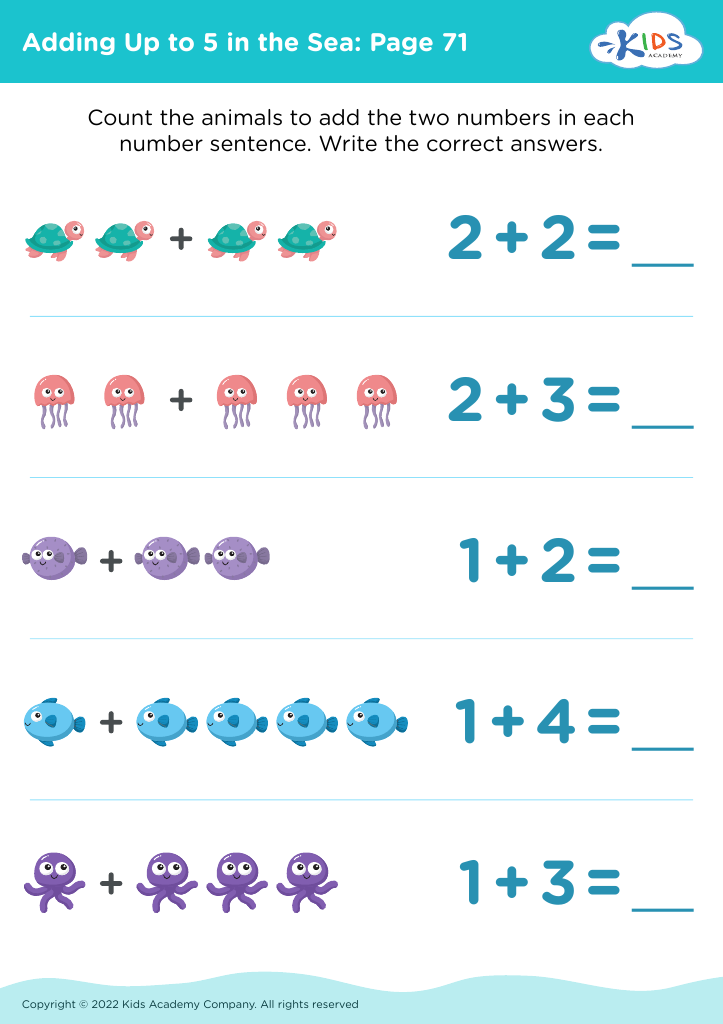
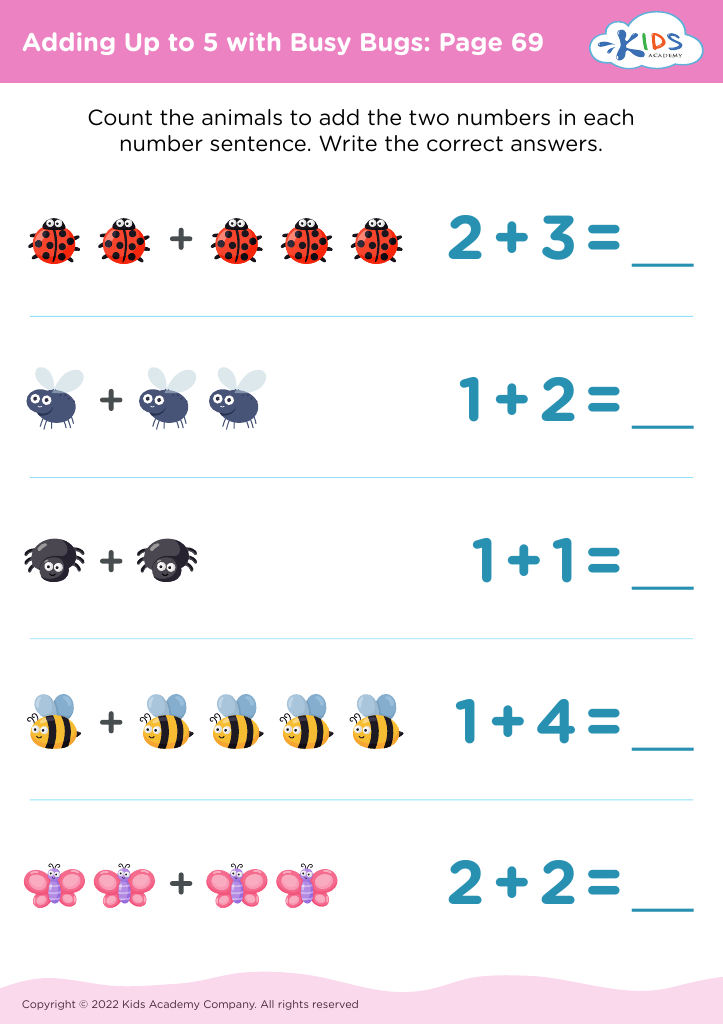








Understanding numeracy is crucial for children aged 4-6, as it forms the foundation for their future mathematical skills and overall cognitive development. During these formative years, young learners begin to grasp essential concepts such as counting, number recognition, patterns, and basic addition and subtraction. Early numeracy experiences not only foster mathematical understanding but also enhance critical thinking, problem-solving skills, and logical reasoning.
Parents and teachers play a pivotal role in nurturing this understanding by creating an engaging and supportive learning environment. By integrating numeracy into everyday activities, such as cooking, shopping, and playing games, adults can make learning fun and practical. This hands-on approach helps children connect numerical concepts to real-world situations, reinforcing their understanding.
Moreover, early numeracy lays the groundwork for later academic success. Research shows that children with a solid grasp of early math skills tend to perform better in advanced mathematics and other subjects in school. By prioritizing early numerical competence, parents and teachers can boost children’s confidence, reduce math anxiety, and cultivate a positive attitude toward learning. Ultimately, understanding numeracy equips young learners with the crucial tools they need to navigate their educational journeys and everyday life effectively.








