Understanding Quantities Worksheets for Ages 4-6
50 filtered results
-
From - To
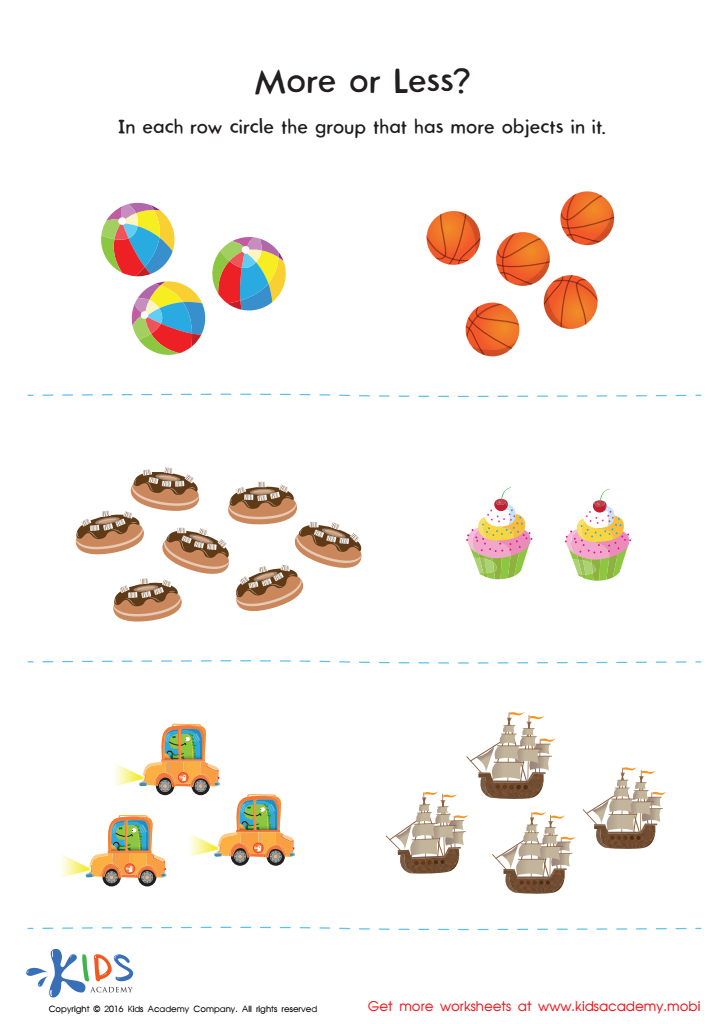
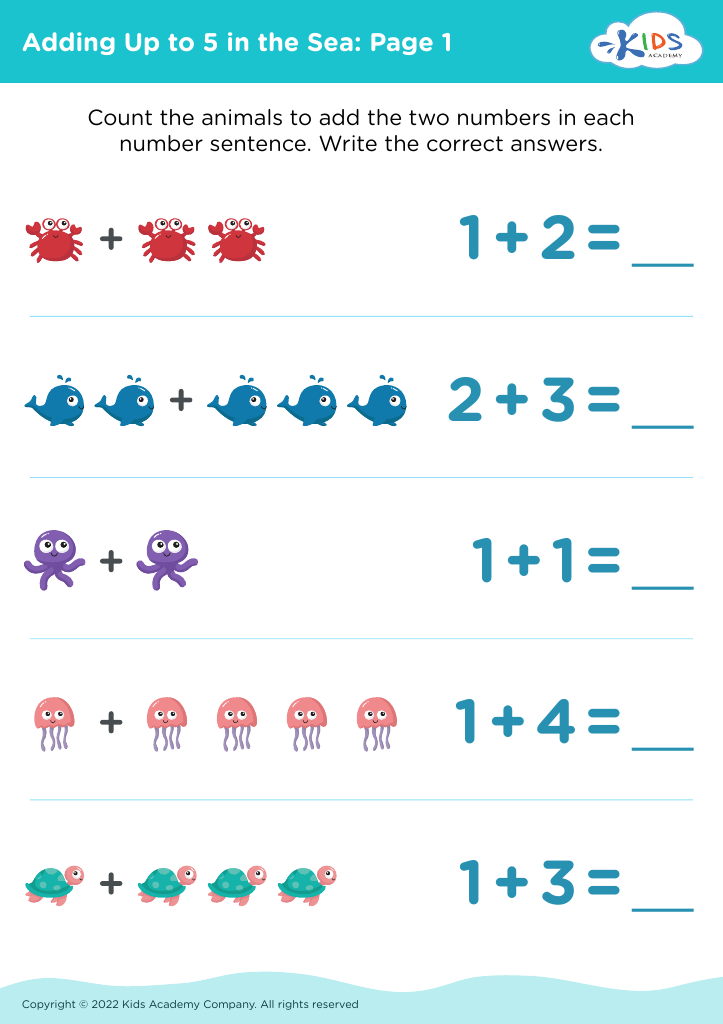
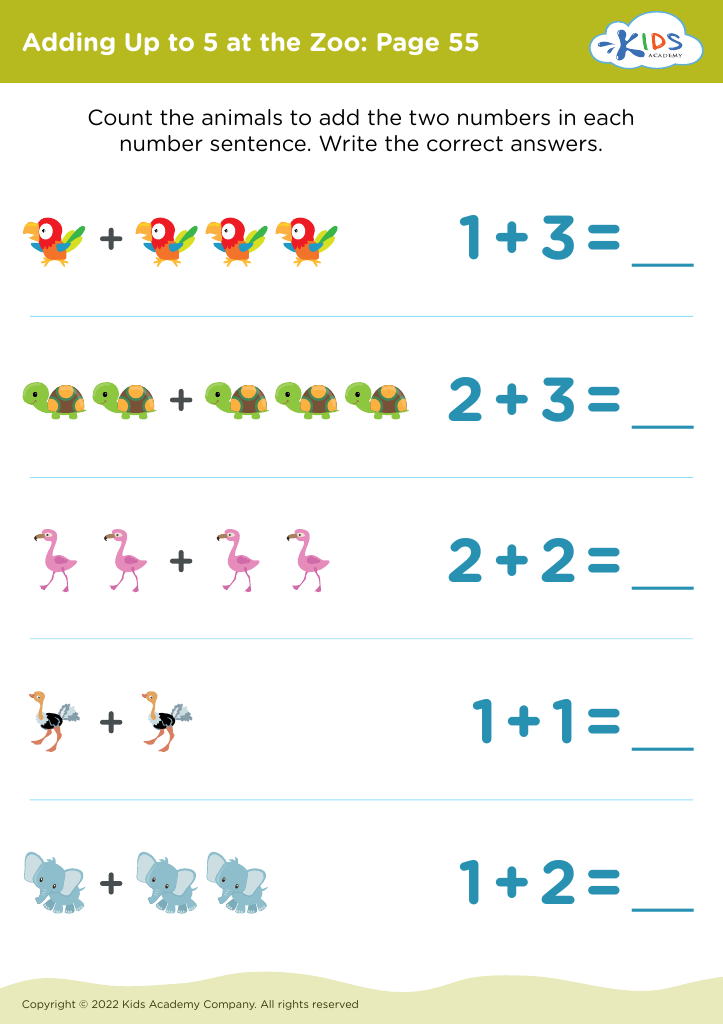
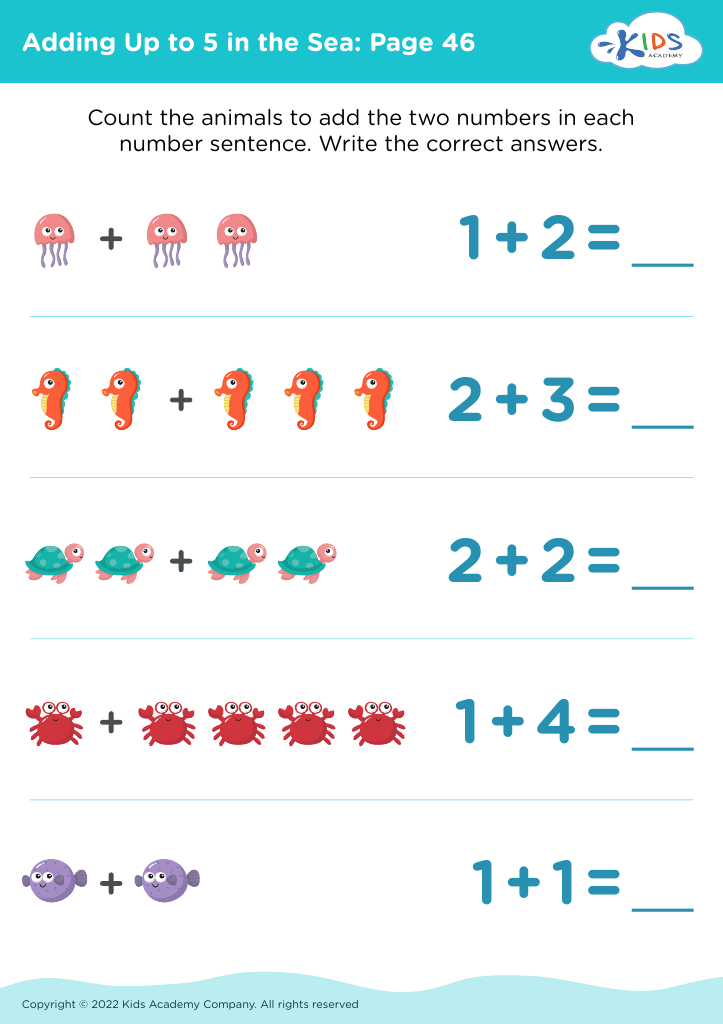
Help your child grasp the concept of quantities with our engaging worksheets designed for ages 4-6. These expertly crafted activities blend fun and learning to teach kids how to recognize, compare, and understand different amounts. Perfect for preschool and kindergarten children, our worksheets cover a range of essential early math skills, such as counting objects, understanding more and less, and basic numeracy. By visually and interactively presenting quantities, Kids Academy ensures a solid foundation in math essentials. Boost your child's confidence and numeracy abilities today with our comprehensive Understanding Quantities Worksheets!
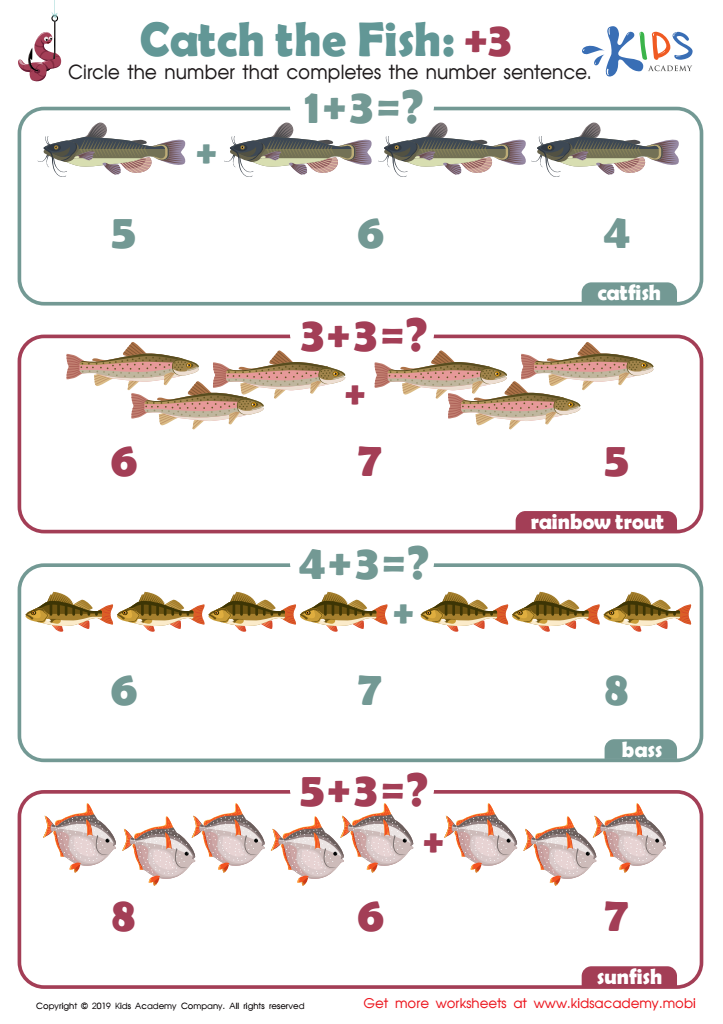
Catch the Fish: +3 Worksheet
 Assign to My Students
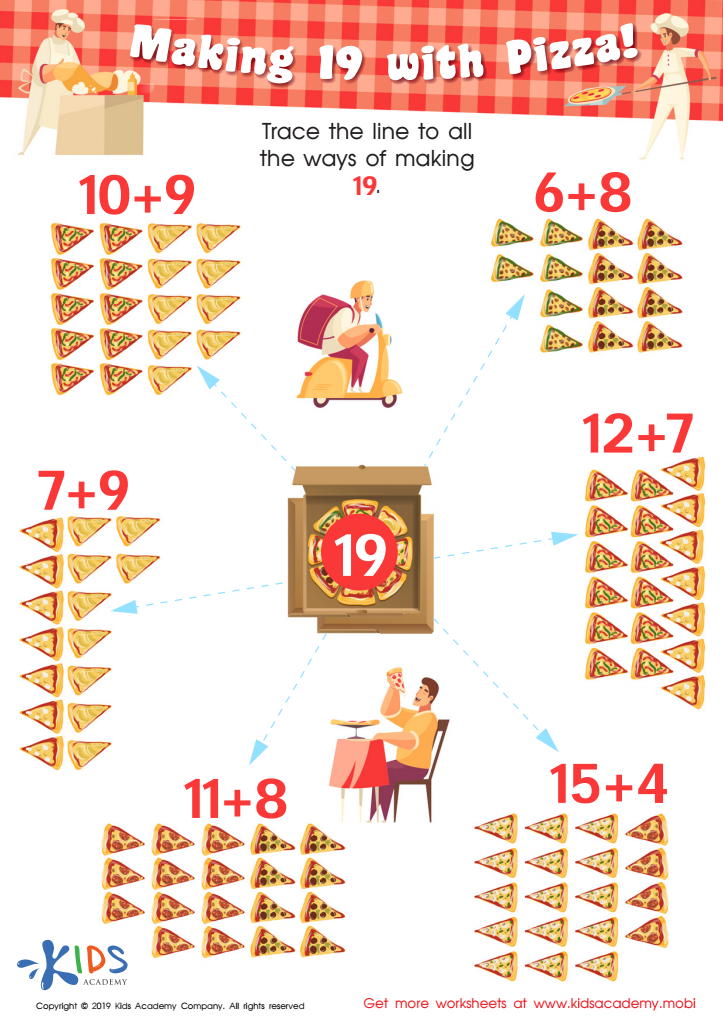
Making 19 with Pizza! Worksheet
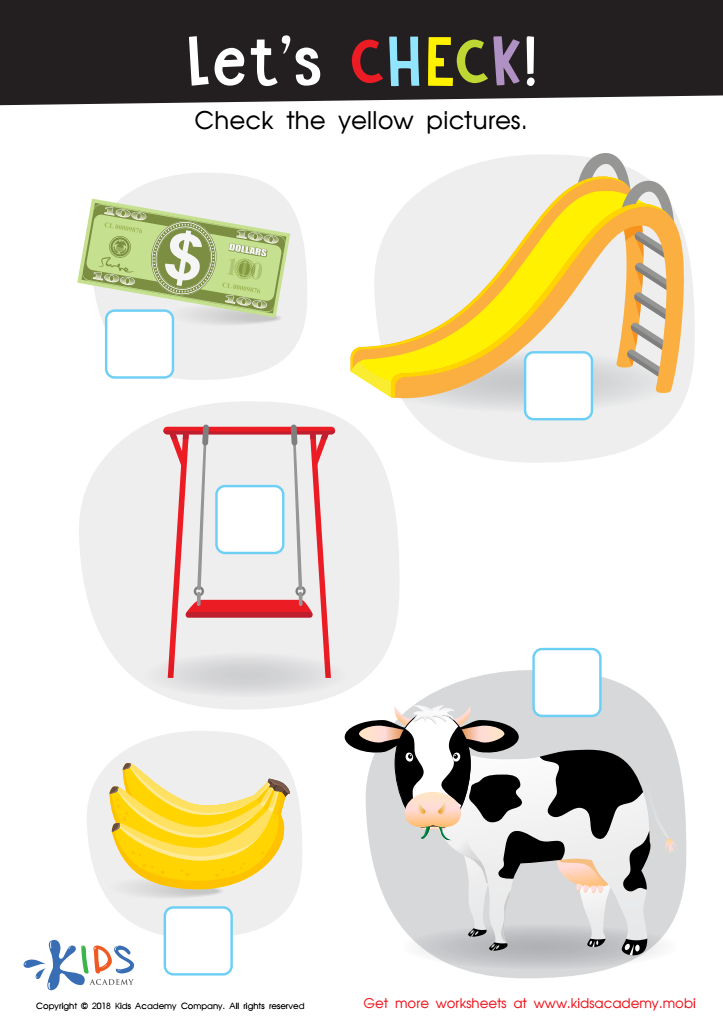
Let's Check! Worksheet
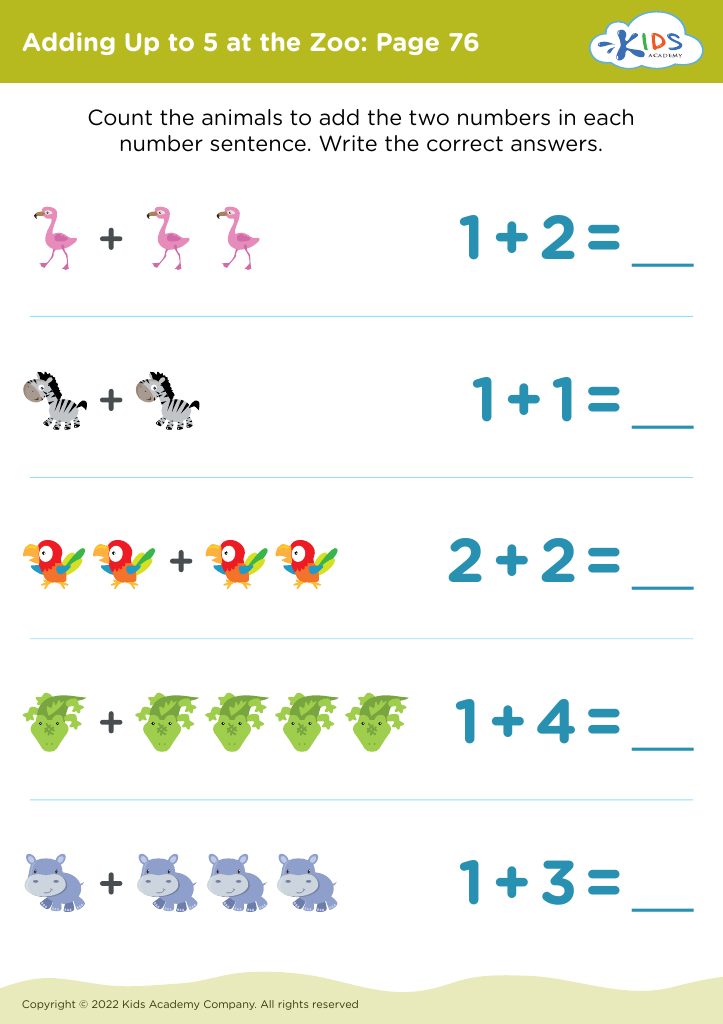
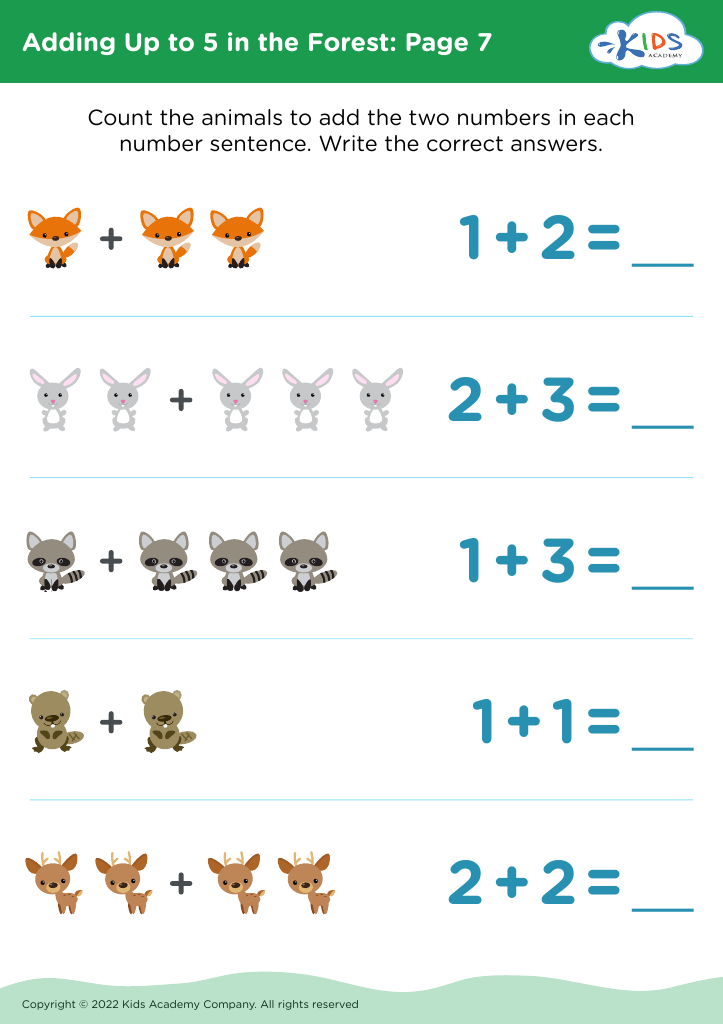
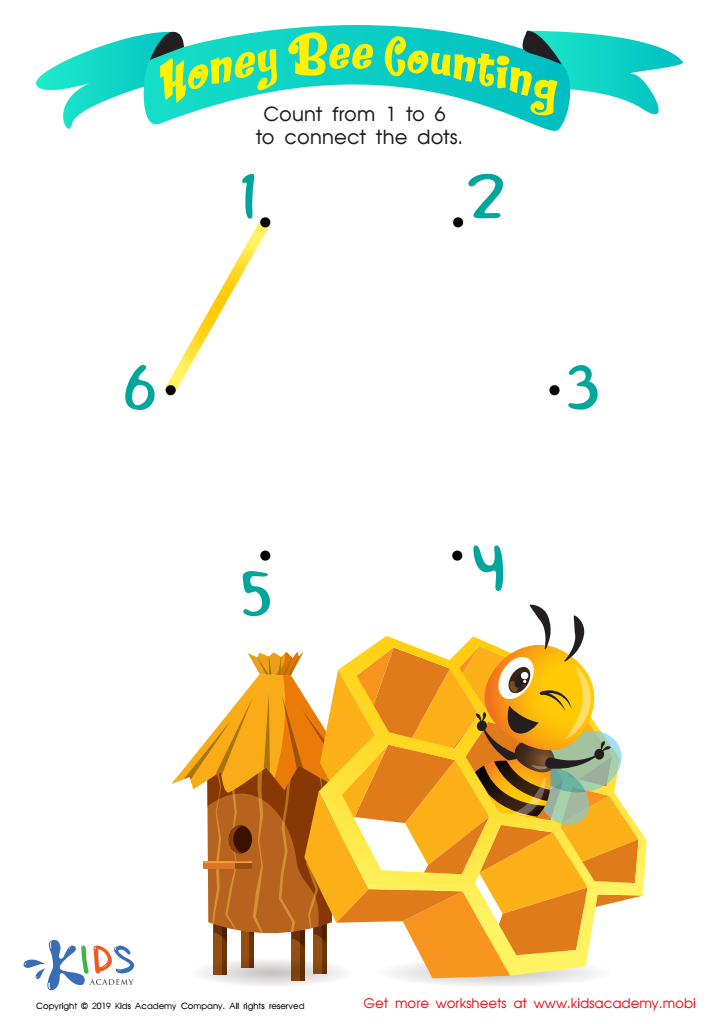
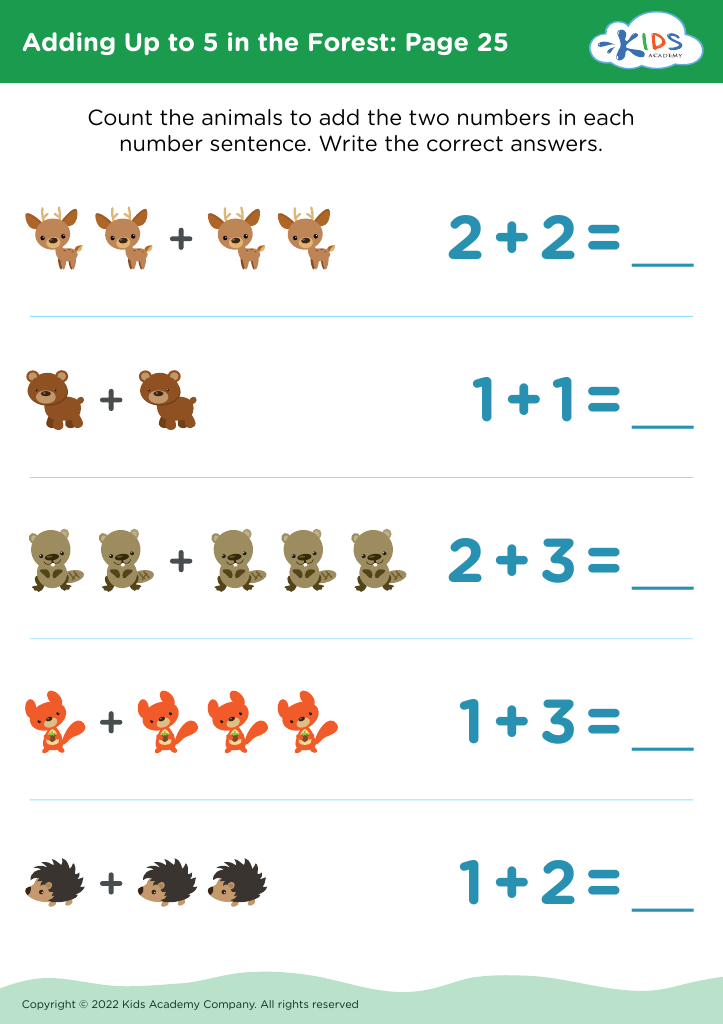
Honey Bee Counting Worksheet








Understanding quantities at ages 4-6 is a crucial foundational skill in a child's cognitive development. At this age, children begin to grasp number concepts and develop early mathematical thinking. This understanding stretches beyond rote memorization of numbers, embedding a sense of how quantities relate to the real world.
For parents and teachers, focusing on this aspect can significantly influence a child's future academic success. When children understand quantities, they can better handle basic arithmetic operations such as addition, subtraction, and eventually more complex tasks. It builds their problem-solving skills, enabling them to approach everyday situations, like sharing snacks or grouping toys, with a logical mindset.
Furthermore, numerical comprehension is correlated with improved memory and attention span. Engaging children in activities related to quantities, like counting objects during play or recognizing patterns, enhances their cognitive and perceptual abilities.
Early numeracy skills are also linked to better literacy. Counting rhymes, storytelling involving numbers, and integrating math into reading events can enrich a child's linguistic abilities while extending their numerical understanding.
In essence, stressing the importance of quantities equips children with a toolkit for academic exploration and practical life skills, laying a robust groundwork for lifelong learning and intellectual growth. Parents and teachers nurturing this competency invest in a child's future well-being and academic endeavors.








