Writing practice Worksheets for Ages 4-6 - Page 2
31 filtered results
-
From - To
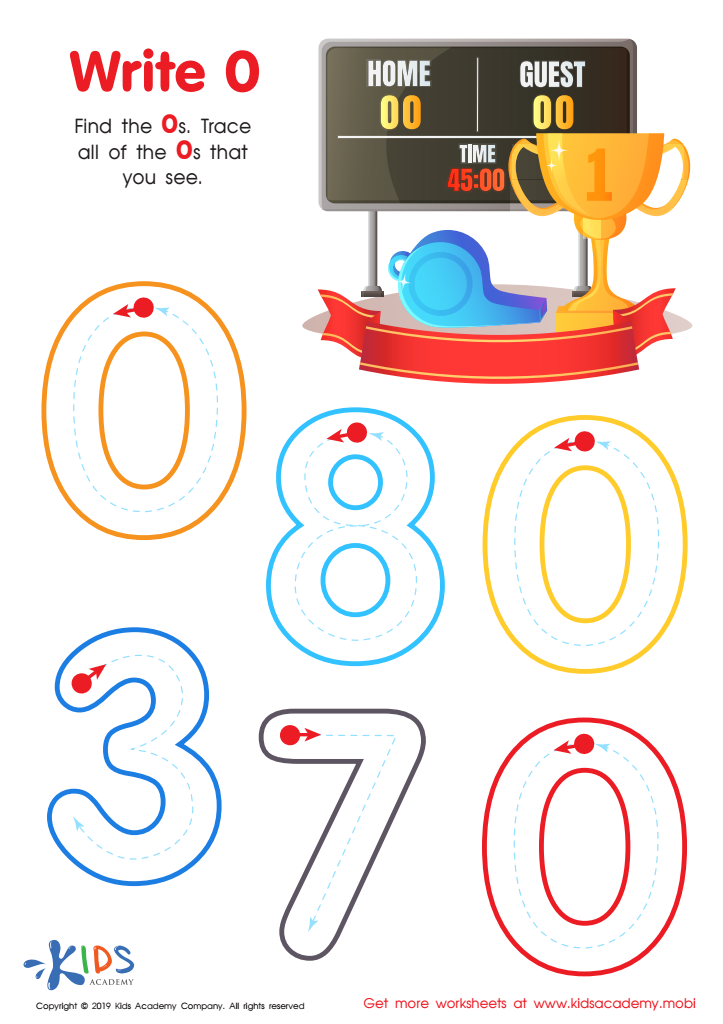
Write 0 Worksheet
Number 1 Printable
 Assign to My Students
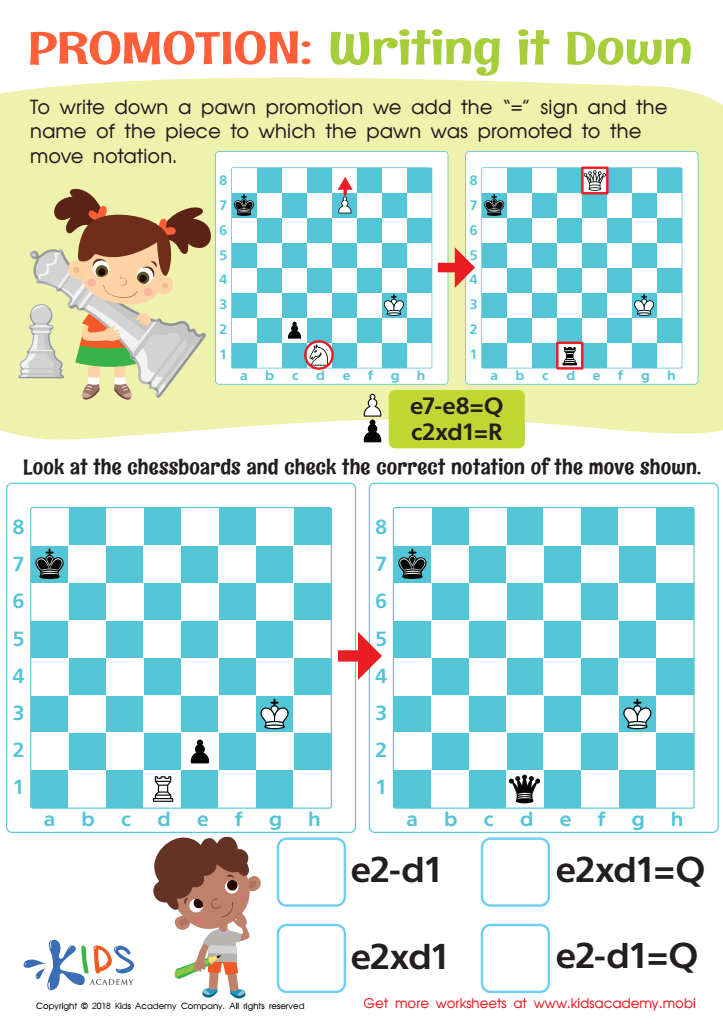
Writing it Down Worksheet

Count the Cucumbers and Trace the Number 8 Printable
Letter X Coloring Sheet
Assign to My Students
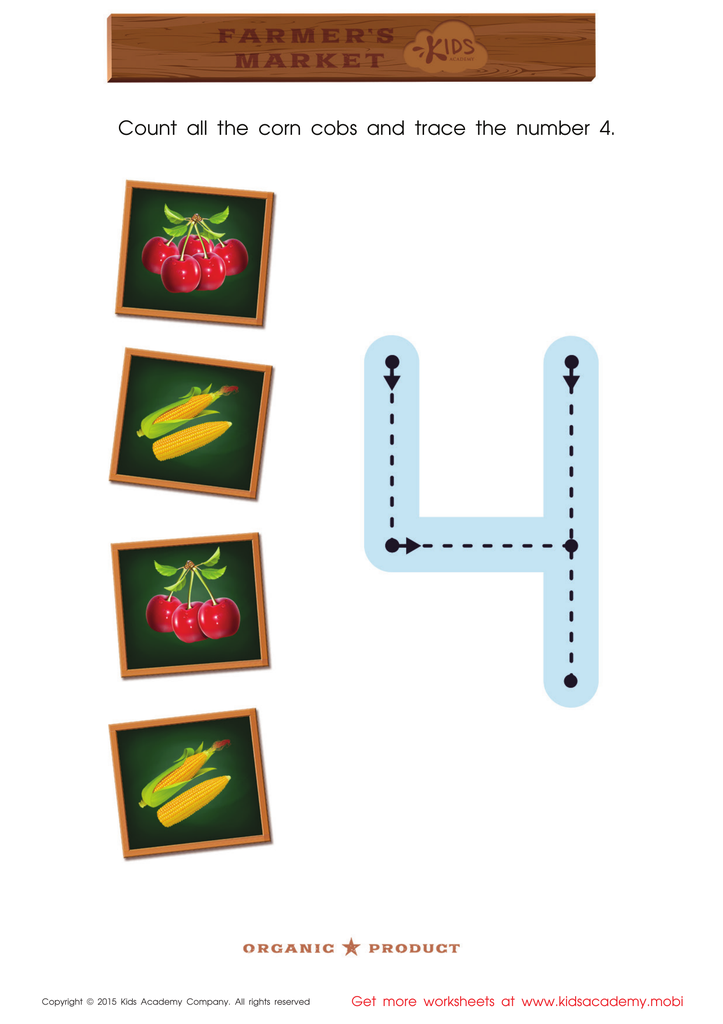
Count the Corncobs and Trace the Number 4 Worksheet






Writing practice for children ages 4-6 is crucial for several reasons. First, it lays the foundation for effective communication skills. At this young age, children begin to make connections between sounds and letters, fostering not only literacy but also critical thinking and creativity. Regular writing practice helps them express their ideas and feelings, an essential skill for emotional development.
Moreover, writing enhances fine motor skills. As children practice holding pencils, forming letters, and controlling their movements, they develop muscle memory essential for later academic tasks. These early skills positively affect their handwriting and overall academic performance.
Engaging in writing activities can also boost a child's self-esteem and confidence. When they complete a drawing or a simple written piece, it gives them a sense of accomplishment and ownership, motivating them to explore more.
Finally, writing practice encourages parents and teachers to engage collaboratively with children in learning experiences. This fosters a supportive atmosphere where children feel valued and excited about their progress. Overall, prioritizing writing in early education helps cultivate well-rounded learners who are prepared for future academic challenges.








