Reading comprehension 2D Shapes Worksheets for Ages 4-6
4 filtered results
-
From - To
Engage your little learners with our "Reading Comprehension 2D Shapes Worksheets" designed for ages 4-6! These educational resources combine early literacy and math skills, helping children recognize and understand 2D shapes through fun reading exercises. Each worksheet features colorful visuals and simple, age-appropriate texts that prompt critical thinking and shape identification. As children read and answer questions, they not only boost their comprehension abilities but also develop their vocabulary and sense of spatial awareness. Perfect for classrooms or home learning, these worksheets provide an engaging way to promote learning and reinforce essential skills. Start exploring the world of shapes today!
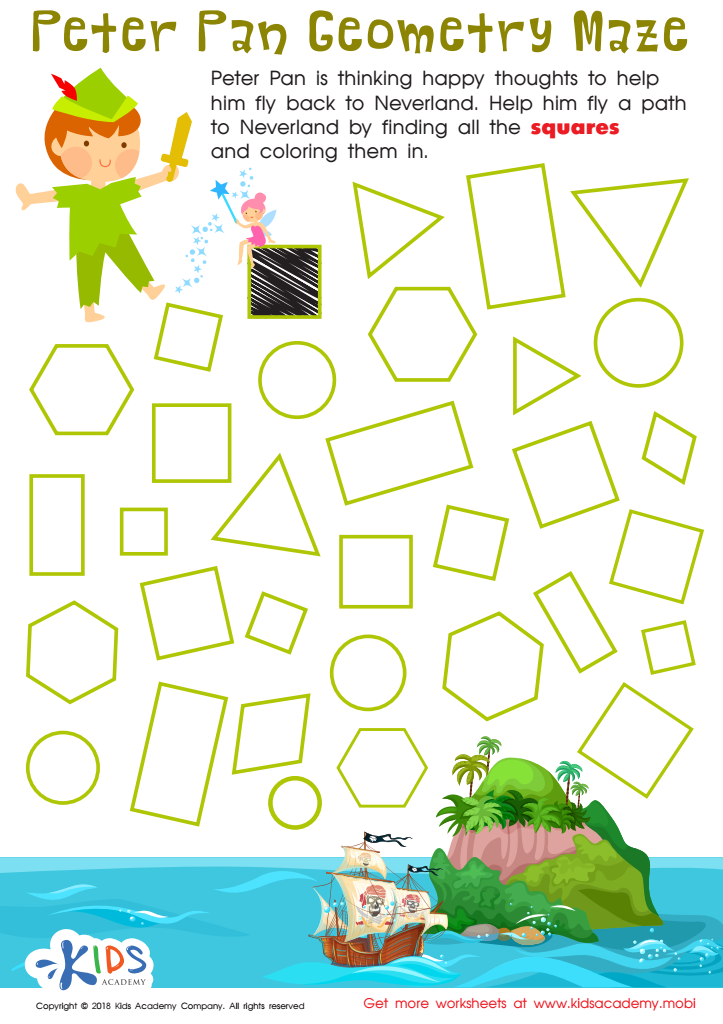
Peter Pan Worksheet
 Assign to My Students

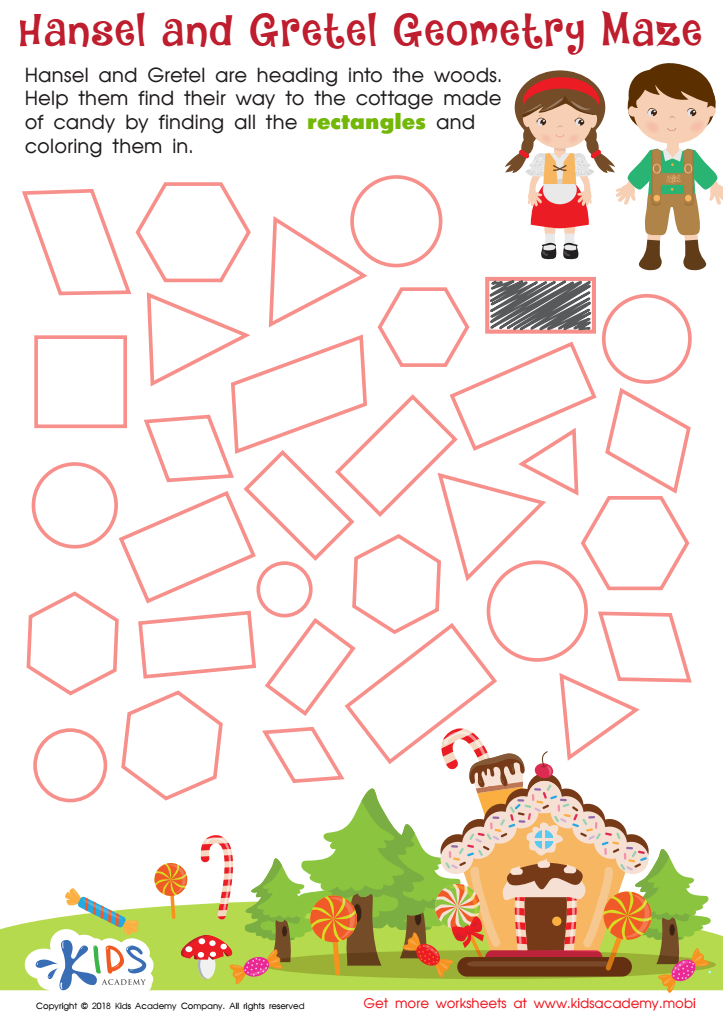
Hansel and Gretel Geometry Maze Worksheet
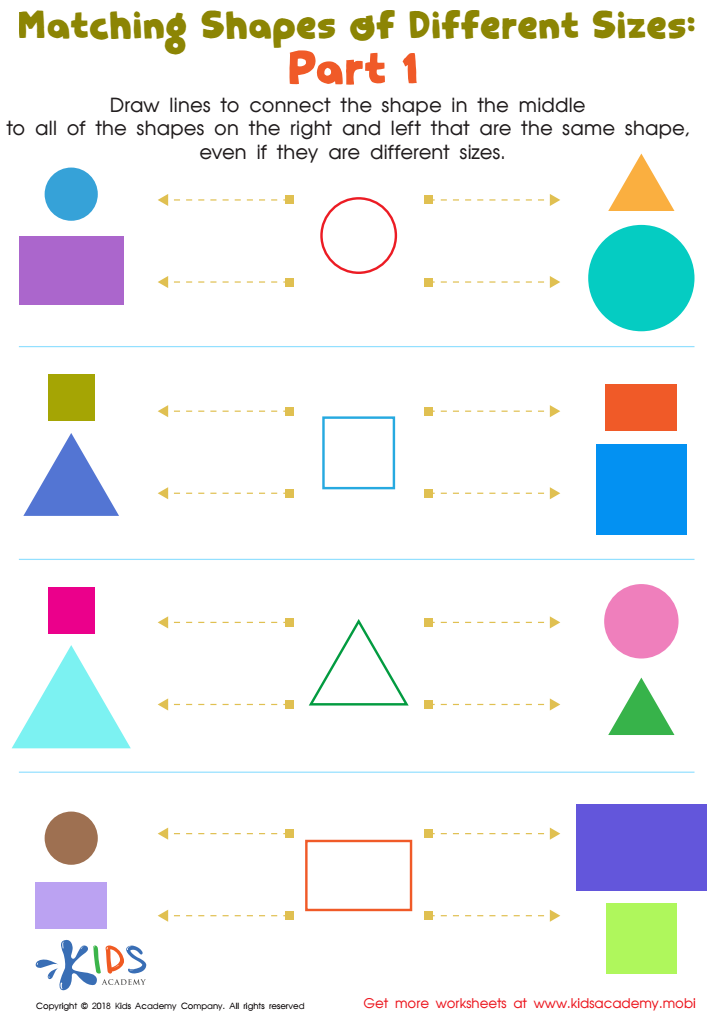
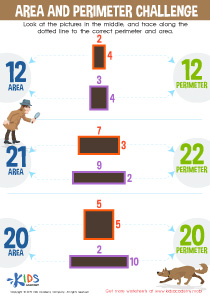
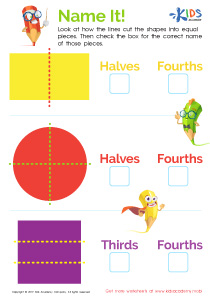
Geometry: part 1 Worksheet
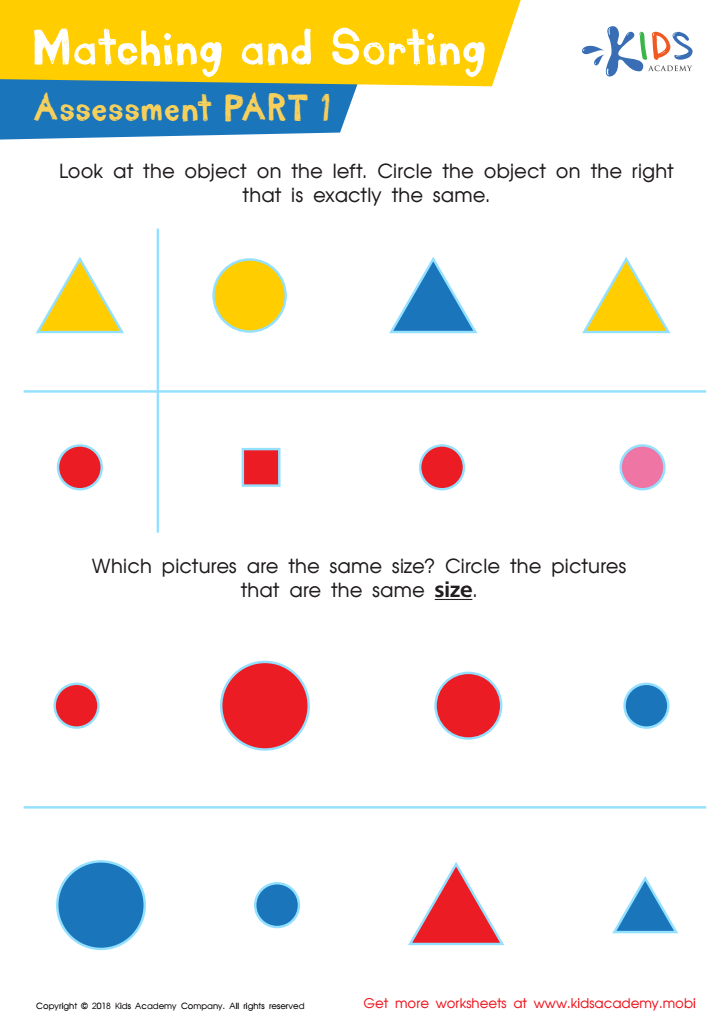
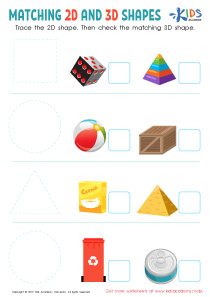
Matching and Sorting for Kindergarten: Assessment 1 Worksheet








Reading comprehension and understanding 2D shapes are foundational skills that play a crucial role in the early development of children aged 4-6. For parents and teachers alike, focusing on reading comprehension related to shapes can foster cognitive growth and enhance a child’s ability to understand the world around them.
Firstly, reading comprehension helps children make connections between textual information and real-world concepts. When children read stories or descriptions about shapes, they can visualize and recognize them in their environment, promoting critical thinking and observation skills.
Secondly, shape recognition is essential in early mathematics and spatial awareness, laying the groundwork for problem-solving abilities. When children can identify and categorize shapes, they are better equipped to tackle more advanced math concepts later on. For example, understanding shapes can aid in counting, creating patterns, and understanding geometry.
Additionally, this integrative learning approach engages children in play-based and interactive activities, making learning enjoyable. By linking reading comprehension with hands-on exploration of 2D shapes, parents and teachers can cultivate a love for learning, enhance language skills, and promote overall cognitive development. In essence, prioritizing these skills leads to well-rounded, confident learners ready to tackle future challenges.