Filters

45 filtered results

Clear all filters
Favorites
With answer key
Interactive

45 filtered results

Difficulty Level

Grade


Check out this FREE Trial Lesson on Adding in the Sea for age 4-6!

X

Favorites
With answer key
Interactive
  • 4-6
  • Counting practice
  • Adding in the Sea
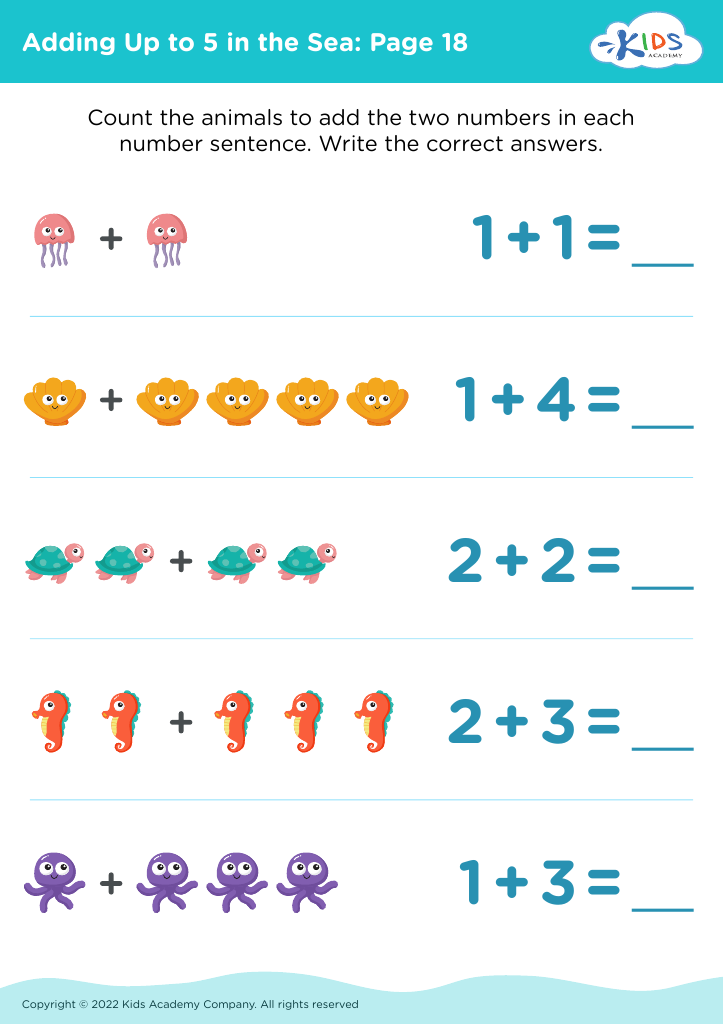
Adding Up to 5 in the Sea: Page 18
Worksheet
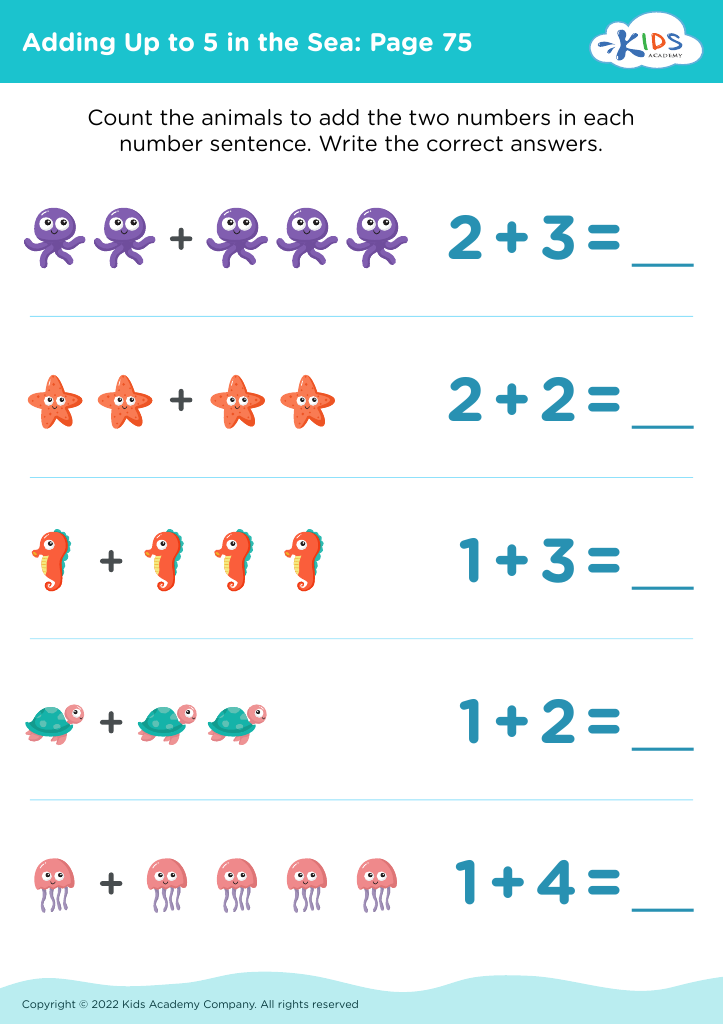
Adding Up to 5 in the Sea: Page 75
Worksheet
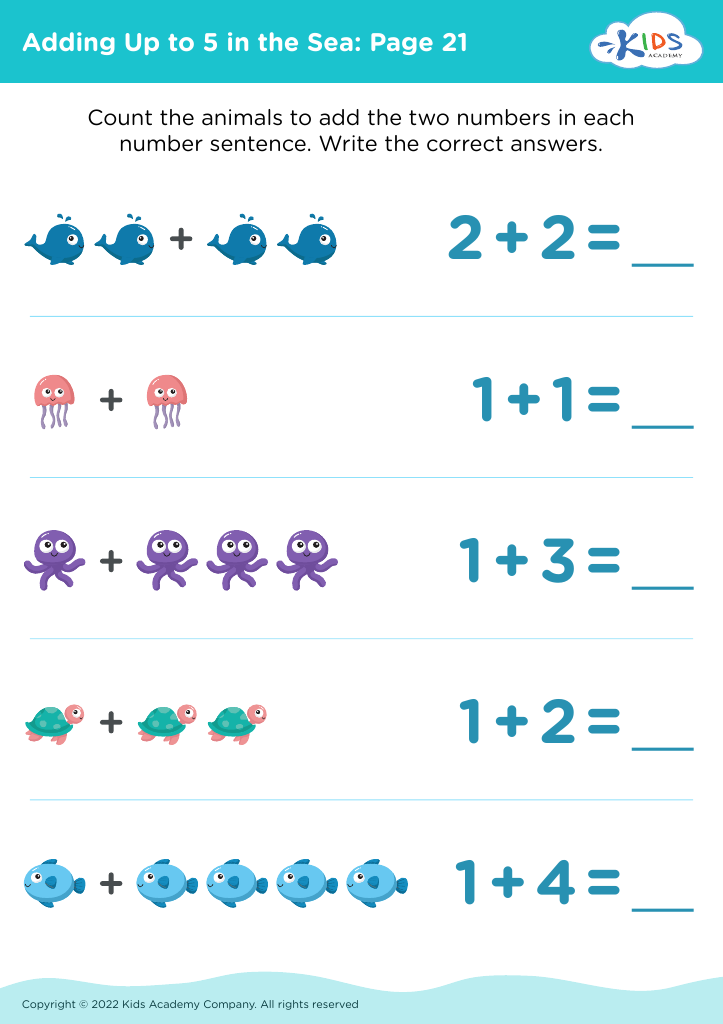
Adding Up to 5 in the Sea: Page 21
Worksheet
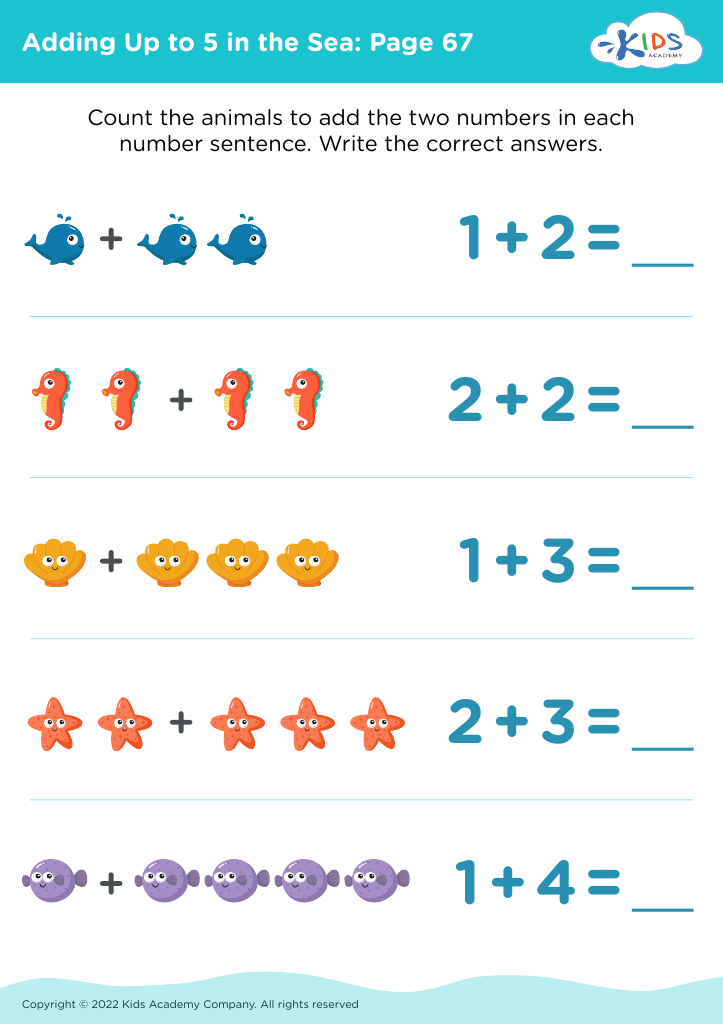
Adding Up to 5 in the Sea: Page 67
Worksheet
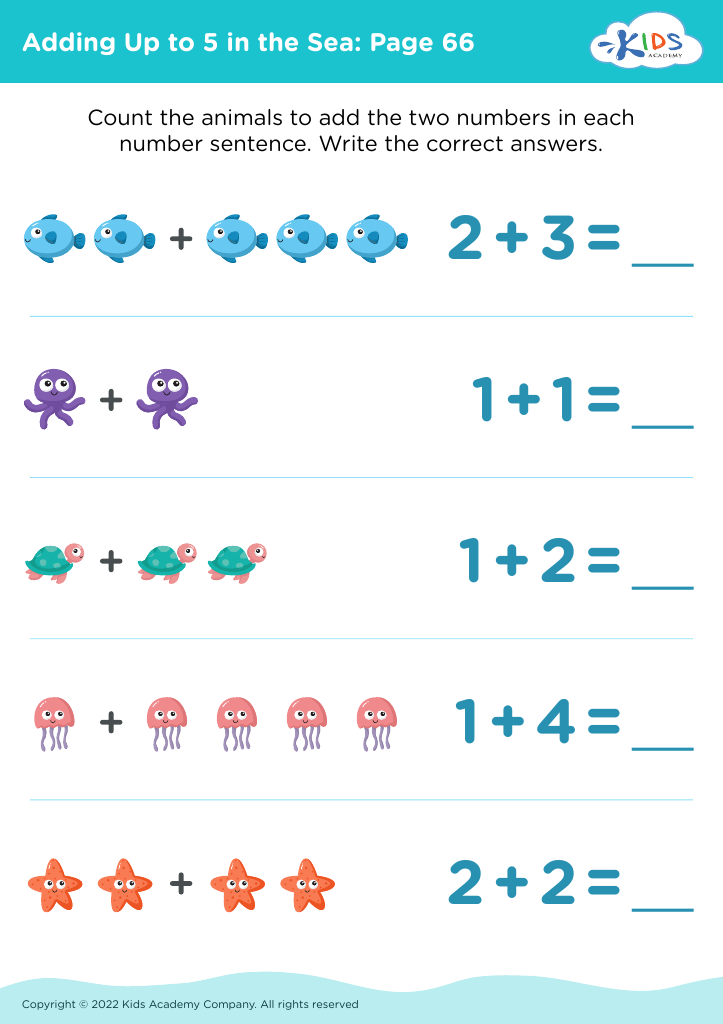
Adding Up to 5 in the Sea: Page 66
Worksheet
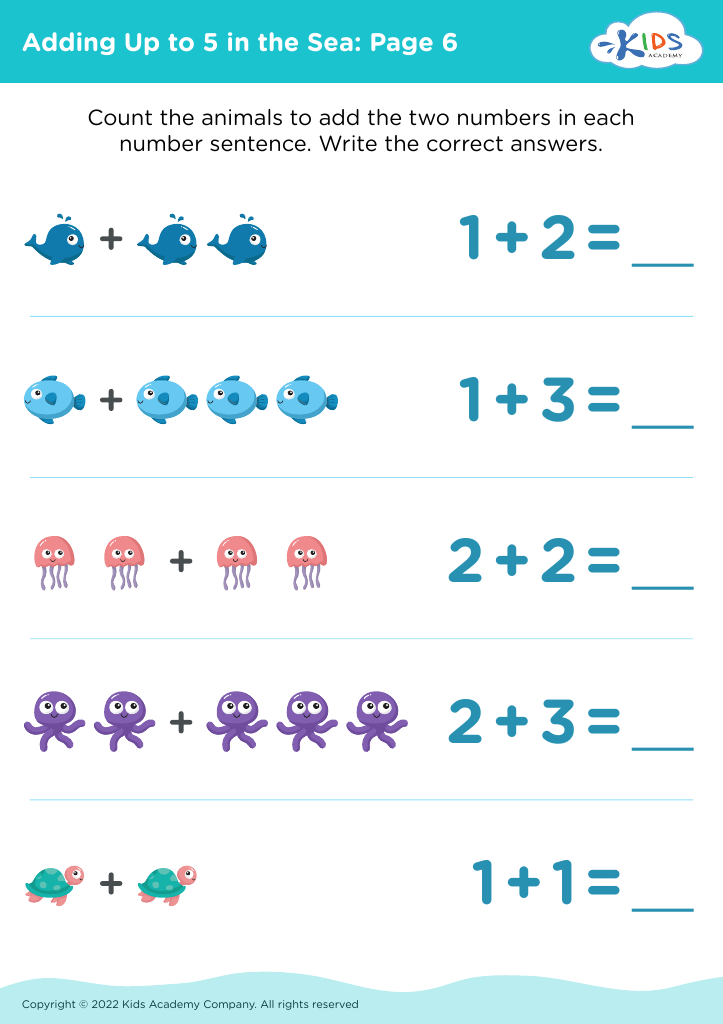
Adding Up to 5 in the Sea: Page 6

Adding Up to 5 in the Sea: Page 6

Adding Up to 5 in the Sea: Page 6
Worksheet
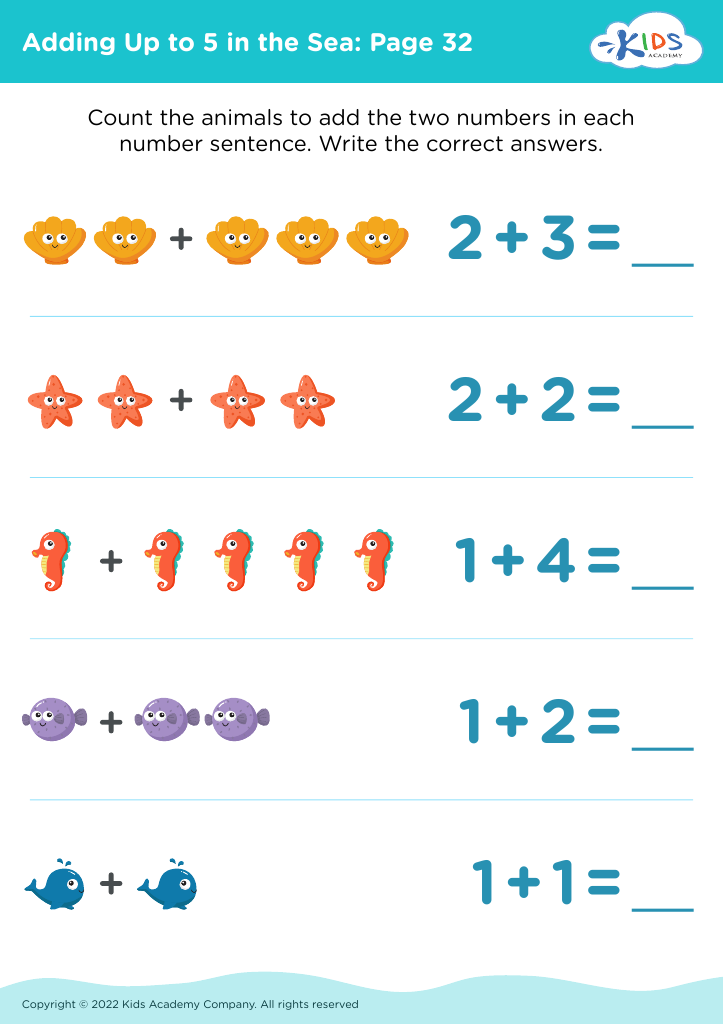
Adding Up to 5 in the Sea: Page 32
Worksheet
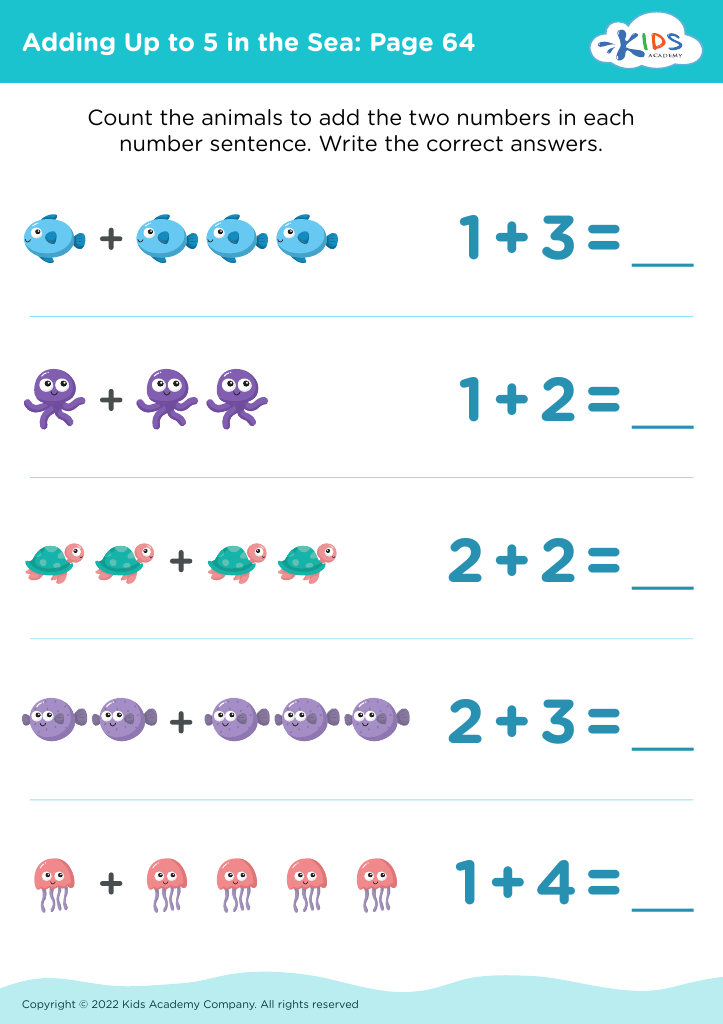
Adding Up to 5 in the Sea: Page 64
Worksheet
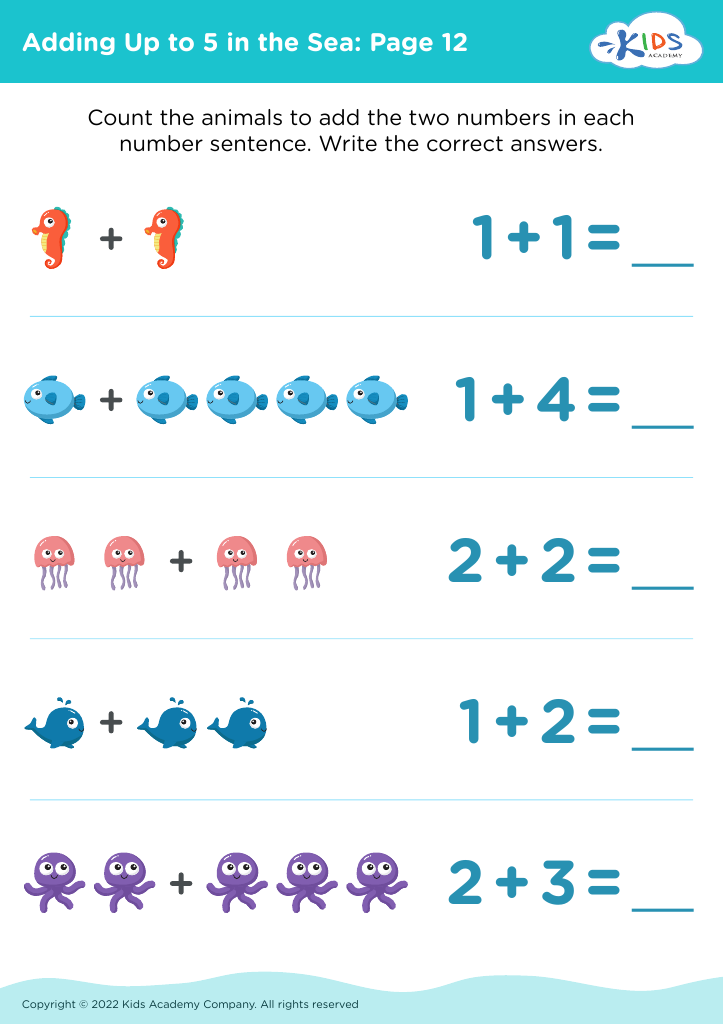
Adding Up to 5 in the Sea: Page 12
Worksheet
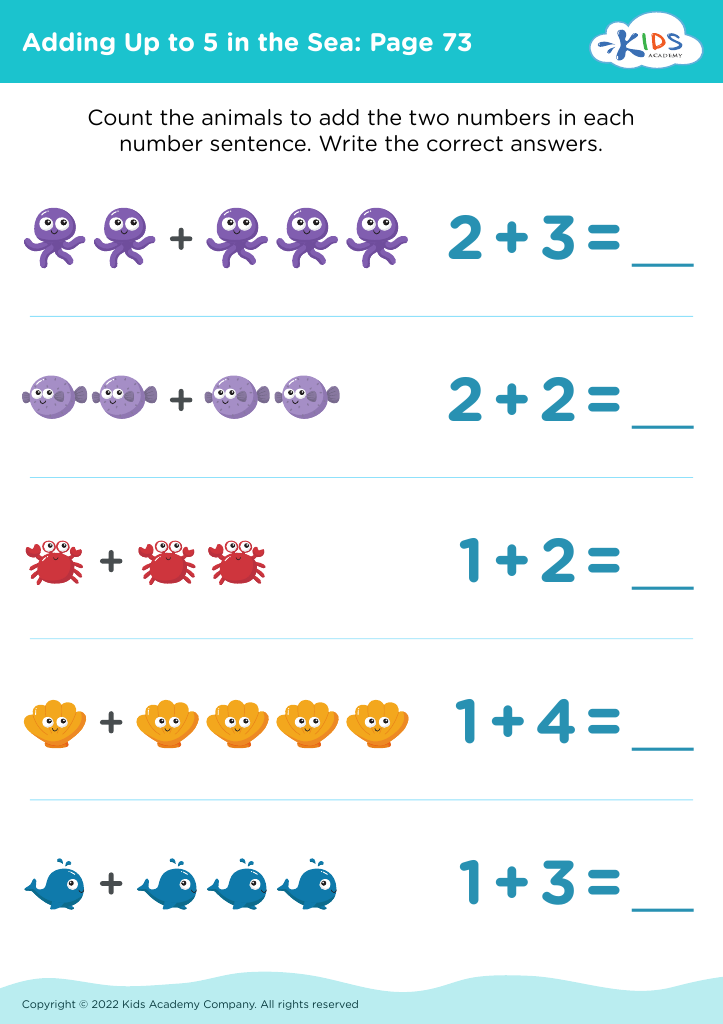
Adding Up to 5 in the Sea: Page 73
Worksheet
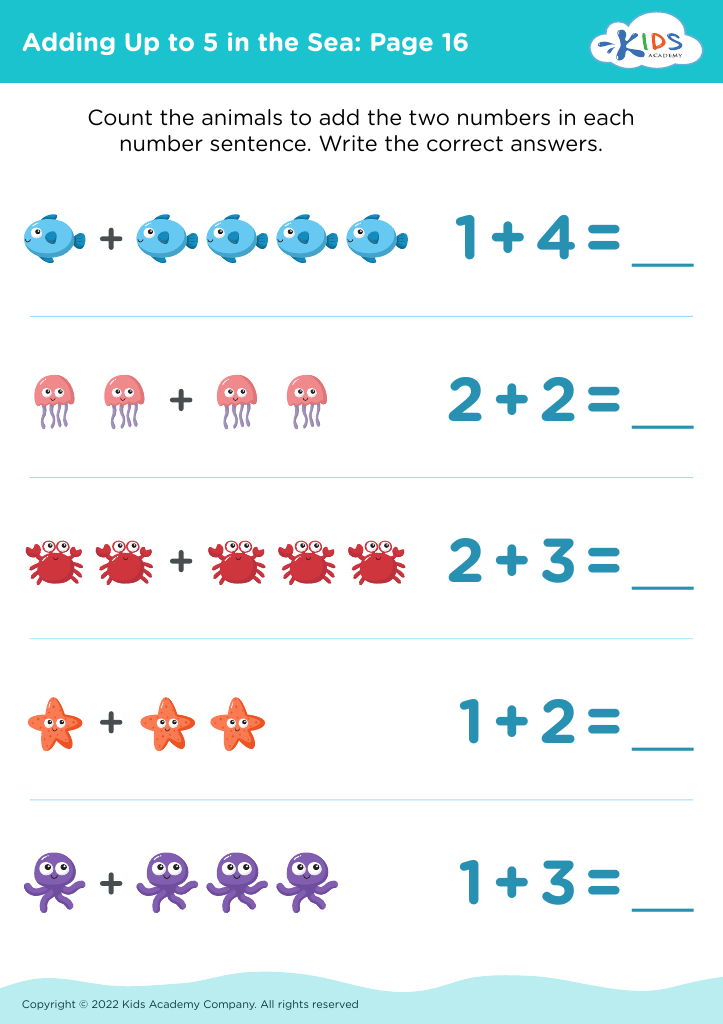
Adding Up to 5 in the Sea: Page 16
Worksheet
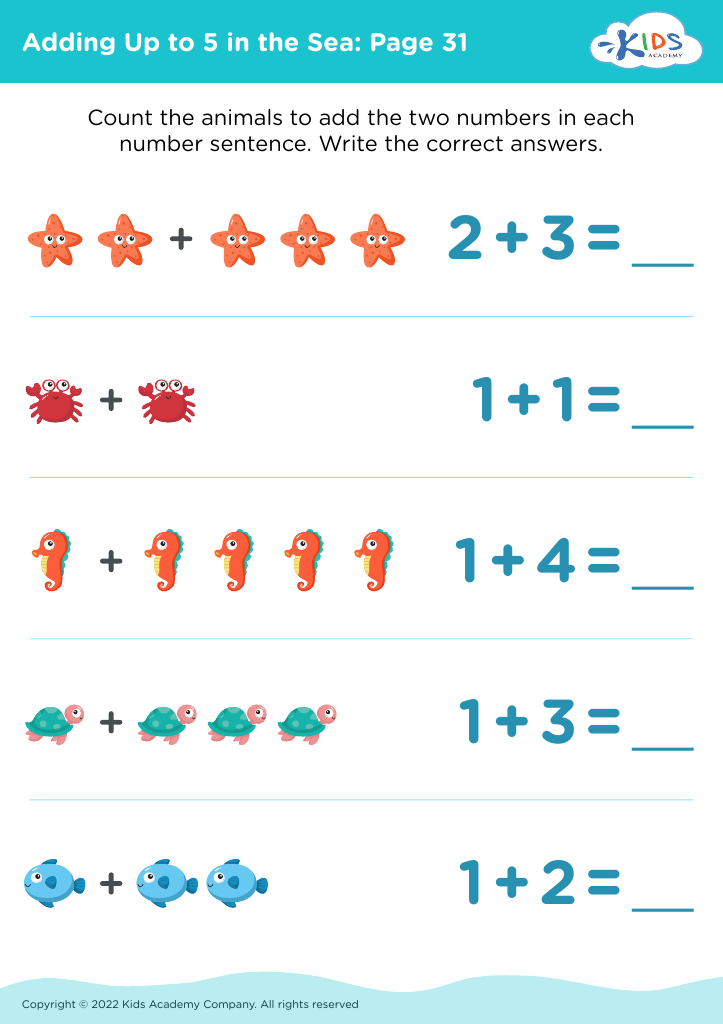
Adding Up to 5 in the Sea: Page 31
Worksheet
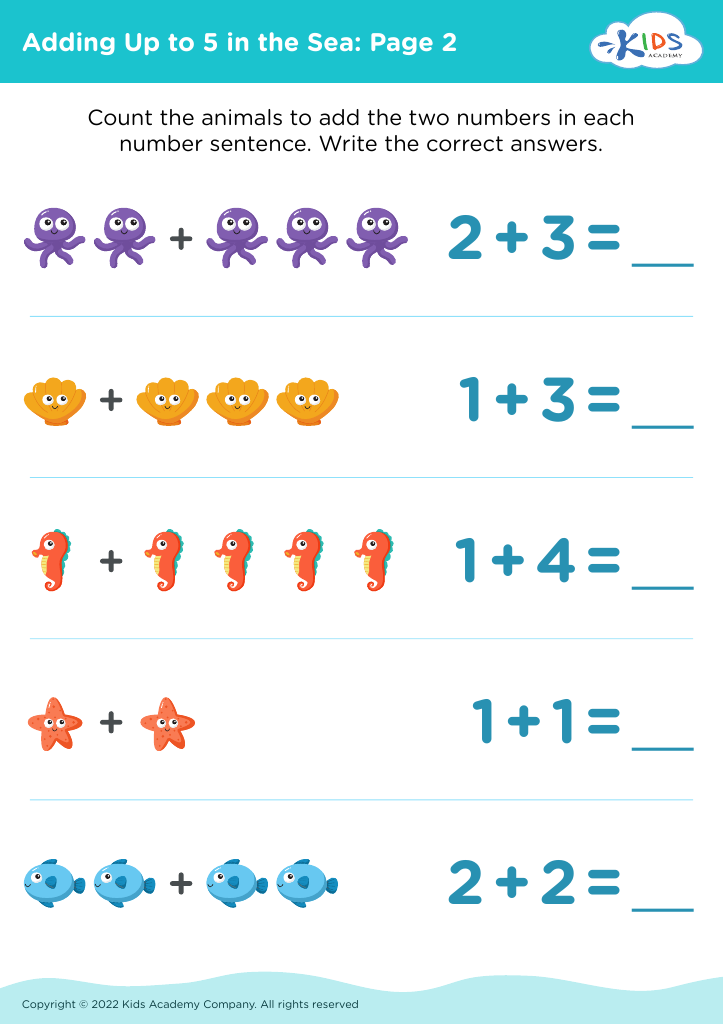
Adding Up to 5 in the Sea: Page 2

Adding Up to 5 in the Sea: Page 2

Adding Up to 5 in the Sea: Page 2
Worksheet
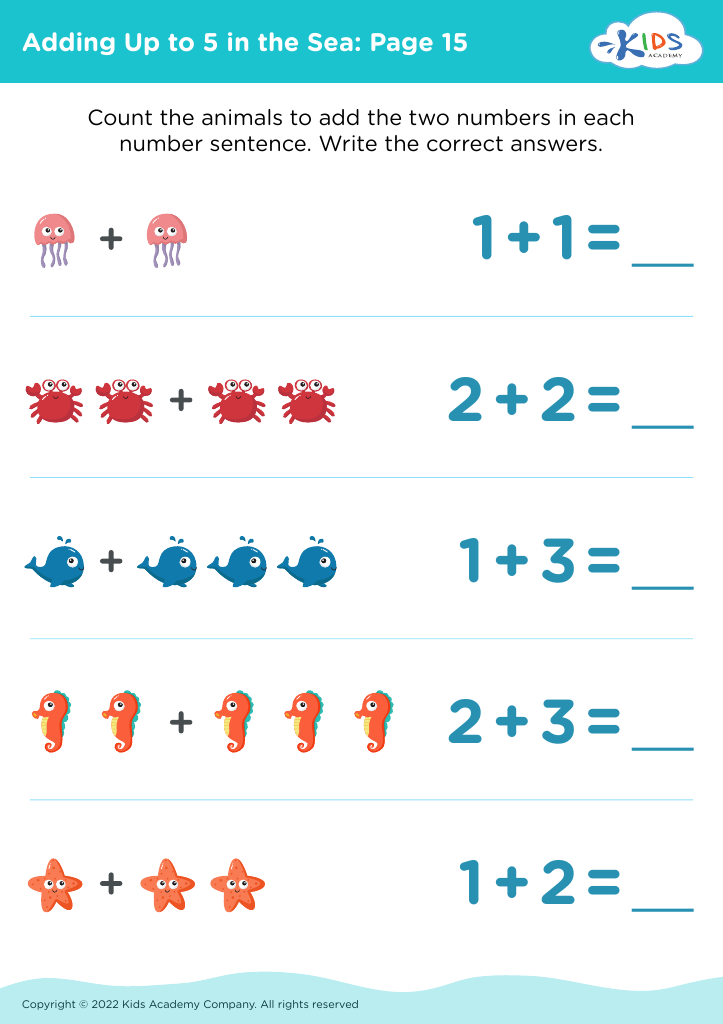
Adding Up to 5 in the Sea: Page 15
Worksheet
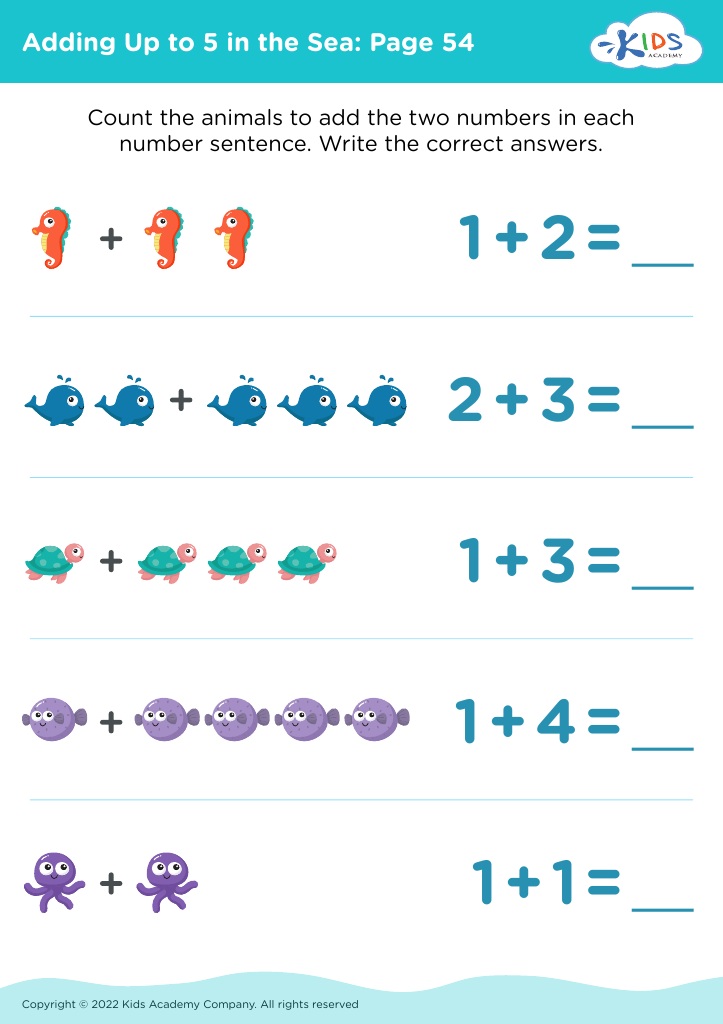
Adding Up to 5 in the Sea: Page 54
Worksheet
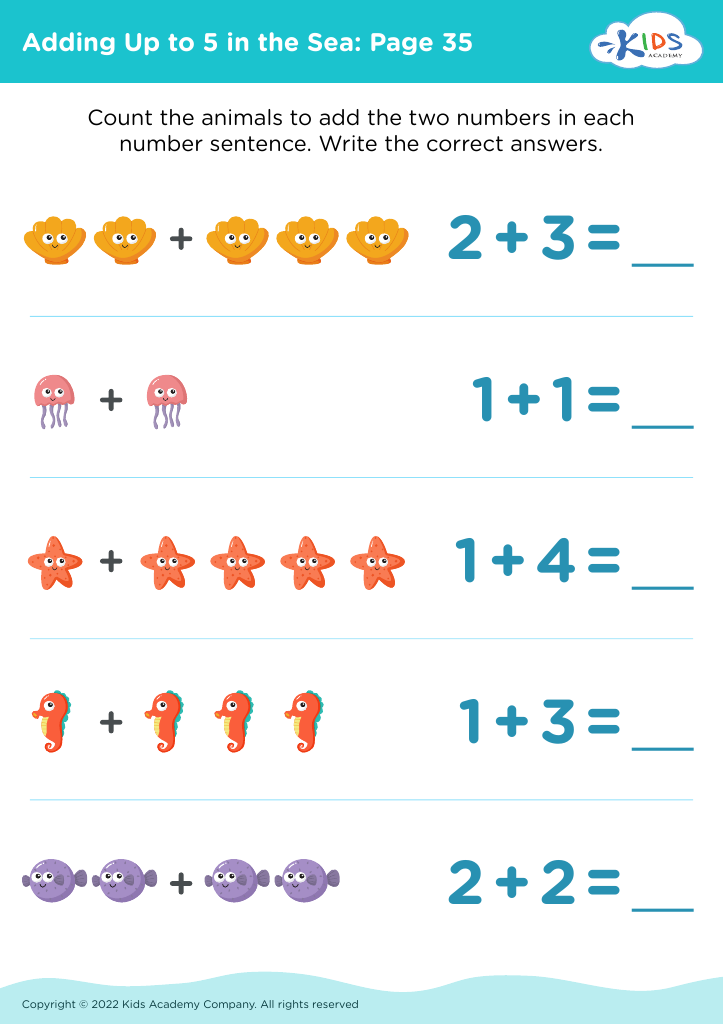
Adding Up to 5 in the Sea: Page 35
Worksheet
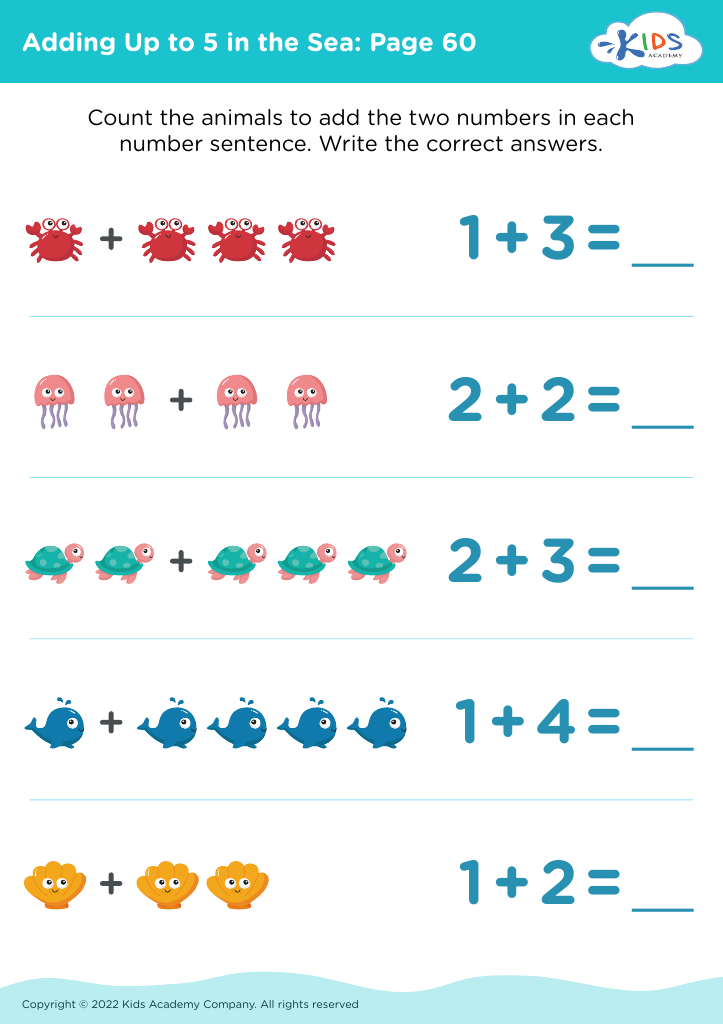
Adding Up to 5 in the Sea: Page 60
Worksheet
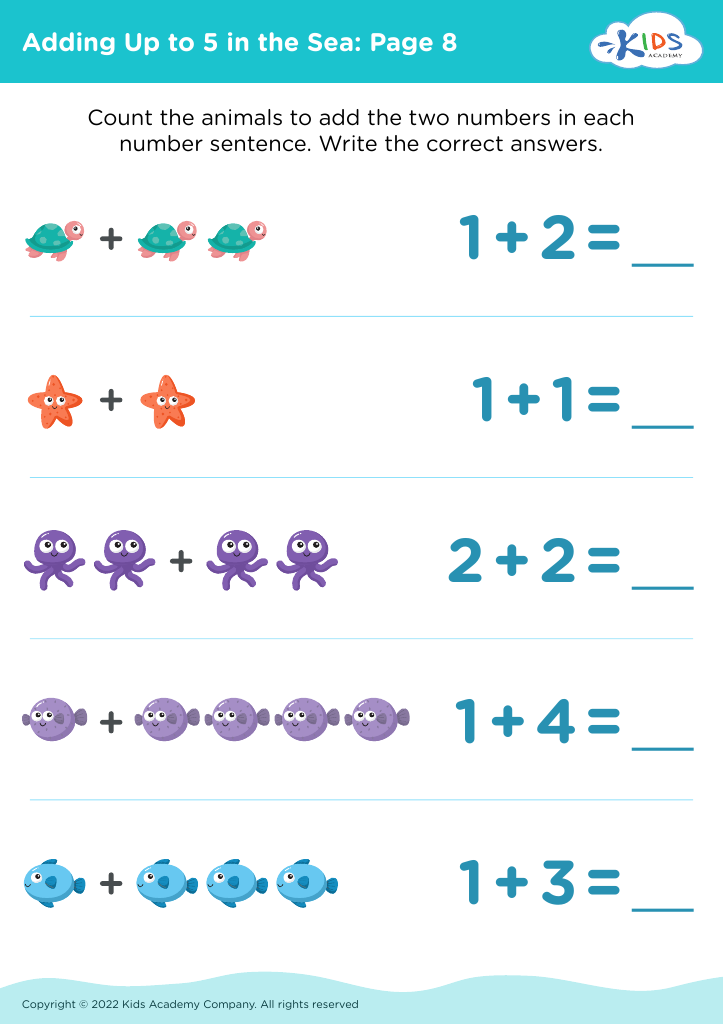
Adding Up to 5 in the Sea: Page 8

Adding Up to 5 in the Sea: Page 8

Adding Up to 5 in the Sea: Page 8
Worksheet
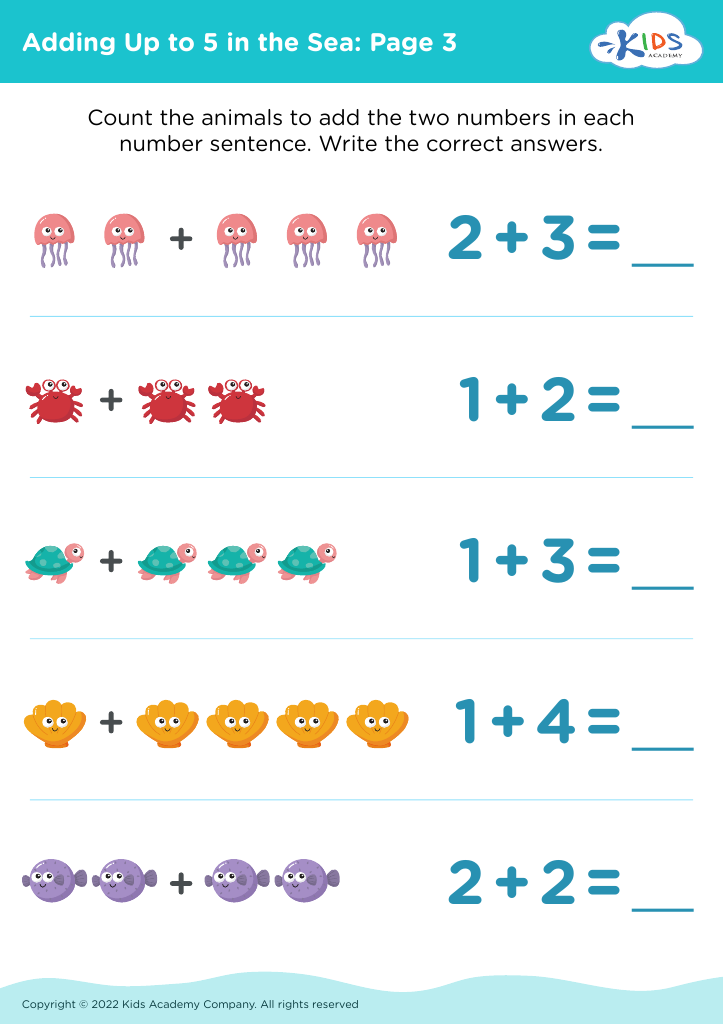
Adding Up to 5 in the Sea: Page 3

Adding Up to 5 in the Sea: Page 3

Adding Up to 5 in the Sea: Page 3
Worksheet
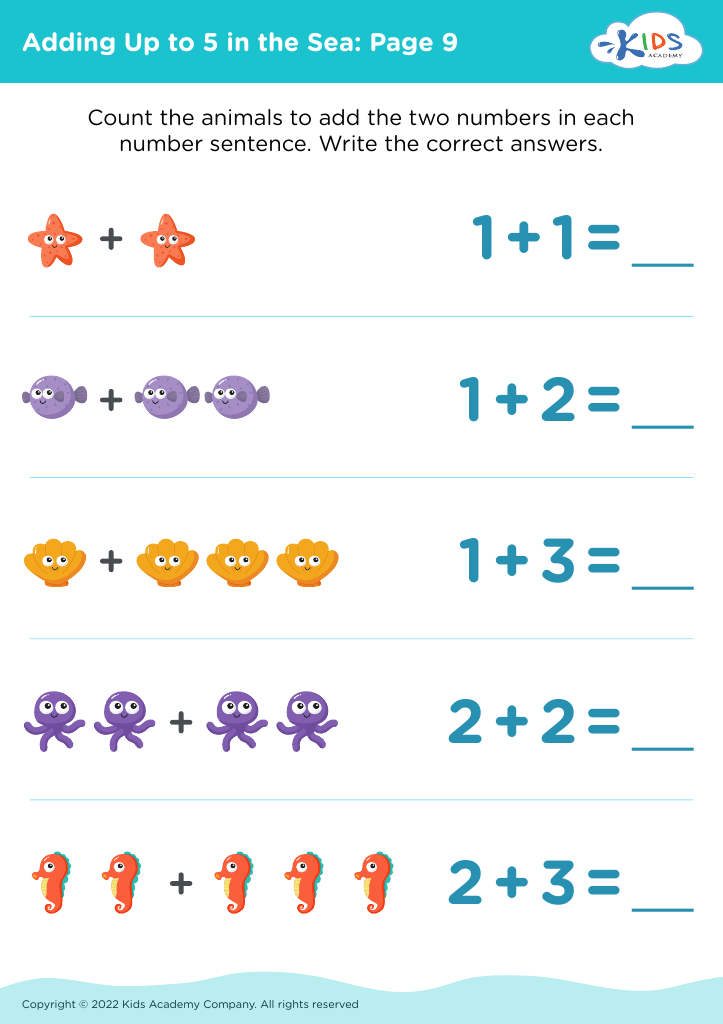
Adding Up to 5 in the Sea: Page 9

Adding Up to 5 in the Sea: Page 9

Adding Up to 5 in the Sea: Page 9
Worksheet
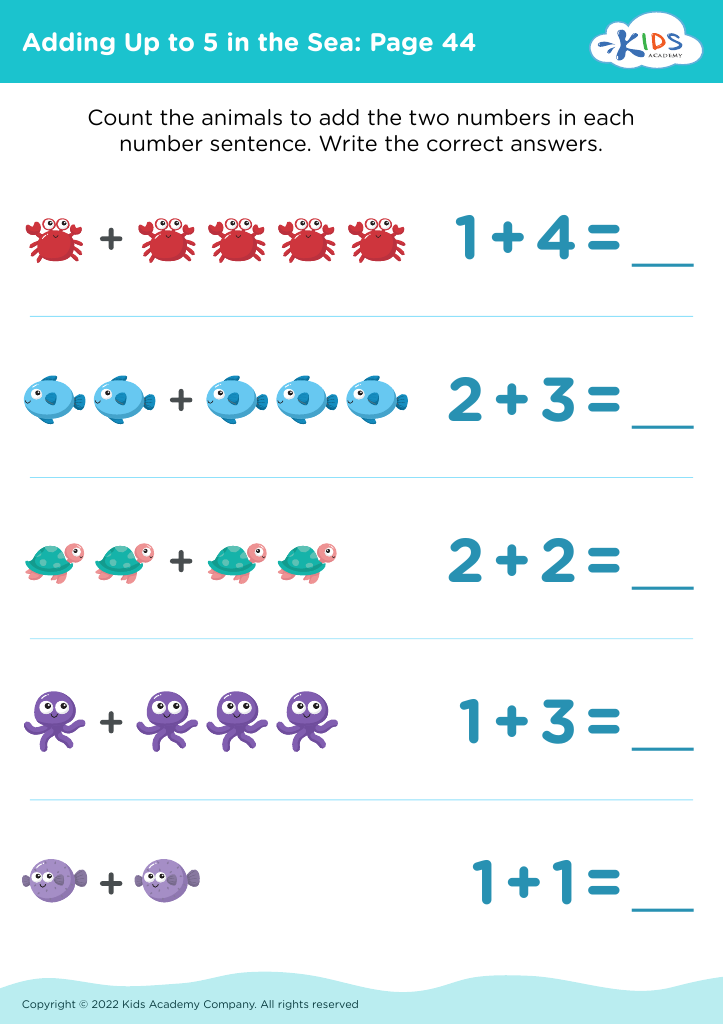
Adding Up to 5 in the Sea: Page 44
Worksheet


Counting practice, such as using activities like "Adding in the Sea" for ages 4-6, is crucial for early childhood development, and parents and teachers should prioritize it for several reasons. First, these formative years are critical for developing foundational math skills. Engaging in counting and simple addition exercises helps solidify understanding of numbers and their relationships, concepts that are building blocks for future mathematical learning.

Activities like "Adding in the Sea" make learning interactive and enjoyable. Sea-themed counting can captivate young children’s imaginations and maintain their interest, which promotes better engagement and retention. Fun, context-based learning also aids in developing problem-solving and critical-thinking skills as children learn to make connections between abstract concepts and real-world situations.

Additionally, consistent counting practice helps improve other crucial cognitive abilities such as memory, attention, and logical thinking. These exercises encourage structured thinking and patience, as children learn to count methodically and reach conclusions.

Furthermore, early success in math can boost a child's confidence and foster a positive attitude towards learning. When children feel competent in their abilities, they are more likely to enjoy school and persevere through challenges.

In summary, "Adding in the Sea" is more than just play; it’s a pivotal educational tool that helps set the stage for lifelong learning and academic success, making it essential for parents and teachers to incorporate such practices.