Check out this FREE Trial Lesson on Addition & Subtraction for age 4-6!

My Family

Favorites
With answer key
Interactive
  • 4-6
  • Visual Learning
  • Addition & Subtraction
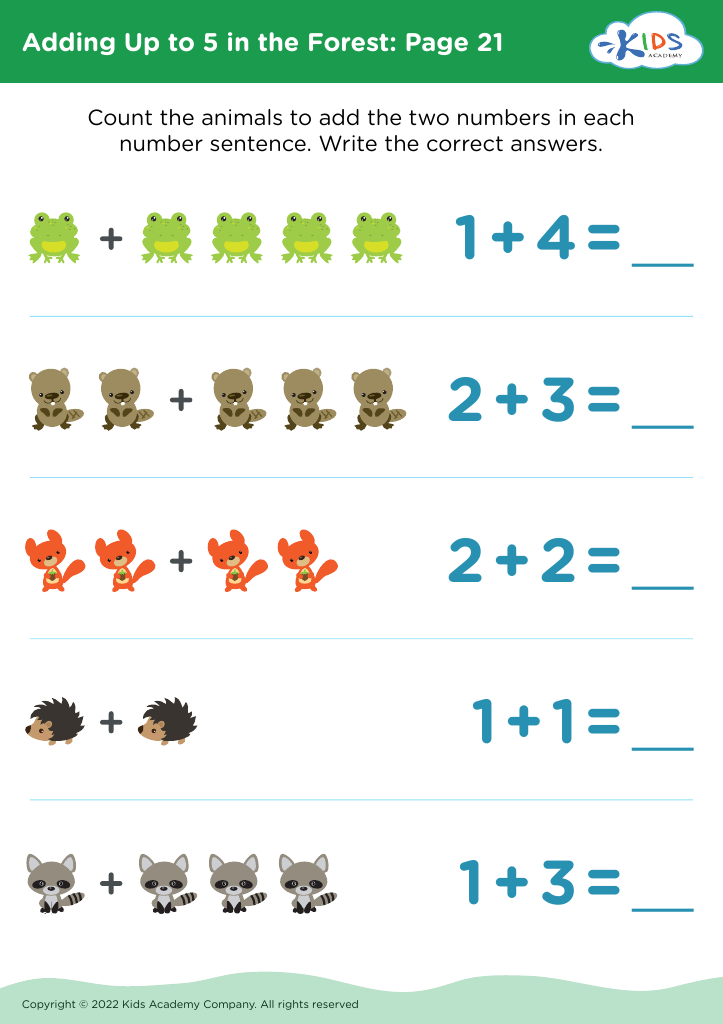
Adding Up to 5 in the Forest: Page 21
Worksheet
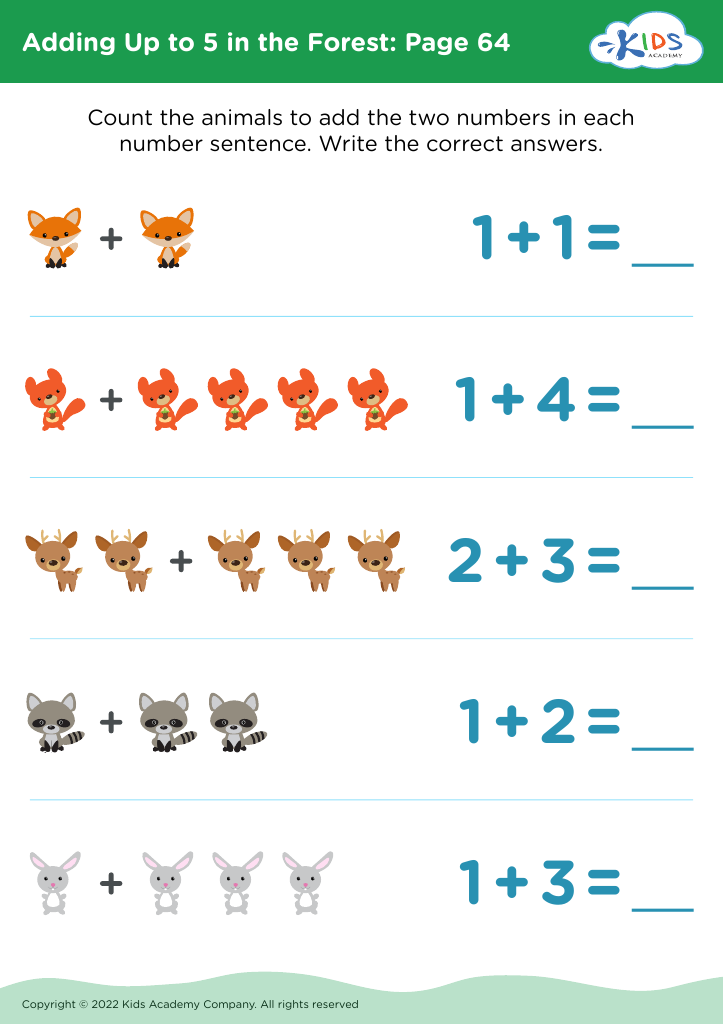
Adding Up to 5 in the Forest: Page 64
Worksheet
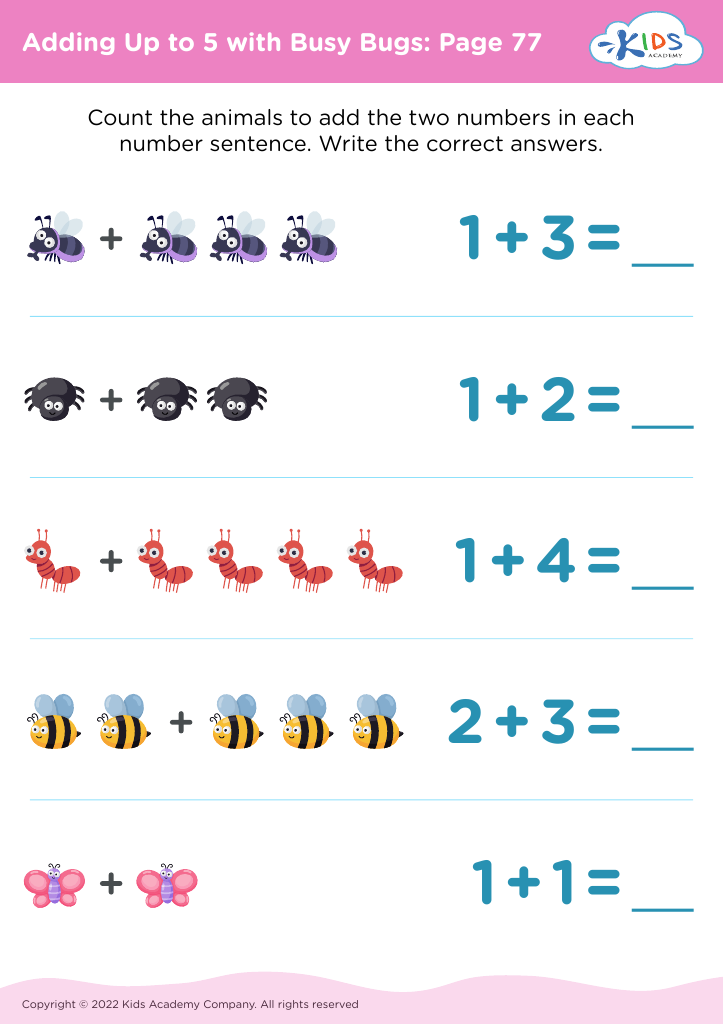
Adding Up to 5 with Busy Bugs: Page 77
Worksheet
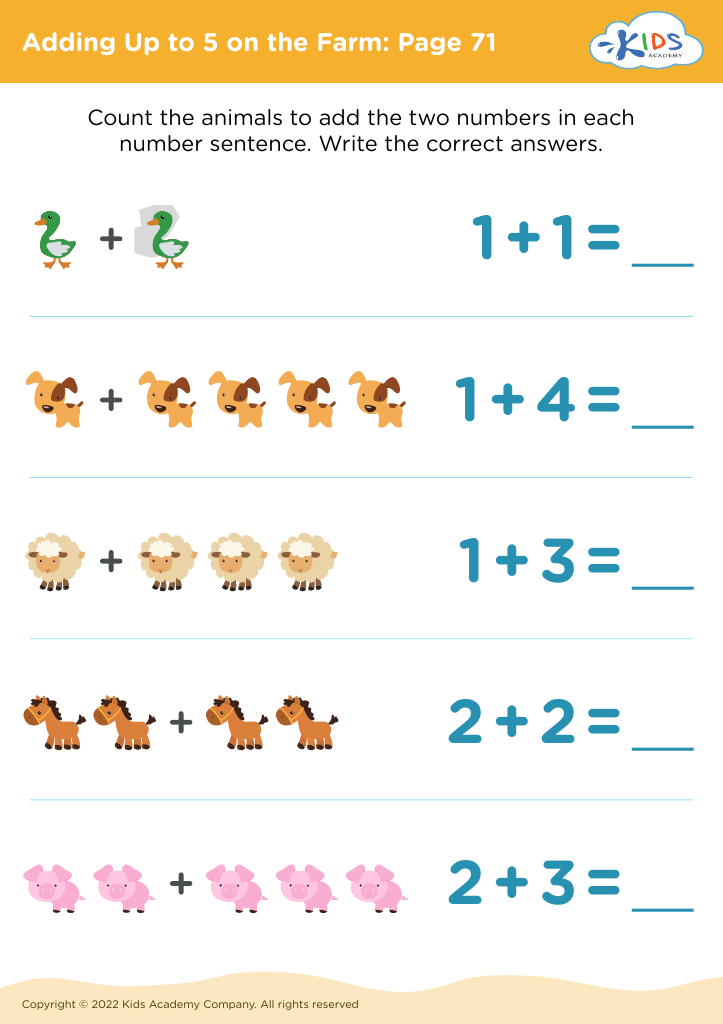
Adding Up to 5 on the Farm: Page 71
Worksheet
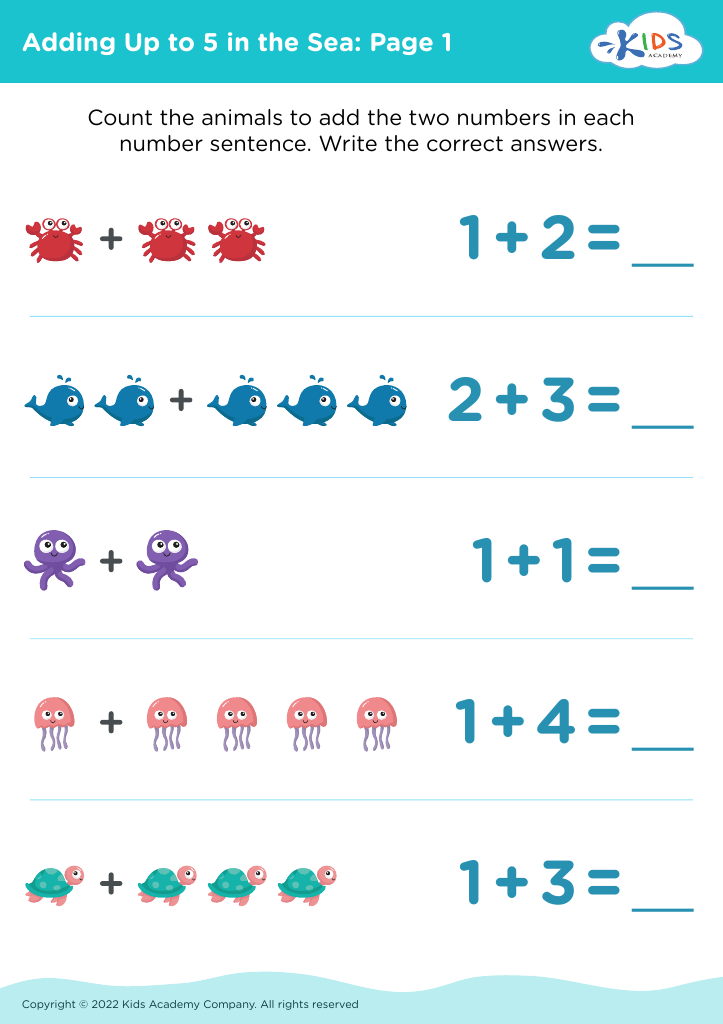
Adding Up to 5 in the Sea: Page 1

Adding Up to 5 in the Sea: Page 1

Adding Up to 5 in the Sea: Page 1
Worksheet
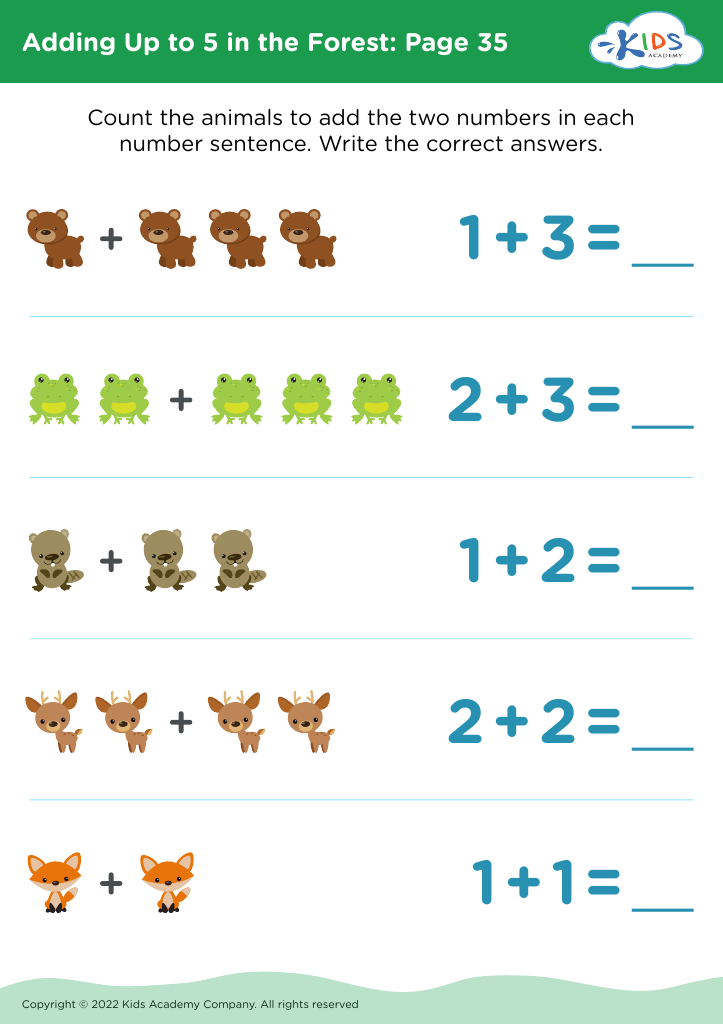
Adding Up to 5 in the Forest: Page 35
Worksheet
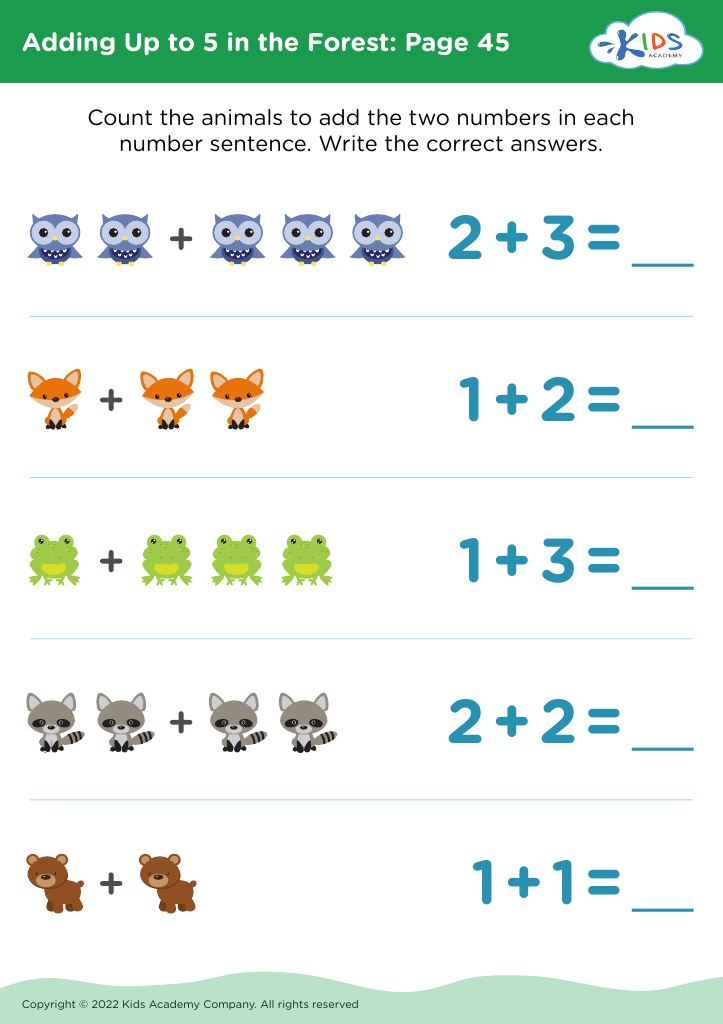
Adding Up to 5 in the Forest: Page 45
Worksheet
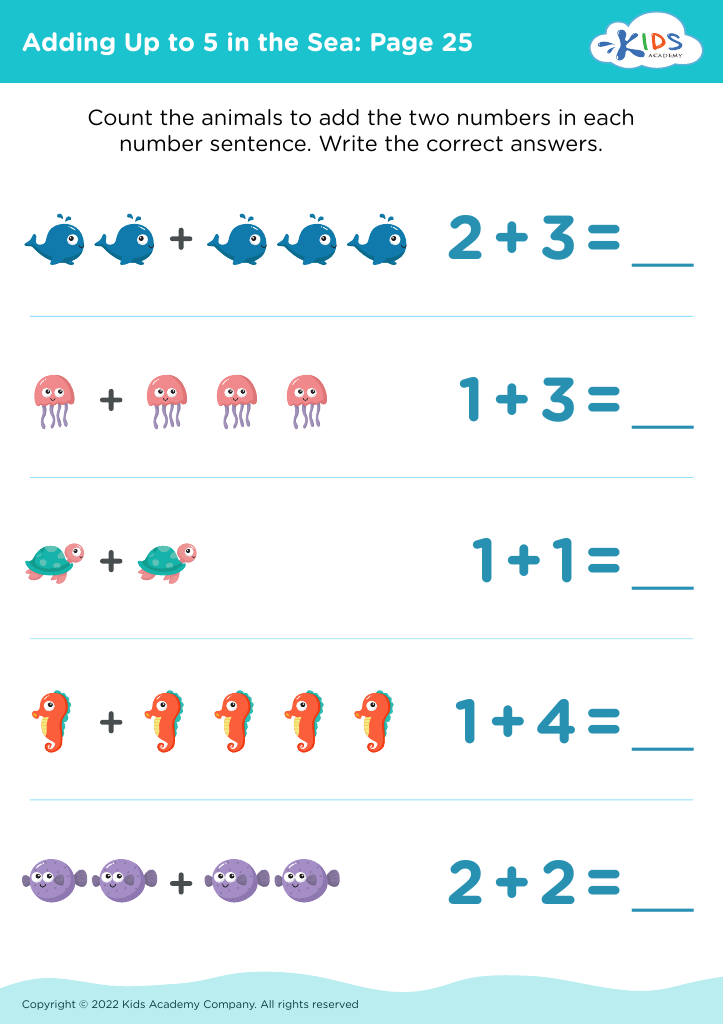
Adding Up to 5 in the Sea: Page 25
Worksheet
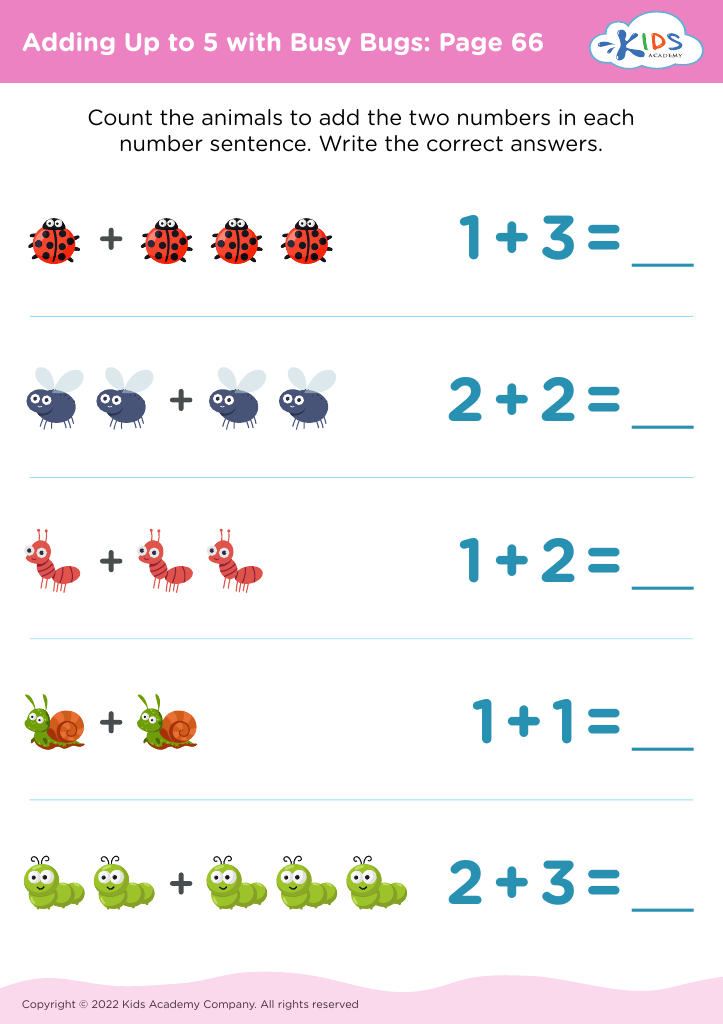
Adding Up to 5 with Busy Bugs: Page 66
Worksheet
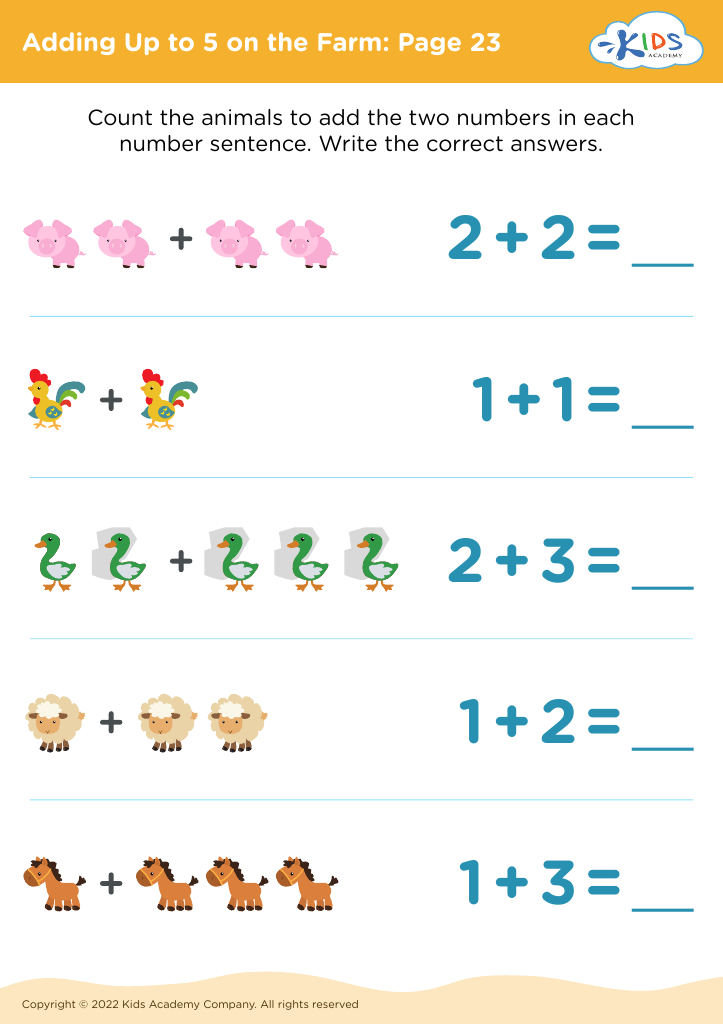
Adding Up to 5 on the Farm: Page 23
Worksheet
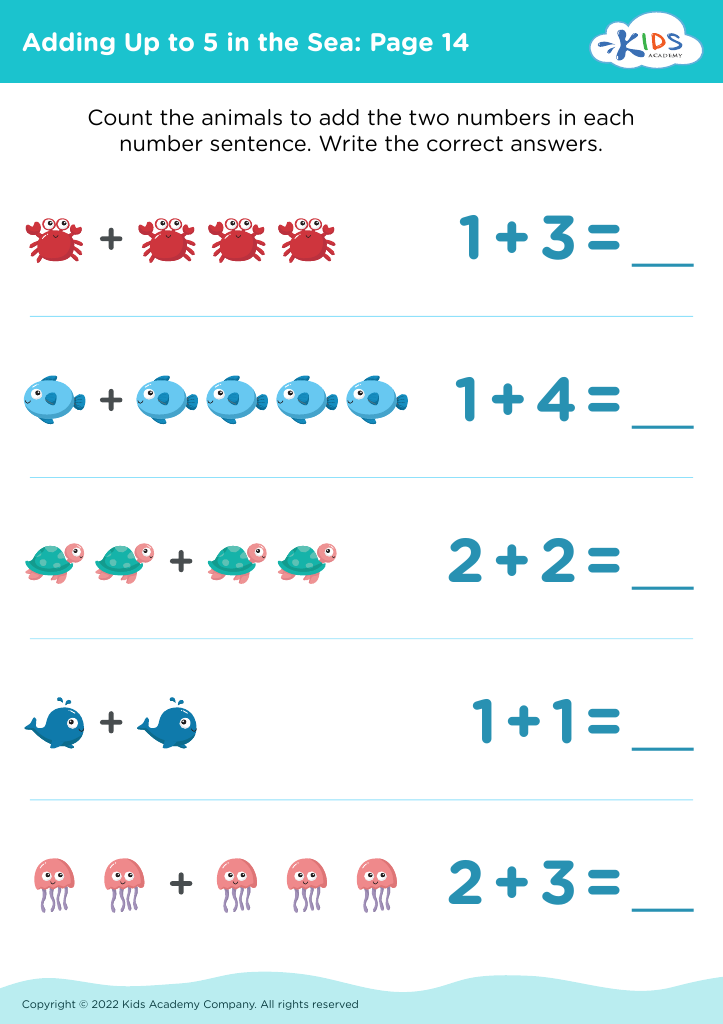
Adding Up to 5 in the Sea: Page 14
Worksheet
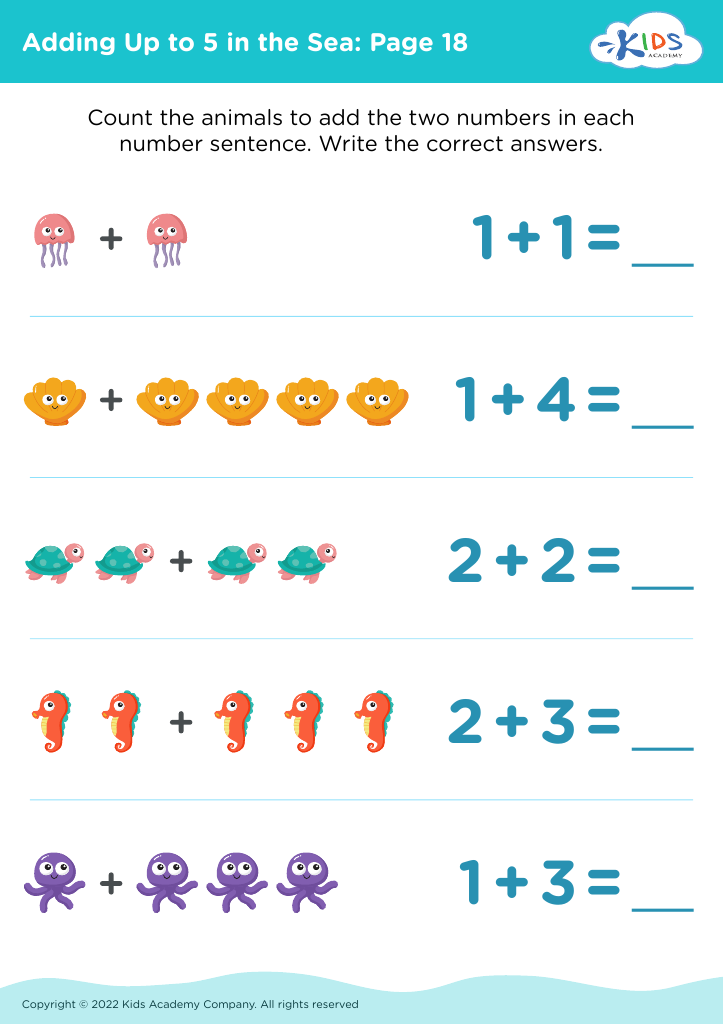
Adding Up to 5 in the Sea: Page 18
Worksheet
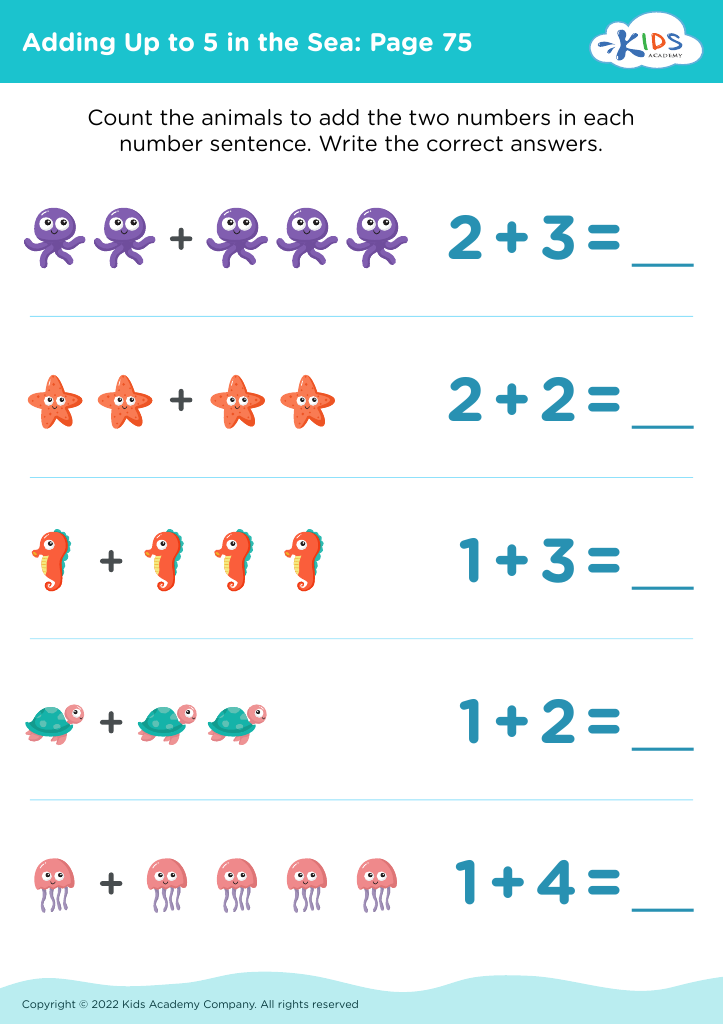
Adding Up to 5 in the Sea: Page 75
Worksheet
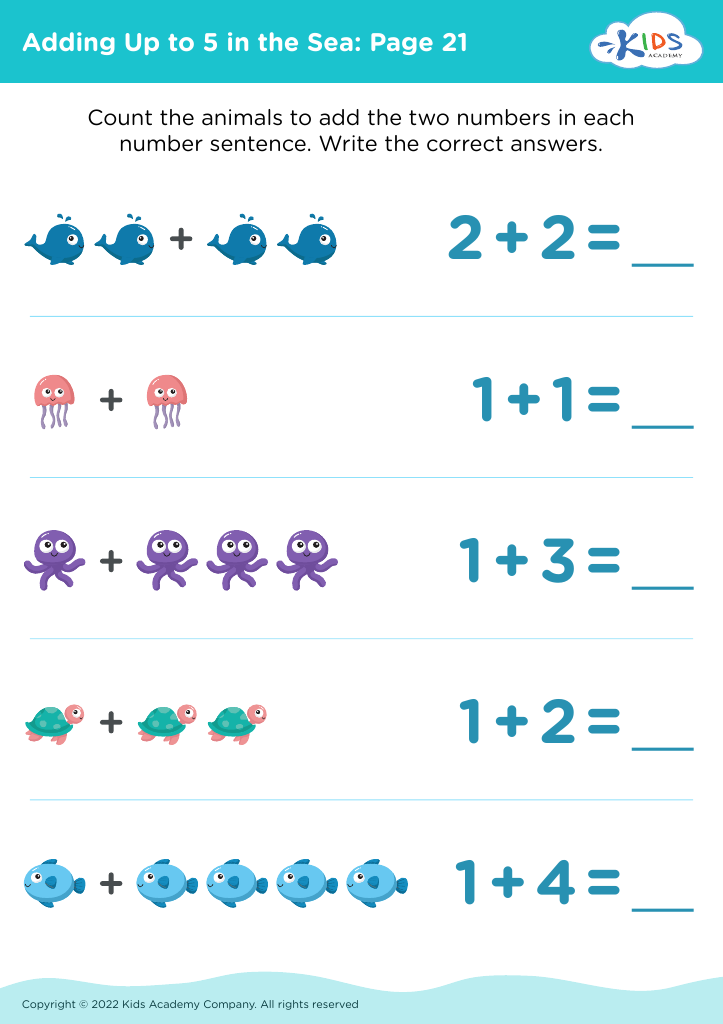
Adding Up to 5 in the Sea: Page 21
Worksheet
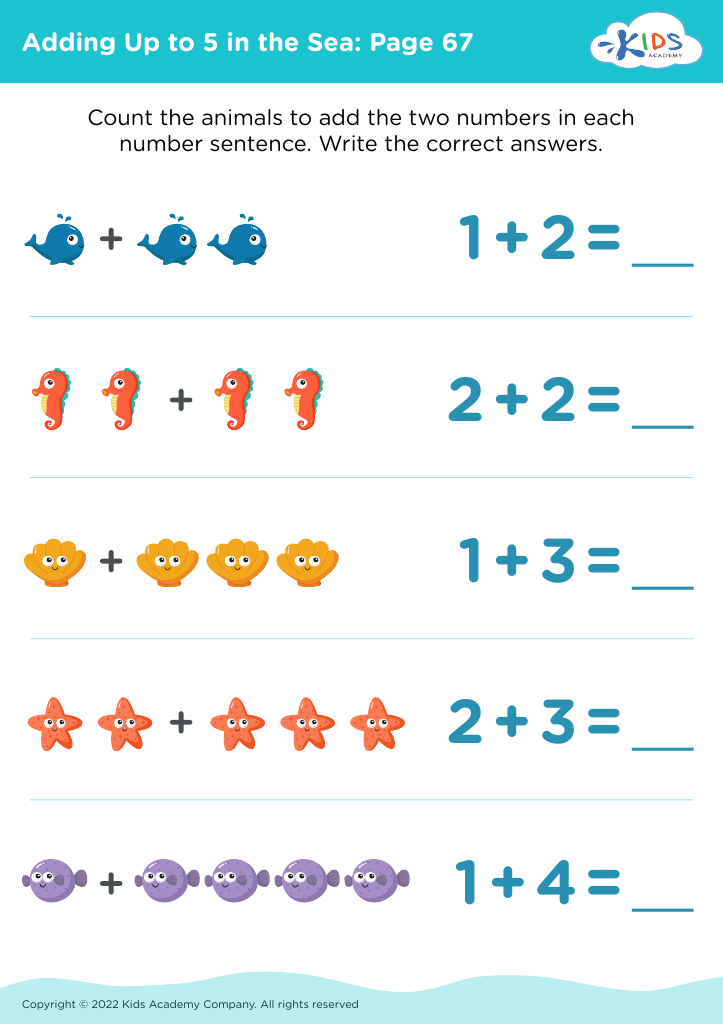
Adding Up to 5 in the Sea: Page 67
Worksheet
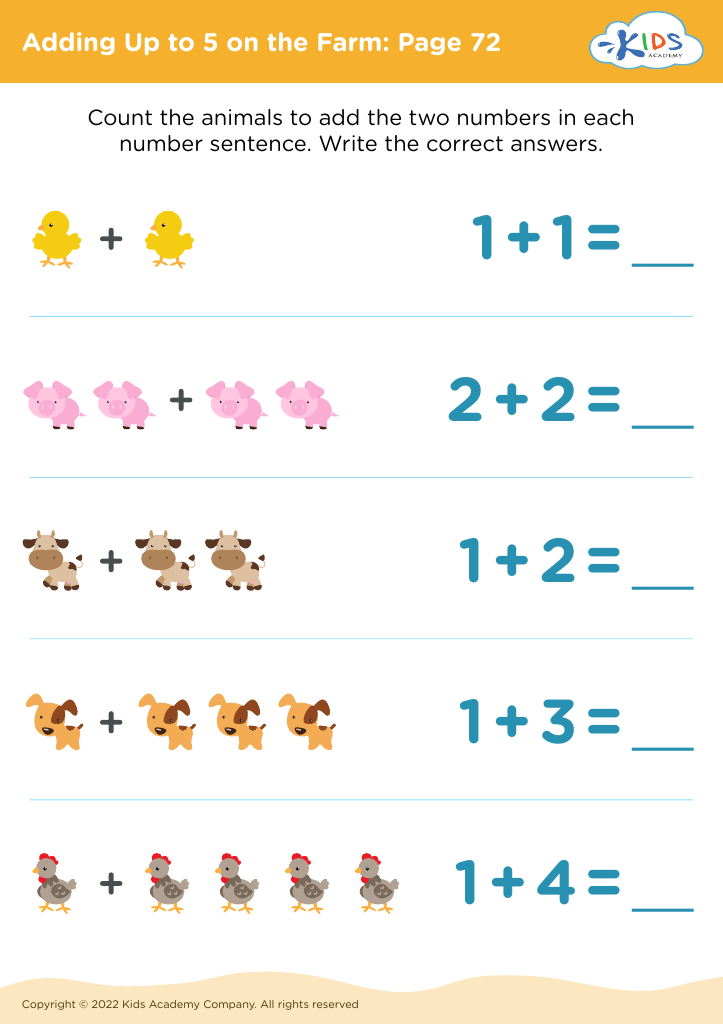
Adding Up to 5 on the Farm: Page 72
Worksheet
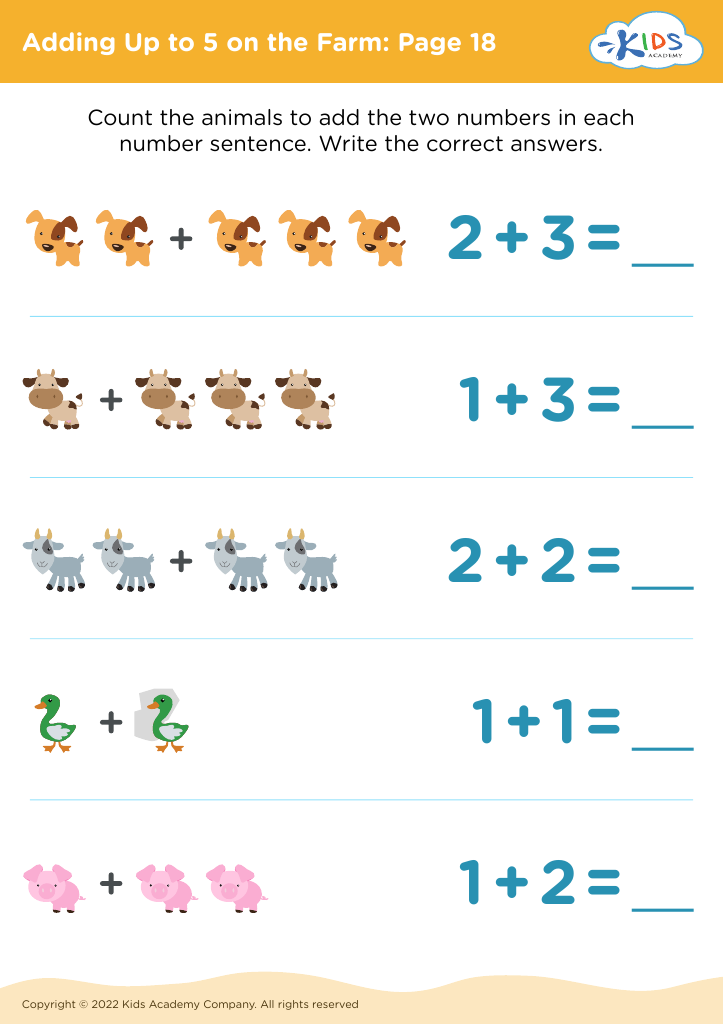
Adding Up to 5 on the Farm: Page 18
Worksheet
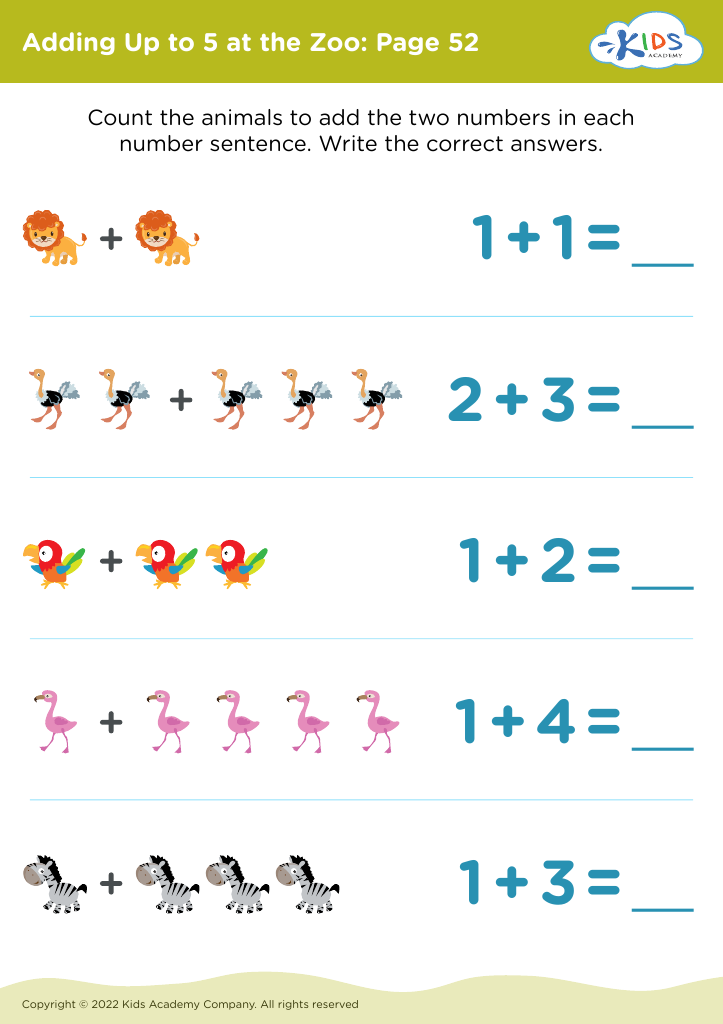
Adding Up to 5 at the Zoo: Page 52
Worksheet
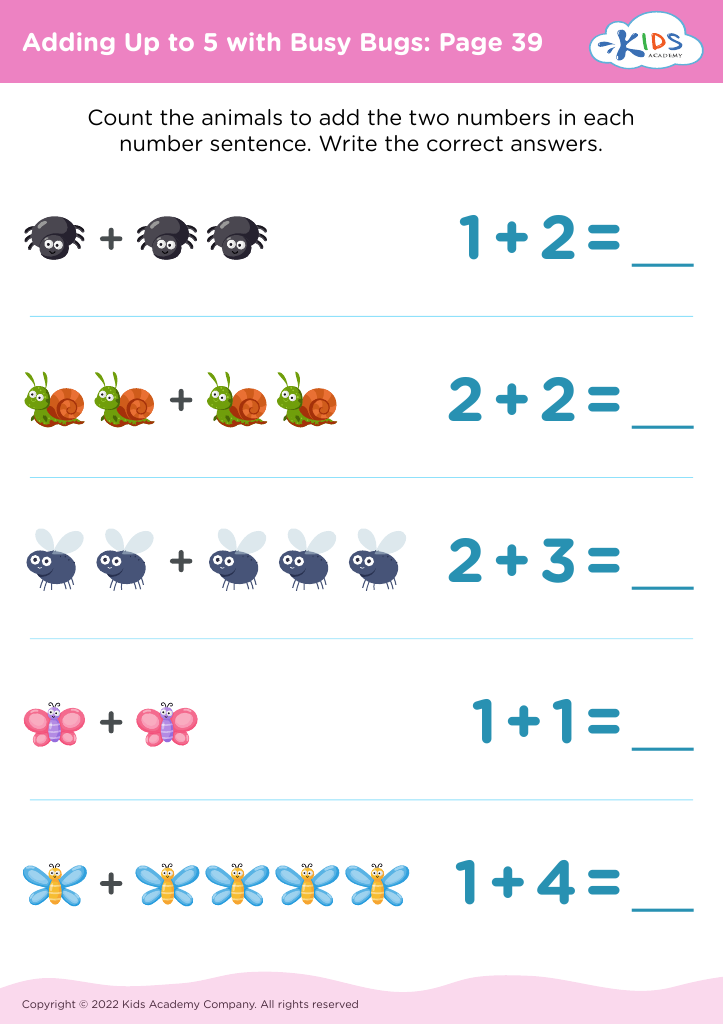
Adding Up to 5 with Busy Bugs: Page 39
Worksheet
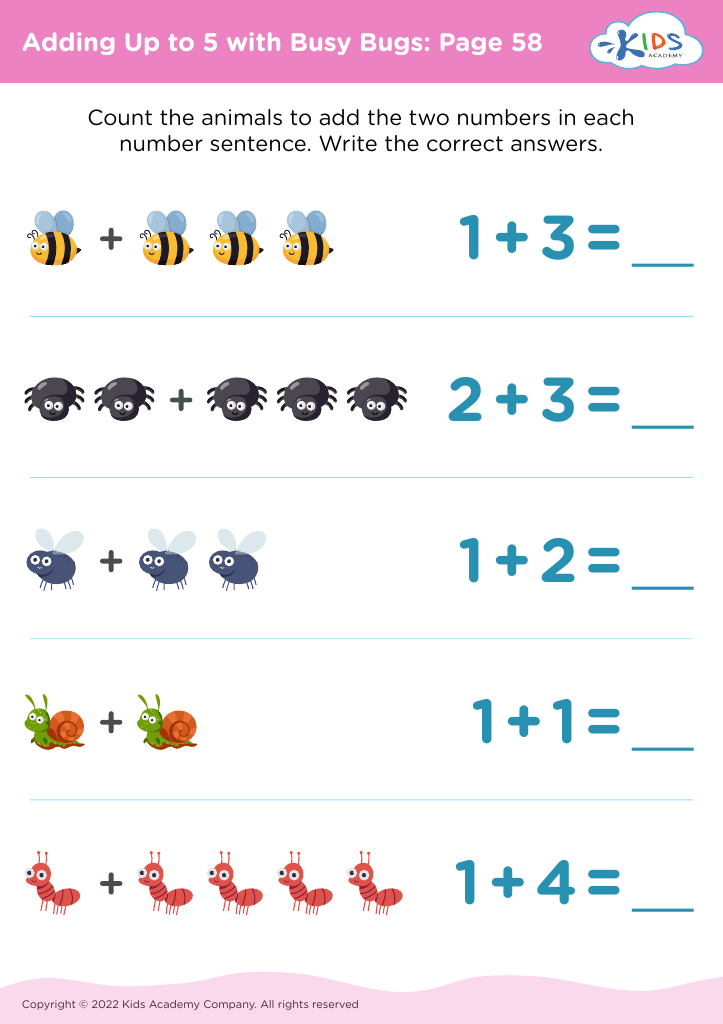
Adding Up to 5 with Busy Bugs: Page 58
Worksheet
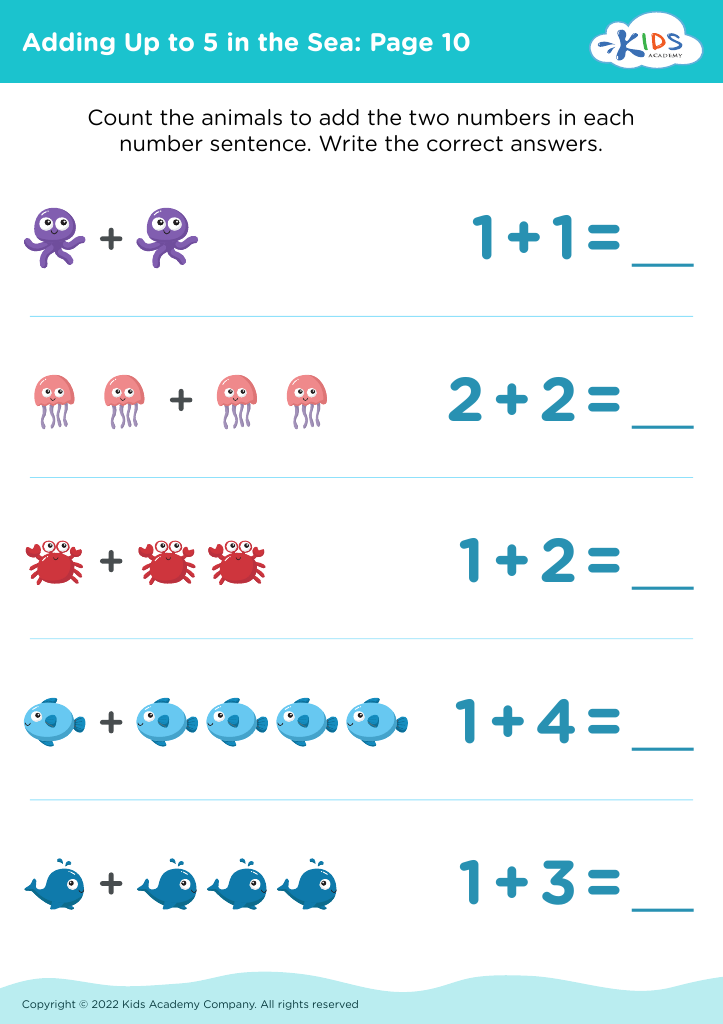
Adding Up to 5 in the Sea: Page 10
Worksheet
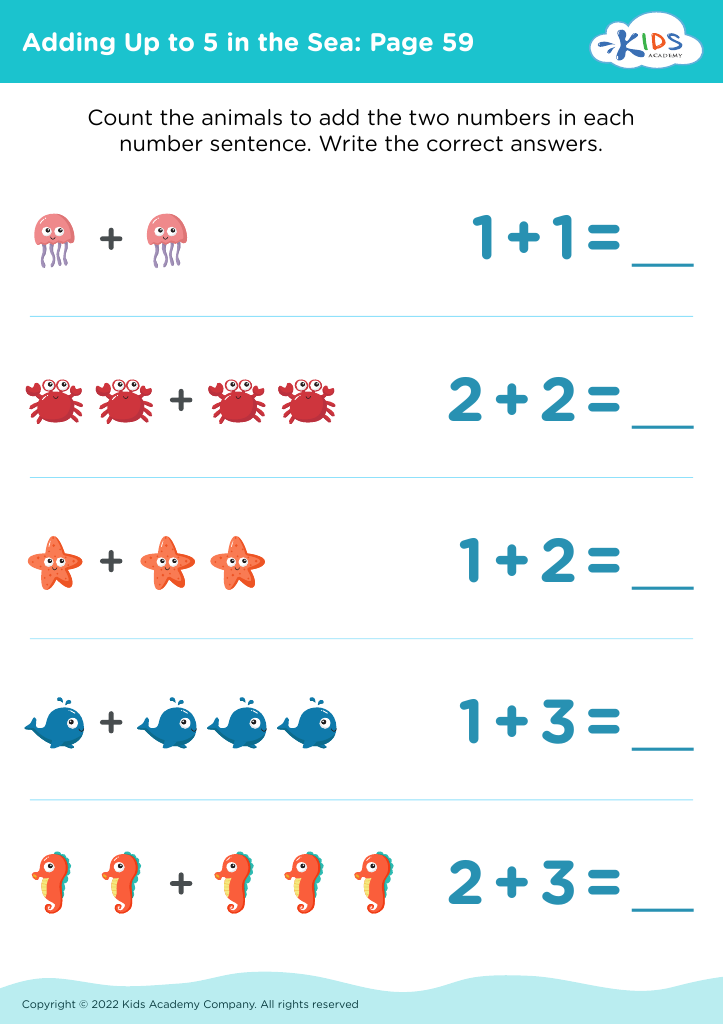
Adding Up to 5 in the Sea: Page 59
Worksheet
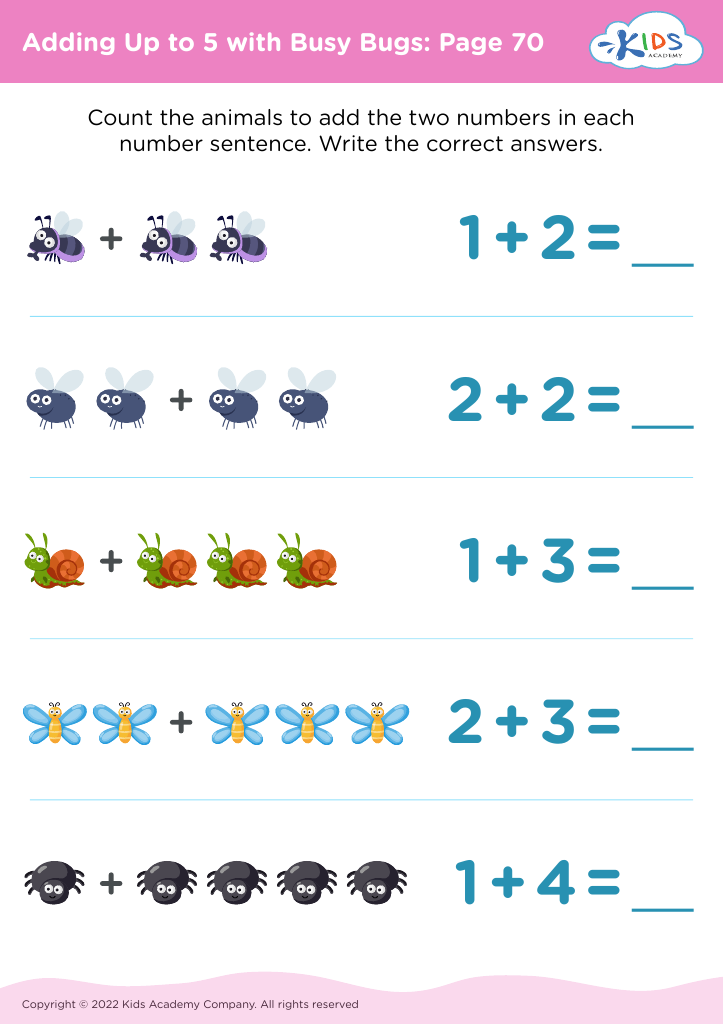
Adding Up to 5 with Busy Bugs: Page 70
Worksheet
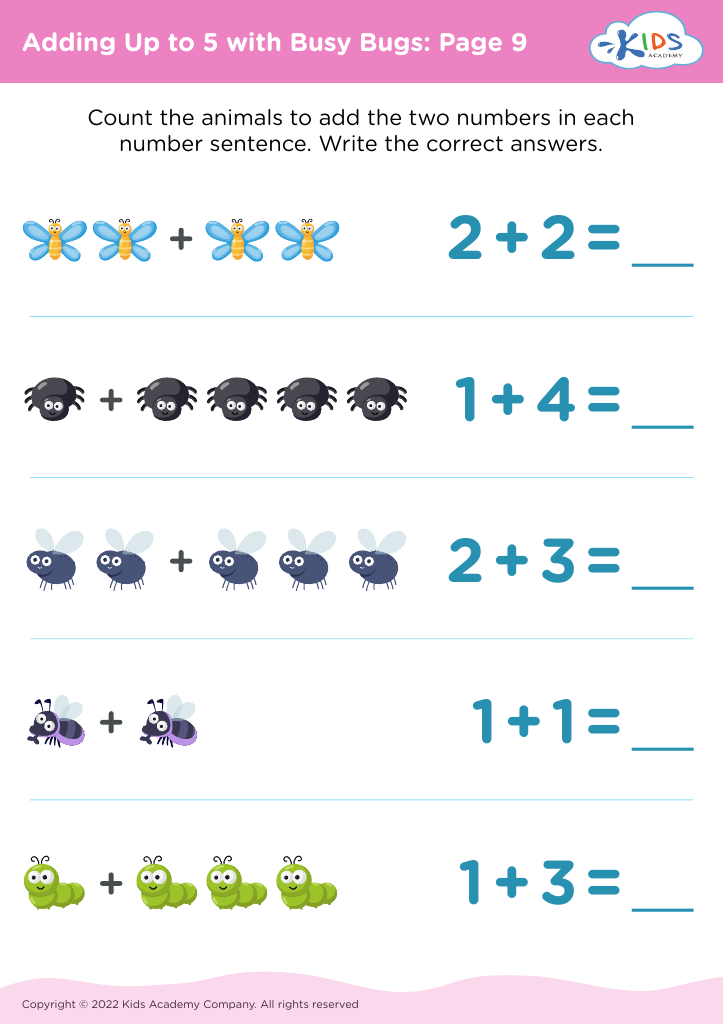
Adding Up to 5 with Busy Bugs: Page 9
Worksheet


Visual learning is crucial for children ages 4-6, particularly concerning foundational concepts like addition and subtraction. At this developmental stage, young learners are naturally curious and often thrive in environments where they can see and manipulate objects. Visual learning strategies, such as using blocks, counters, or drawings, help children grasp mathematical concepts by providing tangible examples that support comprehension.

By visualizing numbers and operations, children are encouraged to explore relationships between quantities, enhancing their problem-solving skills. This hands-on approach makes abstract ideas more relatable and can reduce frustration often associated with traditional methods. When children can visualize math operations, they can better retain information and apply it in different contexts.

Moreover, early mastery of addition and subtraction lays the groundwork for future mathematical learning. Parents and teachers who prioritize visual learning tools can promote a love for math, making it less intimidating and more enjoyable for young learners. Engaging strategies foster an environment of curiosity and exploration, which are vital for lifelong learning. Ultimately, by caring about and implementing visual learning practices, parents and teachers are nurturing confident and capable learners who are prepared for future academic challenges.